


Carefully selected materials that deliver exceptional print quality, durability, and shelf presence.


 New
New
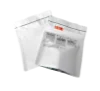

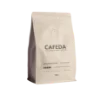
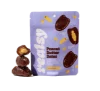

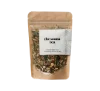












What Is Roll Stock? Explore Flexible Packaging Solutions
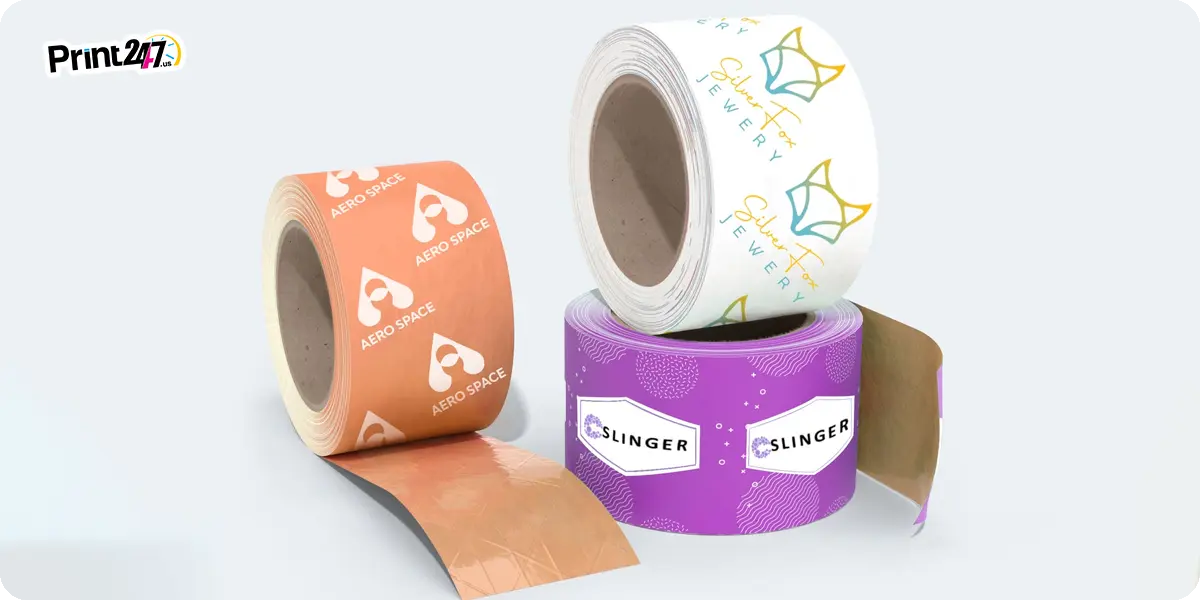
Flexible packaging has become one of the rapidly‑growing packaging formats in the world. This packaging includes options like stand‑up pouches, stick packs, flow wraps, sachets, and more. The core thing revolving around these packaging options is roll stock. It is a large roll of flexible material that runs through packaging machines at high speeds to turn into finished packages.
If you have ever picked up a bag of chips, a coffee pouch, or a single‑serve sachet, you have most likely handled packaging made from roll stock. Yet many brand owners still ask “what is roll stock?” and “how does it fit into my packaging strategy versus custom boxes?”
In this guide, we will explain about roll stock, explore how it works, look at the benefits it offers and of course about the limitations as well, and also help you see where flexible packaging might sit in your product lineup.
What Is Roll Stock?
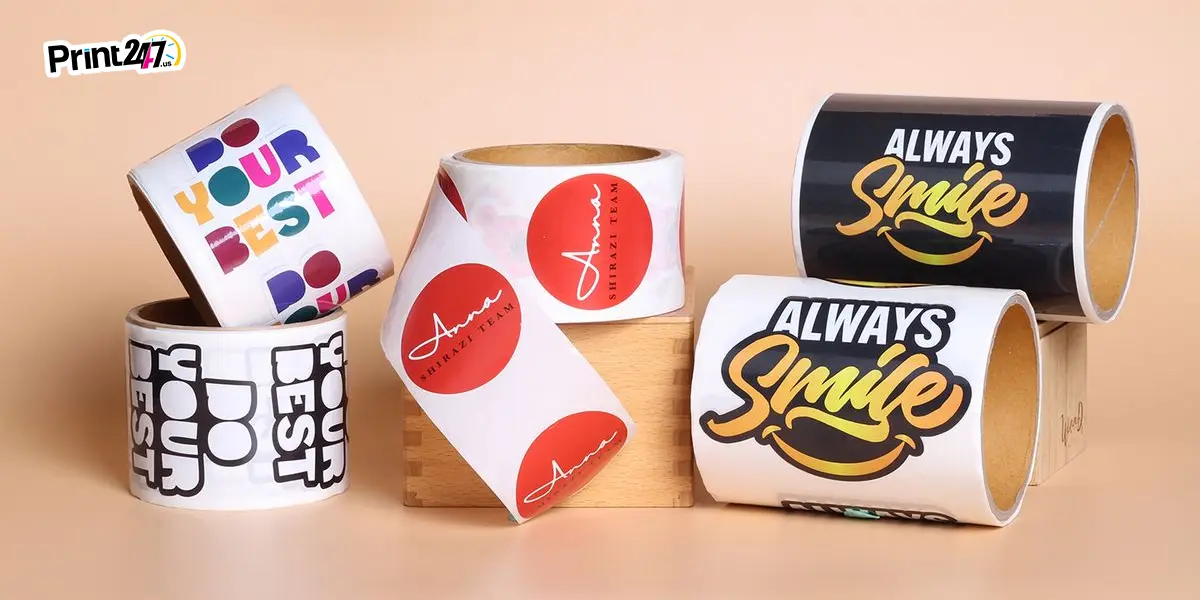
Roll stock is defined as continuous rolls of flexible packaging materials that are used with form‑fill‑seal (FFS) equipment to create sealed packs without any prior preparation.
In practice, roll stock is:
A long, printed or unprinted, roll of material (plastic film, paper, foil, or laminate).
Wounded around a core, stored as large rolls.
Rolled into auto filling machines that form, fill, and seal packages including bags, pouches, and sachets.
What companies usually do is that instead of buying pre‑made bags or pouches and filling them manually or semi‑automatically, they buy roll stock and let the machine create each package from that continuous roll as your product flows through the line.
Roll stock is a core element of flexible packaging because it allows you to:
Choose materials and structures tailored to barrier needs.
Print high‑impact graphics across the entire web.
Produce thousands of packs per hour in a consistent, automated way.
For many brands, roll stock is the quiet engine behind their flexible packaging, while boxes and cartons act as the outer layer for retail display or shipping.
How Roll Stock Packaging Works (Step by Step)
.webp?alt=media&token=a8f5efbc-eff3-465a-a6f5-6e1b2fd4e446 "What Is Roll Stock")
Flexible packaging companies break roll stock packaging down into a series of stages. Here’s how it typically works:
Unwinding the film roll
The roll of flexible material (roll stock film) is mounted on a spindle or unwind station. The film is then put into the machine in a controlled and continuous way. If the film is printed, registration sensors help align graphics correctly so text and images land where they should.
Forming the package
The film then moves toward formation where it is folded (for simple tubes) or thermoformed (for certain tray or vacuum formats).
Vertical form‑fill‑seal (VFFS) machines form a continuous tube to make pillow or gusseted bags, while horizontal FFS machines form pouches or flow wraps.
Sealing the edges
The machine uses heat, pressure, or ultrasonic sealing to press the seams and bottom seals, creating the basic pouch or bag.
Seal integrity is critical for barrier performance and shelf life, especially in food and medical sector.
Product Filling
Once the basic structure is formed, the machine fills the product into the open package. It could be anything like chips, nuts, powders, liquids, supplements, mobile accessories, and more.
Filling systems are matched to product type to ensure accurate weights and volumes are filled in the pouches.
Final sealing and cutting
The machine seals the top (or end) of the pack, mostly adding features like tear notches or perforations.
A cutting station separates each package from the roll, turning the continuous web into individual units ready for packing.
Think of roll stock packaging as a packaging that is “made while you watch”: the roll turns into finished, filled packages in one continuous, automated process.
Roll Stock Materials and Barrier Options
Roll stock is not one material; it’s a format that can be made from various substrates depending on product needs. There are three main categories:
Plastic And Laminate Films
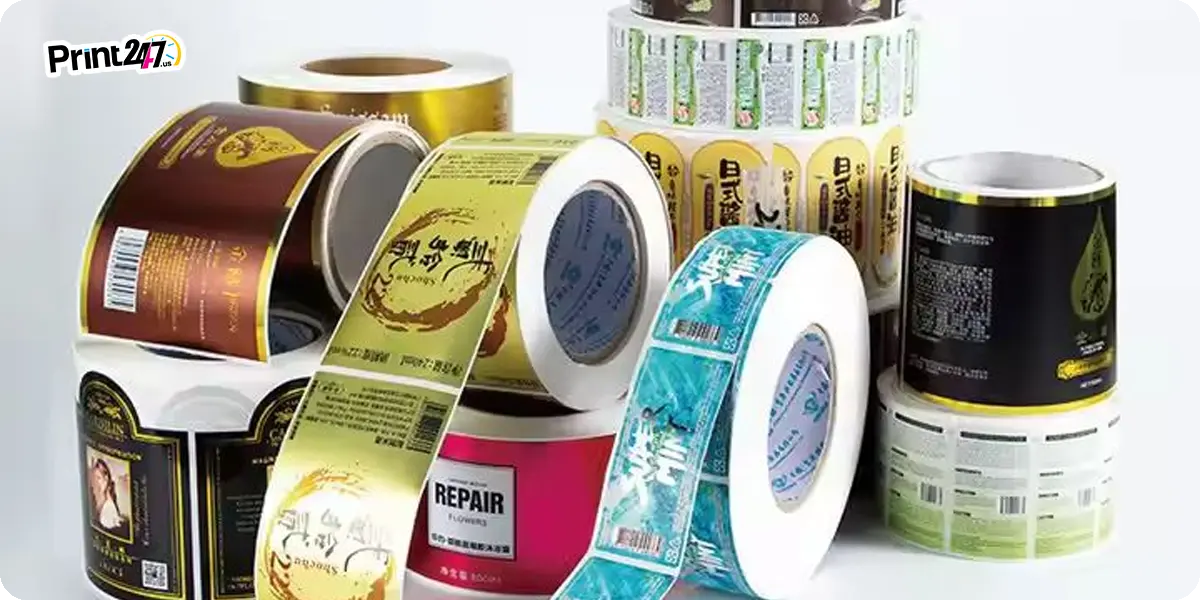
Common poly materials include polyethylene (PE), polypropylene (PP), and polyester (PET).
Materials are further combined to form different films to achieve a balance of strength and barrier (e.g., PET/PE, PET/foil/PE).
These multi layers can be tailored to meet specific requirements: oxygen barrier for snacks, aroma barrier for coffee, moisture barrier for dry powders, etc.
Paper‑Based and Hybrid Structures
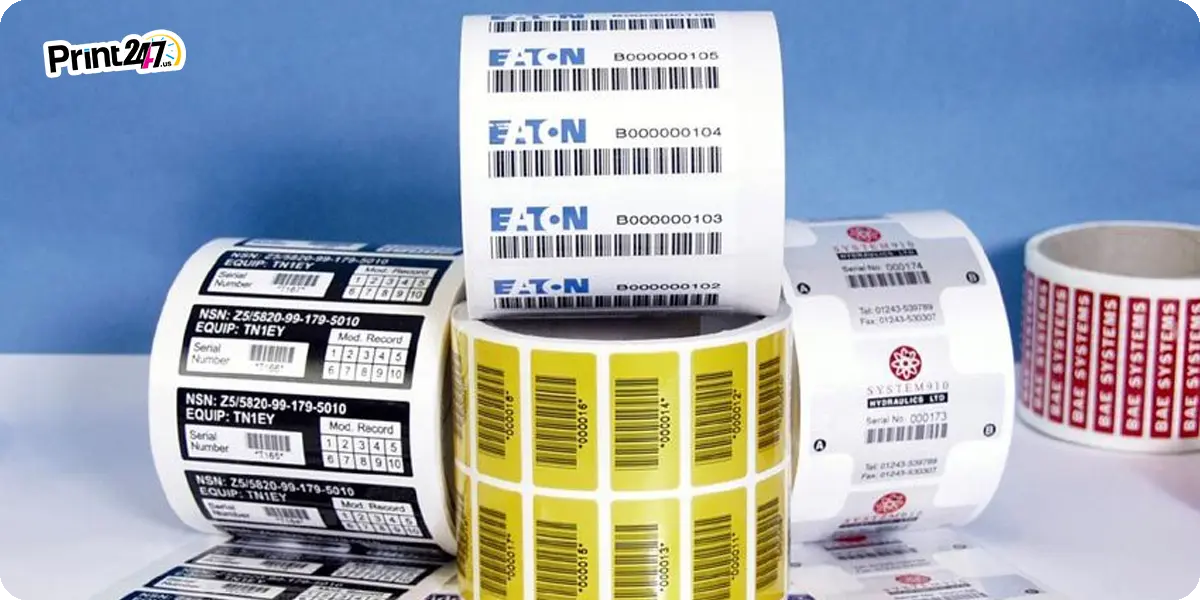
Some roll stock structures use paper or paper‑based laminates to create more natural, tactile flexible packaging with a sustainability‑focused look.
Paper can be combined with thin barrier layers to ensure functionality while improving perceived eco‑friendliness.
Foil and High‑Barrier Films
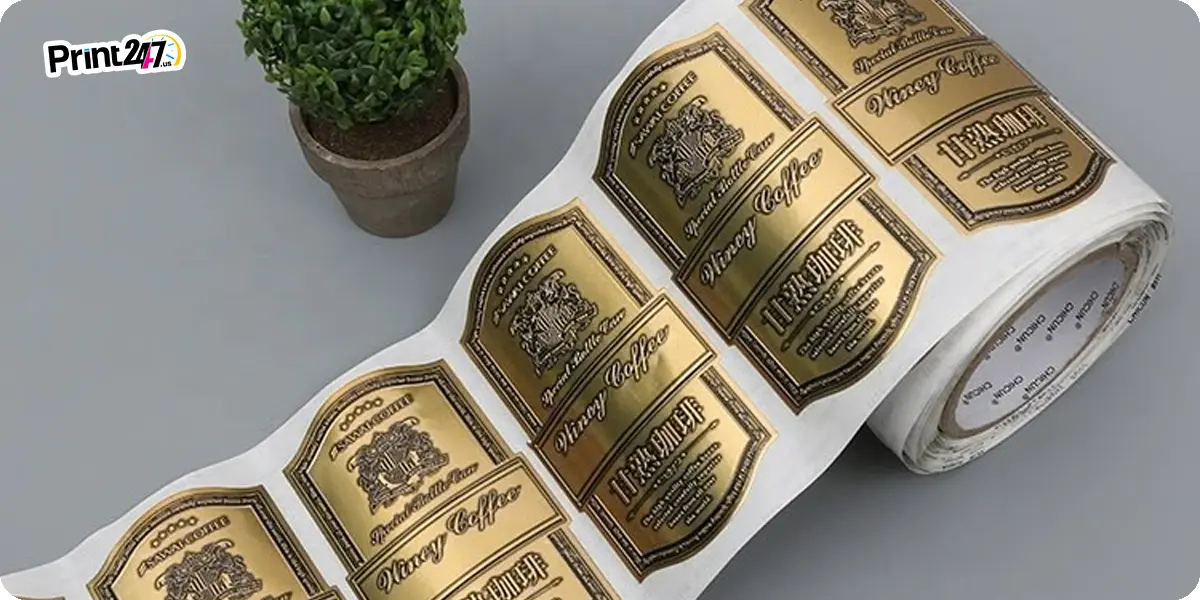
For sensitive products, metalized films or foil layers are used to block oxygen, light, and moisture very effectively.
These are suitable for products with long shelf lives, strong aroma, or high value, such as coffee, snacks, and some medical or pharma products.
On top of base materials, rollstock can include features like:
Resealable zippers.
Tear notches and easy‑open systems.
Hang holes for retail displays.
Matte or glossy finishes, spot varnishes, and tactile effects.
Designing roll stock is not just about picking “plastic vs paper”; it’s about building the right structure for your product, process, and brand story.
Flexible Packaging Formats Made from Roll Stock
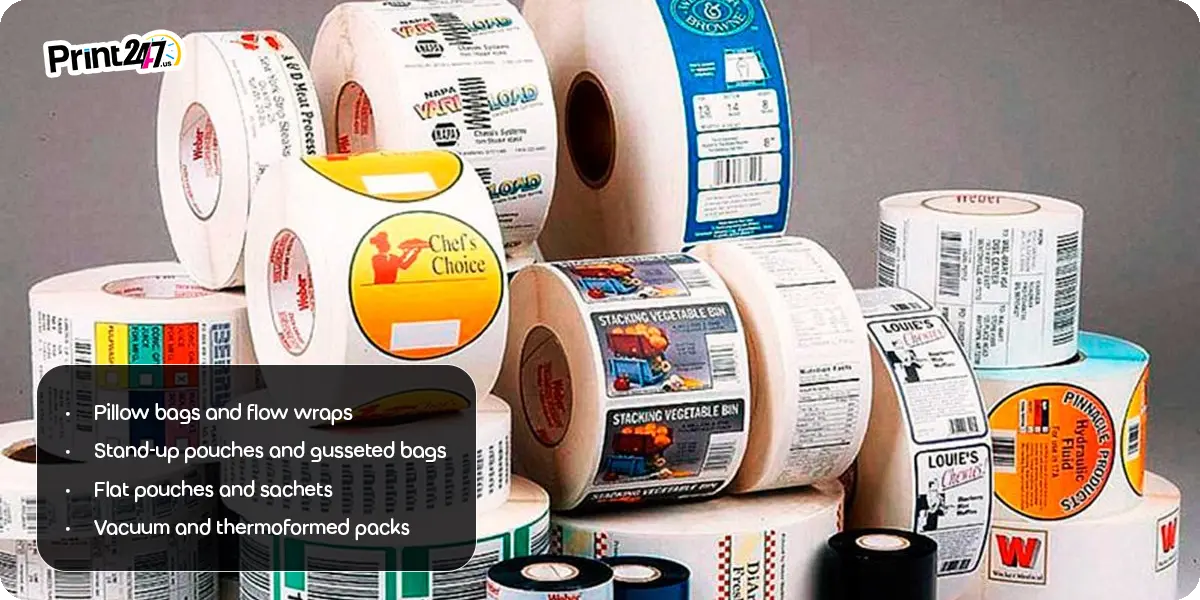
Roll stock feeds a wide variety of flexible packaging formats. Typical formats include:
Pillow bags and flow wraps
Classic chip bags, confectionery wraps, granola bar packaging, etc.
Formed on VFFS or HFFS lines from a roll of film.
Stand‑up pouches and gusseted bags
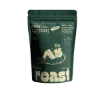
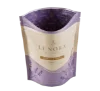
Coffee, pet treats, dry powders, and snacks often use stand‑up pouches, created by forming and sealing rollstock into a gusseted structure that can stand on shelf.
Flat pouches and sachets
Single‑serve condiments, sample packs, pharma and nutraceutical sachets.
Often made on horizontal FFS lines with rollstock cut and sealed into flat packs.
Vacuum and thermoformed packs
Some rollstock is thermoformed into cavities for meat, cheese, or medical devices, then vacuum‑sealed and cut.
Advantages of Roll Stock vs Pre‑Made Pouches
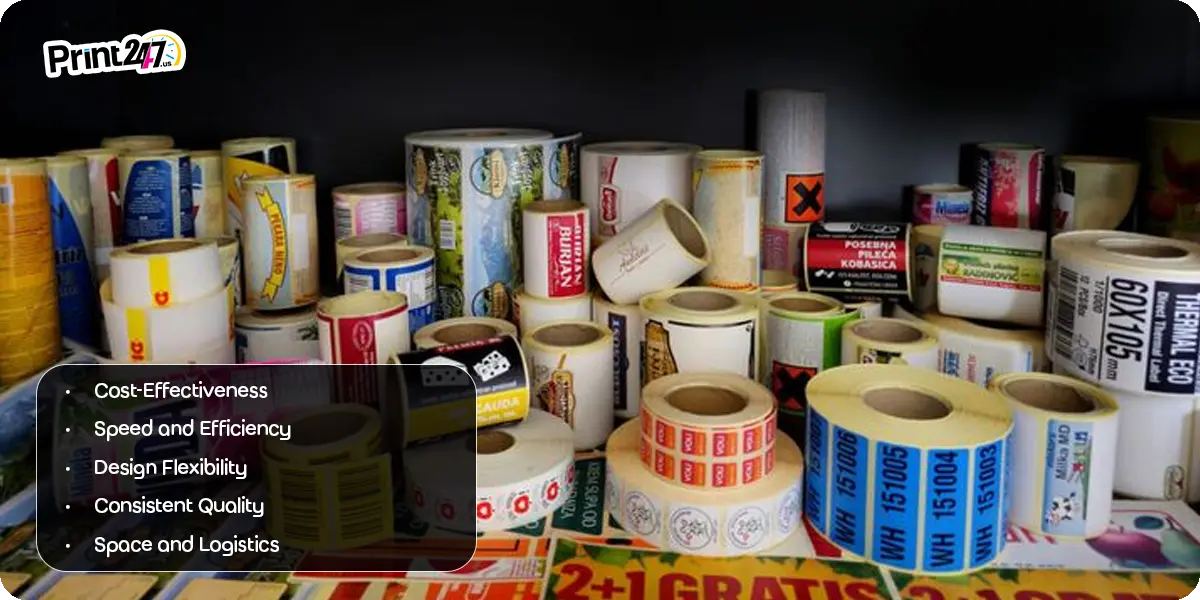
Comparisons from flexible packaging manufacturers highlight several recurring benefits of rollstock film.
Cost‑Effectiveness
Rollstock often costs less per package than pre‑made pouches at scale because you’re buying material in bulk and letting machines do the conversion.
Automated forming reduces manual labor, and continuous webs minimize off‑cuts and waste compared with manually filling pre‑made bags.
Speed and Efficiency
Form‑fill‑seal lines can produce thousands of packs per hour from roll stock, far faster than semi‑manual processes.
This quick step streamlines packaging workflows which is crucial for high‑volume food and consumer goods.
Design Flexibility
Because rollstock is printed as a continuous web, you can run high‑impact artwork, brand patterns, and messaging across the entire pack surface.
Changing designs between runs is as simple as changing the printed rollstock and machine settings, without changing the underlying hardware.
Consistent Quality
Modern FFS procedures keep seal temperatures and pressures controlled to improve seal integrity and reduce chances of leaks.
Automated filling maintains consistent weights and volumes, which supports regulatory compliance and brand trust.
Space and Logistics
Rolls of film take up significantly less storage space than equivalent stacks of pre‑made bags.
Finished flexible packs are lightweight, which can lower transport costs and improve pallet efficiency compared with some rigid formats.
From a system perspective, roll stock makes it easier to scale flexible packaging once volumes justify automation.
Limitations: When Roll Stock Isn’t the Best Fit
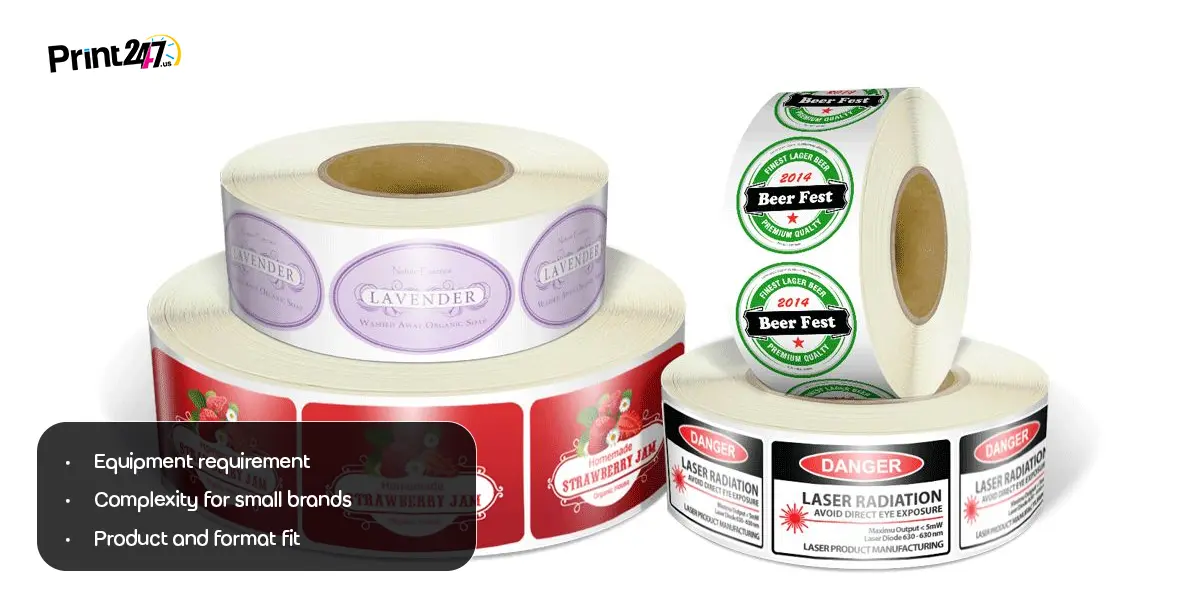
Roll stock is a splendid choice for less costs and streamlined packaging processes, but it isn’t always the right answer.
Key limitations include:
Equipment requirement
To benefit fully from rollstock, you need access to FFS machinery (vertical or horizontal) or a co‑packer who has it.
For very low volumes or occasional runs, investing in a dedicated rollstock line may not make sense.
Complexity for small brands
Small, early‑stage brands might find pre‑made pouches simpler to start with, especially if they are doing manual packing.
Rollstock shines once you have consistent volumes and a stable product range.
Product and format fit
Some products still require rigid packaging like glass bottles, tins, jars, or cartons.
Rollstock packaging is great for small or lightweight items, but not for everything.
This is also where Print247’s broader perspective wins the game. We allow you to use boxes, cartons, and flexible packs intelligently rather than going after only one format.
Industries That Benefit Most from Roll Stock
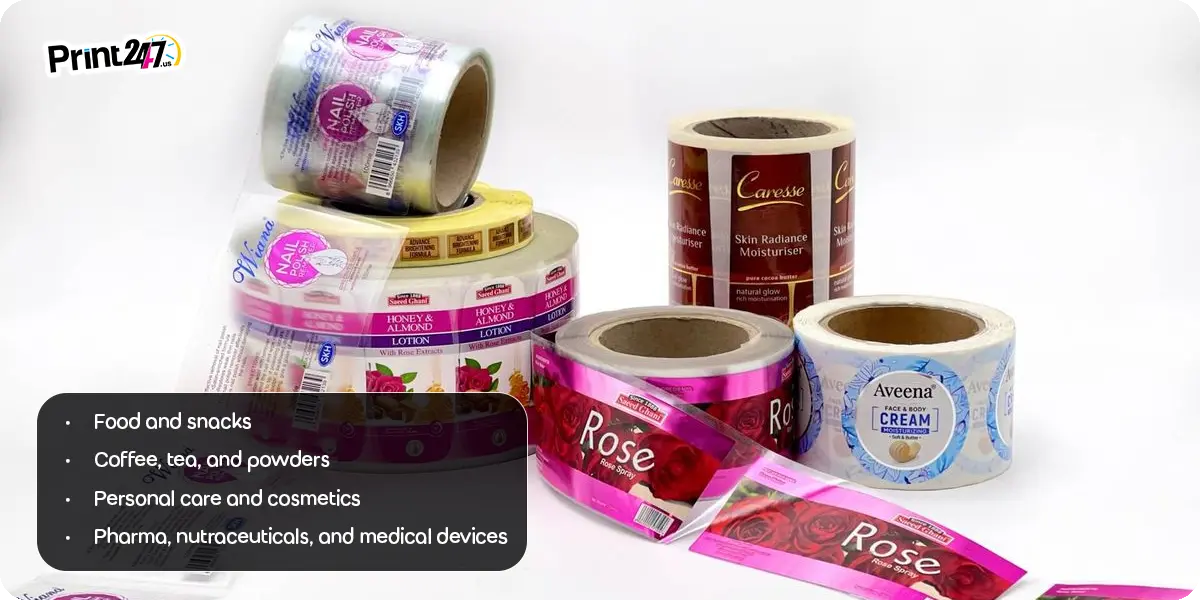
Food and snacks
Chips, cereals, cookies, nuts, dried fruit, granola bars, and confectionery, rollstock‑based packages win more on shelves for these products.
Coffee, tea, and powders
Grounded coffee, coffee beans, powdered drinks, protein, and baking ingredients use stand‑up pouches or gusseted bags that are made from rollstock.
Personal care and cosmetics
Sachets, sample packs, and travel‑size pouches for shampoos, lotions, masks, and serums.
Pharma, nutraceuticals, and medical devices
Sterile pouches, controlled‑environment packs, and vacuum packs rely on carefully specified rollstock structures.
If your product is small, solid, or liquid, and sold in large numbers, rollstock is likely to be part of the conversation.
Where Print247 Fits Into Roll Stock and Flexible Packaging
We are already known in the USA for custom printed boxes, product packaging, and branded printing for packaging solutions. This experience is directly useful when you start looking at rollstock and flexible packaging, because the same design and branding skills need to carry across formats.
At Print247, we can help you by:
Branding your rollstock
Our experts collaborate on artwork, layout, and messaging for rollstock film so your flexible packs match your boxes, labels, and other materials.
Building coordinated packaging systems
With us, you can combine custom pouches and rollstock‑based packaging with custom boxes and cartons so your products look unified across shelves.
Advising when flexible or rigid packaging is better
We help you decide whether a product should be packed in a pouch, a box, or a combination (e.g., pouch inside carton) based on use‑case, price, and brand experience.
Conclusion
Roll stock turns flexible packaging into a fast, efficient, and highly brandable system. It’s not just a roll of film, consider it the starting point for bags, pouches, and sachets that protect products, carry your graphics, and move smoothly through high‑speed packaging lines.
For some products, custom boxes and cartons remain the best choice. For others, especially small, flowable, high‑volume items, rollstock film or flexible packaging can reduce material, speed up packing, and open up new shelf and e‑commerce possibilities.
If you are curious whether roll stock and flexible packaging solutions make sense for your brand, now is a good moment to explore that with Print247. Share your products, volumes, and goals, and we’ll help you decide every aspect of your rollstock film packaging with diligence and attention to detail.
FAQs
How is roll stock different from pre‑made bags or pouches?
With pre‑made pouches, you buy finished bags and then fill and seal them. With roll stock, you buy a roll of material and let the machine form, fill, and seal each pack from that roll in‑line, which can be faster and more cost‑effective at volume.
What materials are used for rollstock film?
Rollstock can be made from single or multi‑layer films (PE, PP, PET), paper‑based structures, foil, or metalized films, depending on the barrier and strength needed.
Do small businesses benefit from rollstock, or is it only for large manufacturers?
Rollstock is best suitable when volumes justify automated form‑fill‑seal lines, but smaller brands can still benefit by working with co‑packers who run rollstock machines or by using semi‑automated solutions at moderate scale.
Get a Quick Quote

More Articles
 Bill ‘Hogg’ Ryan
How to Choose Sock Packaging for Peg Display vs Shelf Presentation
 Bill ‘Hogg’ Ryan
Roll Labels vs Sheet Labels and When Each One Makes Sense
 Bill ‘Hogg’ Ryan