







Soap Box Packaging: Types & Custom Design Ideas
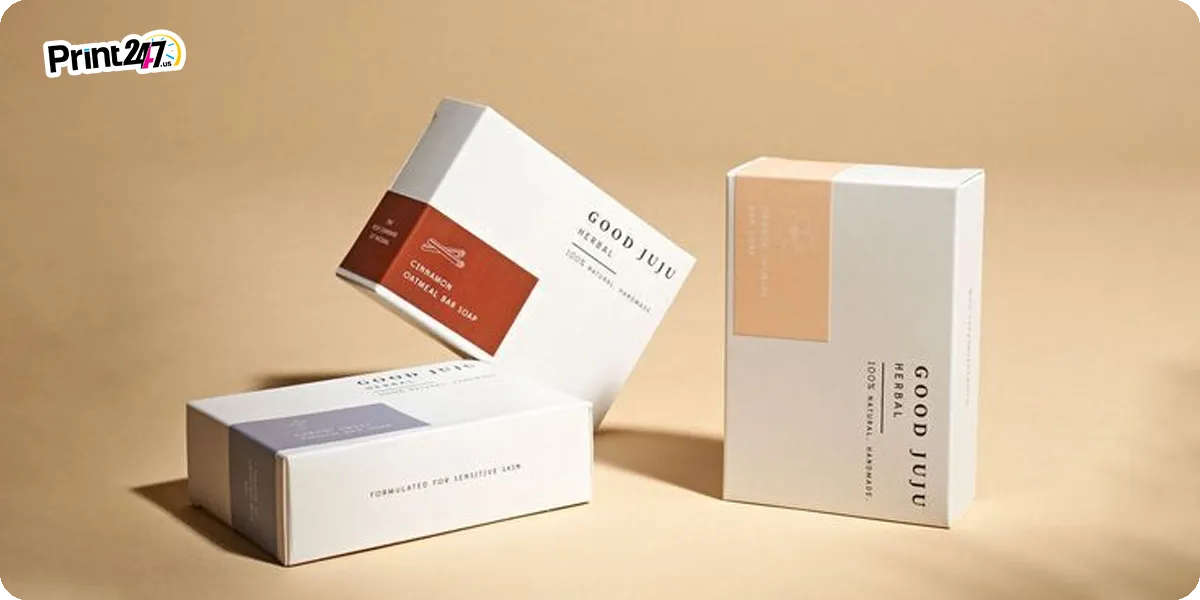
Soaps are the core staple in everyday life. They are made to fulfil different skincare needs of a variety of customers. Some might want to beautify their skin, while some would need to moisturize it, or some might want to cure their acne.
As there is a different kind of soap for each purpose, the packaging should differ as well as there is no one size fits all approach when it comes to soap boxes.
A soap box does far more than keeping a bar of soap clean and safe. It protects your product, commands attention on the shelf, conveys essential info, and promotes your brand. In a nutshell, soap packaging is the reason buyers pick up your bar from a host of others on the shelf to compare scent, ingredients, effects, and piece or simply walk past it.
The trend of boxes for soaps is not coming to an end anytime soon, because the demand for soaps will only continue to grow. As per a soap market size report, it was valued at 50.68 billion USD in 2025 and will grow up to 87.36 billion USD by the end of 2034, at a CAGR of 6.32%.
At Print247, we help our customers design custom soap boxes to the exact last detail. In this detailed guide, we will cover the main types of soap boxes, the best materials, and surefire ways to customize soap boxes so your soap packaging looks professional, chic, branded, and imparts important info.
Why Soap Packaging Matters
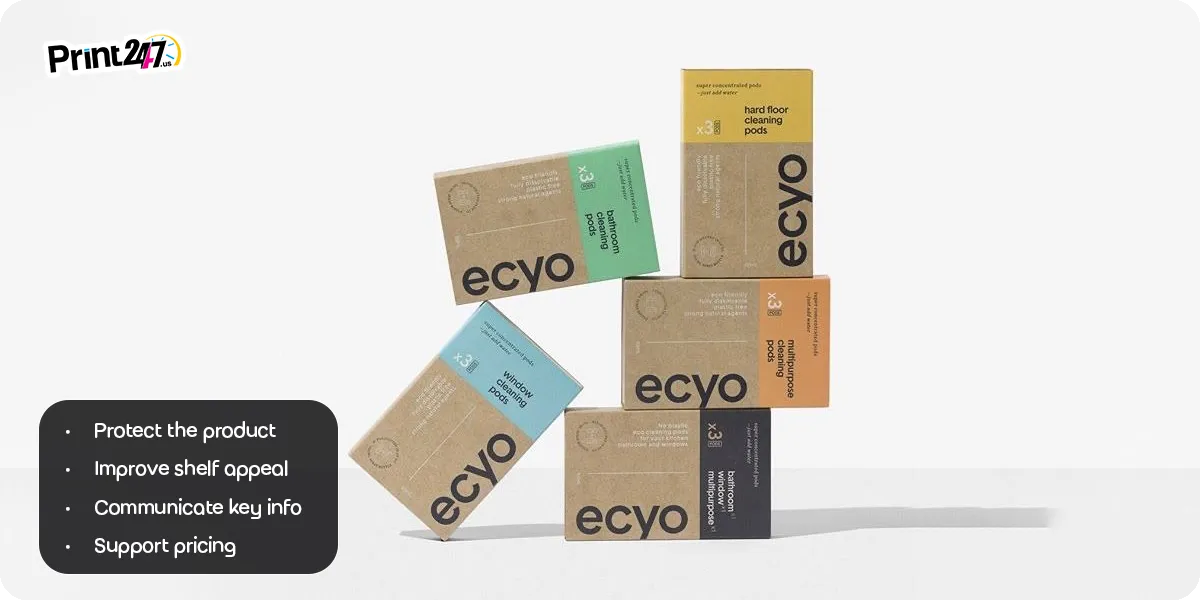
When a customer sees your soap for the first time, they don’t smell it or feel it, what they actually see is the box it comes in. So getting thoughtful designed boxes for soaps are your first chance to communicate quality, ingredients, and brand personality before they ever pick up the bar.
Customized soap box packaging helps you:
Protect the product. Boxes for soaps protect the soap bars from dust, moisture, and physical impacts.
Improve shelf appeal. Good design and structure make your soap stand out in a crowded aisle or online thumbnail grid.
Communicate key info. Ingredients, scent, skin type, usage instructions, and eco claims all live on the box.
Support pricing. Premium custom soap boxes can justify a higher price by suggesting higher perceived value.
Types of Soap Boxes
Just like there are many types of soaps for different skincare needs, the packaging for each one also varies. There is no one “best” option when it comes to packaging soaps. Different types of soap boxes suit diverse branding, packaging, and presentational needs.
Below, there are some of the most common types of boxes for soaps listed that you can consider.
Tuck-End Soap Boxes
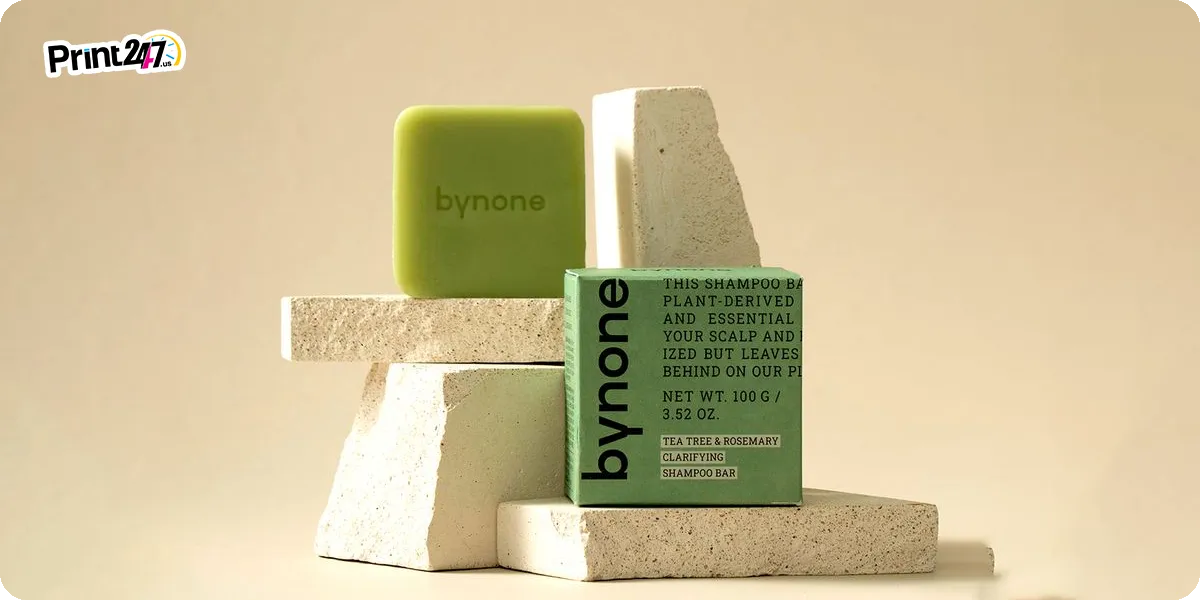
Tuck end boxes are one the most classic boxes with flaps that tuck in at the top, bottom, or both ends.
Straight tuck end (STE): Both top and bottom flaps tuck in the same direction. This gives a front panel view, great for retail shelves.
Reverse tuck end (RTE): Top and bottom flaps tuck in opposite directions. A more cost‑efficient option for certain production runs.
Best for:
Standard bar soaps for retail and wholesale.
Brands that want to print product info on the box (front, sides, back).
Tuck end soap boxes are versatile and easy to store and assemble. This makes them a splendid choice for both small and large scale brands.
Sleeve Soap Boxes
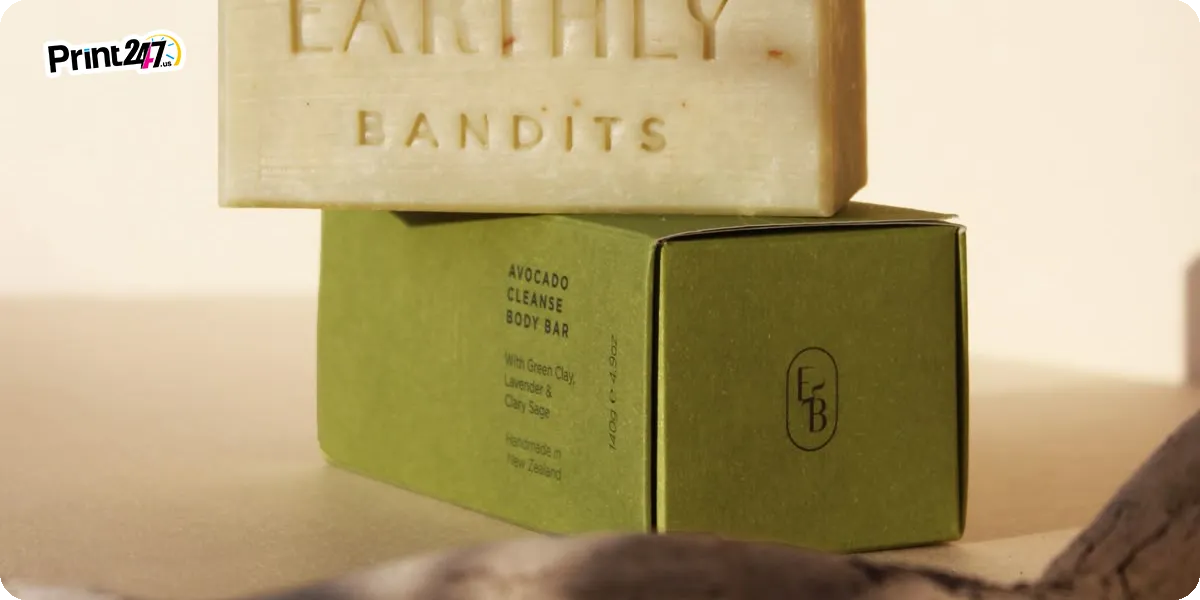
Sleeve packaging uses two parts: a tray that holds the soap and a printed sleeve that slides over it.
Offers a “partial reveal” if the tray is shorter or open.
Allows you to use the same tray for multiple scents while changing only the sleeve design.
Best for:
Handmade soaps with beautiful textures or tops that you still want partially visible.
Brands that plan to vary scents frequently but keep box dimensions consistent.
Sleeves are a cost‑effective way to customize soap boxes for many variants without changing the core structure.
Window Soap Boxes
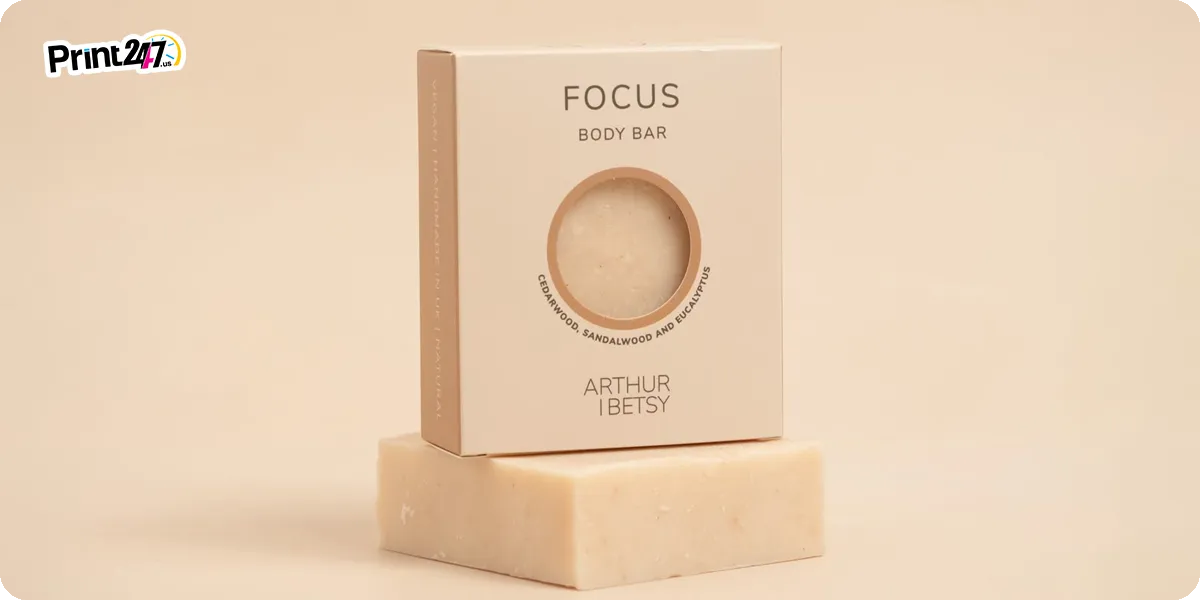
Window boxes are tuck or tray boxes with die‑cut openings that show the soap inside.
Windows can be open (no film) or covered with a clear film for protection.
Shapes can be simple (rectangles, circles) or branded (leaf, flower, logo shapes).
Best for:
Soaps with distinctive colors, layers, or embeds.
Customers who like seeing what they’re buying before committing.
Window boxes for soap combine storytelling (through the visible bar) with strong branding around it.
Kraft Soap Boxes
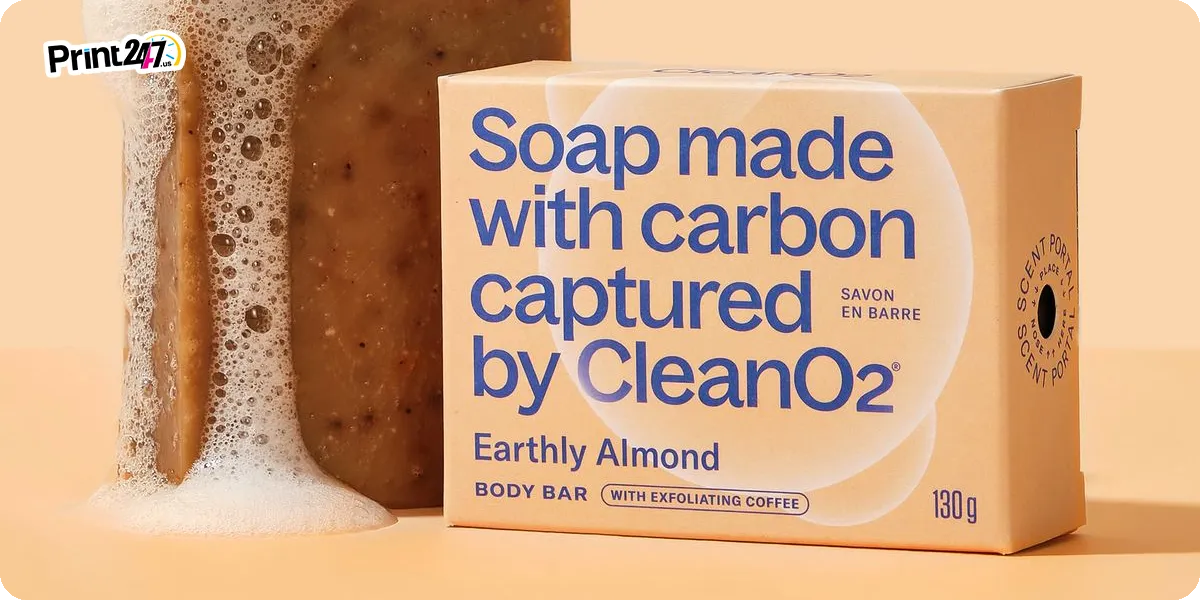
Kraft soap boxes use natural brown kraft paperboard, which immediately gives an eco, rustic, and handmade feel to the soaps.
Key traits:
Often made from recycled or recyclable fibers.
Pair well with minimal, single‑color printing or stamps.
Perfect for natural, organic, or handmade soap brands.
Best for:
Eco‑friendly, “natural” positioning.
Brands that want to promote their handmade and organic soaps.
Kraft is usually the go‑to material for eco friendly soap packaging, especially when businesses want to pair boxes with minimalist designs.
Holster Soap Boxes
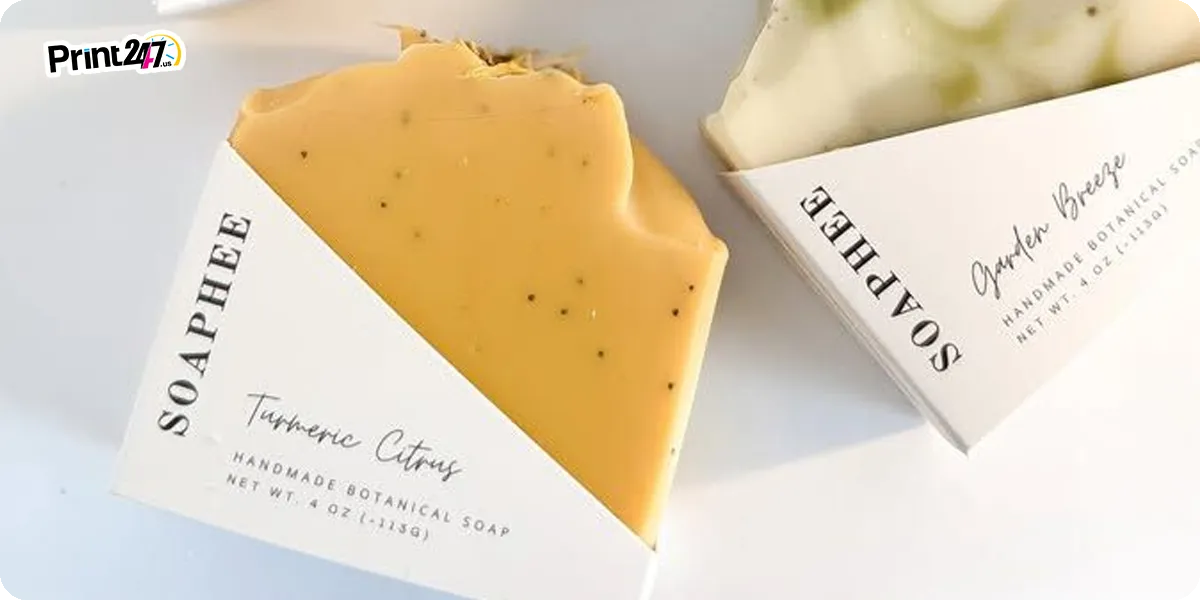
Holster soap boxes are open‑top or open‑face cartons that cradle the soap but leave one or more sides visible.
Often open on top so customers see the texture and top decoration of the bar.
Can be open on one large face for maximum visibility.
Best for:
Artisan soaps with interesting textures, swirls, or botanical toppings.
Brands that want the bar itself to be the star while still getting the benefits of a branded box.
Holster boxes are a stylish middle ground between full cartons and simple wraps.
Two-Piece Soap Boxes
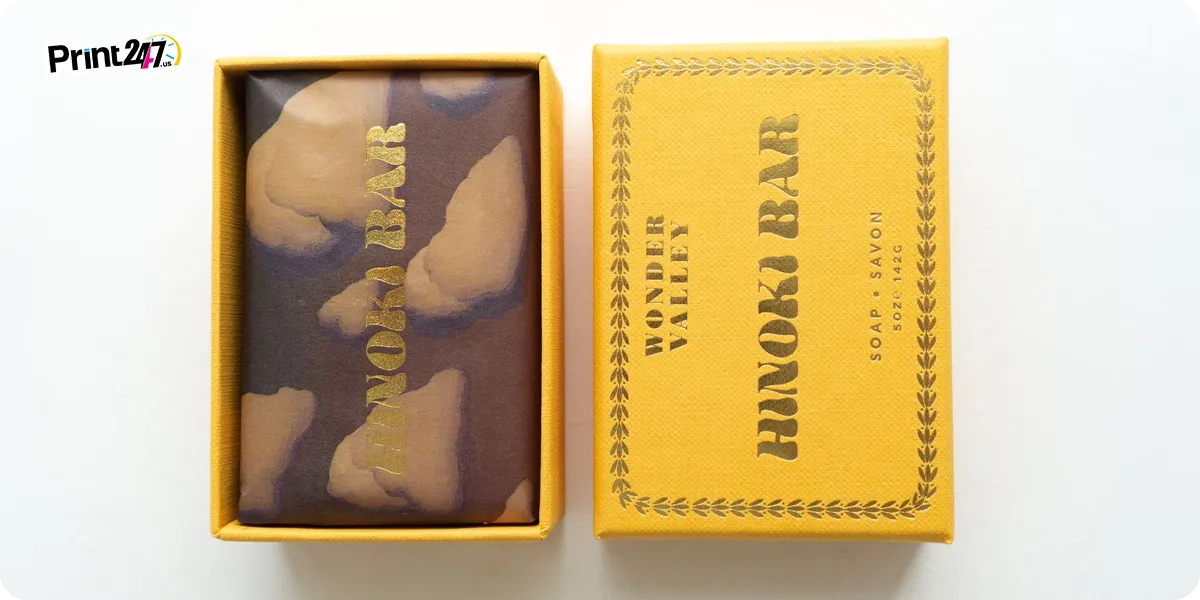
Two-piece boxes use a separate lid and base.
Often used for gift soaps or premium collections.
Can be designed as simple telescoping boxes or more rigid, luxury structures.
Best for:
Gift sets and higher‑priced soaps.
Limited editions and seasonal collections.
Two-piece soap packaging boxes feel more like gift packaging than everyday cartons.
Rigid Soap Boxes
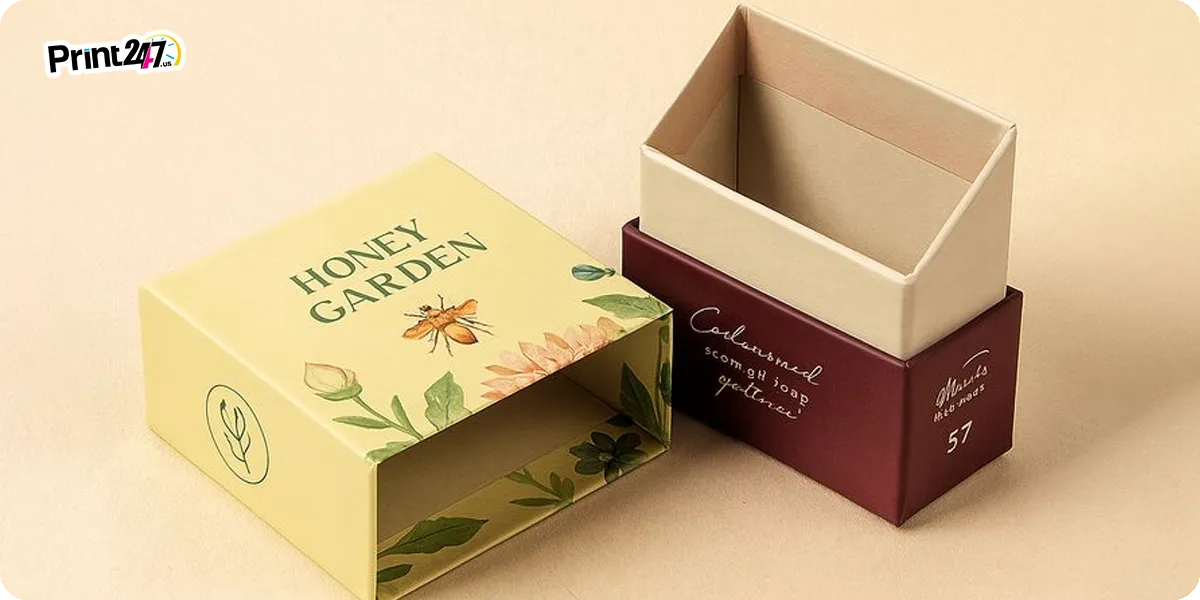
Rigid boxes use thick and dense material board for a sturdy and premium feel.
Often paired with magnetic closures, ribbon pulls, or custom inserts.
More expensive but strongly associated with luxury and gifting.
Best for:
Luxury soaps, spa sets, or brand “flagship” products.
Subscription boxes or holiday special editions.
Rigid custom soap boxes signal a premium experience and can be kept and reused by customers.
Wrap-Style & Band Soap Packaging
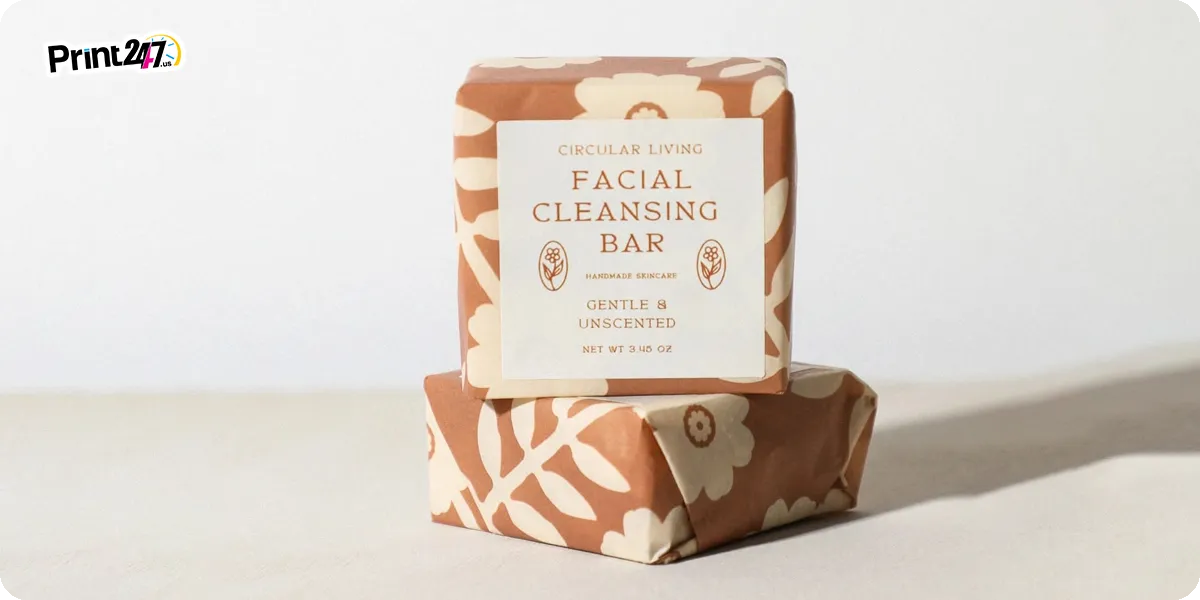
Not every brand needs a full box. Wraps and bands can be simple and effective.
Paper wraps: Wrap the bar fully with printed or stamped paper.
Belly bands/sleeve packaging: A wide band secures the bar and presents branding while leaving large areas of the bar exposed.
Best for:
Handmade soaps sold at markets or direct to consumers.
Brands that want a minimal packaging of soap approach with less material.
Wraps and bands are often the most budget‑friendly soap packaging ideas and can be combined with kraft boxes or holster boxes as needed.
Best Soap Box Materials
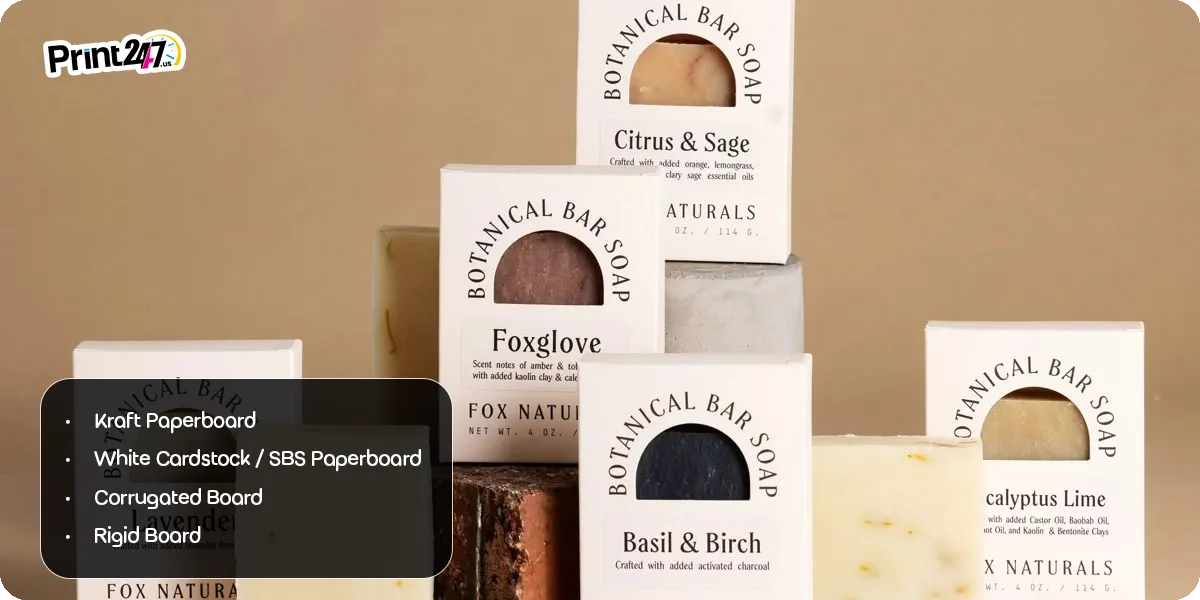
Material choice can affect how your custom soap packaging looks, feels, and functions.
Kraft Paperboard
Natural brown, slightly textured.
Ideal for kraft soap boxes and eco‑minded brands.
Works well with black, white, or limited‑color printing.
Ideal for brands that want their packaging to look as natural as their ingredients for the soaps.
White Cardstock / SBS Paperboard
Smooth surface with excellent print quality.
Supports vivid colors, detailed artworks, and luxury finishes.
Common for retail soap packaging boxes with full‑color designs.
Best for brands that want bold branding or photographic imagery.
Corrugated Board
Layered structure (e.g., E‑flute) that adds strength.
Often used for shipping boxes, subscription boxes, or outer packaging around smaller cartons.
Ideal when soaps travel long distances or need extra protection in e‑commerce.
Rigid Board
A thick paper material.
Used for luxury rigid soap boxes and gift sets.
A splendid choice when you want soap box packaging to feel premium and gift worthy.
In a nutshell, colors, textures, and thicknesses of boxes contribute in creating an exceptional perception of your brand and your product.
How to Customize Soap Boxes for Maximum Presentation
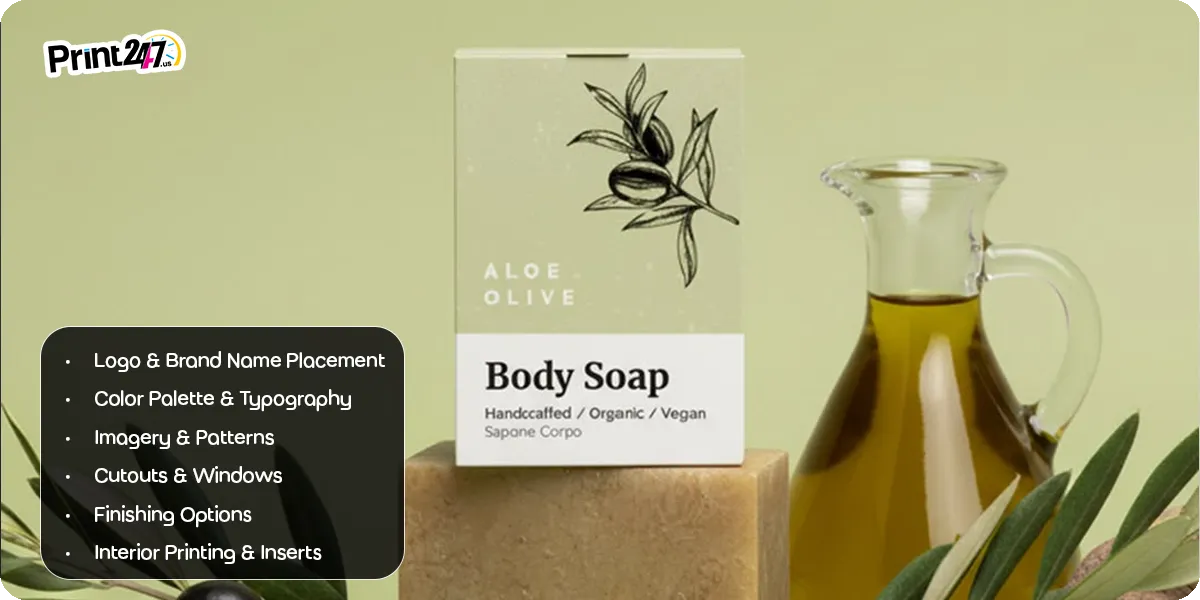
Customizing boxes for soap can turn a standard packaging into a branding tool. Here’s how you can customize soap boxes so they make a great first impression.
1. Logo & Brand Name Placement
Your logo and brand name should be easy to spot at a glance.
Front panel: Primary placement for logo and product name.
Side or top panels: Secondary branding for stacked or shelved products.
Clear, consistent logo use builds recognition across scents and ranges.
2. Color Palette & Typography
Colors and fonts can convey mood and uplift market positioning at the same time.
Natural soaps: earthy tones, muted greens, creams, and browns.
Luxury soaps: deep tones (navy, black, burgundy) with metallic accents.
Kids or fun scents: bright pastel or bold colors, playful fonts.
Typography should be legible at real viewing distances, not just on screen.
3. Imagery & Patterns
Design illustrations, patterns, and artworks improve the scent, ingredients, and visual appeal of soaps.
Botanical patterns for herbal or floral soaps.
Minimal line art for modern, clean brands.
Lifestyle imagery for spa, wellness, or high‑end products.
Aim for a cohesive look across all variants so the brand is recognizable even when scents differ.
4. Cutouts & Windows
Die‑cut shapes can add personality and show off the product.
Simple circles or rectangles to reveal the bar.
Custom shapes (leaf, flower, logo) to match your brand.
Windows are effective when the soap itself is beautiful looking. It might have swirls, layers, embedded botanicals, etc.
5. Finishing Options
Finishes add texture, shine, and a more premium hand feel.
Matte or soft‑touch coating for a smooth, upscale feel.
Gloss coating to make colors pop.
Foil stamping for metallic logos or accents.
Embossing/debossing to add raised or pressed textures.
Spot UV to highlight specific elements with gloss on matte.
These are especially effective on rigid and premium cardboard custom soap boxes.
6. Interior Printing & Inserts
The inside of the box is another storytelling space.
Print a short brand story, usage tips, or thank you message inside flaps or lids.
Use inserts to hold multiple soaps in place or create gift sets.
This adds a surprise element and uplifts the unboxing experience important for online buyers and gift soaps.
Soap Packaging Ideas for Strong Branding
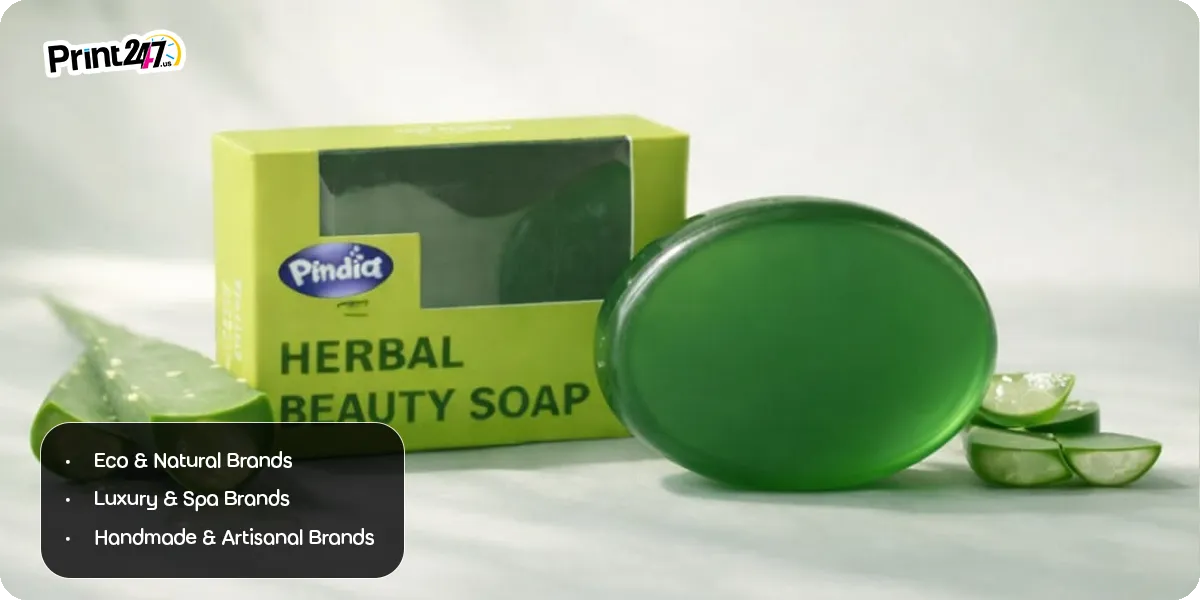
Various brands require diverse soap packaging ideas as per their business nature and theme. Below are some of the examples about some brand types and which soap packaging they are opting for.
Eco & Natural Brands
Kraft soap boxes with minimal printing.
Use earthy colors and recycled or biodegradable materials.
Highlight ingredients, “plastic-free,” and certifications clearly.
Luxury & Spa Brands
Rigid or two-piece custom soap boxes with soft‑touch coating.
Metallic foil, embossing, and subtle patterns.
Neutral or deep color schemes; less is more visually.
Handmade & Artisanal Brands
Holster soap boxes or window boxes to show the bar.
Hand-drawn illustrations or stamped logos.
Belly bands or wraps combined with simple boxes.
By aligning material, structure, and design choices with your brand personality, you turn boxes for soap into a strong branding asset.
Custom Soap Boxes for Different Soap Types
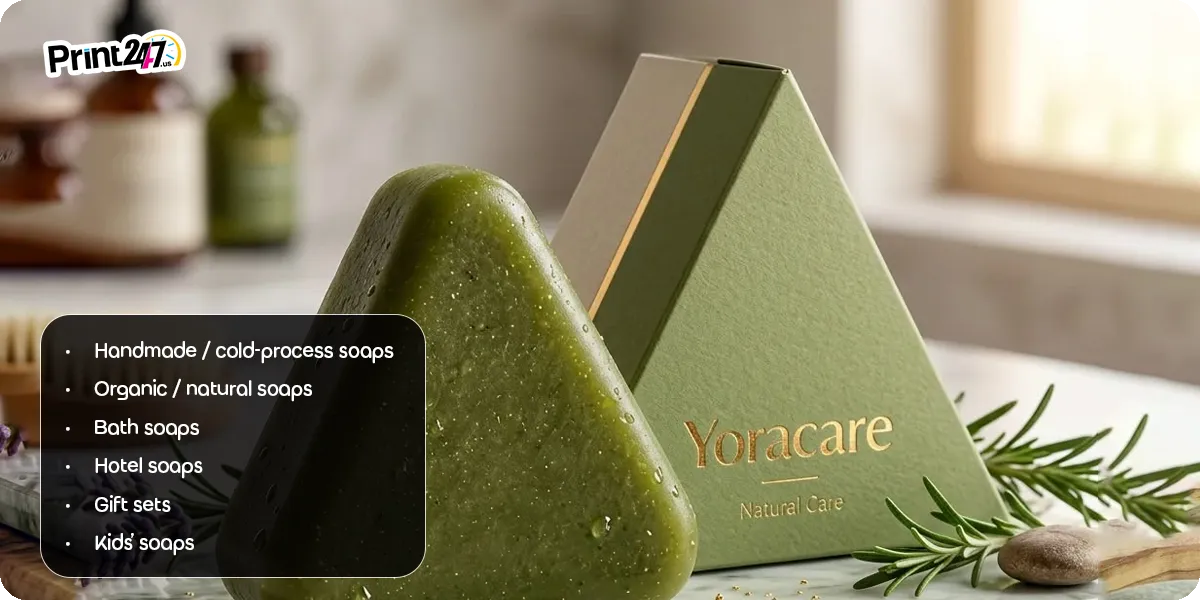
Not all soaps need the same packaging. Tailor custom soap packaging to the product type.
Handmade / cold-process soaps: Holster boxes, window boxes, or kraft tuck‑end boxes to showcase texture while protecting the bar.
Organic / natural soaps: Kraft soap boxes with minimal ink and clear ingredient listings to reinforce the natural message.
Bath soaps: Rigid boxes, two-piece boxes, or sleeve and tray sets with premium finishes.
Hotel soaps: Simple tuck‑end or pillow boxes, often with clean, minimal branding.
Gift sets: Multi‑soap rigid or two‑piece boxes with inserts to hold several bars or coordinating products.
Kids’ soaps: Bright, durable cartons with fun graphics and clear messaging for parents.
Matching box style to soap type and audience ensures both function and branding stay aligned.
How to Choose the Right Soap Boxes
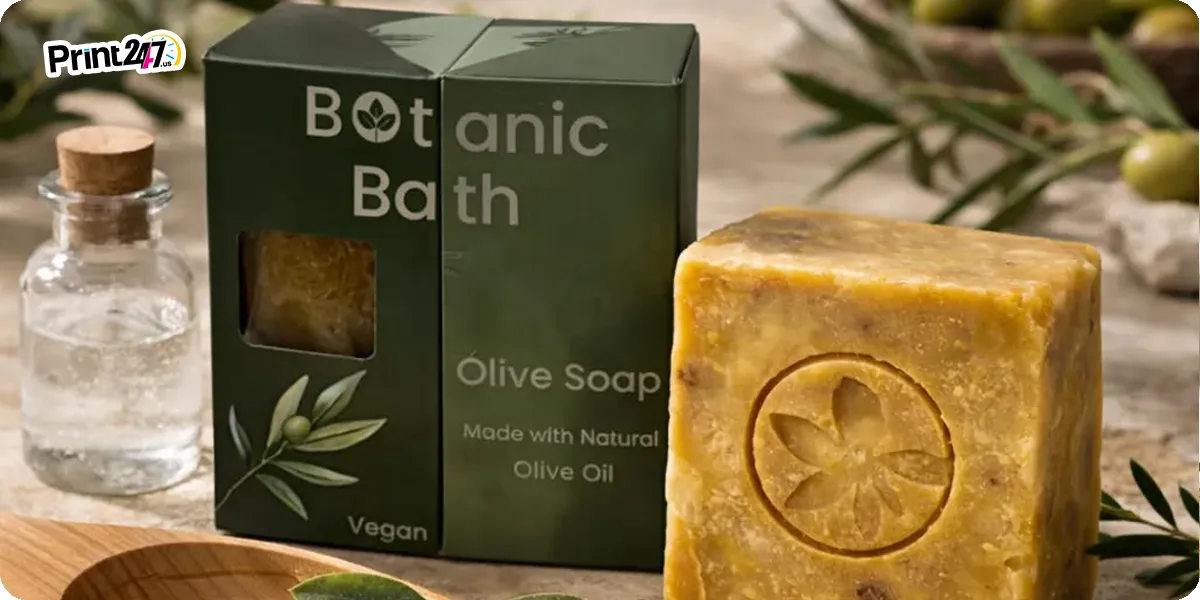
With so many options, here’s a simple way to choose soap boxes that fit your brand.
1. Look at your product.
Bar size, shape, and texture affect which structures work best.
Very decorative tops may need holster or window styles.
2. Clarify your sales channel.
Retail: focus on shelf presence and clear front-panel messaging.
Online: prioritize protection and unboxing experience.
3. Define your brand position.
Natural → kraft and minimal printing.
Luxury → rigid or premium coated cartons.
Handmade → combination of wraps, bands, and kraft or holster boxes.
4. Set sustainability priorities.
Use recyclable or biodegradable substrates where possible.
Highlight eco benefits on the box without greenwashing.
5. Consider budget and scale.
Simple tuck‑end boxes are cost‑effective and scalable.
Rigid and specialty boxes cost more but can support higher price points.
A good rule is to standardize a few core box sizes and styles across your soap line, then differentiate scents and ranges with printing, labels, and sleeves.
Why Custom Soap Boxes Help Businesses
Investing in custom soap boxes and custom soap packaging does more than make your products look nice.
It helps you:
Stand out on crowded shelves. Unique structures and strong designs catch the eye.
Build brand recognition. Consistent colors, logos, and layouts across different soaps make your brand easy to remember.
Tell your story. Packaging can communicate your origin, values, and key benefits in a few seconds.
Support premium pricing. Customers are more willing to pay higher prices when packaging signals quality and care.
Improve customer loyalty. Memorable packaging encourages repeat purchases and word‑of‑mouth.
For many soap makers, custom packaging is the bridge between “nice product at a craft fair” and “recognizable brand customers look for again.”
Final Thoughts
To make the best soap box packaging, you need to combine the right type of soap box with the material and design. Only by doing so can you leave a positive impact in the niche and attract customers with your brand in the long run.
At Print247, we help you in achieving any kind of look you want for your soap via soap packaging. From simple kraft tuck end boxes and holster soap boxes to luxury rigid gift set boxes, each style of boxes for soaps tells a slightly different story about your brand. And no matter what it is, we can cater to your every demand with utmost diligence and expertise.
Frequently Asked Questions
What is the best soap packaging for handmade soap?
For handmade soap, holster boxes, window boxes, tuck end boxes, or wrap-and-band packaging works best. These styles of soap boxes are ideal to protect the bar while still showing off its texture, color, and natural appearance.
Are kraft soap boxes good for branding?
Yes, kraft soap boxes are a good option for branding if your business focuses on organic and handmade soaps. Their natural brown gives a clean, authentic feel and pairs well with simple designs and minimal printing.
Which material is best for soap boxes?
The best material depends on your brand. Kraft paperboard is ideal for eco-friendly and handmade soaps, while white cardstock works well for bright, detailed printing. Rigid board is best for premium or gift soap packaging.
Get a Quick Quote

More Articles
 Bill ‘Hogg’ Ryan
Christmas Candy Box Ideas: Festive Designs That Drive Holiday Sales
 Bill ‘Hogg’ Ryan
How to Design Christmas Packaging With Your Brand Logo
 Bill ‘Hogg’ Ryan