


Carefully selected materials that deliver exceptional print quality, durability, and shelf presence.


 New





What Is Discreet Packaging and How Do Brands Ship Sensitive Products
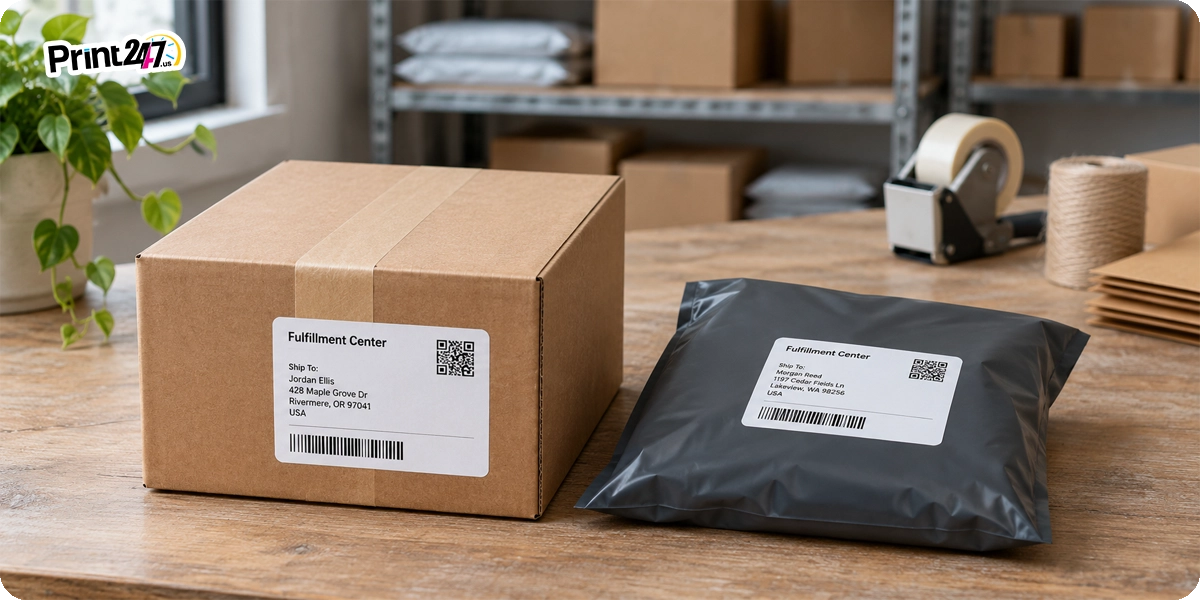
Discreet packaging is plain packaging that hides what is inside a parcel and who sent it. It uses an unprinted outer box or opaque mailer and a neutral return address. The packing slip can also contain no product information. Only the buyer knows the order.
Now let’s assume this perspective through another angle. Your customer orders a pregnancy test, a hair loss treatment or a set of lingerie. The parcel lands on the porch with your brand logo in big letters. And their roommate picks it up first. That one moment can turn a happy buyer into a refund request.
Discreet shipping fixes that problem. We have written this blog to help you learn about what discreet packaging means and which products need it. You will also learn how the shipping process works and how to set it up for your store.
What Is Discreet Packaging and Why It Matters to Your Customers
Discreet packaging is packaging that keeps both the product and the seller private from anyone who handles the parcel. That includes couriers, apartment front desks, neighbors and family members.
A discreetly packaged order looks like an ordinary delivery from the outside. There's no logo, no bright brand color and no tagline. The box could hold printer ink or a phone case. The truth can never be revealed, and that's the actual purpose of secretly packaged items.
Here's the part many brands miss.
Discreet packaging is a complete plan to deliver discreet products. It’s not just a plain box you grab off the shelf on a busy day. The plan includes the packaging, tape, label, slip inside, and even the name on the bank statement.
Every packaging supply has to stay discreet. Unbranded packaging alone doesn’t make an order private. For example, if the label says "Men's Health Kit," the plain box did nothing. The best discreet packaging works as a unified system where each part protects the next one.
What Is Discreet Shipping and How It Goes Beyond the Box
Discreet shipping is the complete way of getting an order to a customer without showing what's inside or who sold it. Discreet packaging is one part of this system. Other things include the sender's name, the shipping label, the packing slip, the billing line on the card statement, and tracking messages.
That's why smart brands make discreet shipping a promise rather than a box to check. A product landing page that states "Ships Discreetly" has to be backed up by all the steps from checkout to doorstep.
What Does Discreet Packaging Look Like From the Outside and Inside
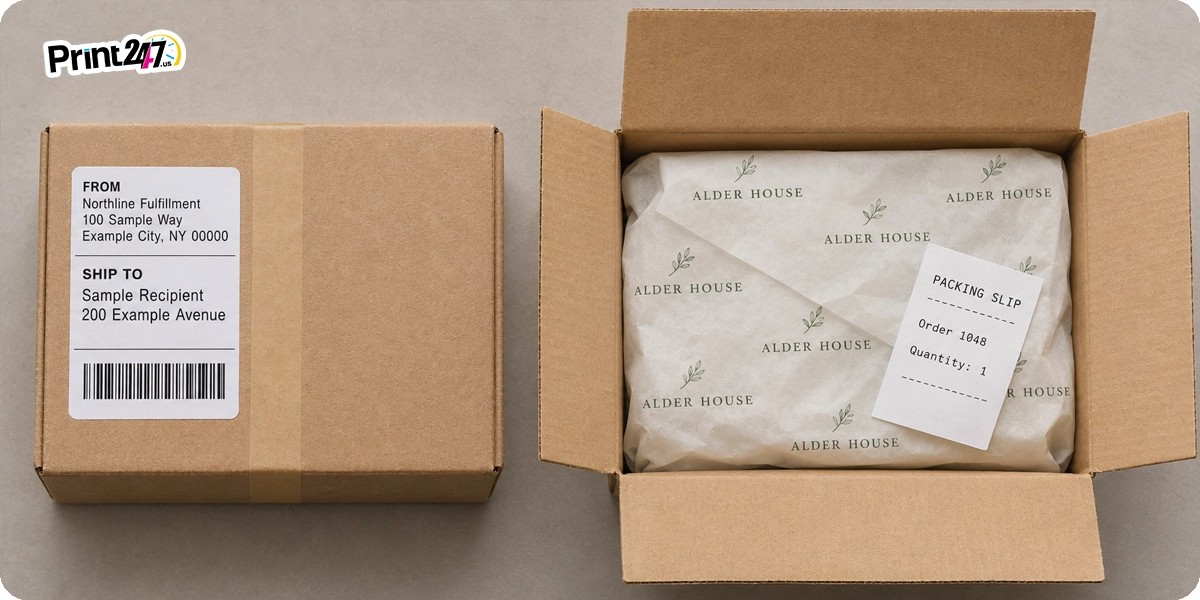
To be honest, a discreet package looks boring on purpose. Its purpose is not to build a distinguished brand identity like the customized packaging does for a brand.
A lot of brands focus on the box, but miss the small details. Even one failure in your shipping process will make your customer aware that the order is not truly private.
Use the five checks below to test your own packaging whether it is discreet or not.
A Plain Outer Box or Mailer That Hides the Product
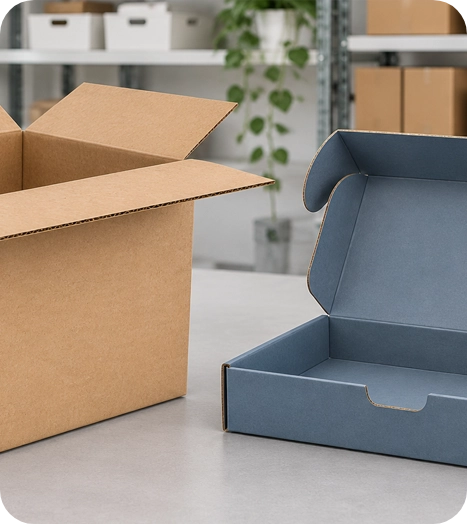
Good discreet packaging starts with a plain kraft mailer box, a white mailer box, a corrugated shipping box or an opaque poly mailer. A material's transparency matters more than most people think. A thin poly mailer can show a printed box through it under a porch light.
If you’re selling soft items, choose a poly mailer around 2.5 to 3 mil thick with a gray or black inner layer. For boxes, E flute corrugated makes a clean mailer that hides the shape of what's inside. Then remove your logo tape and replace it with plain tape.
A Neutral Return Address and Generic Sender Name
Shipping companies still expect a valid return address, so don't skip it. Just change the name on it. You can use your parent company name or a generic company name.
"RB Commerce LLC" says nothing. "Bold Men's Wellness Co." says everything. If your shipment is shipped from a third party warehouse then use a neutral warehouse name instead of your brand. The address stays real and the product stays private.
A Shipping Label With No Product Details on It
In a discreet packaging system, the shipping label should carry only information that is required by the carrier. Keep product names, SKU descriptions and category words off it. Several shipping apps add item names to the label by default. Therefore, you should check your settings. Blank product fields are exactly what you need.
A Discreet Packing Slip Inside the Box
The packing slip is the first thing someone sees when the box opens. The slip shouldn't tell the story if it is accidentally opened by a roommate or family member.
What the slip should show:
• Order number
• Short, neutral item names or codes, like "Item A, 30-count"
• Quantity and a support email
What the slip should hide:
• Full product names
• Medical or personal descriptions
• Brand taglines that give a hint about what the product is
Generic Billing Descriptors and Tracking Emails
Privacy doesn't stop at the box. The name on your customer's card statement is called a billing descriptor. It can expose a purchase as fast as a logo. Make it neutral with your payment processor.
Then check your tracking emails and texts, since many show the store name by default. Most brands miss this step. At home, it often leads to awkward questions. Good discreet shipping covers the inbox too.
Which Products Need Discreet Packaging the Most
Discreet packaging is necessary for any product that a customer wants to keep private. There are some sensitive products that are related to personal health. Other concerns are about safety, value, or privacy.
This is how to match the right packaging to each category.
Product category | Best outer pack | Best inner pack | Special need |
Telehealth and online pharmacy | Plain white mailer box | Printed inside sleeve or insert | Tamper evident seal |
Supplements and weight-loss products | Plain kraft mailer box | Custom bottle box or pouch | Tamper evident seal and moisture barrier |
Intimate apparel and shapewear | Opaque poly mailer | Branded tissue with a sticker seal | Light, flat and soft |
Hemp and CBD (where legal) | Plain corrugated mailer | High-barrier mylar pouches | Child-resistant, odor barrier |
Vape accessories | Plain mailer box | Fitted insert | Accessories only. Devices and e-liquids face carrier bans |
Fertility and pregnancy tests | Plain white mailer | Folding carton with insert | Crush protection |
Jewelry and high-value goods | Plain corrugated box | Rigid gift box | Tamper evident tape, Signature on delivery |
That last column of the above table holds a great importance. A high-barrier layer in mylar pouches holds in the odor that would otherwise hint at what’s inside. Supplements and gummies are kept away from little hands with a child resistant package. There are tamper evident seals that protect your order from being opened by anyone other than you.
How Does Discreet Shipping Work From Checkout to Doorstep
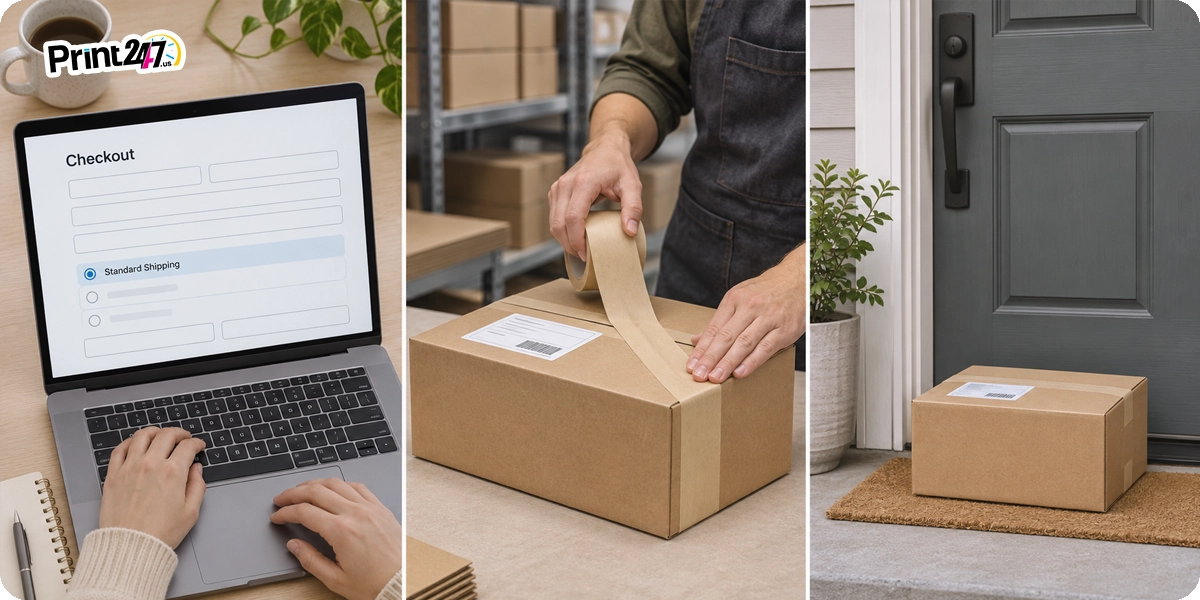
Discreet shipping goes through the same process as any other order. The difference is that every handoff is planned to stay quiet. Each person who touches the order should have no idea what's inside the package. They see only a plain box and an address.
From an online order to the packing station, here’s how discreet shipping works:
Checkout - If your brand is selling sensitive products then offer discreet shipping as a default. Default is safer as customers forget to tick boxes.
Order flag - Your system tags the order so the warehouse knows it needs a private packing.
Slip printing - Packaging slips contain neutral item names and no brand tagline.
Pack-out - The packer uses a plain mailer and plain tape.
Labeling - The label shows the generic sender name and no product details.
Carrier handoff - A parcel ships with the right service like signature confirmation when it is needed.
Put these rules in writing if you use a third party logistics company for fulfillment. It is helpful if every shift has a packing guide with photos that shows them exactly how to pack out.
Discreet Shipping vs Blind Shipping vs Stealth Packaging
Discreet shipping, blind shipping and stealth packaging, these three terms are often confused. However, each one conceals something different.
Method | What it hides | Who uses it | Common example |
Discreet shipping | The contents and usually the brand | DTC brands selling personal products | A telehealth brand shipping hair care in a plain mailer |
Blind shipping | The original supplier | Dropshippers, wholesalers and resellers | A supplier ships under the reseller's name with no supplier invoice |
Stealth packaging | Every clue, including shape and smell | Brands wanting the strictest no-clue pack | A plain box with no markings and a barrier pouch inside |
Discreet shipping is the best option for most DTC brands. The service protects your customers' privacy while keeping your business fully visible to carriers, which keeps everything transparent.
Pros and Cons of Discreet Packaging for Your Brand
Adopting plain packaging is a business decision. Discreet packaging brings real wins for your customers and your margins. This system also has a few limitations worth planning for before you switch.
Benefits for Your Customers and Your Bottom Line
Customer privacy: Customers are more relaxed when they know nobody else will see what they ordered.
Fewer complaints and refunds: Fewer awkward deliveries result in fewer "please cancel my order" emails.
Lower theft risk: A plain box doesn't look valuable. This thing makes it less appealing to porch pirates than a famous brand box.
More repeat orders: Customers who trust you are more likely to reorder and subscribe.
A selling point: "Ships in plain packaging" on your product page can push a hesitant buyer to check out.
Trade-Offs to Plan For Before You Go Plain
Lost doorstep brand recall: Neighbors won't see your logo. Fix it by moving your branding inside the box.
Less social sharing of the outer box: Fix it with an inside reveal worth filming.
Extra steps for packers: Fix it with a single page pack-out guide and a separate stack of plain stock.
Two box types to manage: Use the same plain mailer for every order, sensitive or not.
Common Discreet Packaging Mistakes That Expose Orders
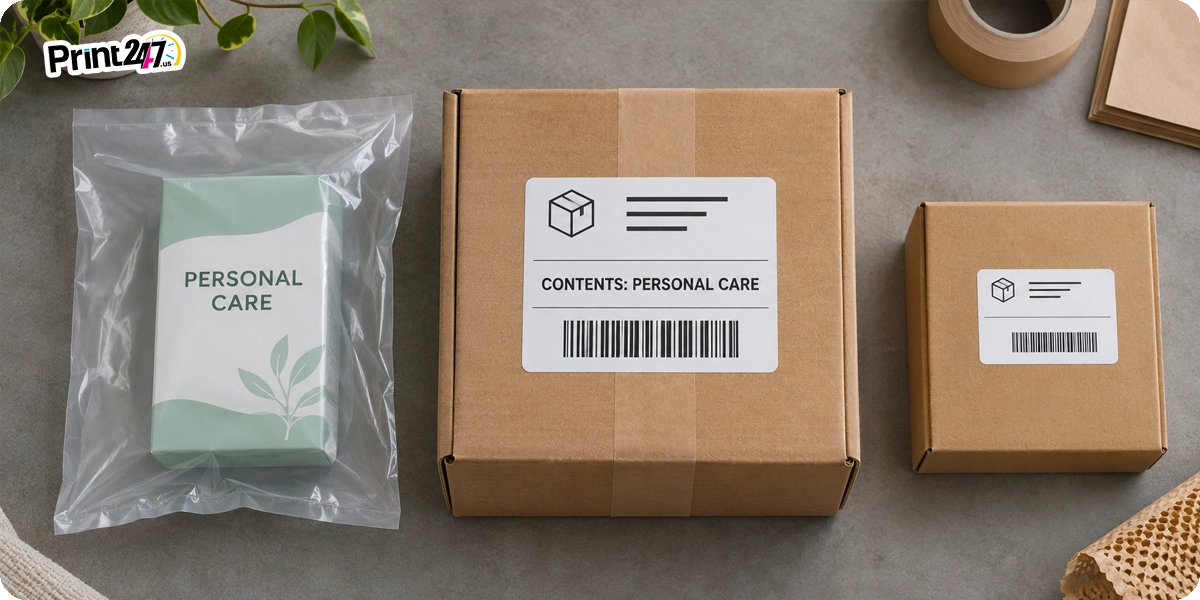
Small details cause most discreet packaging failures, not the box itself. We have listed the most common packaging mistakes we see most often, along with advice for fixing them.
Branded tape on a plain box - Switch to plain kraft or clear tape.
See-through poly mailers - Use opaque mailers with a gray or black inner layer.
Product names on the shipping label - Turn off item names in your shipping app.
The word "discreet" printed on the box - Leave it off. It only makes people curious.
Branded void fill peeking through gaps - Use plain fill and close every flap.
Branded tracking emails and texts - Change the sender name to your generic company name.
Loose return labels with your logo - Place them inside a closed envelope along with the packing slip.
Next Steps to Launch Discreet Shipping for Your Brand
After getting a huge amount of information, now you’re ready to roll out discreet packaging for your sensitive products. Here’s the checklist you can follow for this plan:
Choose an outer pack that hides the shape of your product and fits it well.
Use a generic company name for your return address.
Don't include product names on your shipping labels.
Use neutral item names on your packing slip.
Provide your payment processor with an updated billing descriptor.
Update the sender name on tracking emails and texts.
Create a one-page guide for your 3PL or packing team.
Make sure any product with a shipping limit is in compliance with the shipping rules.
Test the whole setup by shipping a sample order to yourself.
Your customers will open every order with confidence when you follow these steps right. The reason is that they know that your brand puts their privacy at the discreet packaging legal first priority. If you need plain mailer boxes, printed-inside boxes or high barrier mylar pouches then we are here for your help. Print247 makes all three with low minimums and ships them across the US.
FAQs
Does discreet packaging have your name on it?
No. You can use a generic or parent company name on the return address. The carrier needs a valid address, not your trading name.
Is discreet packaging legal?
Yes. Plain packaging remains fully legal for any merchandise allowed to ship. However, using unbranded boxes never bypasses carrier requirements or federal shipping regulations for restricted items.
What is the difference between discreet and blind shipping?
Discreet shipping hides what is inside the box and keeps the brand hidden. Blind shipping hides the original supplier by showing a reseller's name instead. There is one that protects the buyer's privacy, and another that protects their business relationship.
Can a discreet package still be branded?
Yes. Good discreet packaging keeps the outside plain and puts the branding inside. Custom inserts and thank-you cards still give a real unboxing moment.
Get a Quick Quote

More Articles
 Bill ‘Hogg’ Ryan
7 Vape Packaging Ideas That Make Your Brand Impossible to Overlook
 Bill ‘Hogg’ Ryan
What Is an RSC Box? RSC Boxes vs Die-Cut Boxes Explained
 Bill ‘Hogg’ Ryan