


Carefully selected materials that deliver exceptional print quality, durability, and shelf presence.


 New






















How Dimensional Weight Quietly Raises Your Shipping Bill
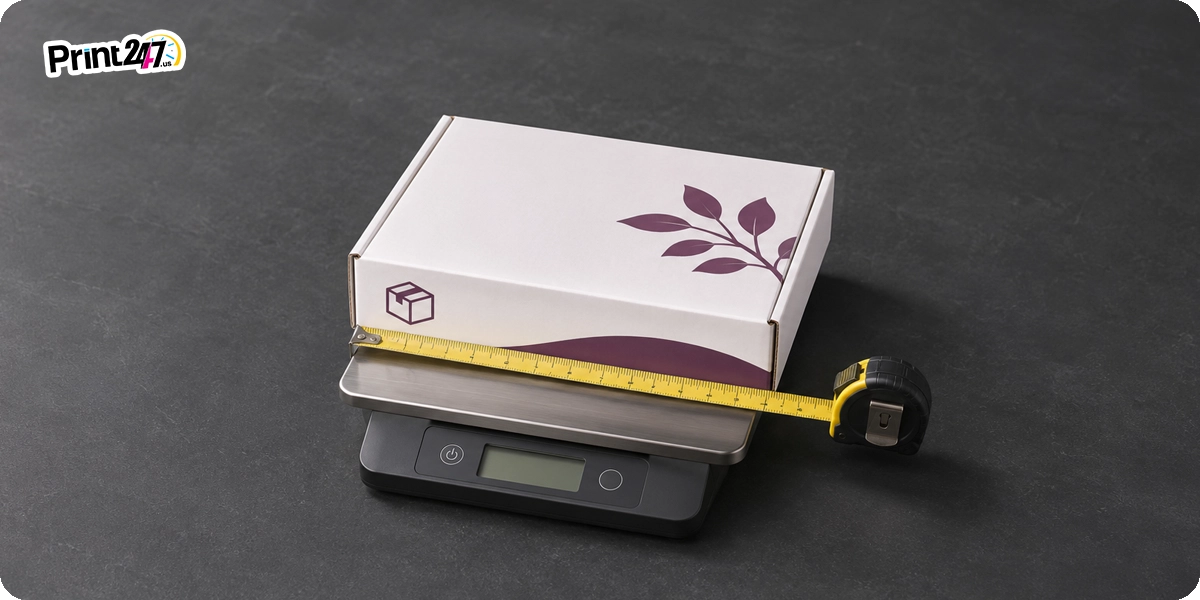
Shipping costs continue to grow, but the real problem isn’t always the heavier products. Carriers bill the greater of your parcel’s actual weight and its size. That second number is where the money goes.
It is important to understand dimensional weight, or DIM weight, before making a shipment to avoid any unpleasant surprises. DIM weight is a pricing technique where carriers charge based on a package’s size or its actual weight, whichever is higher.
UPS, FedEx, and USPS bill on dimensional weight. USPS applies it only above one cubic foot. This means an oversized box can cost more to ship than the product itself.
That means if your product weighs around 5 to 6 pounds and your shipping invoice says 15 pounds, nothing is wrong with the scale. Sometimes light products can cost as much to ship as heavy ones. Ship in a larger carton and the surcharges follow. The invoice shows the charges for shipping, but it rarely shows the cause. If you ship anything in a larger carton, dimensional weight becomes a hidden cost on your invoice. Carton size, board choice, and box design are all within your control.
In this guide, we will explain how dimensional weight pricing works and what changed in 2026. We will also show how right-sizing the packaging can reduce your billable weight and your shipping bill.
What Is Dimensional Weight?
Dimensional weight, or DIM weight, is a pricing method. It is used by shipping carriers to charge for a package depending on the amount of space it occupies in a truck or airplane. DIM weight compares two numbers:
Scale weight: This number shows what the package actually weighs
Dimensional weight: This number shows what the package is billed for based on the space it uses
Carriers charge for whichever of these numbers is higher.
How to Calculate Dimensional Weight
If you want to calculate the dimensional weight of a package, use the following official carrier formula:
DIM weight calculator:
Dimensional weight = Length × Width × Height ÷ DIM divisor
If the billable dimensional weight is higher than the actual scale weight, you pay for the DIM weight.
FedEx and UPS utilize a divisor of 139 for most domestic ground and air shipments. As of October 2026, UPS uses a divisor of 166 for retail rates.
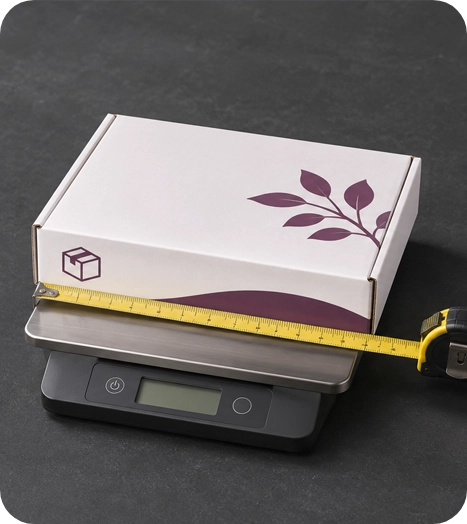
It is important to measure the exterior dimensions before calculating the billable weight. Measure the longest point of each side in inches, because the 139 divisor only works with inches and pounds. Round up any fractional sizes to the next whole inch as needed by the carriers. Let’s take an example to help you easily understand the dimensional weight of a carton.
Using a 14 × 12 × 10 inch carton:
14 × 12 × 10 = 1,680 cubic inches
Then:
1,680 ÷ 139 = 12.09 pounds
This means the DIM weight is approximately 12.09 pounds. If the actual product weighs around 5 pounds, the DIM weight is higher. You will have to pay 13 pounds. Carriers round any fraction up, so 12.09 lb bills as 13 lb. That number is what you’re actually paying for.
What Changed in 2026 for Dimensional Weight?
Three rules changed that make an oversized box cost more:
Rounding: UPS and FedEx round every side up to the next whole inch, and USPS started doing the same on July 12, 2026. This means a 12.2-inch side counts as 13.
Size surcharges: UPS and FedEx now add an additional handling fee above 10,368 cubic inches and a large package fee above 17,280 cubic inches.
USPS divisor: The DIM divisor drops from 166 to 139 for packages over one cubic foot, which raises billable weight.
Change | Carrier | Impact |
Fractional sizes rounded up to the next whole inch | UPS, FedEx, and USPS | Inflates cubic size and DIM weight before the divisor is applied |
Additional Handling Surcharge triggered above 10,368 cu in | UPS and FedEx | Size-based surcharge on bulky, light packages |
Large Package Surcharge (UPS) / Oversize Charge (FedEx) above 17,280 cu in | UPS and FedEx | Higher fee tier; also applies above 110 lb actual weight |
DIM divisor lowered from 166 to 139 | USPS | Higher billable weight on packages over 1 cubic foot |
It is important that you know small size errors now cost more than before. A box that is a little too big can raise the bill in two ways. That means a higher billable weight and a size surcharge on the same parcel. Therefore, check your current box sizes against these rules to avoid last-minute surprises.
How Packaging Size Controls Your Dimensional Weight
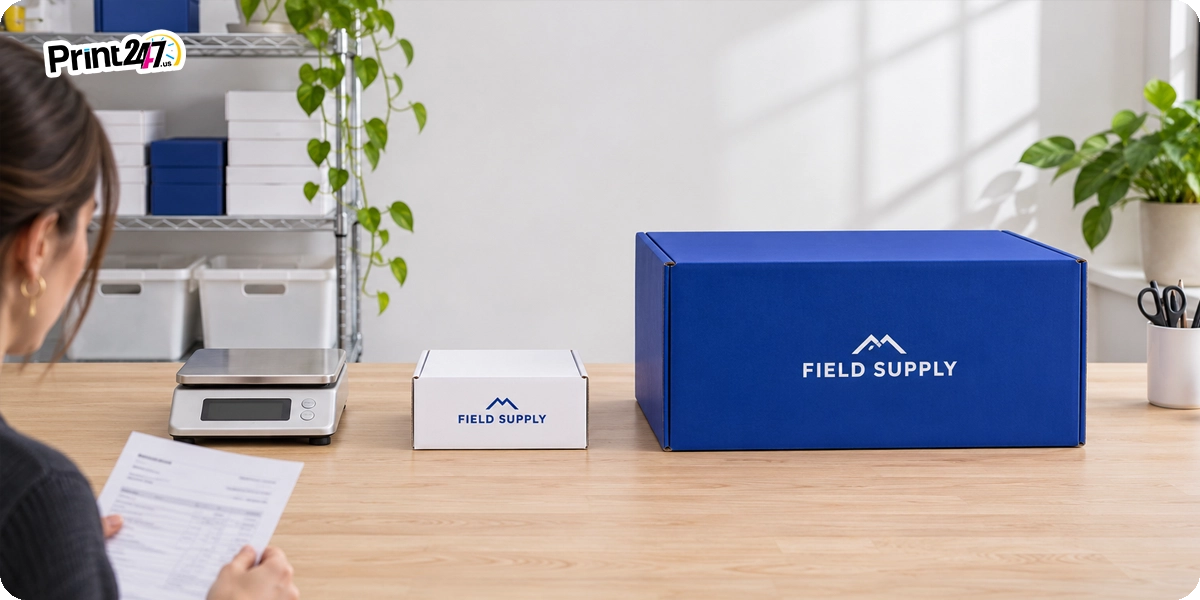
Carton size directly affects dimensional weight. It dictates the total volume (length × width × height) of the box. Carrier rules are out of your hands, but carton size, board, and design can be controlled by you.
Extra space in the carton directly raises the cubic volume used in the calculation. This raises the dimensional weight, which in turn raises the billable weight.
For light, bulky parcels, DIM weight sets the bill outright. This is why an oversized carton increases cost even though the product itself is the same as before.
Let’s look at the table below that gives an example of how an oversized and right-sized carton changes the billable weight:
Oversized carton | Right-sized carton | The Difference | |
Box Size | 16 × 14 × 12 inches | 14 × 12 × 10 inches | |
Cubic Inches | 2,688 | 1,680 | 1,008 cubic inches less |
DIM weight | 19.34 lb | 12.09 lb | |
Billable Weight | 20 lb | 13 lb | 7 lb less |
This shows how you can reduce costs by right-sizing your packaging. This helps you answer: What is billable weight?
Packaging Decisions That Reduce Shipping Costs
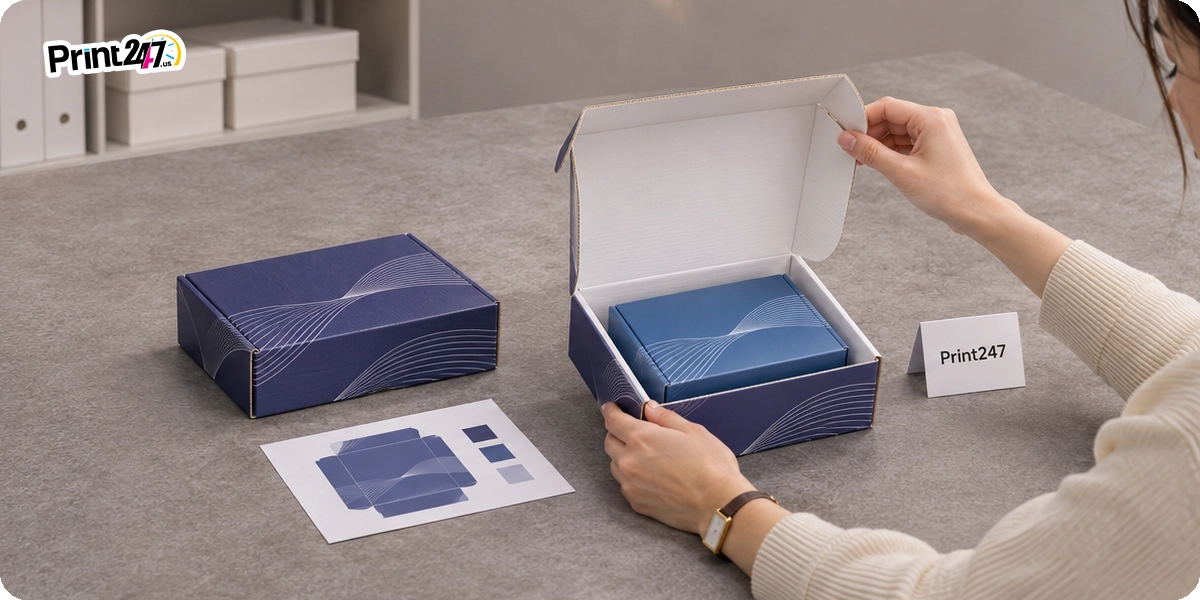
If you are looking for ways to reduce shipping costs through packaging, then you are in the right place. Here’s how to reduce dimensional weight pricing with specific packaging decisions:
Right-size the cartons to the product dimensions
Choose custom box sizing instead of standard one-size-fits-all cartons. Pick the smallest possible box that holds your product securely.
Reduce void fill and redesign inserts
Cut down on void fill and use boxes that remove empty volume. Use die-cut box inserts to hold the product securely in place using less space. This allows the outer box to shrink. Custom inserts and dividers also reduce unnecessary movement, which can lower product damage. That way, you can not only reduce shipping costs but also help your box arrive in good condition.
Choose the Right Board Thickness
As we already know, carriers measure the outside dimensions of a box; this means the board thickness can affect dimensional weight and shipping charges. Choose lightweight but strong corrugated mailers and printed shipper styles that keep products safe during shipping without adding extra volume.
Audit to Set Packaging Standards
Controlling DIM weight is a data problem. The best way to reduce dimension-based shipping costs is to define clear packaging standards based on:
Order profiles and cube distribution
Billed weight vs. expected weight
Damage rates by packaging method
Pack-out time and exception counts
These packaging standards allow you to predict shipping costs more accurately.
How to Order Right-Sized Custom Boxes from Print247
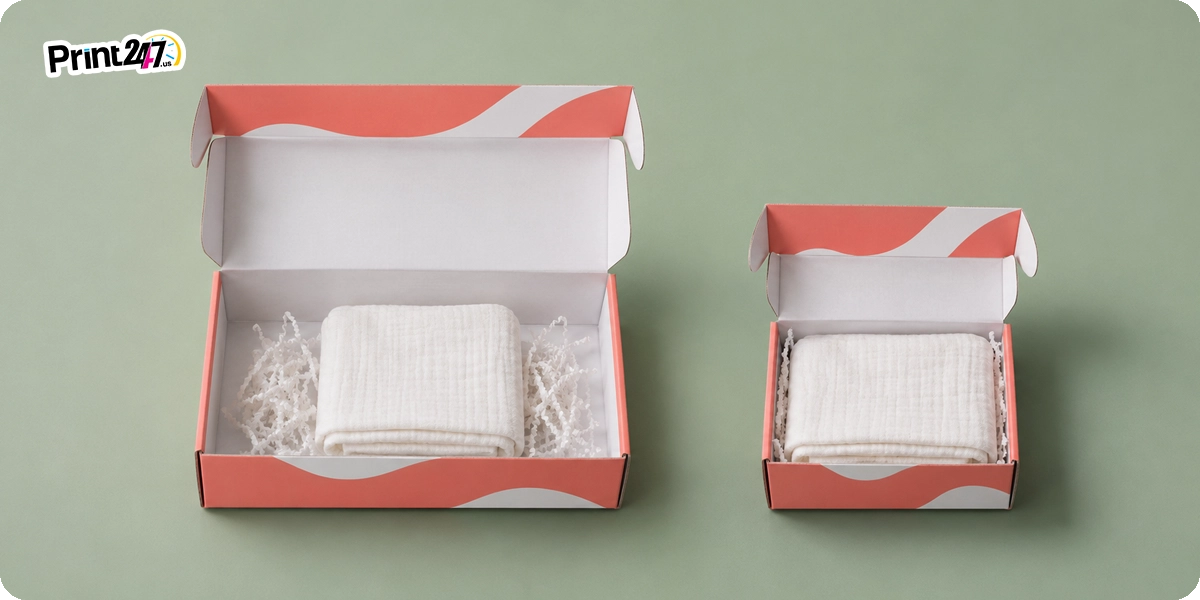
Print247 manufactures every box to your specific dimensions. We help you size your boxes to billable weight thresholds. Our custom box packaging can lower dimensional weight, which can decrease shipping charges.
Our dedicated packaging experts are available to help you throughout the manufacturing process. You need to send the following details to order a right-sized custom box:
The packed product dimensions and the weight for each SKU
Your current box size
Target outside dimensions to stay at or under a rounded threshold
Your box style preferences
Whether you need inserts or dividers to hold fragile products securely
Quantities per size
Once we have all the details, we will send you a quote with final pricing. You can also request digital proofs, 3D mockups, and a physical sample kit for proofing. Our standard turnaround time is 12 to 15 business days.
We provide free shipping on every order across the USA. Our manufacturing facility is based in Rosenberg, Texas. See how tariffs affect packaging cost on both imported and US-made boxes.
Final Thoughts
Overall, reducing dimensional weight starts with getting the right dimensions of the box. Dimensional weight is a clear example of paying for something you cannot see until the invoice arrives. Print247 helps shippers find and fix billable costs with boxes made to your exact dimensions.
Carriers bill for space, and rounding amplifies every small sizing mistake. An audit catches the charges; right-sizing prevents them.
The best ways to save on shipping costs are to:
Right-size the carton
Base carton selection on the exact dimensions
Verify what ships
Build a feedback loop
All these things help improve packaging standards over time. Reach out to Print247 to order packaging that fits your product and budget.
FAQs
How do carriers determine whether to charge for dimensional weight or the actual weight?
Carriers do not select one over the other. They calculate both weights and charge you whichever is higher.
What is a DIM divisor and why is it important?
A DIM divisor (dimensional weight divisor) is a number that is set by shipping and freight carriers. It converts a package’s volume into a billable weight. A smaller divisor gives the same box a higher dimensional weight, which is why it directly affects your bill.
How do I lower dimensional weight charges?
Right-size your packaging, lower void fill, and utilize box sizes that lower the billable weight. Check for DIM errors and review your carrier contract for dimensional weight terms to lower dimensional weight charges.
Is volumetric weight the same as dimensional weight?
Yes, they are the same thing. Both volumetric and dimensional weight describe the weight calculated from the box dimensions, which is used to get the billable weight.
Get a Quick Quote

More Articles
 Bill ‘Hogg’ Ryan
Pouch or Canister? Choose The Right Collagen Powder Packaging for Your Brand
 Bill ‘Hogg’ Ryan
10 Food Packaging Designs That Sell More in 2026
 Bill ‘Hogg’ Ryan