

Carefully selected materials that deliver exceptional print quality, durability, and shelf presence.


 New
New








How to Order Custom Boxes for the First Time? 8 Easy Steps
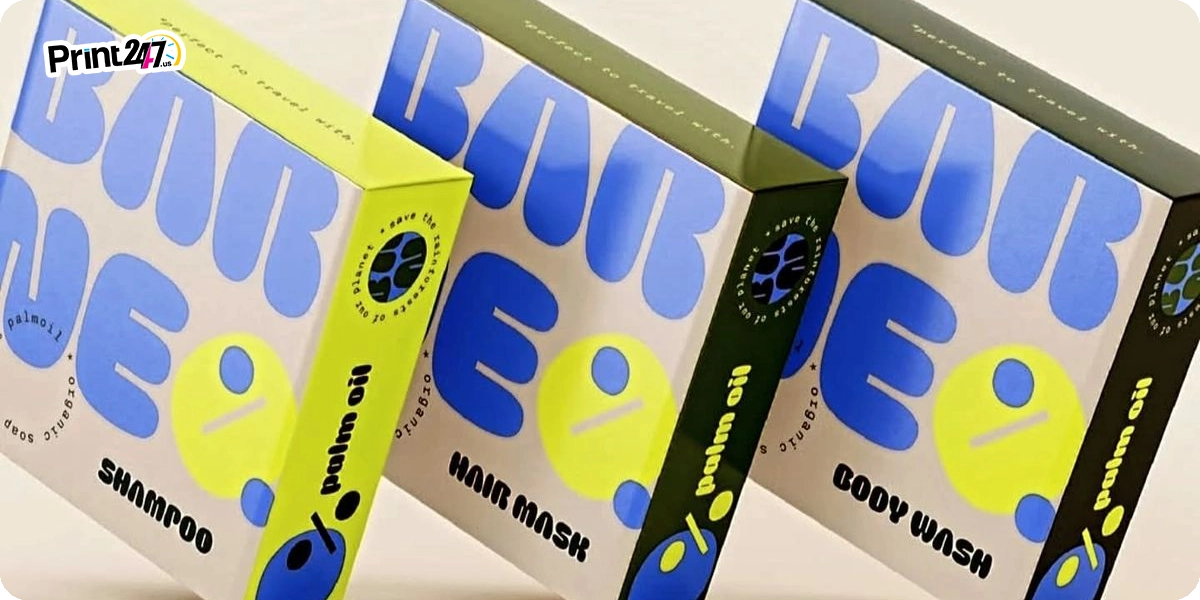
To order custom boxes for the first time, start by carefully measuring your product. After that, pick the right style and material. Then, add your brand design, request a quote, check a sample and place your final order.
Congratulations! You’ve reached the point where you need custom boxes for your precious products rather than generic boxes. It must have been an exciting journey filled with experiments and testing. Buying packaging for the first time can feel overwhelming. You stare at the new terms like “Dieline” and “GSM”.
The fear of making expensive mistakes is real when starting out. You don’t need a professional degree in manufacturing to get high quality product packaging. Just read this blog carefully in which we are going to guide you how a business owner can order custom boxes for the first time in 8 easy steps.
You will know exactly how to handle sizing, pick materials, set up your brand design, and confidently order product boxes. Leading packaging supplier Print247 offers the exact packaging your product needs without the headache.
A First-Timer's Custom Box Ordering Checklist
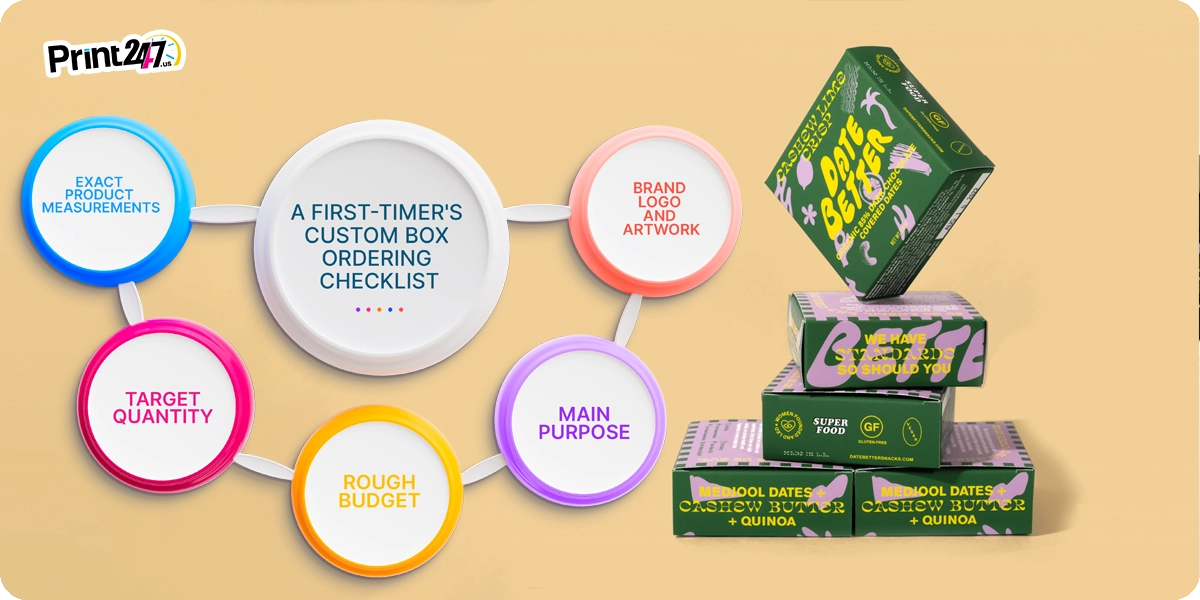
Save yourself endless communications via emails. Gather a few basic details before you contact a custom packaging supplier. The following five points make buying custom boxes for small businesses incredibly smooth.
Exact Product Measurements - Know the length, width, and height of the items going inside the box.
Brand Logo and Artwork - Keep your high-quality logo files ready. Vector files like PDF or AI work best for printing.
Target Quantity - Decide how many boxes you need right now. Knowing your range helps suppliers give accurate pricing.
Rough Budget - Have a general idea of what you can spend per box. This helps guide your material choices.
Main Purpose - Know exactly how you will use the packaging. Will it ship directly in the mail or sit on a retail shelf?
Step #1: Define Your Purpose And Use Case
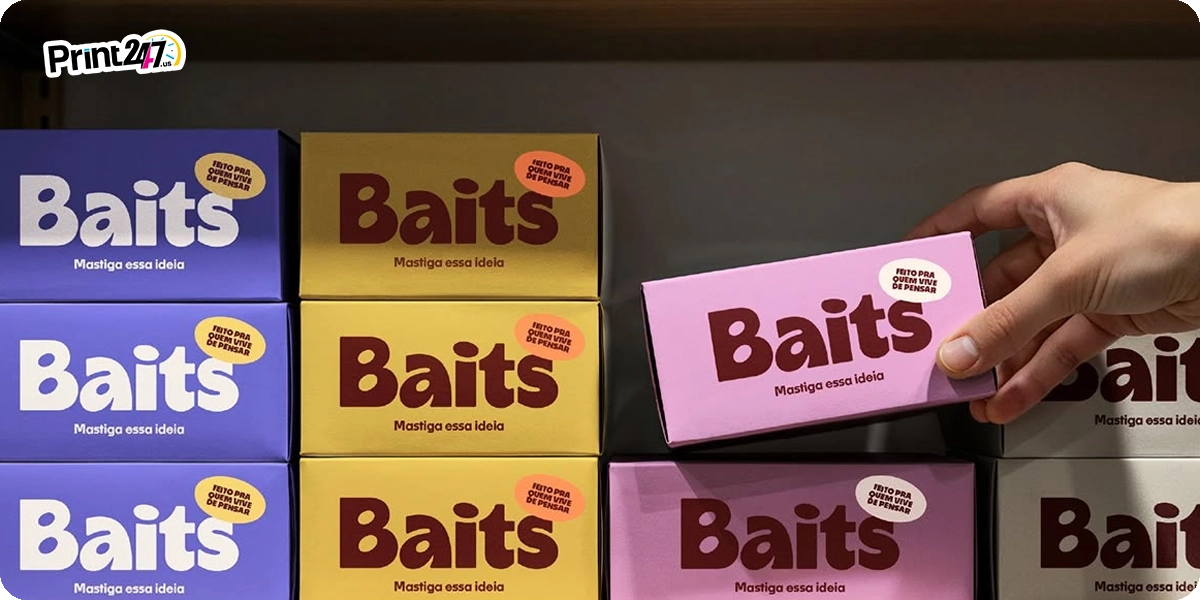
Figuring out how to order custom boxes starts with a simple question. What is the main job of this box and how will it function throughout its journey? It is the packaging purpose that determines every other choice including thickness and printing style. For example, a skincare brand that ships directly to buyers needs heavy protection for its products. A local brand selling soap in-store just needs a pretty box. Both have different custom box purposes and requirements.
Here is how you can use packaging for a brand after defining its purpose.
Direct shipping: Thick and durable materials are essential that survive the rough postal system.
Retail shelves: Bright colors and easy stacking options are essential here.
Gifting and PR: Add a premium feel and memorable unboxing experience in this packaging.
Subscription boxes: These boxes balance good presentation and shipping durability as they are rigid in nature.
The purpose of custom box packaging is to establish the legitimacy and premium quality of your small business. After defining the core purpose of your box, you can turn it from a protective container into a powerful marketing tool.
Step #2: Carefully Measuring Your Product to Avoid Mistakes
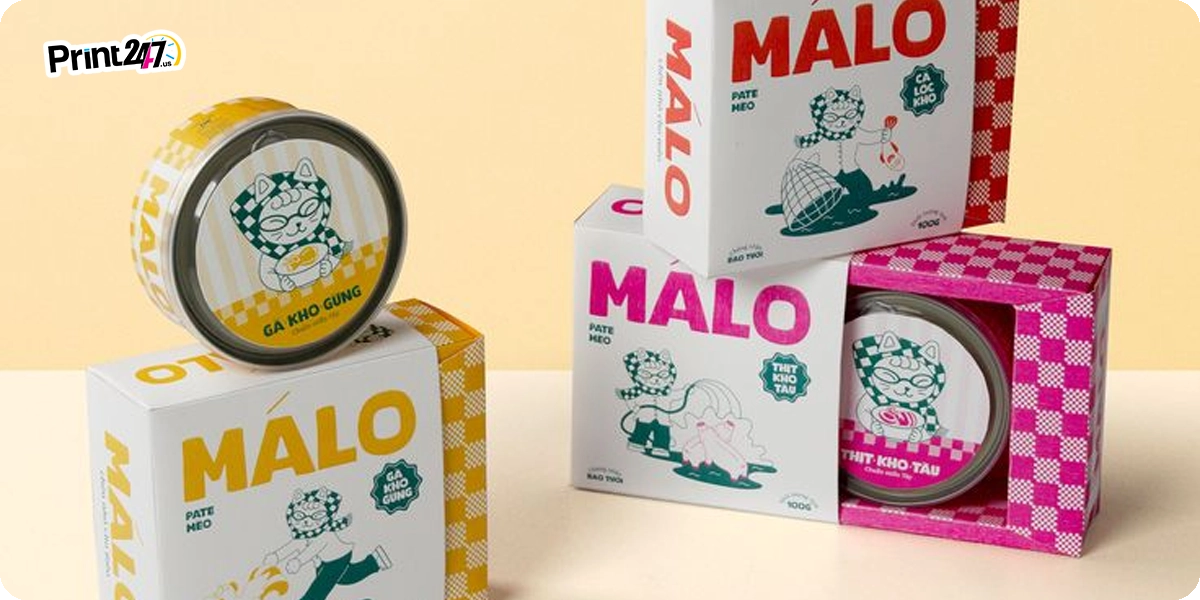
Most new business owners measure their product incorrectly and this is the number one mistake. When learning how to order custom boxes, always focus on the interior dimensions. The inside space dictates how well your product fits. When you measure a box from the outside, you will find that its thick cardboard takes up space and prevents your product from fitting inside. Products can get crushed or rattled in a box measured from the outside.
Here is how to get the exact custom box dimensions you need:
Measure the Length - Find the longest side of your product.
Measure the Width - Measure the shortest side of your product.
Measure the Depth - Measure your product carefully from the top to bottom.
Add Buffer Room - Do not make the box the exact same size as the item. A little extra space will allow you to slide the item in and out easily. Using bubble wrap or tissue paper will require extra space.
Use this simple sizing rule of thumb:
Box Size = Product Dimensions + 0.25 inches of clearance on all sides.
By getting it right from the start, you are saving yourself the money of getting boxes which do not fit. Make sure you supply the supplier with the inside dimensions.
Step #3: Choose the Right Box Style
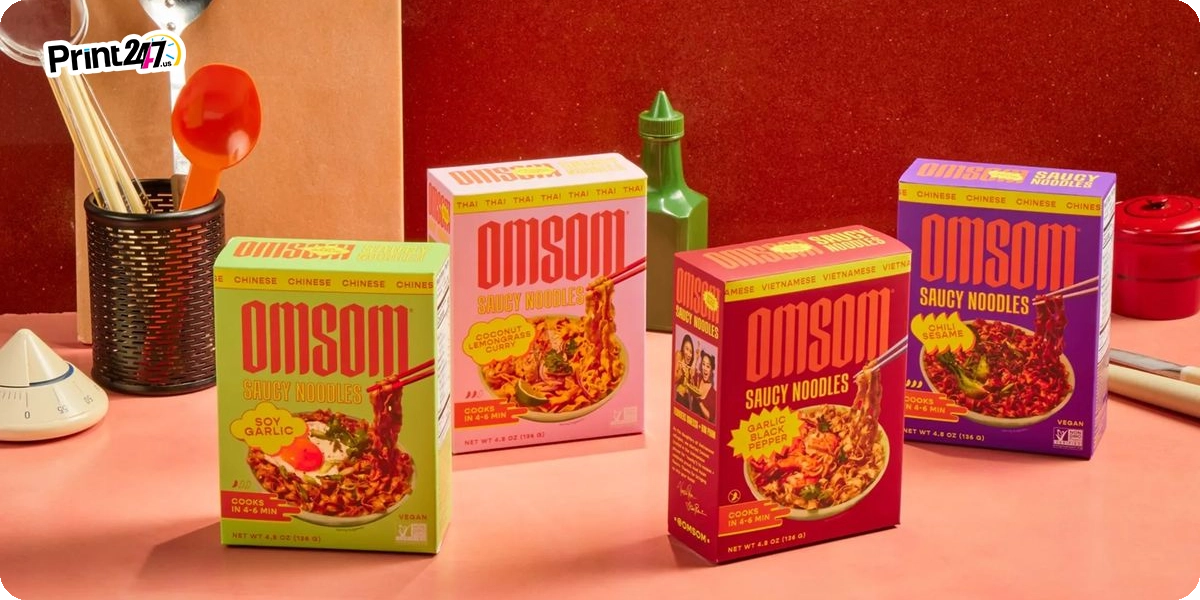
The style of packaging you pick depends entirely on your purpose.
When you browse packaging online, you will encounter dozens of industry terms like Regular Slotted Carton or Tuck Top Roll End. As you shop for your packaging needs online, you will come across many industry jargons, such as Regular Slotted Carton or Tuck Top Roll End. But do not get perplexed by these terminologies. Different custom box styles and folds serve different purposes.
Here are some styles that you should know before you order custom boxes for your brand.
Mailer Boxes
These boxes feature an attached lid that tucks neatly into the base. They offer a great unboxing experience and ship safely without extra tape. They are best for eCommerce brands, subscription boxes, and D2C gifting.
Custom Shipping Boxes
Also known as regular slotted containers, these have flaps that fold down and require tape to seal shut. They offer the highest level of durability for heavy or bulky items going through rough transit. They are best for frequent parcel shipping and moving large goods.
Retail Packaging
These are lightweight boxes made of thinner cardstock that fold easily. These retail boxes look crisp on store displays but cannot be sent through the mail by themselves. Typically, they are most suitable for in-store displays, cosmetics, and light shelf products.
Rigid Boxes
These premium rigid boxes are made of very thick board and never fold flat. Although they are more costly, they convey a feeling of luxury when used on expensive items. A fantastic choice for retail positions in high-end electronics, jewelry, and prestige goods.
Box Style Comparison Table for Quick Reference
Use this simple chart to compare options before requesting custom boxes wholesale quotes.
Box Style | Best For | Protection Level | Branding Impact | Relative Cost |
Mailer Boxes | E-commerce, DTC Brands, Subscription Boxes | High | Excellent | Medium |
Shipping Boxes | Heavy Products, Bulk Orders, Long-Distance Shipping | Very High | Good | Low |
Retail Boxes | Store Shelves, Point-of-Sale Displays | Low | Excellent | Low |
Rigid Boxes | Luxury Products, Premium Gifts, High End Retail | High | Premium | High |
Step #4: Pick Your Packaging Material & Thickness
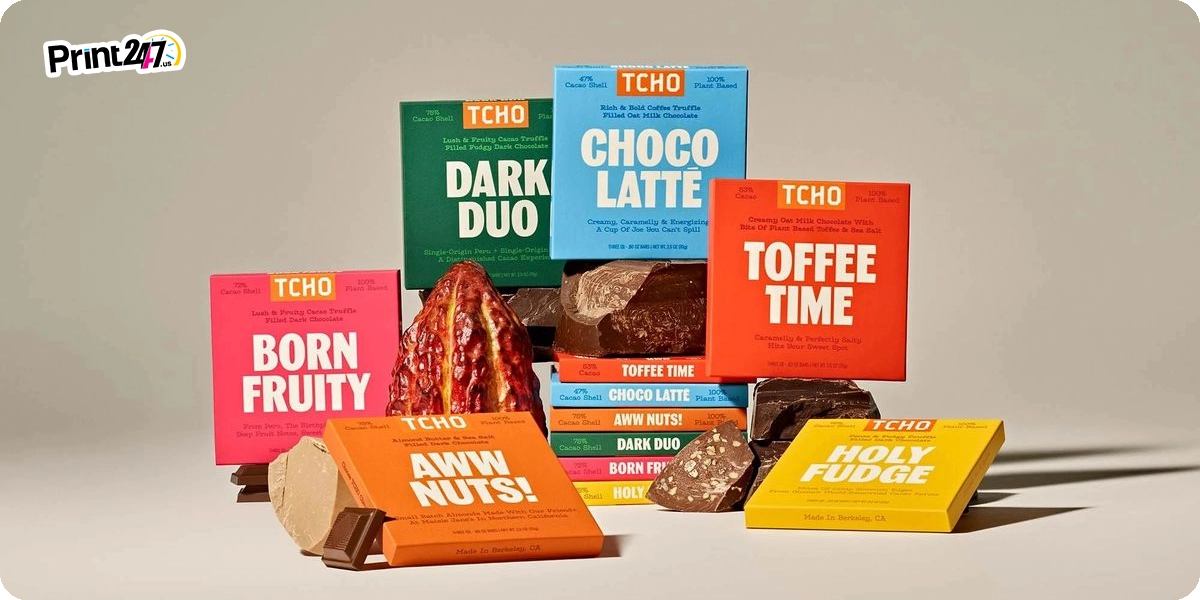
When looking for custom packaging boxes online, choosing a material can be confusing. You will often see the term "GSM" on supplier websites. GSM just represents grams per square meter. Consider it like paper weight. With an increase in the GSM value, the thickness of the cardboard also becomes thicker. The paper with less GSM is thin and flexible.
Here are the main materials you will choose from:
Corrugated Cardboard - This material has a wavy layer of paper sandwiched between two flat layers. It provides maximum strength for shipping items in the mail.
Paperboard - This is thin material that prints beautifully. It works perfectly for retail products packaging but tears easily if mailed alone.
Kraft - It is also known as brown or recycled paper material. Kraft paper provides an eco-friendly, rustic brown look that customers love.
Rigid Chipboard - This is a thick and dense material wrapped in printed paper. You can feel its weight in your hands and it is heavy and luxurious.
If you ship items, always pick corrugated material. If you sell in stores, paperboard is your best friend.
Step #5: Design Your Box & Add Branding
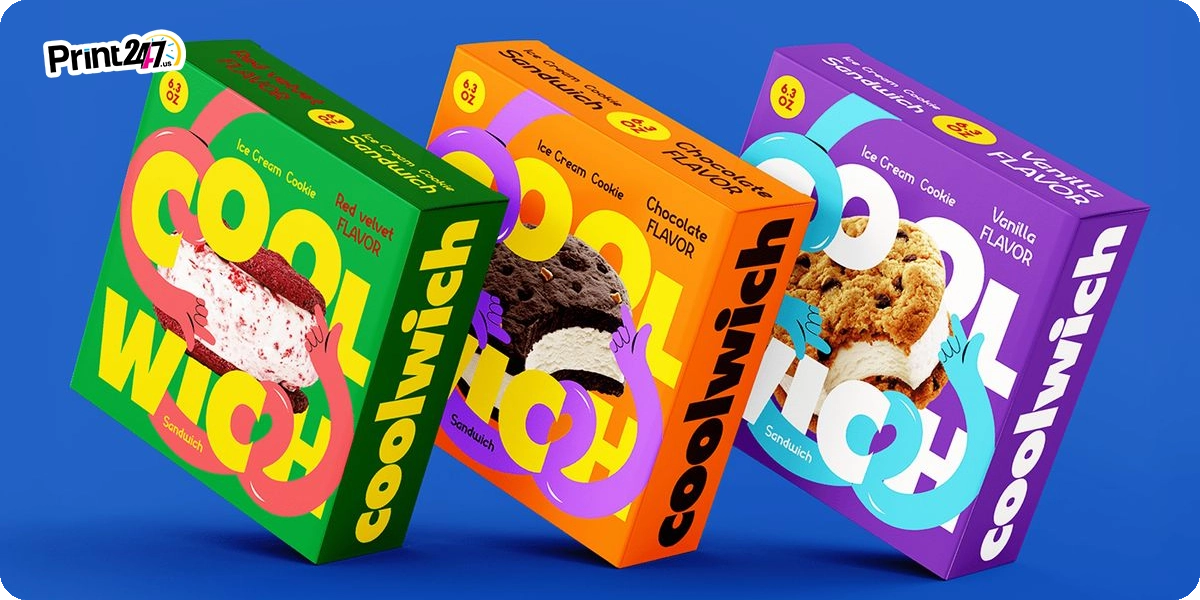
When you learn how to design custom boxes for your brand, you will hear the word dieline. A dieline is simply the flat template of your product box. It shows when and where the cuts and folds will happen. It is not necessary for you to handle this on your own since it is a technical process. An industry leader in packaging manufacturing, Print247, provides you with this template whenever you place an order for custom boxes with them.
After setting up your artwork and logo for printing, you can choose some optional finishes that will make your packaging stand out. These renowned packaging finishes add a unique charm to your overall branding.
Matte or Gloss Lamination: It is a thin film applied over the print. Matte feels smooth and reduces glare. Gloss makes colors pop and adds a shiny reflection.
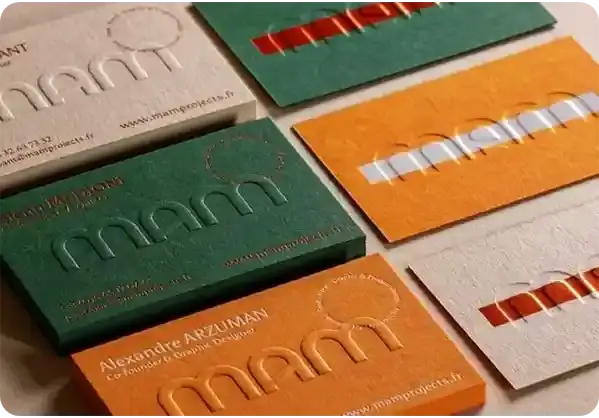
Foil Stamping: This finishing adds a metallic gold or copper shine to your logo. It costs a bit more but looks incredibly premium.
Embossing: It assists to give your logo a prominence by lifting it off the surface of the cardboard so that it can be felt.
Spot UV: This gives a glossy and shiny effect only to certain parts of your design. You can try it on your brand name.
Please bear in mind that these are just additional features. Even a plain print on an ordinary box will look professional and elegant.
Step #6: Understand Pricing and Get a Clear Quote
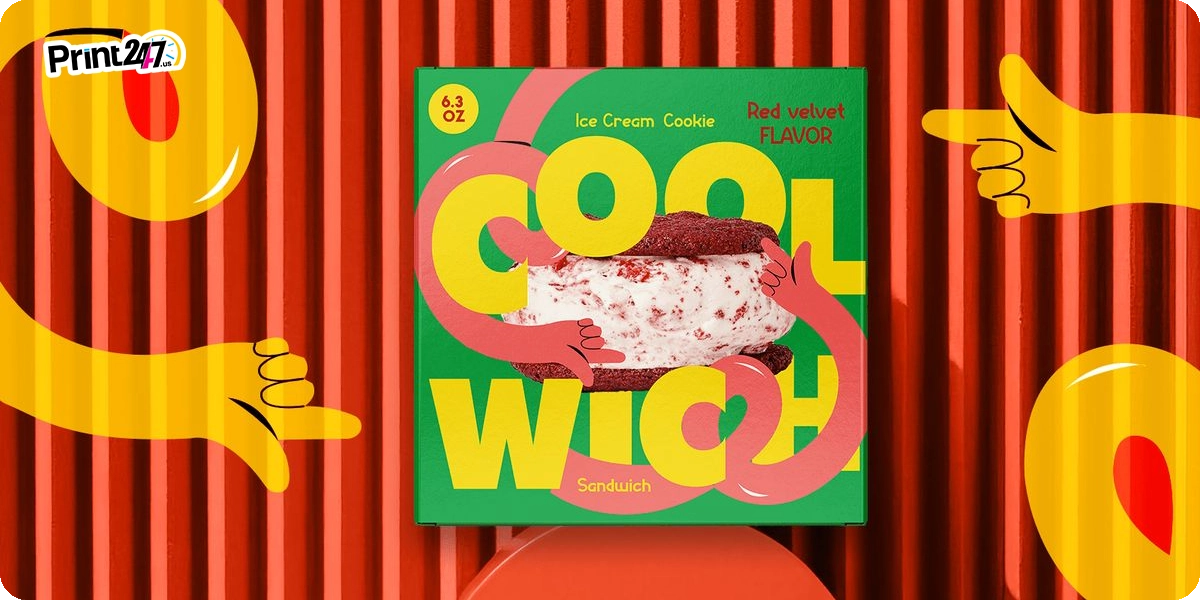
Getting a custom box quote is straightforward once you know what changes the price. There are some main factors that control exactly how much you will pay. You can manage your budget more effectively when you understand these factors when you buy custom boxes wholesale.
Cost Factor | How It Affects Pricing |
Material Type | Premium materials, thicker paperboard, corrugated stock, and specialty substrates increase the overall production cost. |
Box Dimensions | Larger boxes consume more material and require higher shipping and manufacturing costs. |
Box Style & Structure | Custom die-cuts, inserts, magnetic closures, and complex folding designs increase production expenses. |
Printing Coverage | Full-color printing on both the interior and exterior costs more than exterior-only printing. |
Order Quantity (MOQ) | Higher order volumes reduce the cost per unit through economies of scale. |
Printing Method | Offset printing is more affordable for large runs, while digital printing is better for smaller quantities. |
Finishes & Coatings | Soft touch, matte, gloss, foil stamping, embossing, debossing, and Spot UV add to the final price. |
Custom Inserts | Foam, cardboard, molded pulp, or EVA inserts increase material and assembly costs. |
Special Features | Windows, handles, perforations, tear strips, and custom closures require additional manufacturing processes. |
Shipping And Delivery | Rush production, expedited shipping, and international delivery can significantly impact the total cost. |
Questions should always be asked to your packaging supplier before any misunderstandings occur. Here are some questions you may consider when talking with sales representatives:
Are there any setup fees or cutting die charges?
Do you charge extra fees for rush production?
Are shipping costs included in this quote?
Do I pay a penalty fee for ordering a low quantity?
Print247 offers completely clear pricing. We guarantee that you are informed of every single cost before agreeing to anything.
Step #7: Approve a Sample or Proof Before Full Production
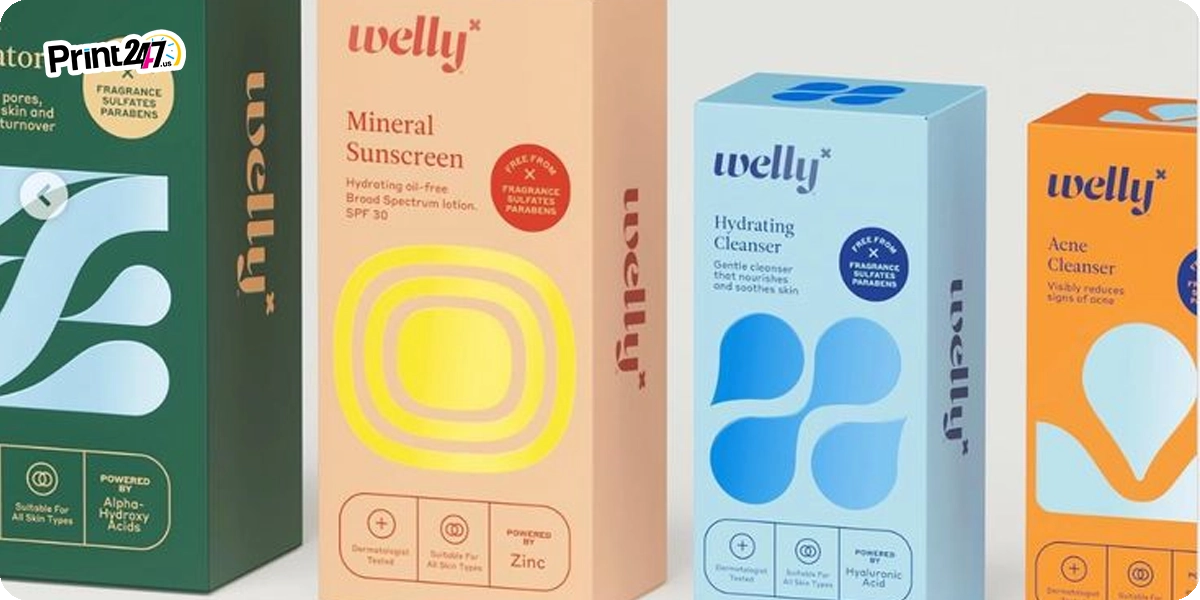
Never skip the approval phase when figuring out how to order custom printed boxes. Before a factory prints a thousand boxes, they send you a proof. It may be a digital 3D model on your computer or a physical sample mailed to your address. If you review this proof, you will be protected from making huge errors.
Look very closely at the color accuracy to ensure it matches your brand. Check the sizing to confirm your product fits perfectly inside. Make sure all text and logos line up correctly on the panels. Catching a typo or a sizing error during the proof stage is free of charge to fix. Catching an error after a full production run means you have to pay for a complete reprint. Taking an extra day to approve a sample guarantees you get exactly what you want.
Step #8: Confirm Quantity, Turnaround Time, and Place Your Order
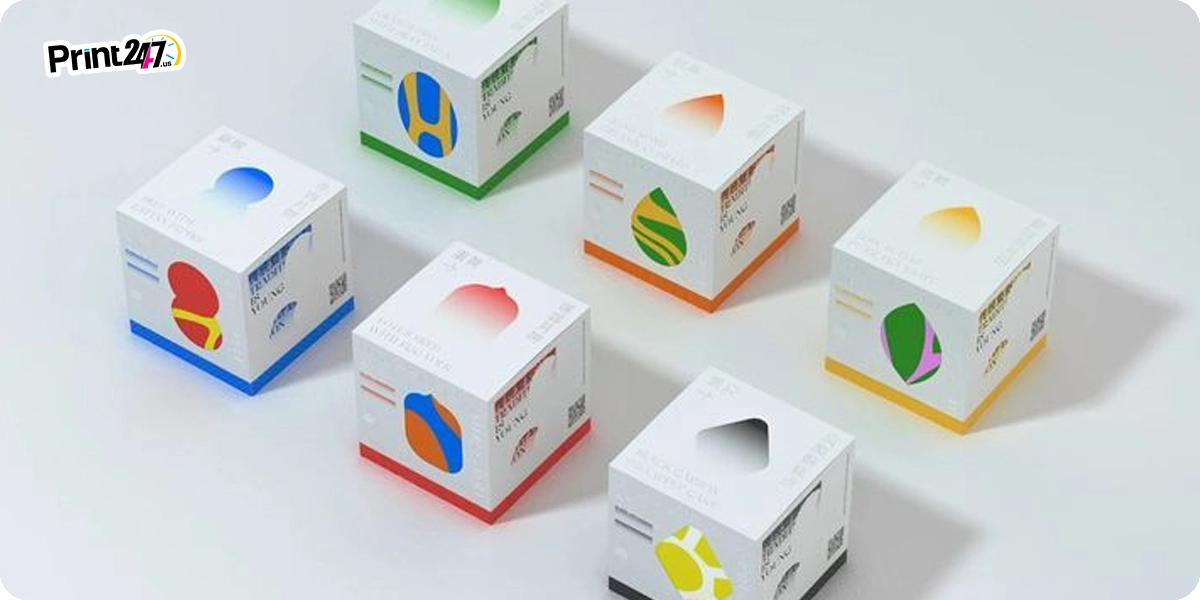
The final step is locking in your numbers and timelines. You should choose an order quantity that corresponds to your actual sales volume. Buying ten thousand boxes to get a cheap unit price is a bad idea if you only sell fifty items a month.
When you order custom boxes, pay attention to the Minimum Order Quantity.
Small Business MOQs - Most suppliers now offer low order minimums, sometimes as low as 1000 boxes. It makes them perfect for small businesses trying out new custom box designs.
Production Time - Custom packaging takes time to manufacture. Check for reasonable turnaround timelines. It usually requires two to three weeks for most orders to print and ship.
Placing the Order - Once you confirm your artwork, quantity, and timeline, you sign off and pay.
Some business owners wait until they run out of current supplies. This is not a good practice. Do not forget to give yourself a buffer of a few extra weeks in case shipping delays happen.
Final Thoughts on Ordering Custom Boxes with Total Confidence
So you have learned about how to order custom boxes. This whole process feels incredibly rewarding once you take the first step. All you need to do is measure your item, choose a sturdy material, select a style, and add your brand artwork. Make sure your pricing is correct and finalize your order.
There is no need for special design skills or factory knowledge to succeed. You will be able to find the perfect fit for your product if you follow this eight step roadmap. Customers love great packages because they protect their items and make them feel special. Feel free to contact Print247 today, and we will help you through your first order.
Now you are completely ready to order boxes that will make your business distinguish itself from the competition.
Get a Quick Quote

More Articles
 Bill ‘Hogg’ Ryan
How to Choose Sock Packaging for Peg Display vs Shelf Presentation
 Bill ‘Hogg’ Ryan
Why Triangle Mailing Tubes Are a Cost-Effective Alternative to Custom Boxes
 Bill ‘Hogg’ Ryan