

Carefully selected materials that deliver exceptional print quality, durability, and shelf presence.


 New
New
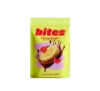
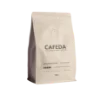
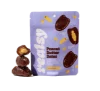

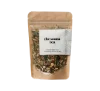





What Is Sachet Packaging? Types, Materials & Uses (2026 Guide)
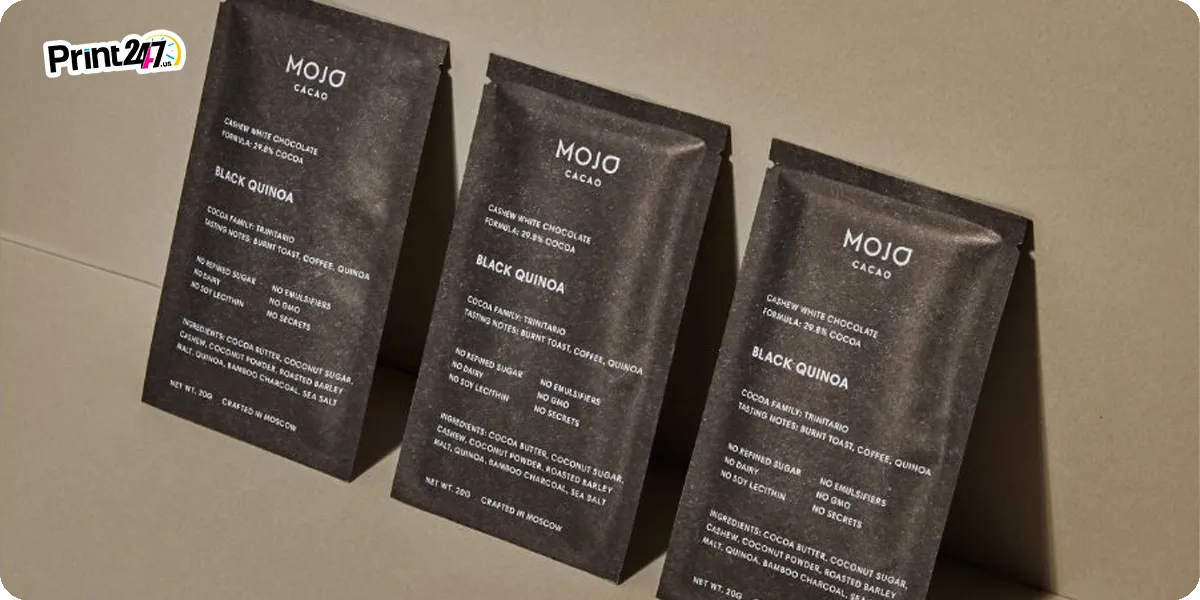
Sachet packaging is a small but well sealed pouch purely designed for single use products. Brands use them to pack powders, liquids, shampoos, serums and many other products. It benefits both brands and customers in multiple ways.
We see sachet packaging every day as small ketchup packets or sample face creams. The demand for this type of packaging is rising due to adoption of single serve items. The reason is that modern shoppers require flexible solutions that adapt instantly to their schedules.
Buyers want grab and go convenience and brands want an easy way to hand out trials. Custom sachet packaging reduces materials costs by 40% and attracts budget conscious buyers. This comprehensive blog guides you through everything you need to know about this handy packaging. We’ll discuss materials, types and which industries use them most in 2026.
Let’s break this single-use packaging option for brands.
What Is Sachet Packaging?
Sachet packaging is a thin and slim pouch that contains a single serving of a product. Manufacturers seal these packets on three or four sides. This protects the products from humidity and light. They are a top choice for liquids and capsules. Brands use this packaging solution to solve critical operational and marketing challenges.
How do they differ from other formats?
A sachet is flat and sealed flat around the edges. Meanwhile, a stick pack is long and tube shaped. Pouches are usually larger and often resealable. Sachets give you a fast and one time use option. The format saves shelf space in stores. Additionally, it keeps your product fresh until the customer opens it.
What Do Americans Call a Sachet?
If you ask an American supplier for a "sachet," they might pause. Americans usually call them packets. You might also hear the terms single-serve pouch or sample pack. This naming confusion happens often when new buyers talk to factories. A ketchup packet is technically a sachet. A tiny tear-off pouch of shampoo is also a sachet.
When sourcing your packaging, these terms get mixed up. You can use them interchangeably during your ordering process. The most important thing is to know exactly what you want. Make sure your custom packaging supplier knows you want single serve packets that are flat. This makes sure you get the right quote. Clear communication prevents costly mistakes on your first order.
4 Important Types of Sachet Packaging
Blind choices in packaging ruin product launches and brand reputations. Picking the wrong sachet packaging format for your product line risks chemical degradation and messy leaks. This is the reason that understanding specialized sachet types ensures perfect shelf stability and successful product delivery.
You can group each type of single serve sachet packaging based on how they are built and how they seal. The sealing method changes the shape and durability of the final product. Different products require different shapes and levels of protection to stay fresh. Liquids need a different seal than dry items.
Let us look at the main types of sachet packaging available for your brand today.
3 Side Seal Sachets
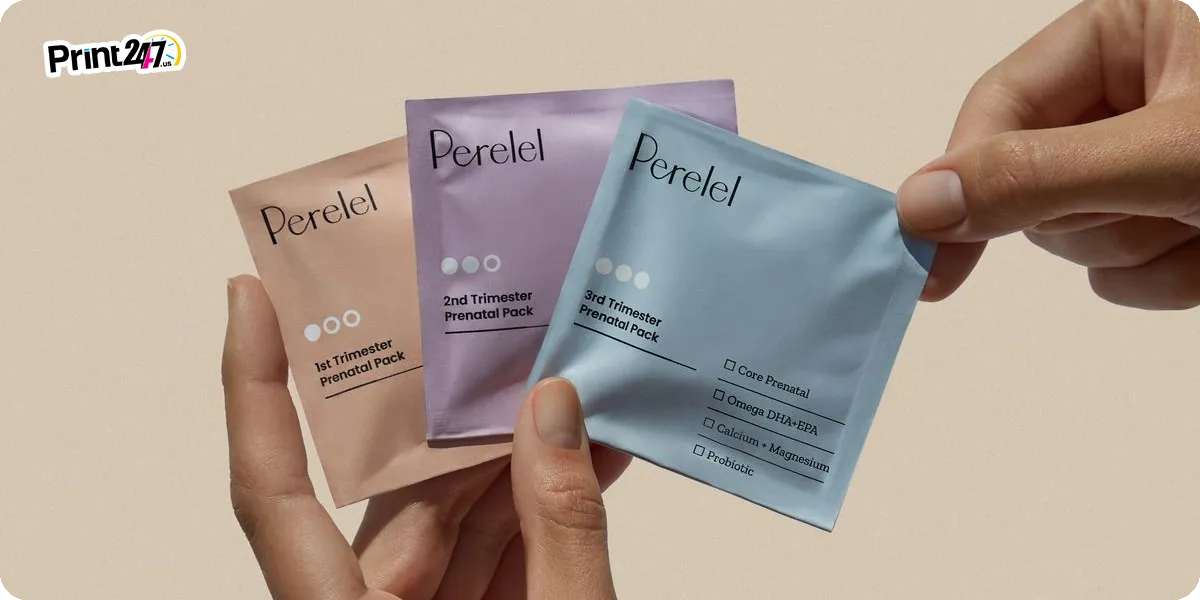
A 3 side seal sachet is exactly what it sounds like. The machine folds a single piece of material and seals it on three edges. One side remains folded. This is a very common entry-level format. It is fast to produce and affordable for large runs. You see these often used for dry goods like sugar packets or small promotional giveaways. If you need a cheap way to pack simple powders, this is a great start. It uses less material overall. That makes it a smart choice for tight budgets.
4-Side Seal Sachets
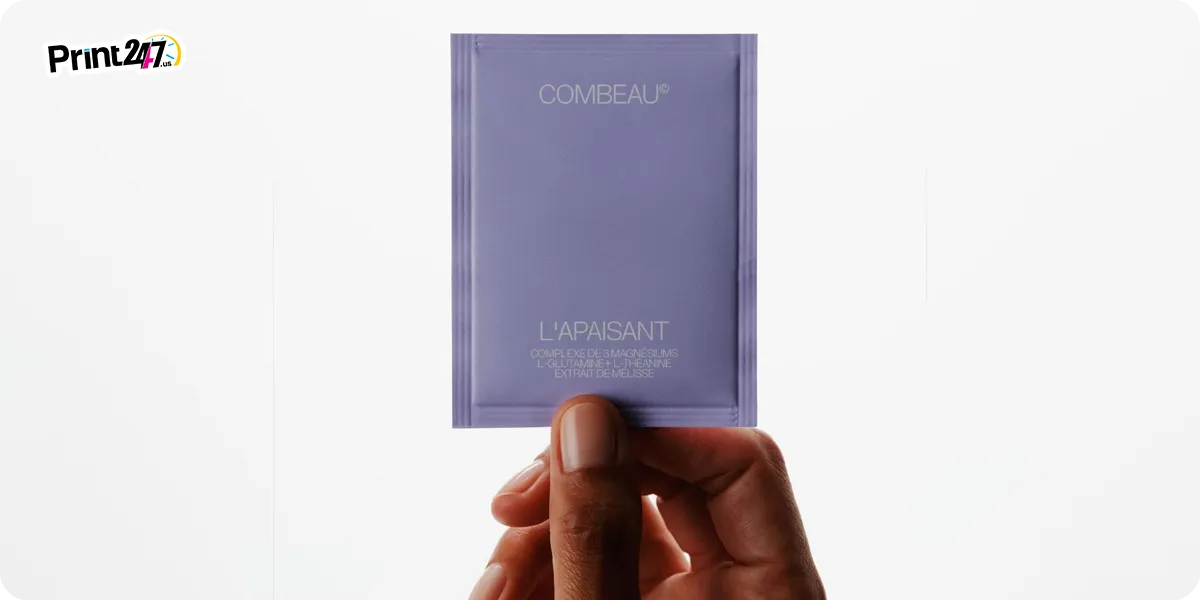
A 4-side seal sachet uses two pieces of film sealed together on all four edges. The construction of this product is much more durable. It also provides stronger barrier benefits compared to a 3-side seal. Cosmetics and medical industries are common industries that require this. A liquid shampoo sample needs that extra secure seal. You pay slightly more for this format. However, the added safety is worth it for sensitive or messy products.
Stick Packs
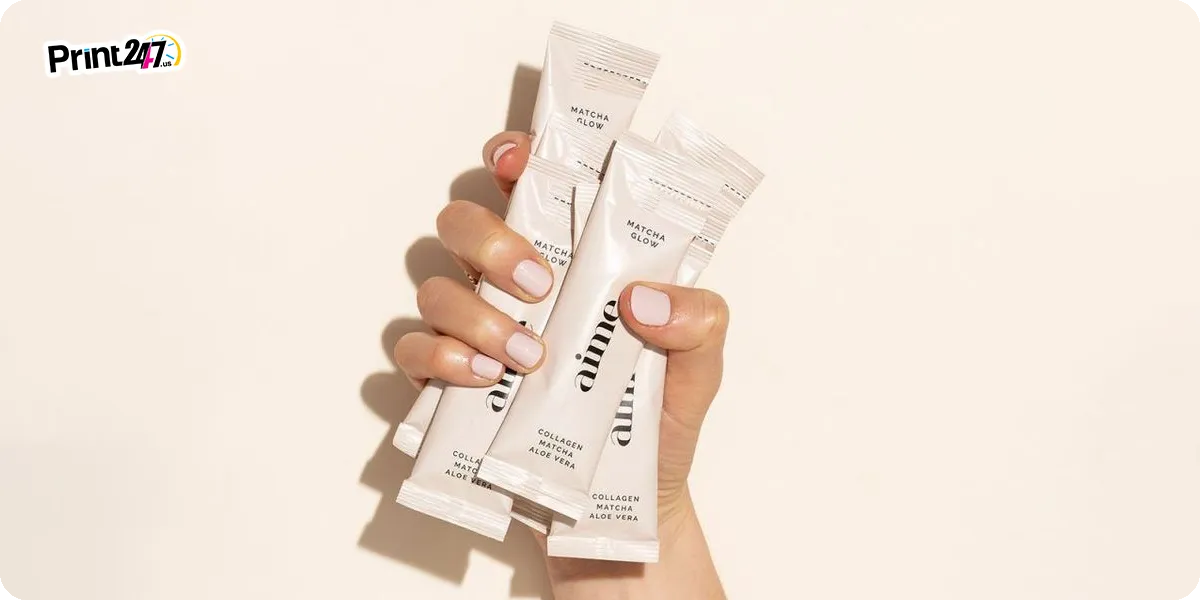
A stick pack is narrow and shaped like a tube. A sachet is always flat and wide. Stick packs require a specific sachet packaging machine to form that tube shape. A brand might choose a stick pack for drink mixes or instant coffee. Having a narrow shape makes pouring into a water bottle very easy. Using flat sachets is better for spreading creams or scooping out larger powders. If your customer needs to pour your product into a small opening, pick a stick pack. If they need to squeeze it onto their hand, choose a flat sachet.
Single-Serve vs. Bulk Sachets
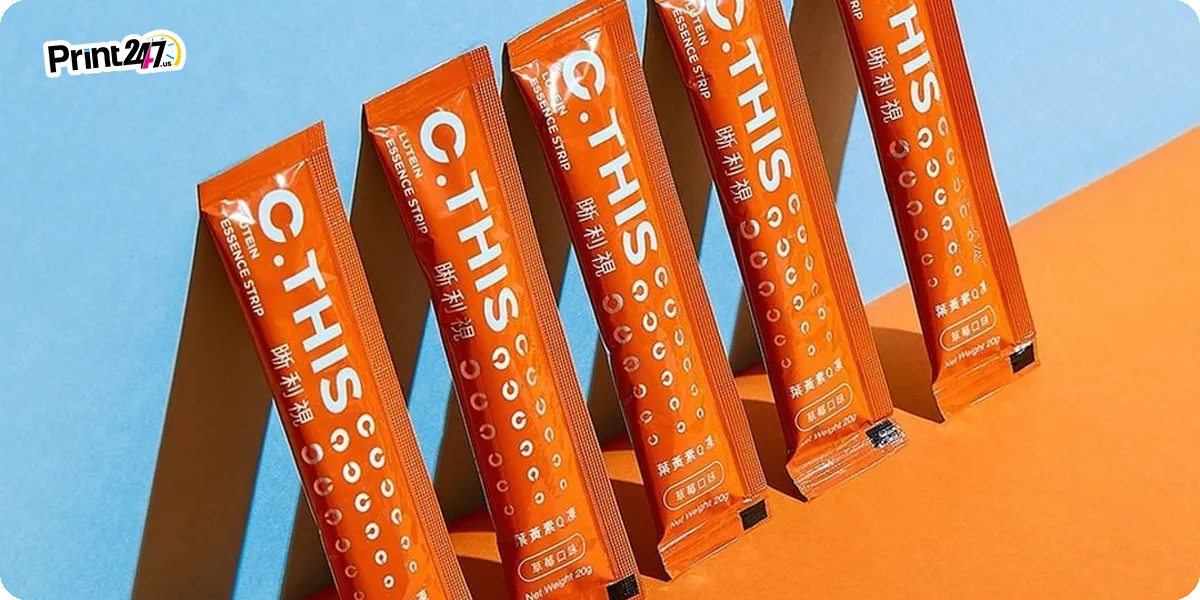
Single serve sachet packaging is perfect for individual doses. Think of an instant coffee packet you take to work. Bulk sachets are often larger and meant to be sold in multipacks. Seasonal sellers love single-serve formats. They use them to hand out new flavor samples at events. Wholesale buyers prefer bulk formats to sell large boxes to restaurants or hotels. Your choice depends entirely on how your customer buys your item. A subscription box business thrives on small and single-serve trials. A diner needs bulk cases of condiments.
Which Materials Are Used For Sachet Packaging?
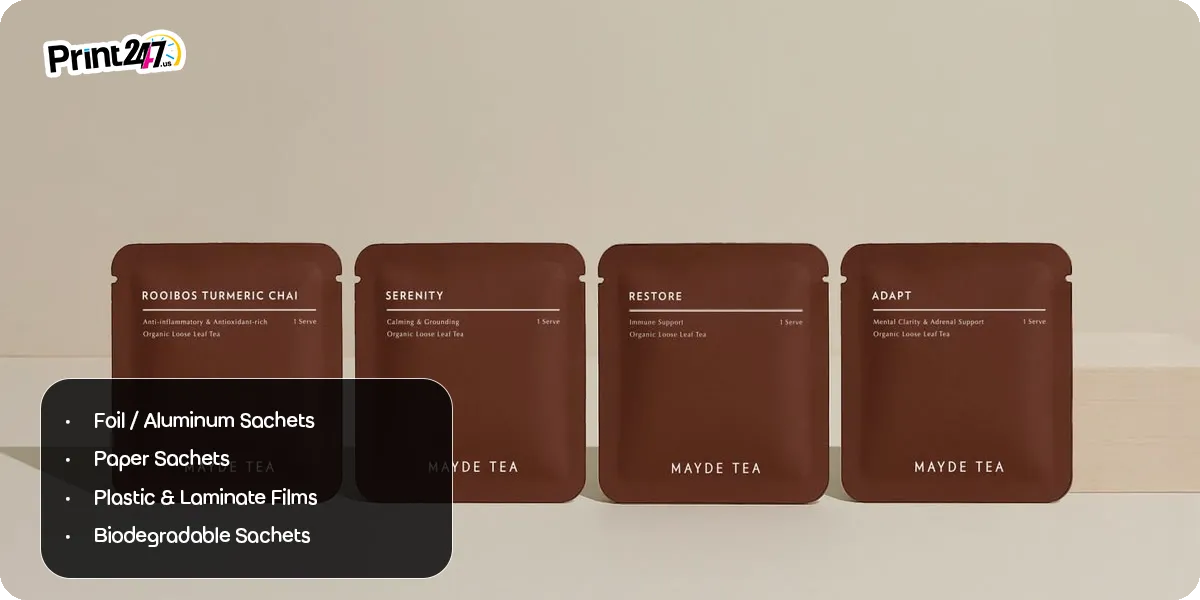
Your choice of material directly affects shelf life and brand appeal. It's the single most important decision for your business prosperity. The right material for your sachet packaging provides a strong barrier against oxygen and sunlight. Your product could spoil quickly if you pick the wrong material. The buyer is also very concerned about sustainability at the moment. You have to balance product protection with sustainable business goals.
We will break down the most popular film options below.
Foil / Aluminum Sachets
Foil is the ultimate choice for complete product protection. Aluminum sachets block out 100 percent of environmental containments. This makes them perfect for pharmaceutical sachet packaging and premium foods. Medicines and sensitive dietary items need strict protection to stay safe.
Many technical buyers specifically ask for FDA-compliant packaging films when using these foils. The main tradeoff is flexibility. Foil can dent or crease easily and it is usually harder to recycle. However, it gives your product the longest possible shelf life. If you sell expensive pills, vitamins, or sensitive creams, this barrier level is absolutely necessary.
Paper Sachets
Paper is a highly popular choice for dry items. You often see paper used for tea bags, sugar, and dry spices. The rustic look provides great eco friendly sachet packaging appeal. Customers love the natural feel in their hands. The main limitation is moisture resistance.
Paper does not block humidity well on its own. You have to balance the environmentally friendly appeal with actual barrier performance. If your product clumps when wet, you must line the paper with a thin protective layer.
Plastic & Laminate Films
Most flexible packaging uses plastic and laminate films. Manufacturers press several thin layers of material together to create a multi layer laminate structure. This makes the pouch incredibly strong and versatile. It is the most common choice for liquid sachet packaging. A ketchup packet or a liquid shampoo sample uses tough laminate to prevent messy leaks.
Laminates handle both wet and dry goods perfectly. They also print beautifully and make your logo pop on the shelf. While they are not the greenest option yet, they offer the best mix of price and brand appearance.
Biodegradable Sachets
There are immense demands for green packaging nowadays. Biodegradable sachet packaging involves the use of biodegradable materials rather than plastics. Compostable film packaging exists which decomposes naturally with time in the soil. This provides your company with immense marketing benefits with the current generation of consumers.
However, there are some current limitations to know before you buy. It usually costs more to produce eco friendly sachet packaging. The barriers are less rigid than aluminum foil, so it has a shorter shelf life. Your organic snacks or natural soaps will sell quickly if you choose this option.
What Is a Sachet Used For? (By Industry)
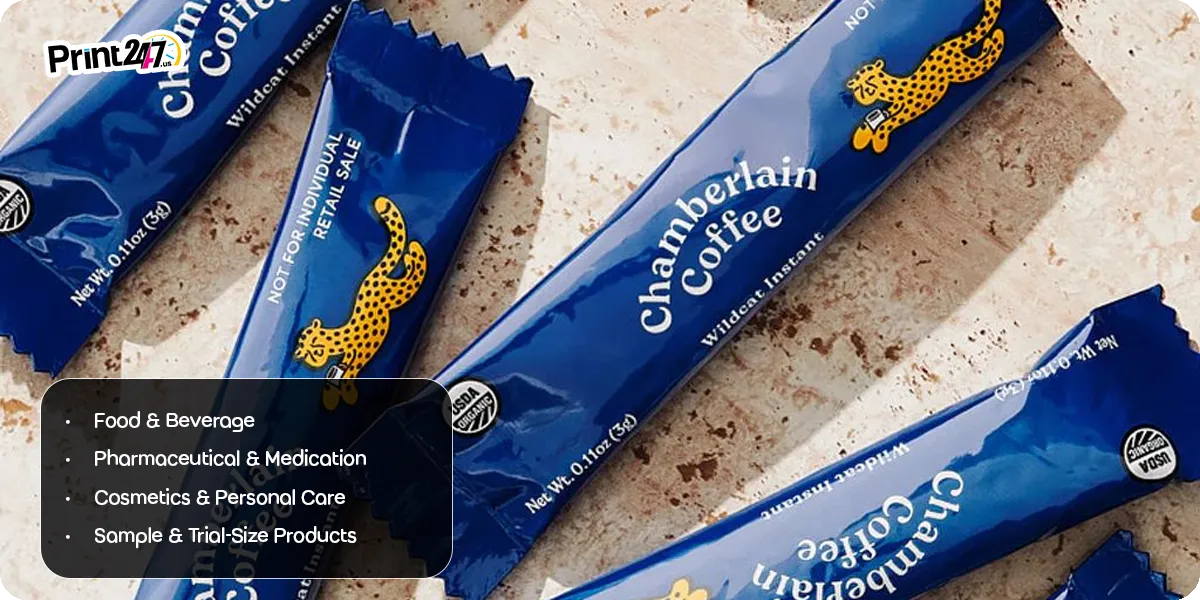
Sachet packaging is prevalent in many different and unique industries. A makeup company has completely different needs than a coffee roaster. Every business uses these small pouches to solve specific customer problems. We will look at how different markets use them successfully every single day. Seeing these examples helps you figure out the best approach for your own brand packaging strategy.
Food & Beverage
The food sector relies heavily on high quality food sachet packaging. You see this everywhere with ketchup, mustard, and mayonnaise packets at your favorite diner. Brands also use them for dry seasonings, sugar, and instant coffee mixes. The biggest packaging priorities here are ultimate freshness and strict portion control. A restaurant needs exact servings to control their daily food costs. A customer expects that ketchup to taste fresh and perfectly safe every time they open it. Laminate and foil materials work best in this space to keep flavors locked safely inside.
Pharmaceutical & Medication
Health brands need absolute precision. Pharmaceutical sachet packaging ensures exact dosage accuracy for the patient. You cannot have a single milligram missing from a medical powder. These pouches suit loose powders and granules perfectly. A patient tears off the top of the bottle and pours the exact amount into water. This industry also has strict compliance requirements. Engineers and medical buyers must use FDA-approved films that block all moisture and light. Foil is almost always the standard here. A secure packet keeps the medicine safe and helps patients follow their doctor's orders easily.
Cosmetics & Personal Care
Beauty brands use cosmetic sachet packaging to win over new customers. You will often find sample-size trial products inside magazines or handed out at beauty stores. Thick creams, lotions, and face masks fit perfectly into a small 4-side seal pouch. Personal care products often come in this easy single-use format. The buyer can test out a heavy night cream without buying an expensive fifty-dollar jar. The strong laminate seals prevent messy oil leaks during shipping. This ensures the customer enjoys a perfect unboxing experience.
Sample & Trial-Size Products
Smart brands use single serve sachet packaging primarily for product sampling. If you run a seasonal business, handing out tiny samples builds massive hype fast. Subscription box companies love them because they weigh almost nothing and ship very cheaply. A tiny pouch costs pennies but can win a lifelong loyal customer. You can print colorful graphics on the front to grab instant attention. Giving away a free trial is the absolute easiest way to prove your product works.
Final Thoughts
Let’s summarize what we have learned from this blog.
Choosing the right sachet packaging comes down to a few smart choices. First, pick the right type, like a flat 4-side seal or a handy stick pack. Next, select a material that protects your product. Foil stops light, while eco-friendly films please green buyers. Finally, match the format to your exact industry needs.
A food brand needs portion control while a beauty brand needs leak-proof seals. Now that you know the basics, it is time to take action. Request a few physical samples to test your custom sachet packaging ideas. Reach out to a trusted factory partner and start building a packet that grows your business today.
Get your perfect packaging from Print247, the leading US packaging supplier. We provide free design support, zero shipping fees, and fast delivery times. Get a feel for our sustainable materials by requesting a digital sample from us.
Get a Quick Quote

More Articles
 Bill ‘Hogg’ Ryan
Materials Used in Medicine Boxes and Why They Matter
 Bill ‘Hogg’ Ryan
A Complete Guide to Mylar Bag Closure Styles and Sealing Methods
 Bill ‘Hogg’ Ryan