


Carefully selected materials that deliver exceptional print quality, durability, and shelf presence.


 New
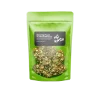
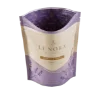



Is a Protein Powder Pouch Cheaper Than a Tub? Cost and Shelf Life Compared
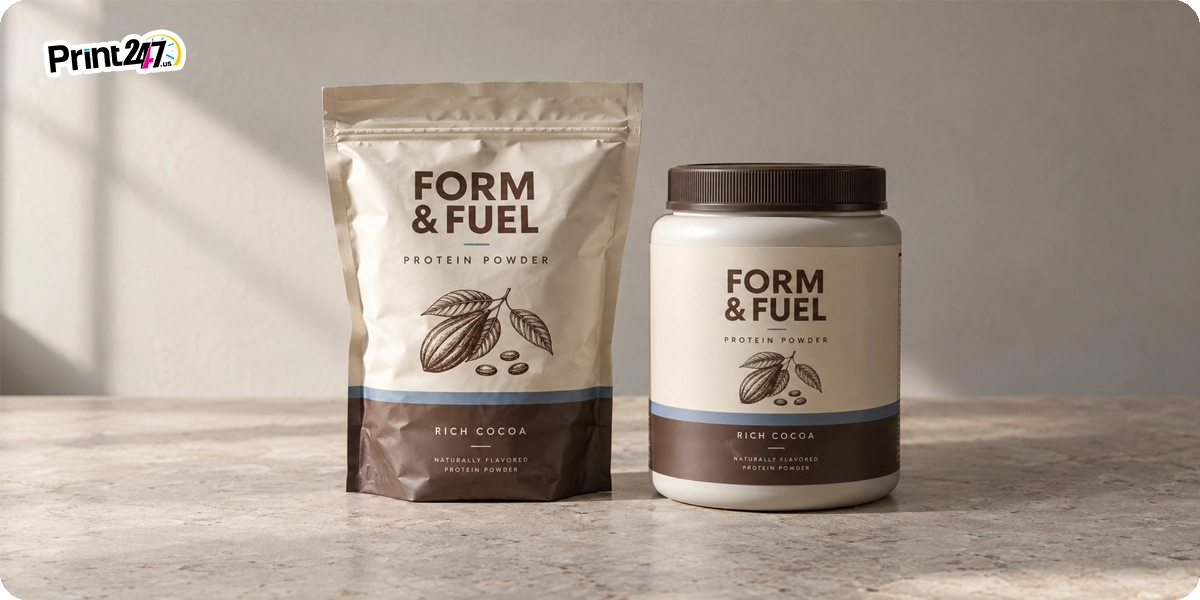
Protein powder pouches are an affordable packaging choice for online brands because they are lightweight and take up less storage space. On the other hand, a protein powder tub is a suitable option for people who consume protein powder almost every day.
Selecting the ideal protein powder packaging for your business depends on moisture protection, shipping, storage, and how customers use the product along with the price.
Direct Comparison – Protein Powder Pouch vs Tub
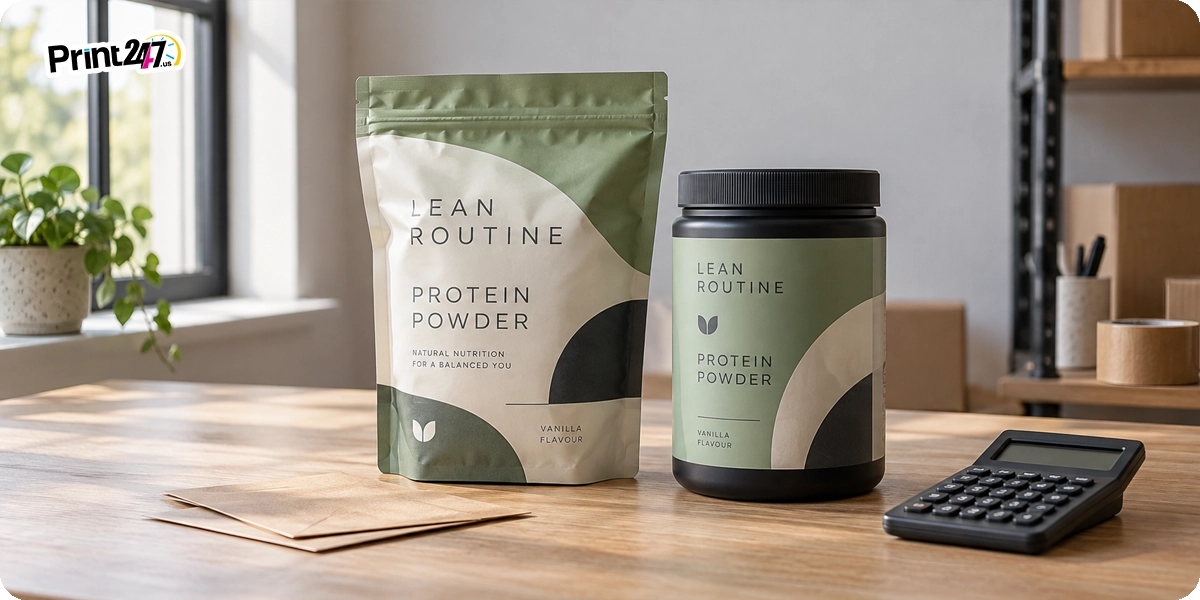
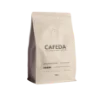
A protein powder pouch is a flexible bag. Many pouches have a resealable zipper at the top. A protein powder tub is a plastic container having a screw-on lid. Both types of packaging can protect protein powder, but they work in separate ways.
Factor | Protein powder pouch | Protein powder tub |
Package cost | Often lower | Often higher |
Cost per serving | Can be lower for refills | Often lower for bulk tubs |
Shipping cost | Usually lower | Usually higher |
Storage before filling | Ships flat | Takes more space |
Moisture protection | Strong with barrier film and zipper | Strong while sealed |
Scooping | Needs a wide opening | Easy wide-mouth scooping |
Travel use | Lightweight and easy to pack | Bulky |
Waste | Refills and sachets can reduce waste | Large tubs may go unused |
Best for | Online sales, refills, travel | Daily users, retail, gyms |
A pouch can minimize packaging weight and reduce shipping costs while a protein powder tub offers a hard exterior that protects powder from clumping and makes scooping easy. There is no perfect choice for every brand. Some might go for a pouch and some for tubs.
Is a Protein Powder Pouch Cheaper?
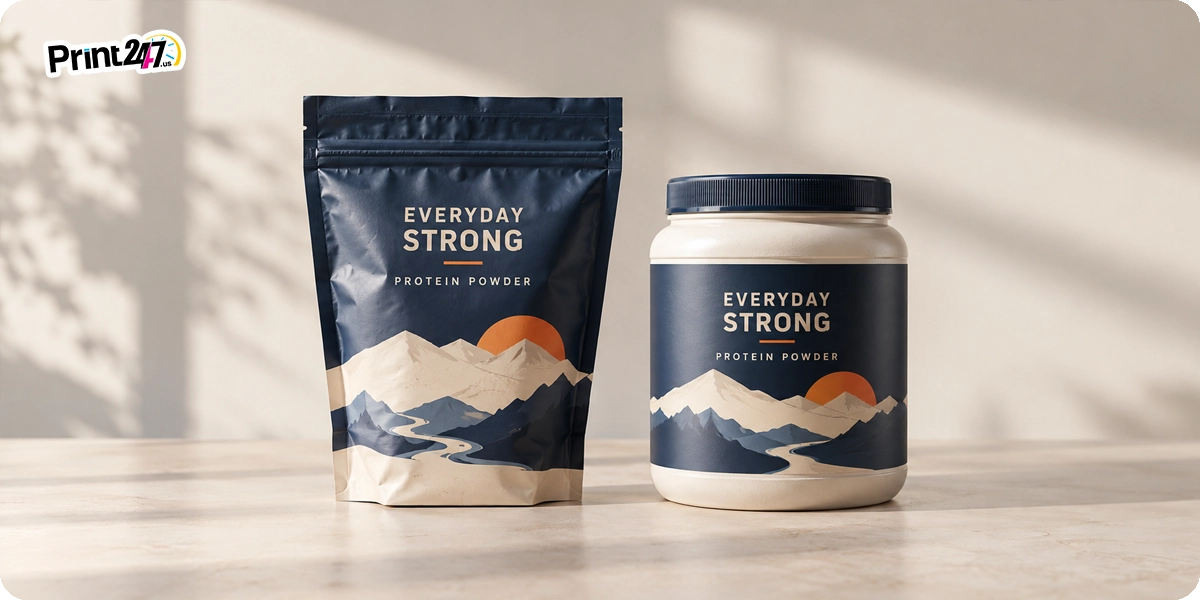
A protein powder pouch is often cheaper in total landed cost, though not necessarily per serving.
A large tub might look cheaper because it holds a multitude of servings. But a tub can cost more to ship, store, and deliver, whereas a pouch might cost more per serving, but it can save money on shipping, storage, refills, and repeat orders.
To compare the two formats properly, look at six costs:
The price of the empty package.
The cost per serving.
The cost to ship one order.
The cost to store the packaging.
The cost to ship refills.
The amount of product wasted.
Where Protein Powder Pouches Save Money
Protein powder pouches can save money in the following ways.
Low shipping weight: A pouch has less weight than a tub.
Low DIM cost: Empty pouches ship flat while tubs take the same space whether filled with protein powder or empty.
Low refill cost: A refill pouch can cost less to make and ship than another hard tub.
Better branding: A printed pouch can use the front, back, and side panels without needing a separate label.
Protein Powder Tubs Can Be Cheaper in These Situations
Protein powder tubs can be cheaper in most cases:
A large tub may have a lower cost per serving.
Daily users may get better value from one large tub.
Tubs can be simple to fill with a scoop.
A brand can reuse the same tub shape and change only the label for new flavors.
Tubs have a lower packaging cost per serving as compared to pouches because it is a one container holding many servings. This is why many traditional protein brands still use tubs.
Protein Powder Shelf Life: Pouch vs Tub
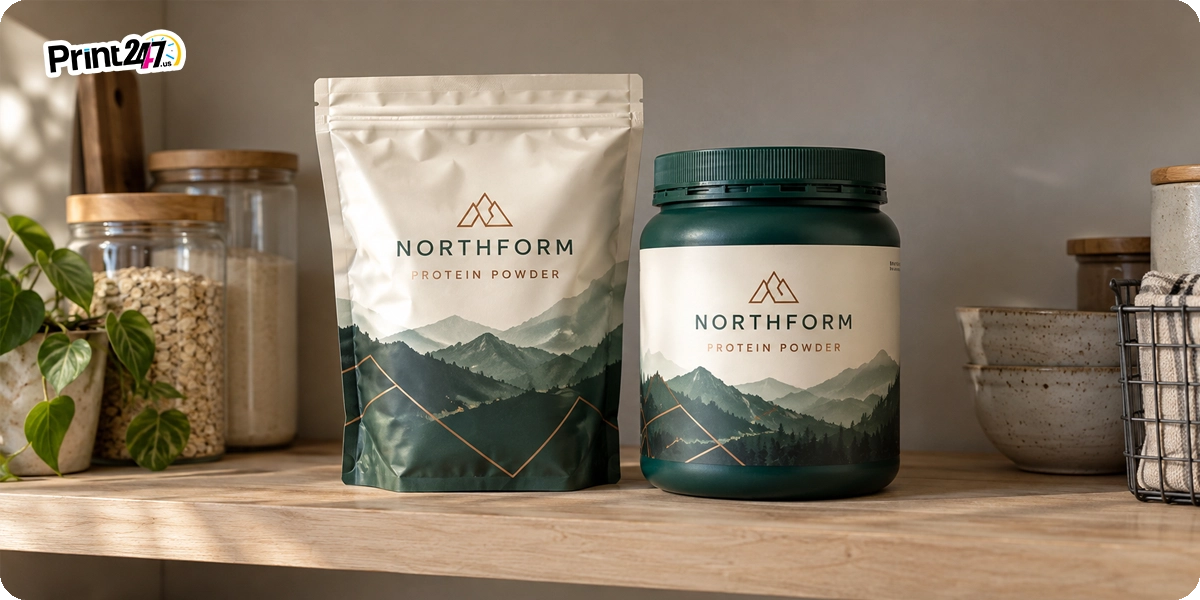
Protein powder can get clumped or lose flavor when it gets in touch with moisture, air, heat, or light. Even from all these, moisture poses the biggest threat in making the powder stick together.
To increase the shelf life of protein powders, you need to opt for such a packaging from pouches and tubs that can keep these factors out.
How Pouches Improve Shelf Life of Protein Powders
A good protein powder pouch can use a strong barrier film in its construction. This film helps block moisture and oxygen. If the pouch stays sealed, it can increase the life expectancy of protein powders to 12 to 24 months.
Useful pouch features include:
High-barrier film.
Resealable zipper.
Heat seal.
Tear notch.
Protective laminate.
Nitrogen flushing during filling.
How Tubs Affect Protein Powder Shelf Life
A tub can protect protein powder to its maximum as long as it is sealed. Its durable walls also play a vital role in protecting powder from getting crushed.
A tub also consists of a screw-on lid that makes it easy to open and close. But after each opening, air and moisture can enter.
And if the customer uses a wet scoop to get the powder out, clumping is the end result.
The factory sealed tubs can keep the protein powder secure for 1-2 years. And when opened, the life reduces to 6 to 12 months.
Shipping and Storage: Pouch vs Tub
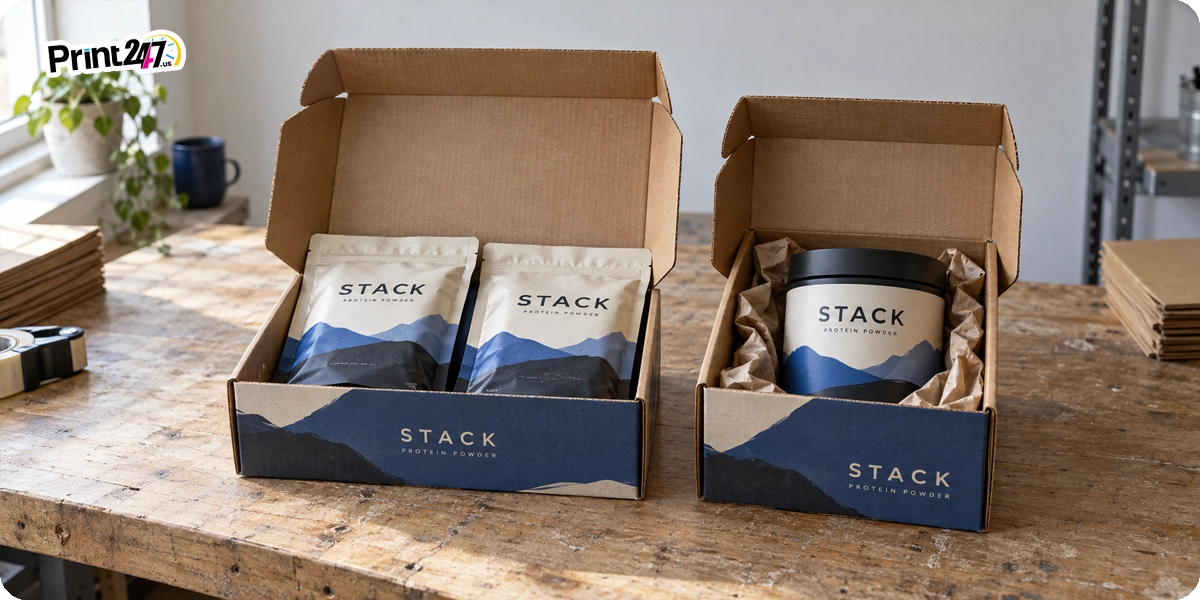
Shipping and storage costs can change the real cost of protein powder packaging.
Shipping Protein Powder Pouches
Pouches are usually better for online shipping because they are:
Lighter.
Thinner.
Easier to pack.
Easier to store flat before filling.
Easier to place in mailers.
Better for subscription refills.
A pouch can help reduce dimensional weight. It is a cost of shipping calculated upon the size of the package. Because pouches take up less space, they can help lower shipping costs.
Shipping Protein Powder Tubs
Tubs are heavier and take up more space. This can make shipping more expensive.
Tubs may need:
A larger shipping carton.
Bubble wrap.
Dividers.
Extra padding.
Stronger outer boxes.
Waste and Customer Use
Packaging has a direct role in affecting how much of the packed protein powder goes to waste.
Waste From Protein Powder Tubs
A protein powder tub is a great choice for packaging wellness supplements if the customer uses it every day. But some customers might not finish the powder before it loses its freshness.
This happens when:
The customer tries a new flavor and doesn’t like it.
The customer travels often.
The customer uses protein only sometimes.
The tub stays open too long.
The powder clumps or loses flavor.
A large tub can also take up more pantry space and create more plastic waste when it is empty.
Waste From Protein Powder Pouches and Sachets
Refill pouches can reduce waste because customers do not need to buy another hard tub every time. They can keep the first tub and refill it with powder from a pouch.
Sachets can also reduce waste for customers who use protein only sometimes. Each sachet holds one serving, so unused powder is not left open in a large container.
However, sachets use more packaging material per serving. This makes them more expensive per serving than tubs.
Pouch, Sachet, or Tub: Which One Fits Your Customer?
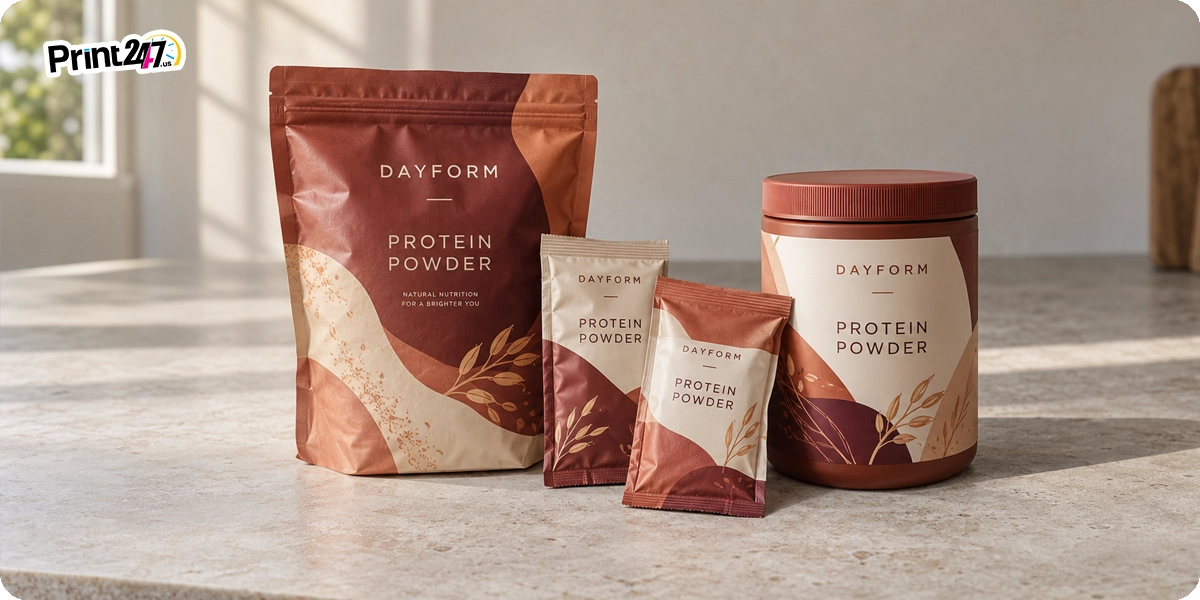
A brand does not have to pick a single format. It can run several for different customer needs.
Customer type | Best format | Why |
Daily gym user | Tub | Easy scooping and bulk value |
Occasional user | Pouch or sachet | Less waste and easier storage |
Traveler | Sachet | Lightweight and portion controlled |
Subscription customer | Pouch | Lower repeat shipping cost |
Retail shopper | Tub | Familiar format and shelf presence |
Refill customer | Pouch | Convenient and lighter to ship |
New customer | Sachet or small pouch | Lower trial risk |
How to Pick the Right Protein Powder Packaging
Before making a selection between a pouch and a tub, ask yourself a few questions:
Where will the product be sold?
How often will customers use it?
What is the powder density?
What is the target fill weight?
How important is moisture protection?
What is the shipping model?
Do customers need a scoop?
Will flavors or artwork change often?
How to Correctly Size a Protein Powder Pouch
To pick the right pouch size, a brand should know:
Fill weight.
Powder bulk density.
Scoop size.
Required headspace.
Pouch width and height.
Bottom gusset size.
Zipper placement.
Barrier film needs.
Shipping method.
Final Thoughts
A protein powder pouch is usually a cheaper option for online brands, refills, and subscriptions. It is lighter in weight, ships flat, and uses less storage space that can ultimately lower shipping costs.
On the other hand, a protein powder tub is cheaper per serving for daily users and bulk buyers.
Many brands use both, a tub for the first purchase and a resealable pouch for refills.
Need Custom Protein Powder Pouches? Print247 Got You Covered
At Print247, we create all kinds of protein powder packaging including protein powder pouches, boxes, sachets, jar labels, stick packs, Mylar bags, and much more in custom sizes, materials, and finishes. You can custom design the supplement packaging as per your choices with our free design assistance.
Explore our protein powder stand-up pouches, protein powder sample sachets, and custom pouches to find the right packaging format for your product.
FAQs
Can I pack protein powder in stand up pouches?
Yes. Stand up pouches are suitable packaging choices for protein powder, collagen, creatine, and other powdered supplements. They include bottom gussets, resealable zippers, tear notches, and high-barrier films.
What size protein powder pouch do I need?
The right size depends on fill weight, powder density, scoop size, and headspace. Brands should test the actual powder before choosing a final pouch size.
Are protein powder sachets cheaper than tubs?
No. Sachets cost more per serving, but they work where tubs do not: travel, samples, and portion control.
Do you also fill protein powder pouches?
No. We manufacture the custom packaging only. Filling and sealing happens at your own facility or your co-packer.
Get a Quick Quote

More Articles
 Bill ‘Hogg’ Ryan
Roll Labels vs Sheet Labels and When Each One Makes Sense
 Bill ‘Hogg’ Ryan
5 Mushroom Supplement Packaging Ideas That Stand Out in a Crowded Market
 Bill ‘Hogg’ Ryan