

Carefully selected materials that deliver exceptional print quality, durability, and shelf presence.


 New
New







Embossing vs. Debossing: Key Differences in Printing
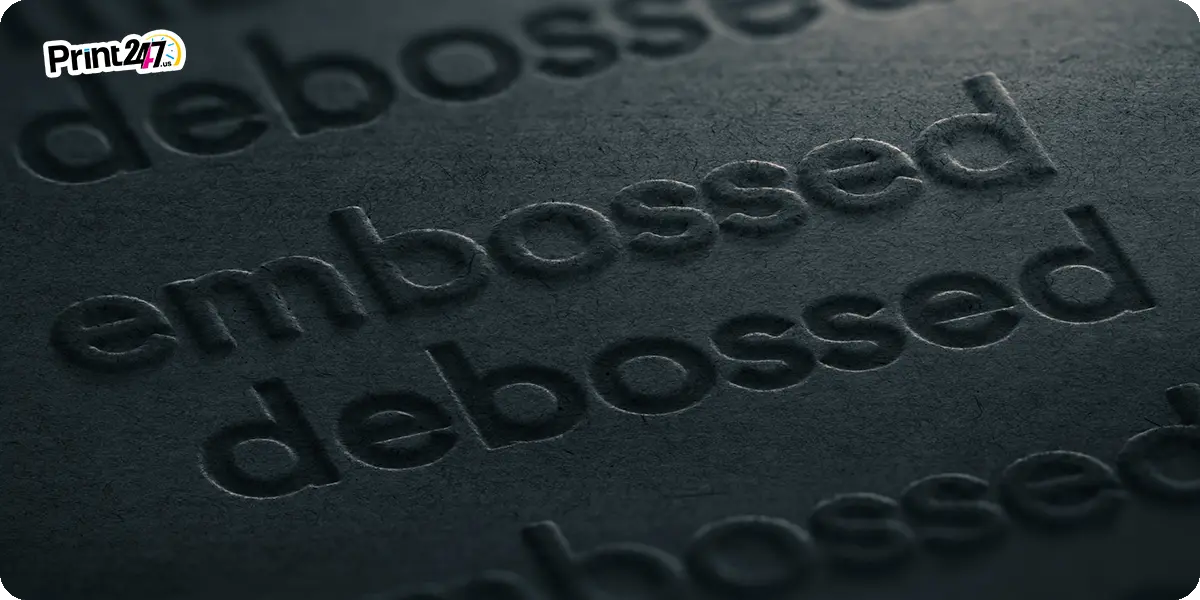
Looking for a way to make your packaging design stand out and make the product feel premium the moment the customer touches it. You can bring some extra flair to your packaging with a unique process known as finishing, emboss vs deboss. What is deboss emboss and what makes them so special? Emboss or deboss is a special printing methods that help add texture and depth to the product packaging.
These techniques are mostly used to create raised or pressed designs on the surface of the packaging, which help enhance customer experience. Brands can use them on logos, patterns, or text and make their packaging stand out both visually and physically. Each method has its own benefits; therefore, many companies often compare emboss vs deboss. An embossed logo vs debossed logo creates a completely different brand impact.
Consumers these days demand visually appealing packaging. With unique design techniques, brands are constantly competing for attention on retail shelves and e-commerce stores.
“According to Fortune Business Insights, the global packaging market size was valued at USD 1,109.44 billion in 2025 and is expected to grow to USD 1,590.68 billion by 2034 with a CAGR of 4.21%.”
This market size shows that packaging has become a strong marketing tool. Finishing techniques like embossing vs debossing are used by brands to create a memorable packaging look, which instantly enhances brand perceptions by adding a tactile appeal to it.
This article will help you understand the difference between embossing and debossing. Read this till the end and choose the finish that helps improve packaging design and build a strong brand image in the market.
What Is Embossing?
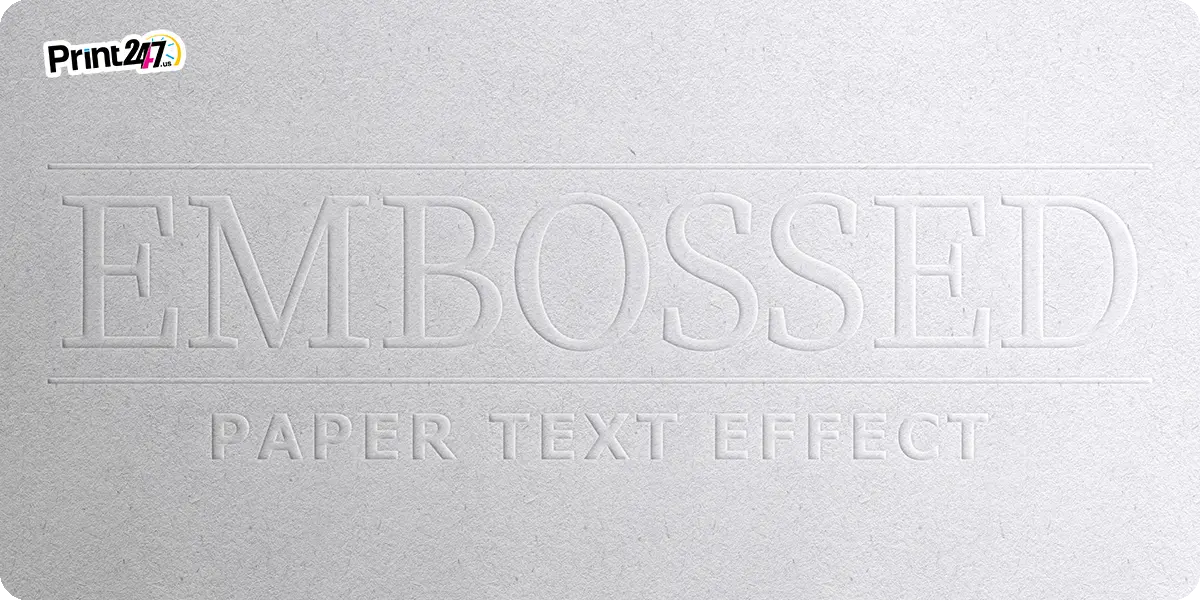
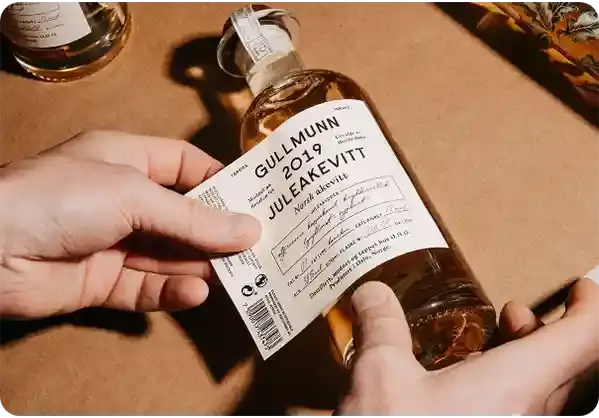
Embossing is one of the most famous finishing methods. It is used to create a raised design on the surface of a material. When customers run their fingers over the embossed design on packaging, they will be able to feel the logo, pattern, or text slightly lifted above the surface of the material. When it’s about embossing example these wine bottle stickers tend to be the one that are more suitable.
This textured effect is what changes customers' perception of your product and brand. It makes the packaging look premium. Brands use this finishing technique to highlight important design elements. It helps create visual and tactile appeal. Embossing on packaging plays a major role in the world of modern product branding.
The embossing process works by pressing the material between the specially designed metal dies. The two plates are known as dies. These metal dies apply pressure to shape the material and help create a raised effect. Embossing is a finishing process that can be applied to various packaging materials.
Embossing cardboard is one of the most commonly used materials in the packaging industry. That’s because cardboard responds perfectly well to the pressure. It also helps maintain the raised structure.
The process mostly involves:
Two metal dies are created based on the required design and logo.
High pressure is applied to the specific packaging material to shape the surface.
A raised impression is created that adds depth and texture to the design.
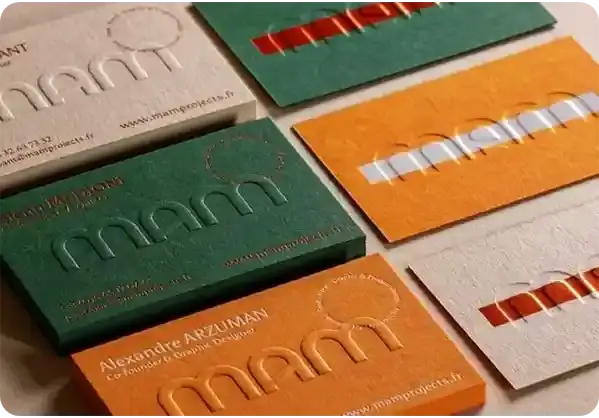
Cardboard embossing is mostly used in diverse types of printed products. Brands use embossing to make their packaging look premium and easier to recognize. Embossing is mostly used for luxury product packaging, like cosmetics or perfume boxes. It is also used for business cards and wedding cards. It is important to understand the embossing opposite technique to further enhance how customers interact with your brand and your products. Let’s find out what embossed opposite, or rather, what does debossed means.
What is Debossing?
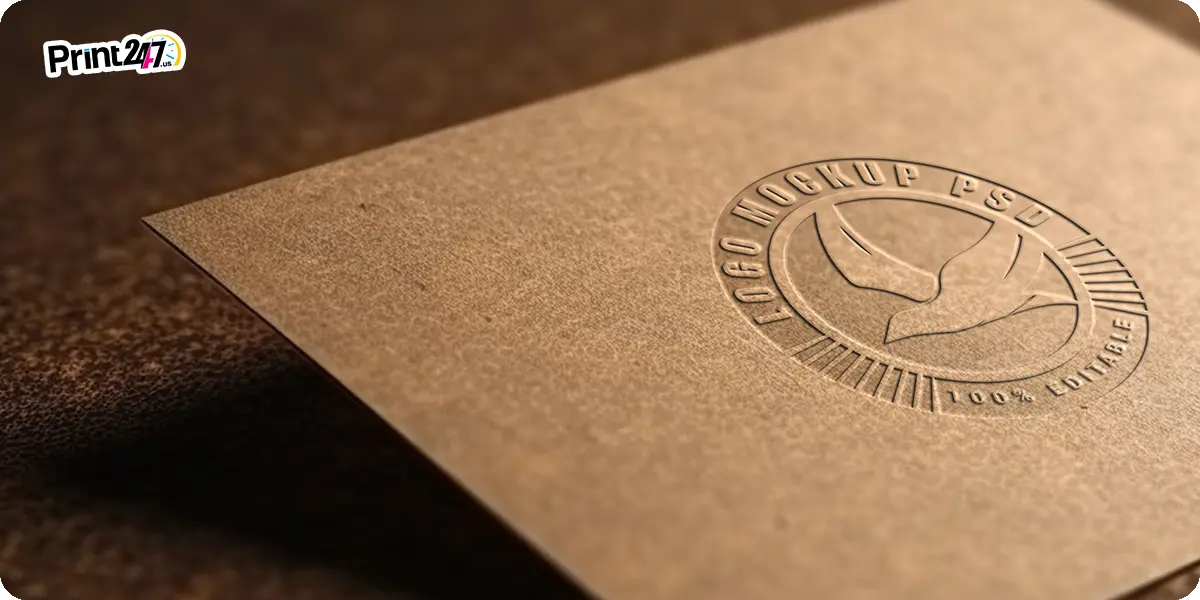
You must be wondering, what does deboss mean? Debossing is the opposite of embossing. Debossing, the opposite of emboss is a printing technique that is used to create a pressed design on the surface of the material. The process involves pressing the material inward. The area that is debossed feels slightly recessed into the material upon touch.
This finishing technique is also used for premium branding purposes. It offers brands a unique way to make their packaging look elegant and professional. When comparing debossing vs embossing, the main difference is that one creates a raised effect, and the other creates a sunken effect. Brands that want packaging to look sophisticated and minimalist can go for embossing and debossing.
Debossing also uses a metal die and pressure to press the design inward into the material.
The following are the key features that define debossing:
A recessed design pressed directly into the material surface.
The texture feels sleek and professional to the touch.
It works perfectly fine on different packaging materials.
If you have a more complex design project and simply want a sleek effect on specific design elements, first understand what does debossing means, to make sure it meets your requirements. Debossing is also used for premium product packaging.
When comparing emboss vs deboss, most brands choose debossing because the pressed design stays visible for a long time. So you also know debossed meaning, it's time to find out how this elegant effect enhances your product’s visual appeal.
We’ve added a comparison table that helps you better understand the difference between the two:
Feature | Embossing | Debossing |
Surface Effect | Raised design | Recessed design |
Visual Impact | Bold and prominent | Subtle and elegant |
Best For | Luxury packaging | Minimalist branding |
Works Well On | Cardboard, paperboard | Cardboard, leather |
Cost Level | Moderate | Moderate |
Common In | Cosmetic & retail boxes | Leather & premium brands |
The Core Difference Between Emboss and Deboss
Understanding the difference between debossed and embossed surfaces is important. The difference can be noticed in the direction of the impression. For example:
Embossing simply raises the design above the surface.
Debossing, on the other hand, pushes the design below the surface.
Both of these techniques use metal dies to create a raised or recessed shape on the material. The results both look and feel different. If you’re wondering what the opposite of embossed is, then it’s debossed.
Understanding the subtle difference between debossed embossed can completely help you transform the way how consumers feel about your product and brand. It is you who needs to decide between embossed or debossed according to your unique branding requirements.
Embossing and debossing are mostly used on:
Logos
Brand name
Taglines
Product name
Border shapes
Unique design elements
Choosing Between Embossed vs Debossed
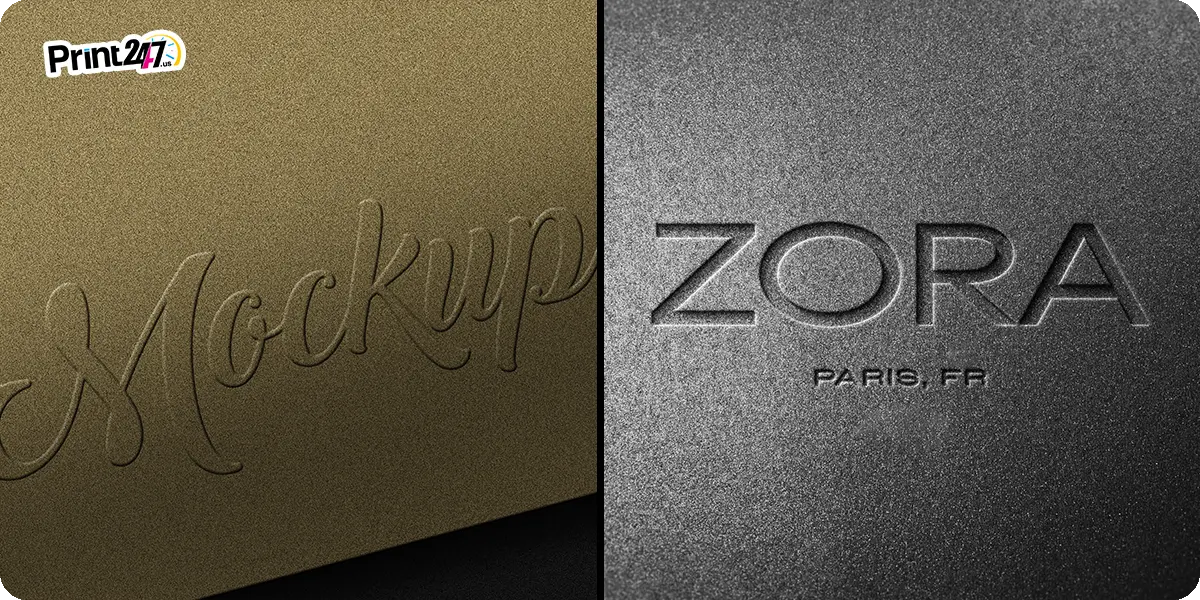
Choosing between embossing vs debossing depends on the target consumers, product type, and overall packaging goals. Both embossing and debossing help add texture to the product packaging that feels sophisticated upon touch. Most brands use leather. Emboss vs deboss leather offer high visibility look and is considered ideal for premium-quality product packaging. It offers amazing branding opportunities.
There are a few important factors to consider before making a final decision between emboss vs deboss:
Branding goals and visual identity.
Product category and industry.
Cost and production requirements.
When to Choose Embossing?
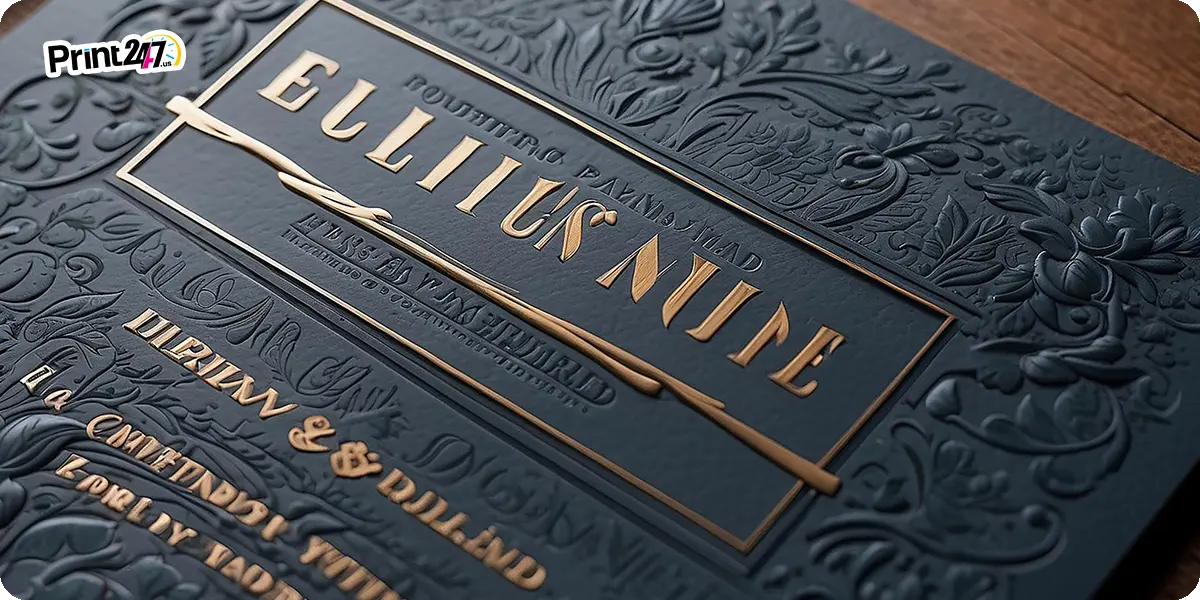
Choose embossing to create a raised design that makes your product packaging stand out. Embossing process is the best option when brands want their logo or product name to catch attention immediately on retail shelves. Embossing is the best option for:
Luxury product packaging to make them highly memorable.
Highlighting specific design elements on book covers or invitation cards for a sophisticated feel.
When to Choose Debossing?
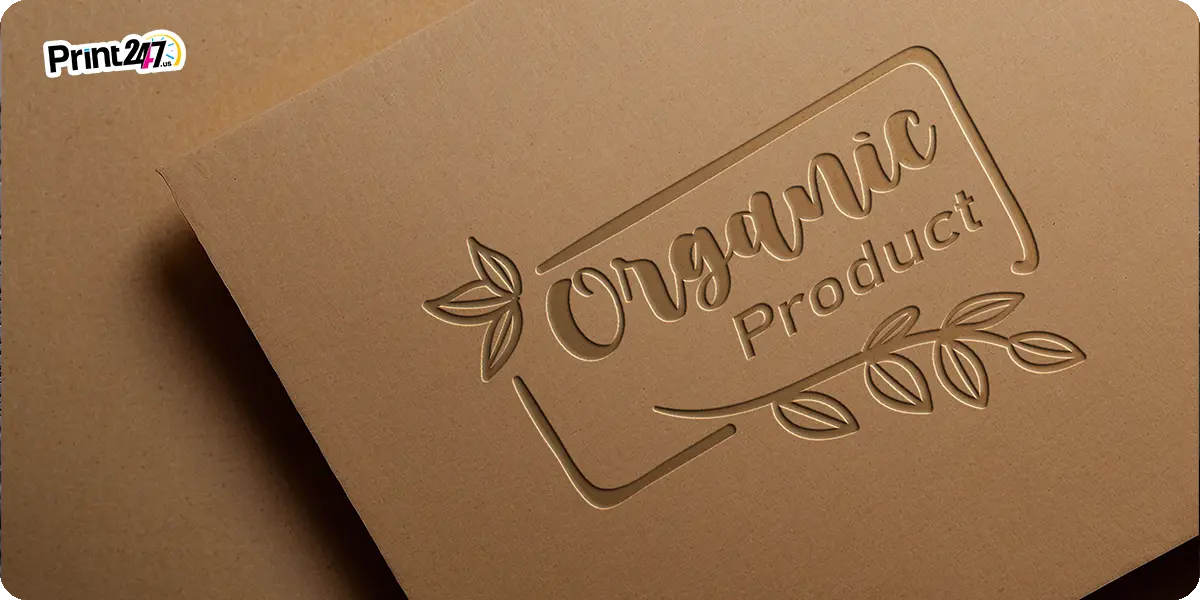
First, understand what is debossed effect? As we have already established, the deboss meaning is slightly different from that of embossing. Their use cases also differ. If you are a brand that wants to create a pressed effect that looks subtle and luxurious at the same time, debossing is your best option. This is the best way to define deboss printing technique.
Just like embossing, debossed definition can mean different things depending on your industry. Debossing definition serves as a unique mechanical manufacturing and printing method that helps press a custom logo and create a sunken design.
Custom Jewellery boxes tend to have the debossed effect for creating a sunken effect on the go. It makes your packaging look neat and sophisticated. Debossing is the best option when:
You want packaging to look sophisticated yet premium.
You want a touch of luxury for business folders and invitation cards.
Check the table below to see if embossing debossing technique is right for your brand and why:
Brand Type | Recommended Finish | Why |
Luxury Cosmetics | Embossing | Premium raised effect |
Minimalist Brands | Debossing | Clean, subtle look |
Leather Products | Debossing | Long-lasting imprint |
Subscription Boxes | Embossing | Eye-catching unboxing |
Corporate Packaging | Either | Depends on brand tone |
How Packaging Shapes Brand Perception & Consumer Behavior
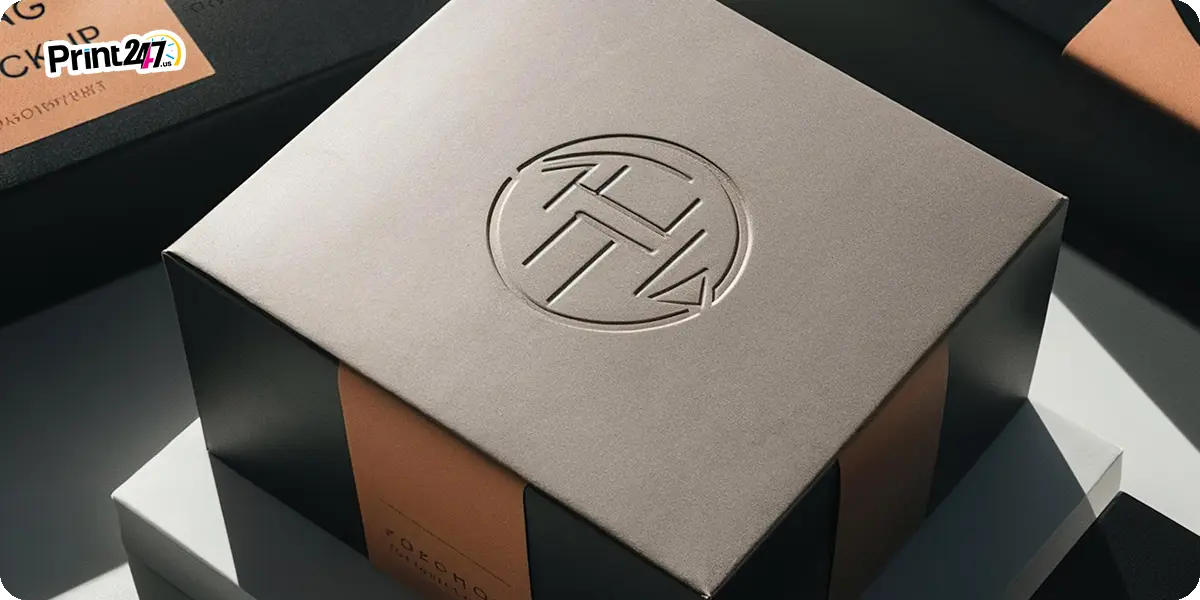
Embossing vs debossing plays a significant role in shaping brand perception and customer behavior. For businesses, well-designed packaging can make products look luxurious and trustworthy by simply understanding embossing and debossing meaning.
Visual and tactile elements help improve customer engagement. Techniques like embossing on packaging or a subtle debossed design help add texture to the packaging that immediately makes the product feel high-end. The key finishing techniques showcase your branding and show what picture your customer perceives from your packaging.
These techniques help enhance products' perceived value. When customers touch these design details, they immediately associate them with better product quality. Packaging has the power to impact consumer behavior on retail shelves. A thoughtful packaging design can help build a strong brand image and help boost the brand’s sales. The difference between embossed and debossed finishes is simple: one helps create a raised effect, and the other creates a pressed effect on the packaging material.
Cost Difference Between Deboss and Emboss
Cost is an important factor that can’t be dismissed at any cost when it comes to choosing between embossing vs debossing. There are a few factors that can influence the final cost of each print finishing option.
The following are the factors that affect the pricing of debossed vs embossed:
Both deboss vs emboss printing methods require custom die creation, which influences the final cost.
If the design is complex in either technique, it will increase costs.
Production quantity and order volume also influence the final cost of these techniques.
Businesses often choose between debossing vs embossing based on their packaging and branding requirements. Price is not the only factor; businesses these days prioritize visual appeal more.
If you love the sunken look of indented lettering, but feel that the price of custom metal dies is too high for your budget, exploring debossing alternatives may be a good decision.
Final Thoughts
Understanding the difference between embossing and debossing is very important for businesses that are looking for a unique way to leave a lasting impression on customers. Both of these print finishing techniques are better in their own ways. They are widely used to add depth and texture to printed packaging materials. The visual impact differs.
Embossing helps create a raised design that helps catch customers’ attention. On the other hand, debosing presses the design into the material and helps create a refined appearance.
Embossing helps create a raised design that helps catch customers’ attention. On the other hand, debosing presses the design into the material and helps create a refined appearance.
When deciding between emboss vs deboss, the choice depends on the brand’s personality and packaging requirements. Both of these techniques help exceed buyers’ expectations and leave a remarkable impression on them.
Print247 provides custom packaging solutions to businesses exploring premium packaging finishes. This is such an exciting opportunity for them to create an effective packaging structure while ensuring maximum product safety.
Get a Quick Quote

More Articles
 Bill ‘Hogg’ Ryan
Is a Protein Powder Pouch Cheaper Than a Tub? Cost and Shelf Life Compared
 Bill ‘Hogg’ Ryan
How to Choose Sock Packaging for Peg Display vs Shelf Presentation
 Bill ‘Hogg’ Ryan