





Carefully selected materials that deliver exceptional print quality, durability, and shelf presence.


 New
New



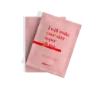





Wax Paper vs Butter Paper: What's the Difference and Which One Should You Use?
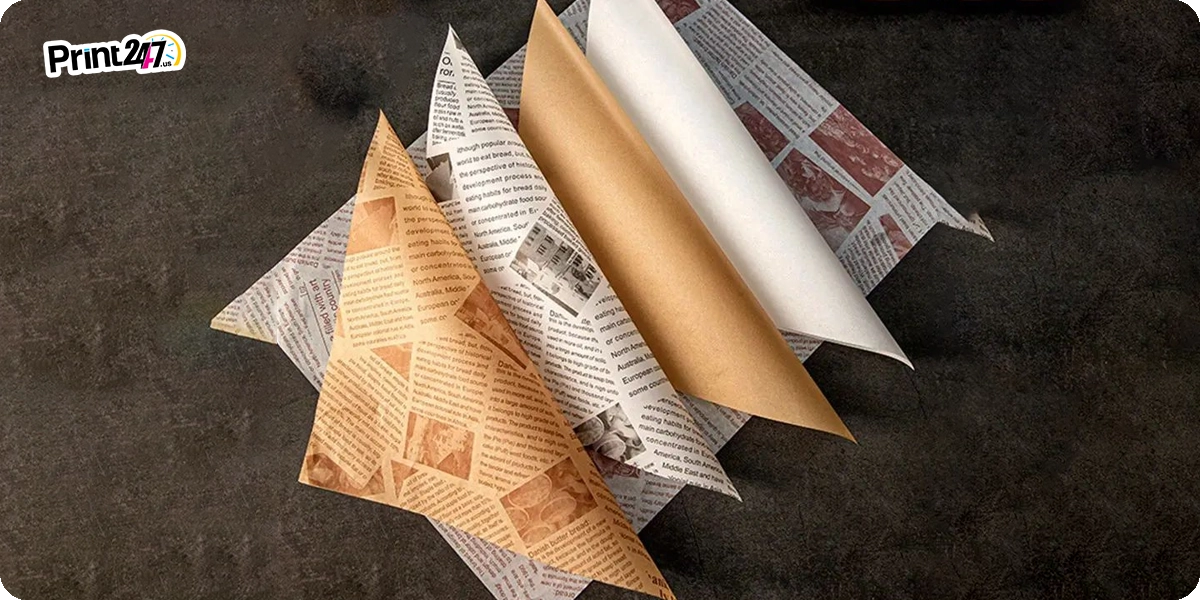
Have you ever thought about the main difference between wax paper and butter paper? It is merely a difference of heat resistance.The butter paper can withstand oven temperatures up to 450 degrees Fahrenheit. Wax paper melts when exposed to heat. You can use wax paper for cold storage and butter paper for baking.
Are you having difficulty choosing the right food wrap for your bakery or restaurant?
It will damage your company's finances and your food quality if you choose the wrong paper. You need product packaging that keeps your food fresh as well as looking professional. But food business owners often struggle with whether to use waxed paper or butter paper.
Both materials offer unique benefits for commercial kitchens. They may look the same, but they serve significantly distinct functions. We will break down exactly how they differ so you can make the smartest choice for your food brand.
The waxed paper market is expected to grow from USD 2.0 billion in 2025 to USD 3.1 billion by 2035, at a compound annual growth rate of 4.6%. These statistics indicate that businesses are still heavily dependent on waxed paper materials.
Let us help you identify the best option for your specific menu items.
Key Takeaways
Butter paper stands up perfectly to high oven temperatures.
Wax wrappers prevent moisture from accumulating inside cold food storage containers.
Avoid using wax sheets in hot ovens.
Both materials are compatible for custom printing.
Eco-friendly soy options are replacing traditional petroleum coatings.
What is Wax Paper?
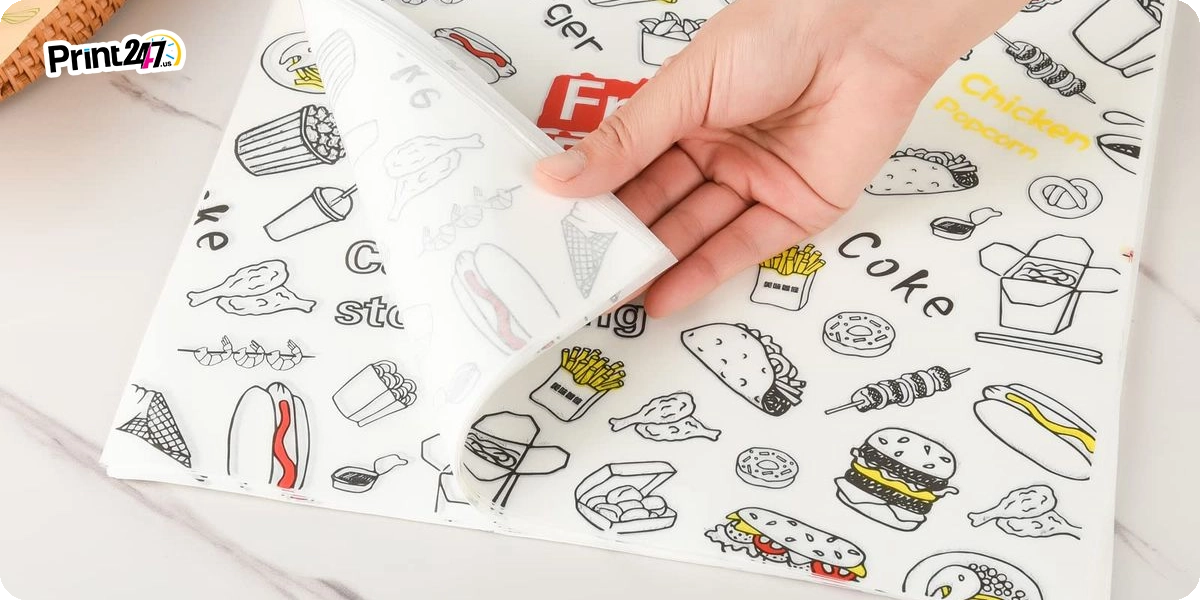
The wax paper consists of a thin tissue paper coated on both sides with a protective wax layer. Manufacturers make it by applying food-safe wax to a paper base. Consequently, the surface becomes non-stick and water cannot penetrate.
The material's main physical qualities include high moisture resistance, moderate flexibility, and slight transparency. It is the perfect wax paper for food wrapping when dealing with cold items.
Paper is coated with a variety of waxes by producers. The traditional version uses paraffin wax derived from petroleum. Nowadays, many brands use beeswax or soy-based coatings.
There is a rapid growth in the soy-based wax segment. It will see a 12.13% CAGR from 2025 to 2030. The eco-friendliness of soy wax paper packaging makes it a top choice for green businesses. It keeps sandwiches moist and minimizes messy leaks during delivery.
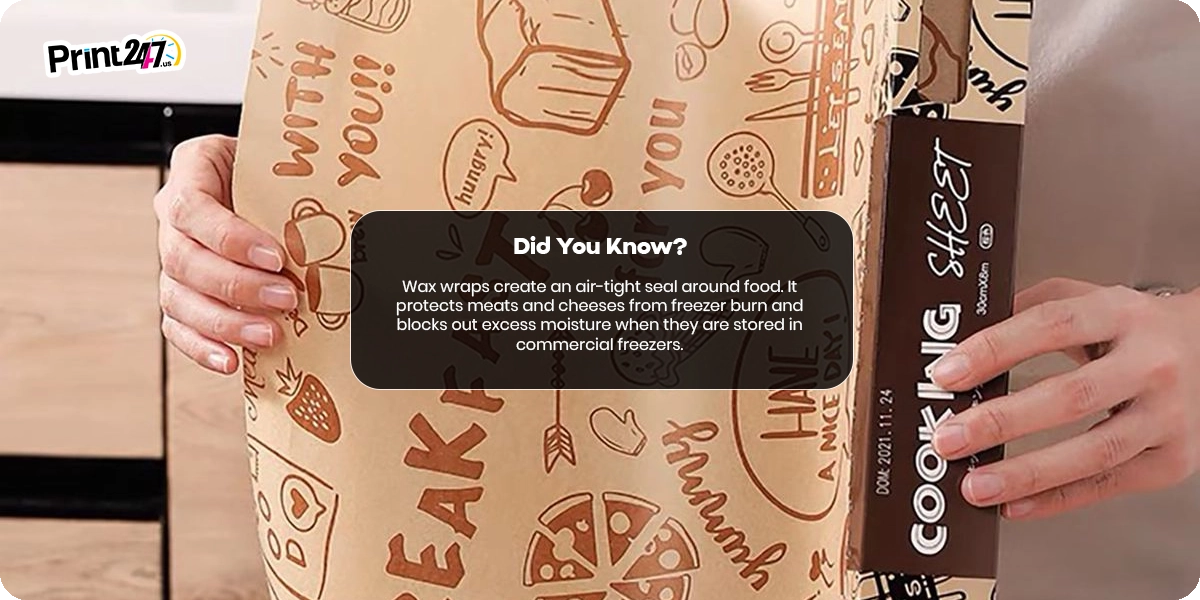
Wax wraps create an air-tight seal around food. It protects meats and cheeses from freezer burn and blocks out excess moisture when they are stored in commercial freezers.
What is Butter Paper?
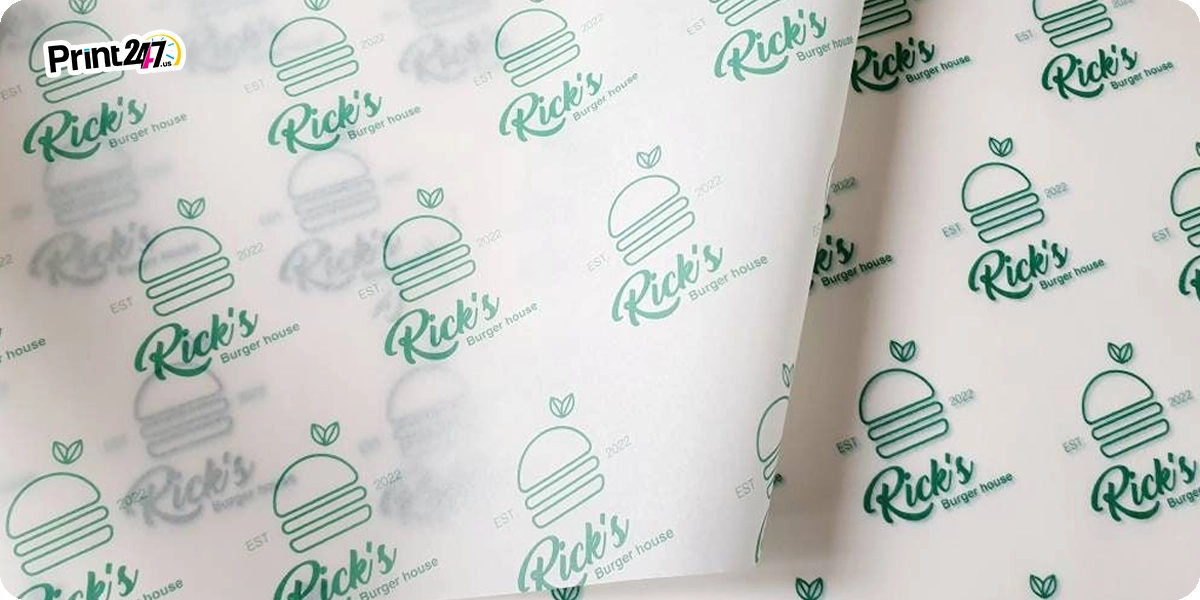
Butter paper is a cellulose-based sheet that blocks grease and fat. It provides a clean and non-stick surface for baking and food presentation. Manufacturers make it through a process called supercalendering. This tightly presses the paper fibers together to create a smooth surface. This gives supercalendered paper grease resistance without needing thick chemical coatings.
It has excellent greaseproof abilities, a high level of heat resistance, and a non-stick finish. Butter paper is available in three main types in the packaging industry.
The first is uncoated glassine paper.
Second is wax or silicone-coated paper for extra slip.
Third is custom printed butter paper for bakeries. ‘
This printed version helps food brands show off their logos while keeping pastries fresh and grease-free.
Is butter paper the same as parchment paper or baking paper?
They are very alike, but have minor variations. In comparison to wax paper, parchment paper is treated with silicone, which is often overlooked. The butter paper performs the same functions as basic baking paper. It can handle moderate oven heat and prevent grease from seeping through your branded packaging.
Wax Paper vs Butter Paper: Key Differences at a Glance
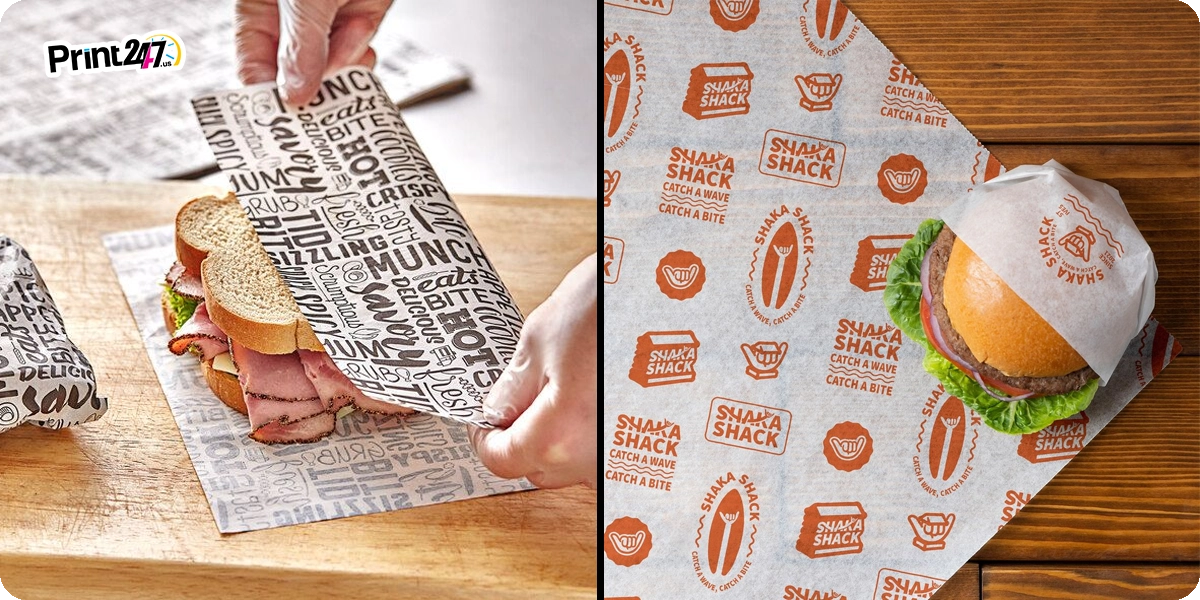
If you want to compare wax paper vs butter paper, you need to consider how each performs under pressure. In this quick table, you can compare the paper coating types used in packaging industry standards side by side.
Feature | Wax Paper | Butter Paper |
Coating Type | Paraffin, Soy, Beeswax | Silicone, Supercalendered |
Heat Resistance | Low (Melts easily) | High (Oven safe) |
Grease Resistance | Moderate | Very High |
Water Resistance | Excellent | Moderate |
Best Use | Cold storage, Wrapping | Baking, Greasy foods |
Price | Very affordable | Slightly higher |
Coating material: paraffin wax vs silicone/greaseproof treatment
In the debate between paraffin paper and greaseproof paper, it comes down to the surface layer. In wax sheets, a thick layer of paraffin or soy wax provides a physical barrier. Butter paper relies on tight cellulose fibers or a thin silicone layer. Instantly, the wax coating prevents water from passing through. A silicone treatment prevents hot oils from leaking into your custom printed boxes.
Heat resistance: why wax paper melts and butter paper doesn't?
When it comes to butter paper vs wax paper, it's important to look at the heat limits. Wax melts when it gets hot. The paraffin layer deteriorates your food when it becomes liquid. In high temperatures, butter paper does not break down due to its fibers and silicone coating.
Wax paper melts at ~200°F; butter paper withstands up to 450°F (230°C)
Never expose wax wraps to temperatures above 200 degrees Fahrenheit. A butter paper is strong and intact even when heated to 450°F.
Water and moisture resistance compared
Wax is a good choice for blocking water. There is a thick wax layer that completely prevents moisture from passing through. This keeps wet foods contained. In the presence of heavy liquids for an extended period of time, butter paper will eventually become soggy.
Grease resistance: which paper holds up against fatty foods?
When looking at wax paper versus butter paper for greasy food, butter paper wins. Due to its tight fiber structure, it prevents oil leakage. The wax layer in wax sheets can handle a little grease, but hot fats will cause it to melt. Food packaging gets soaked right through with this type of operation.
Is wax paper and butter paper same?
No, wax paper and butter paper are not the same. Wax paper is coated with paraffin wax. It makes it moisture-resistant but not heat-resistant, so it cannot be used in an oven. The butter paper (parchment paper) is coated with silicone to make it heat-resistant, non-stick, and oven-safe up to 220°C. Although both are used in cooking, they cannot be interchanged.
Wax Paper vs Butter Paper: Which is Best For Baking?
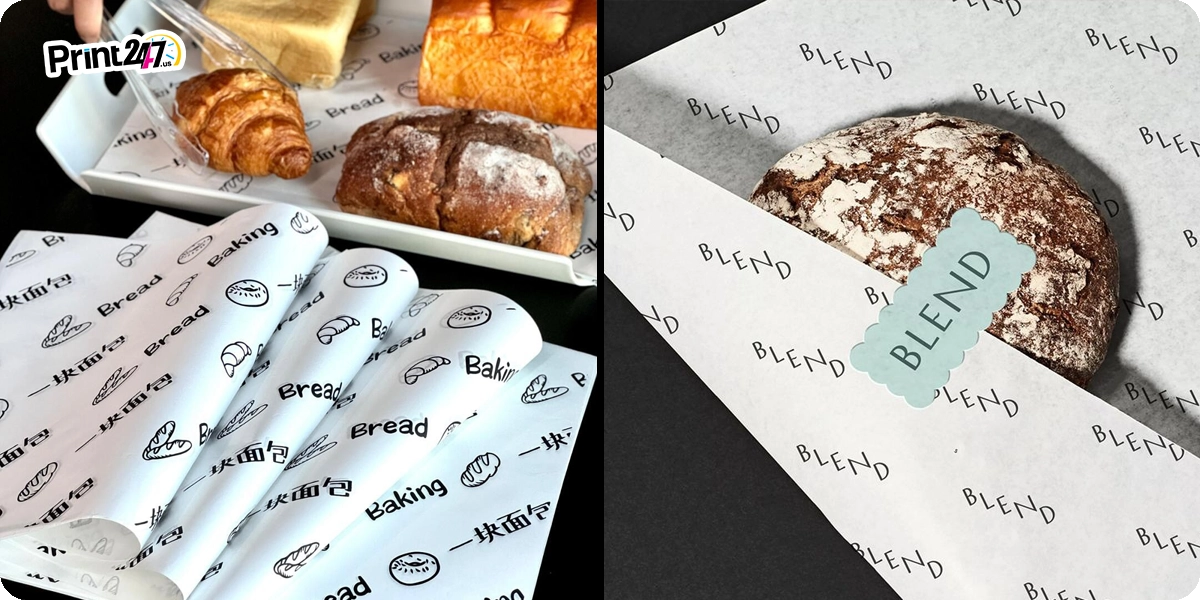
High-quality materials are crucial to maintaining the appearance of baked goods. When you use the right paper, your baked goods will pop out of the pan easily. Pastry chefs often debate whether to use baking paper or wax paper.
A butter sheet provides a non-stick surface that is flawless. They are perfect for lining cake pans and cookie sheets. If you lift your baked goods carefully, they won't break. Some bakers use wax wraps for cold prep work. You can sift flour onto it or roll out pie crusts on top of it. Just remember to remove it before the actual baking process begins.
Wax paper vs butter paper for baking cakes
Always use butter sheets to line your cake pans. They peel off easily and leave your sponge cake perfectly intact. You can use wax wraps as a cheap surface to frost cakes on. However, never put them in the oven with your cake batter.
Wax paper vs butter paper for baking cookies
When baking cookies with butter paper, you will prevent the bottoms of your cookies from sticking and burning. You can keep your expensive baking trays completely clean with it. When baking cookies, never use wax sheets. It will melt into the cookie dough and create a nasty, smoky mess.
Which One Should You Choose: Wax Paper or Butter Paper?
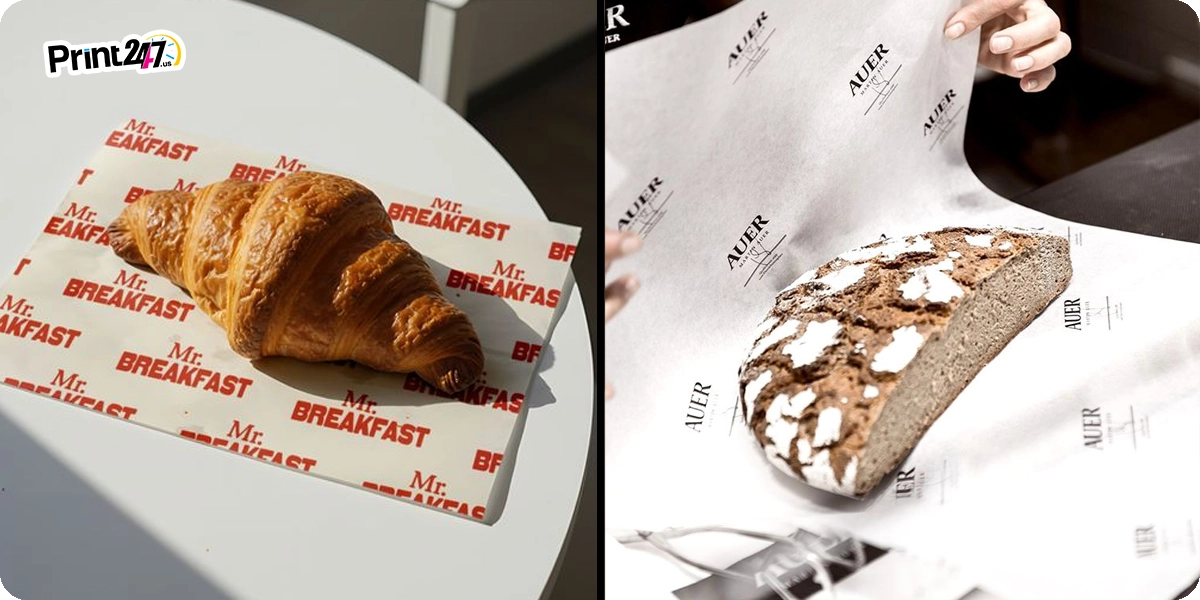
The final decision completely depends on the menu and the amount of storage you need. Take a look at your daily kitchen routine to determine the best place for each paper. It is often best to use both materials in your kitchen to yield the most effective results. Keep wax on the cooking tables and butter sheets near the ovens. It is important to use a smart packaging strategy in order to reduce costs and keep food safe. While wax paper can replace parchment paper for cold prep, it cannot be used for baking.
Choose wax paper if:
You need to wrap raw meats, cheeses, or cold deli sandwiches. You can also use it to separate burger patties in the freezer. Invest in this if you want a water-resistant, cheap cold storage barrier.
Choose butter paper if:
You run a bakery and need to line hot oven trays. This is an essential ingredient for wrapping hot, greasy foods like fries and juicy burgers. Using this method, you won't have grease stains ruining your design.
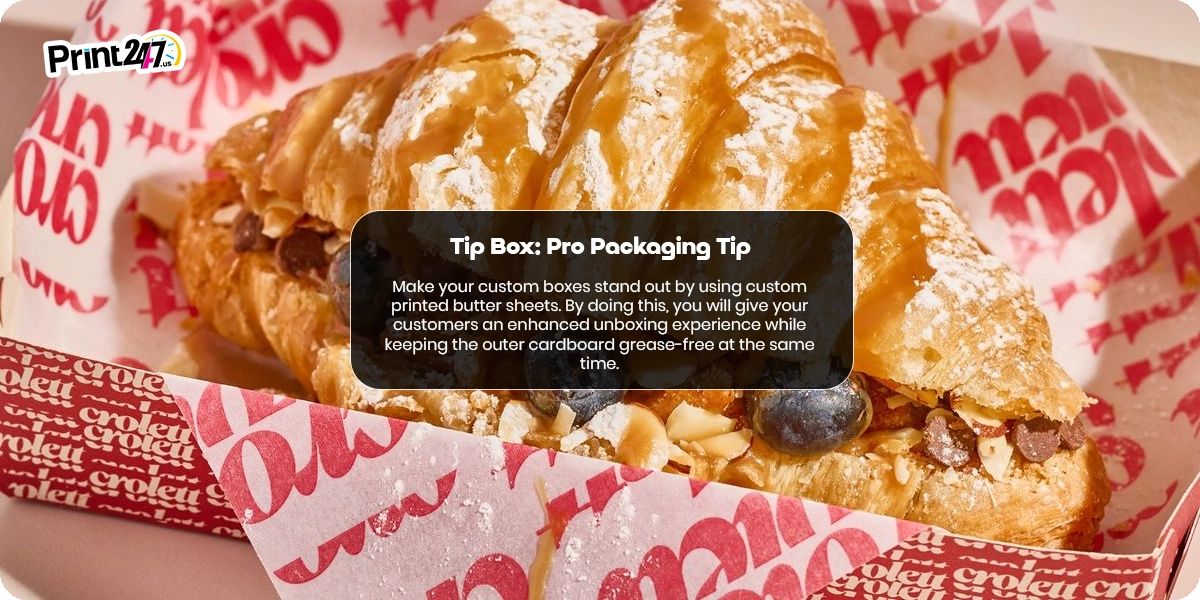
Make your custom boxes stand out by using custom printed butter sheets. By doing this, you will give your customers an enhanced unboxing experience while keeping the outer cardboard grease-free at the same time.
Final Thoughts on Your Packaging Strategy
When you upgrade the wraps on your food, your customers will have a much better perception of your brand. You prevent grease leaks, keep food fresh, and make your logo stand out.
Are you ready to step up your food packaging strategy?
Purchase custom packaging from Print247, a leading US packaging supplier. Besides free design help, we also offer free shipping, eco-friendly materials, fast shipping, and test samples. We can help you secure the best custom printed wrappers for your business. Contact us today for more details.
Get a Quick Quote

More Articles
 Bill ‘Hogg’ Ryan
Why Molded Pulp Is Replacing EPS Foam in Electronics Packaging
.webp?alt=media&token=44aab0e6-697f-4750-8207-5f71c33e2958 "Pharmaceutical Packaging Requirements") Bill ‘Hogg’ Ryan
Bill ‘Hogg’ RyanWhat Are Pharmaceutical Packaging Requirements?
 Bill ‘Hogg’ Ryan