

Carefully selected materials that deliver exceptional print quality, durability, and shelf presence.


 New
New














What Are Pharmaceutical Packaging Requirements?
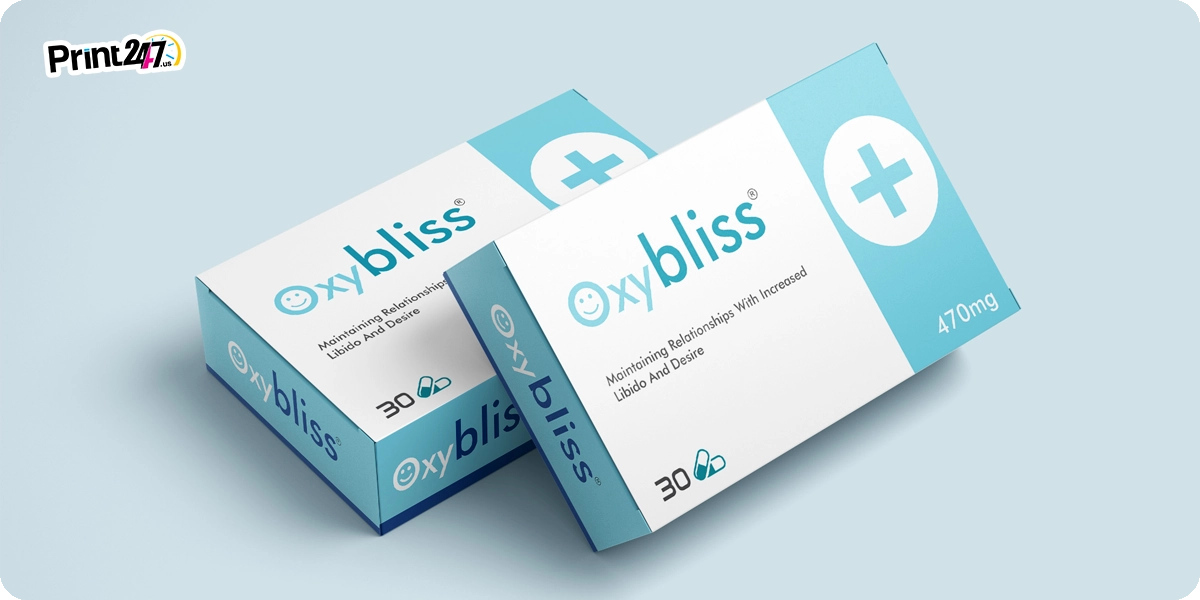
Packaging compliance is a non-negotiable priority in the pharma industry. Pharmaceutical packaging requirements are the regulatory standards that govern how medications are contained, what materials are used, and how they are labeled, protected, and delivered to patients.
Pharma packaging must:
Keep drugs safe from environmental factors.
Meet FDA, GMP, and international standards.
Stay chemically compatible with the drug for maximum safety.
Preserve sterility and stability, and extend shelf life.
Include tamper evidence and child resistance features.
Include accurate labels, lot codes, instructions, and traceability data.
Primary packaging that comes in direct contact with drugs serves as the most critical defense for drug safety and efficacy. Secondary packaging must protect products during storage and transport.
As experienced manufacturers, we know that the pharma industry is growing through stringent regulatory shifts, such as:
Fast technological advancements
Growing patient safety concerns
The best thing we can do right now is to understand the core requirements first. This detailed guide is for manufacturers, regulators, and healthcare providers. It will walk you through some of the basic requirements for pharma packaging.
What is Pharmaceutical Packaging?
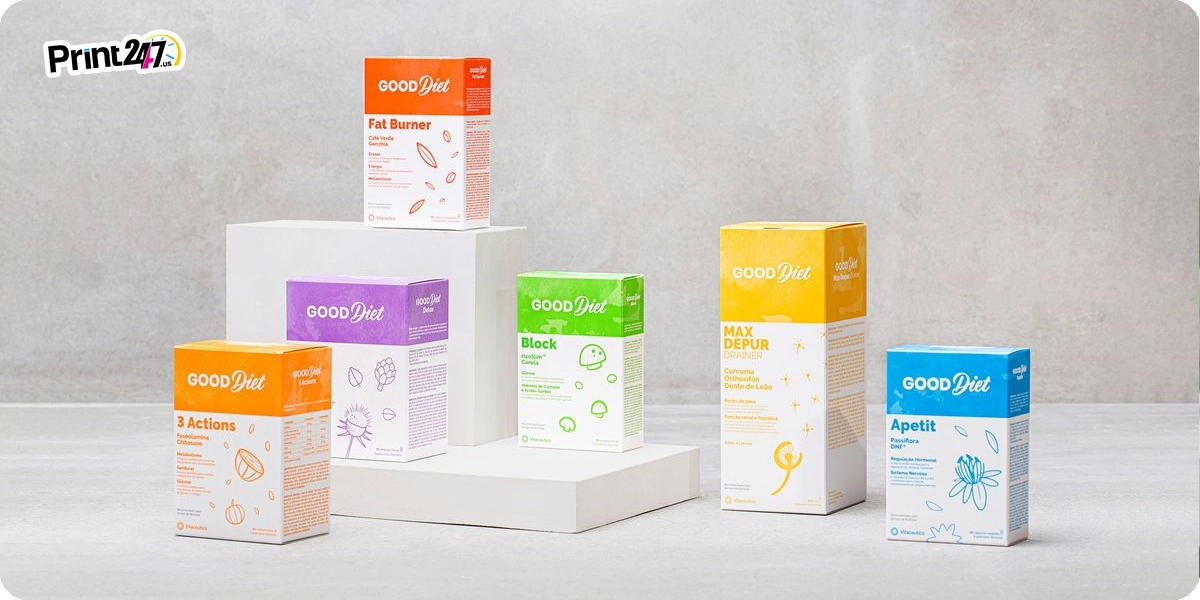
Pharmaceutical packaging is the protective packaging that is used to preserve and safely deliver the medicines and other healthcare products. It is made of high-quality, FDA compliant materials and used to protect medical products during, shipping, handling, and use.
Medicine needs to be protected at all costs; therefore, they are moved through three layers of packaging.
These three packaging layers include:
Primary packaging: That’s the first layer of packaging that touches the formulated product directly. This critical packaging is engineered to keep sensitive medicine completely sterile and safe.
Secondary packaging: This packaging layer acts as an additional layer of protection. It is designed to hold a primary package. For example, paperboard cartons. This packaging layer offers amazing branding opportunities.
Tertiary packaging: This layer of packaging is employed for bulk handling and transportation. For example, large shipping boxes.
Check the table below to understand each packaging level in detail:
Packaging Level | Role | Examples | Primary Requirement |
Primary packaging | Directly contacts the product | Blister packs and vials | Compatibility, protection, closure integrity |
Secondary packaging | Groups and identifies primary packaging | Folding carton, insert/leaflet, overwrap, multipack | Labeling accuracy, tamper evidence, added protection |
Tertiary packaging | Supports handling and distribution | Shipping case, pallet, insulated shipper | Transport protection, traceability, temperature control |
What Are the Key Functions of Pharmaceutical Packaging?
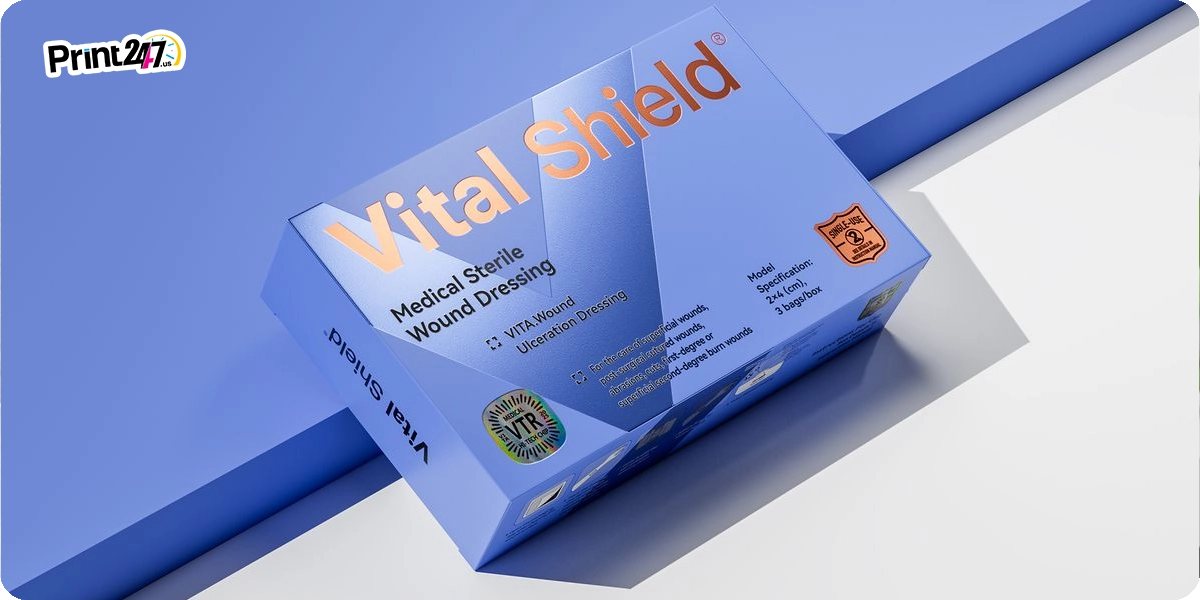
Packaging in the pharmaceutical industry isn’t just a way to enclose products. It is used to serve a far more important purpose, which is vital for the health and safety of patients and medical professionals. Its main jobs include:
Containment: Pharma packaging provides a secure and sterile environment that allows businesses to prevent tampering and spillage.
Compliance: Compliant packaging that fully adheres to regulatory standards set by authorities in the USA.
Information: Include labels that show the drug name, dose, batch number, and expiry date.
Protection: It should safeguard the pharmaceutical products from moisture, heat, and contamination.
Pharmaceutical packaging matters more than you think. It helps preserve drug potency and guarantee legal compliance across the global supply chain. The pharmaceutical packaging market size is rising globally. It was valued at USD 116.58 billion in 2025 and is projected to expand to USD 201.69 billion in 2034.
Exploring the Core US Regulatory Requirements for Pharmaceutical Packaging
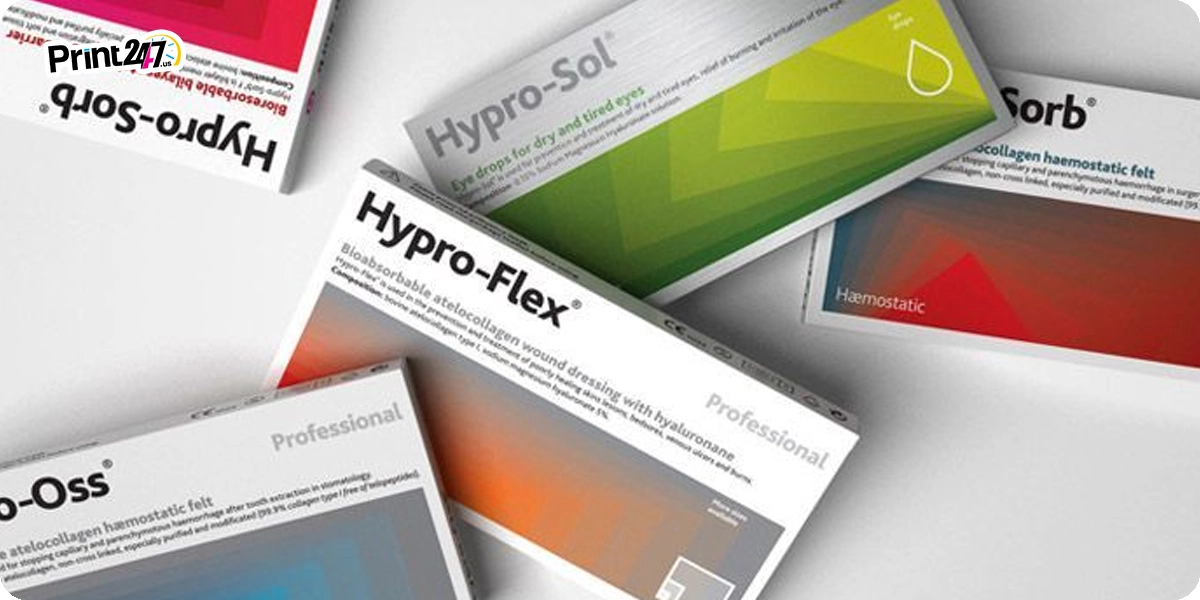
Pharma packaging needs to meet a set of regulatory standards designed specifically for patient safety. These rules cover everything, such as:
Materials that touch the product
Printed labels on the box
Here are some of the important US regulatory requirements for pharmaceutical packaging and labeling:
FDA cGMP
cGMP stands for Current Good Manufacturing Practice. It's the foundation of pharma packaging compliance. Manufacturers need written procedures for the entire packaging process. In simple words, nothing gets packaged without documentation that directly proves it was done correctly and consistently.
Container & Closure Suitability
This regulatory requirement ensures that the packaging touching the product is non reactive, non additive, and non absorptive. Packaging shouldn’t chemically interact with the product or release any toxins into it.
Tamper-Evident Packaging
Products sold at retail need to have visible proof if someone has tampered with the package. Brands can add tamper evident features such as:
Foil seal
Shrink band
Breakable cap
This feature helps build trust among consumers and build a strong brand identity.
Child Resistant Packaging
Under the Poison Prevention Packaging Act, the packaging must include child resistant and unique packaging features. This is especially necessary for most oral medications and over the counter (OTC) medications. Such packaging is hard for young children to open but still manageable for adults.
Serialization & Traceability
The Drug Supply Chain Security Act (DSCSA) mandates a standardized, fully traceable product identifier, such as:
Serial number
Lot number
Expiration date
The outer packaging must include essential product identifiers in both highly legible human-readable text and high-density scannable 2D data matrix barcodes. This allows complete, end to end track and trace visibility through the entire supply chain.
Labeling Requirements
FDA requirements for pharma packaging are pretty strict. Packaging must follow strict FDA rules to remain fully compliant. Reliable labels must stay securely attached and be perfectly easy to read.
They need to clearly display accurate dosages, key active ingredients, clear instructions, and vital safety warnings. Required labels must support excellent ink adhesion, robust chemical resistance, and durable smear resistance to guarantee they remain perfectly readable under various demanding storage and handling conditions.
Requirement Area | Regulation | What You Need to Do |
Traceability | DSCSA | Print a unique and scannable ID. |
Manufacturing Controls | cGMP | Keep clear, written records and procedures for setting up and running packaging lines. |
Container Suitability | Drug product containers and closures | Brands should make sure packaging protects the drug and doesn't chemically react with it. |
Labeling Control | 21 CFR 211.122 & .130 | Strictly manage and store labels and materials so they don't get mixed up. |
Tamper-Evident | FDA regulations under 21 CFR 211.132 | Over-the-counter (OTC) drugs must show a clear, visible sign if they have been opened. |
Child Resistant | PPPA | Design packaging that's challenging for children under five to open. |
Material Requirements for Pharma Packaging
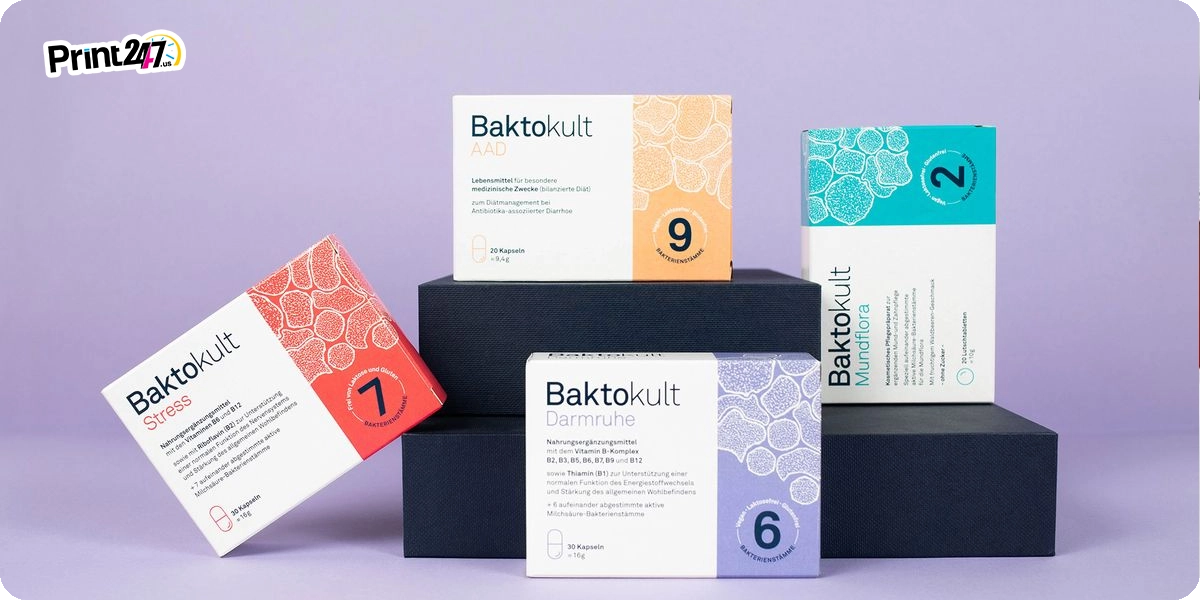
Not every packaging material functions the same way. The ones that hold the drug must meet the regulatory requirements. Packaging materials must be compatible, which means they should not leach anything into the medication, and the material should not absorb anything from the medication. Inks used for printing can also cause major problems if they haven't been tested with the actual drug formulation.
This is why the FDA and USP require extractables and leachables testing. Extractables studies identify what a specific material could release under lab conditions, while leachables studies examine what migrates into the drug during storage.
High-quality paper packaging, custom designed boxes, reliable labels, and detailed inserts are used to offer excellent moisture protection, maintain crisp printing, and ensure sturdy box strength. This guarantees that vital information remains clear to read, and the durable cartons stay intact during long-term storage and demanding shipping conditions.
A well designed medicine carton must protect the primary packaging from any physical damage without interacting with the drug itself.
Checklist Before Choosing a Pharmaceutical Packaging Partner
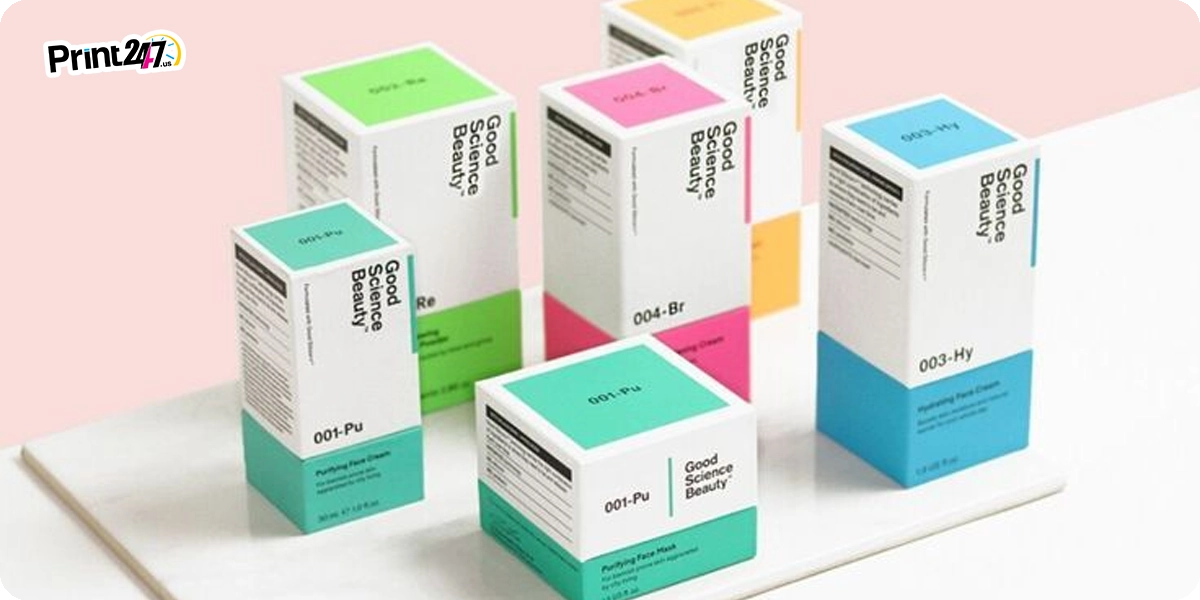
It is compulsory to evaluate your prospective pharma packaging partner based on specific criteria before making the final decision. Review the core requirements using the pharmaceutical packaging checklist below:
Criteria | Why It Matters |
cGMP certification | Confirms documented, auditready quality systems |
US-based manufacturing | Shorter lead times, easier compliance oversight |
DSCSA serialization support | Required for covered prescription drug packaging |
Line clearance & inspection systems | Prevents label/product mix-ups |
Proven turnaround/lead times | Supports product launch timelines |
Check with your packaging supplier if they provide high quality medicine packaging that meets the required regulatory standards. Be sure to confirm whether they follow strict FDA regulations and provide samples prior to final production. A supplier with short lead times will make sure you receive your packaging on time.
Partner with Print247 to create packaging that safeguards your medicines from any external damage and contamination.
Final Thoughts
Pharmaceutical packaging requirements represent one of the most complex regulatory environments in the packaging industry. Packaging isn’t just about product safety; it’s more about patient safety. cGMP compliance, material safety, tamper evidence, child resistance, and serialization, these packaging requirements exist to ensure product safety, accurate labeling, and traceability.
An experienced packaging partner such as Print247 helps pharma brands and contract manufacturers stay compliant. We offer brands high quality cartons and ensure accurate labeling. Count on us to package your product the right way. Request a free custom quote today and speak to our team about your pharmaceutical packaging needs.
FAQs
What if pharmaceutical packaging does not meet FDA requirements?
Non compliant pharma packaging can cause companies to face severe regulatory penalties and legal actions. If non compliant pharma packaging came in direct contact with a patient and caused them any serious health issues, criminal prosecution is possible under the Federal Food, Drug, and Cosmetic Act. It can also cause costly product recalls.
Is child resistant packaging required for all prescription drugs?
No, specialized child-resistant packaging is strictly required for oral prescription medications under the federal Poison Prevention Packaging Act. While this protective design can also be utilized for a broad range of other products, such stringent packaging is not a universal requirement.
How does packaging affect patient safety?
Packaging helps doctors and nurses to see and scan the product at the point of care. It influences patient protection by stopping contamination and medication mistakes and guaranteeing that all medical devices and drugs remain sterile.
What does serialization mean in pharmaceutical packaging?
Serialization in pharma packaging simply means the process of assigning a unique identifier or a serial number to every sealable unit of a drug product. This shows the product lot number and expiration date.
Get a Quick Quote

More Articles
 Bill ‘Hogg’ Ryan
5 Mushroom Supplement Packaging Ideas That Stand Out in a Crowded Market
 Bill ‘Hogg’ Ryan
How Packaging Tariffs Change the Real Cost of Imported vs. US-Made Packaging
 Bill ‘Hogg’ Ryan