

Carefully selected materials that deliver exceptional print quality, durability, and shelf presence.


 New
New






The Ultimate Guide to Peptide Box Inserts (Foam vs. Cardboard vs. Molded Pulp)
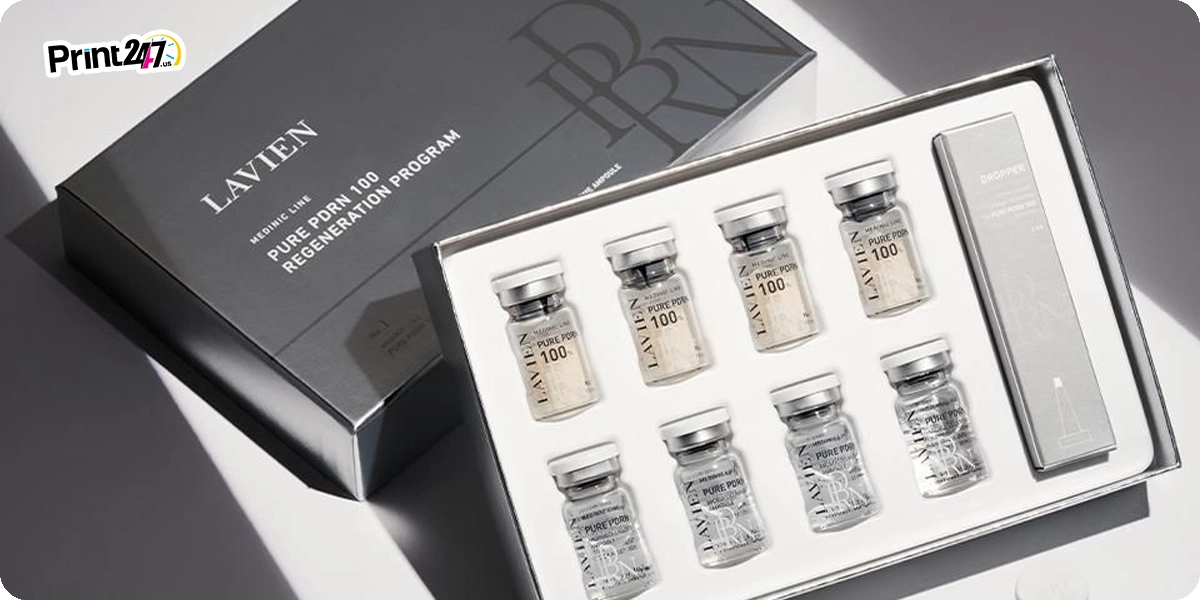
Peptide brands lose thousands of dollars every year due to structural packaging failures. The issue isn't always the outer box, but rather the lack of proper inserts holding the vials inside. Glass vials shift and break when shipped with proper support. Missing support leads to damaged products and angry customers.
Peptide box inserts solve this exact problem by locking fragile containers strongly in place. They play an integral role in overall packaging structure. Especially when working with highly sensitive and premium compounds like peptides, your packaging insert determines whether the product will be delivered safely or if it will suffer shipping hiccups.
Sensitive chemical compounds and vials need more attention and protection than other medical products. If you choose weak inserts, condensation from iced packs can turn the packs soggy and collapse. This blog is written to educate business owners and brand managers about different insert material options including foam, cardboard and molded pulp. Picking the right choice keeps your products safe and builds trust with buyers.
Let’s start.
What Are Peptide Box Inserts?
Peptide box inserts are custom engineered interior trays placed inside the packaging to hold and organize the fragile vials or injections. These structures grip the vials securely so they can’t move during rough shipping routes.
The core function of these box inserts is protection of premium peptide products. A business owner considers them far more than that. They are silent guardians of your expensive formulas. A good peptide packaging insert acts as a shock absorber. They also stop vial to vial contact and prevent them from breaking.
Why Material Choice Matters for Peptide Packaging? Foam vs. Cardboard vs. Molded Pulp
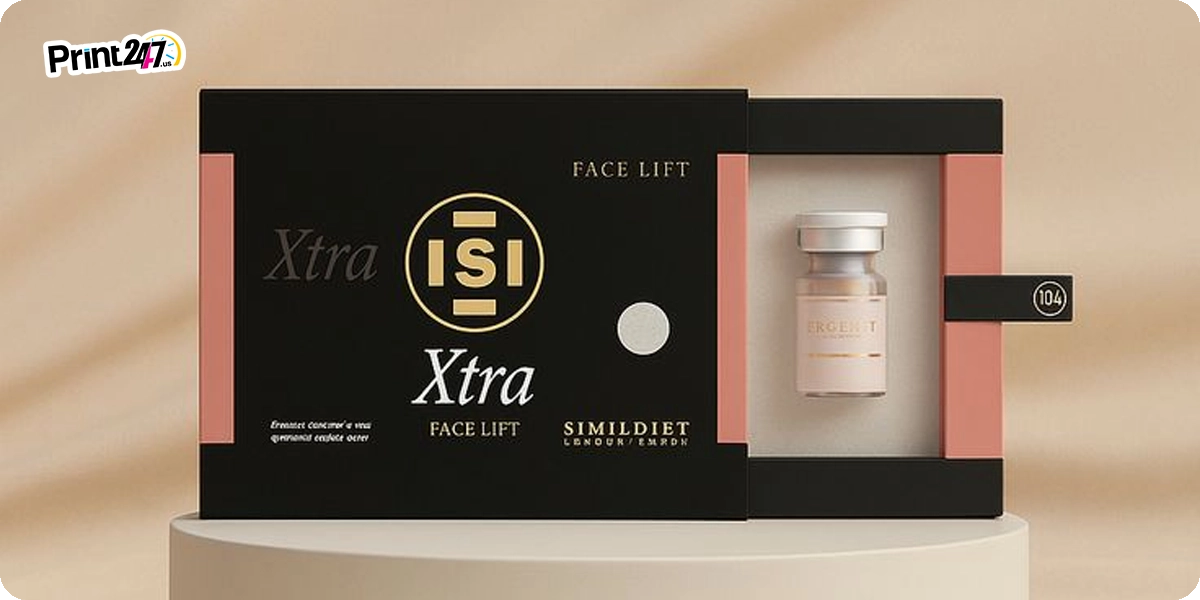
As peptides are included in sensitive items, packaging them in cheap plastic trays can put your entire product line at risk. Material choices directly affect your product durability and final product costs. While a flimsy material may save money, it will cost dollars if it breaks when it reaches customers.
Brands with high volume B2B sales prioritize bulk pricing for retail distribution and maximum protection. Small pharmacies and DIY sellers typically require affordable easy to source materials for low volume orders. It is important to match your budget with your shipping environment when selecting the right fit.
Here’s the detail of each material available for peptide box inserts.
Foam Inserts for Peptide Boxes
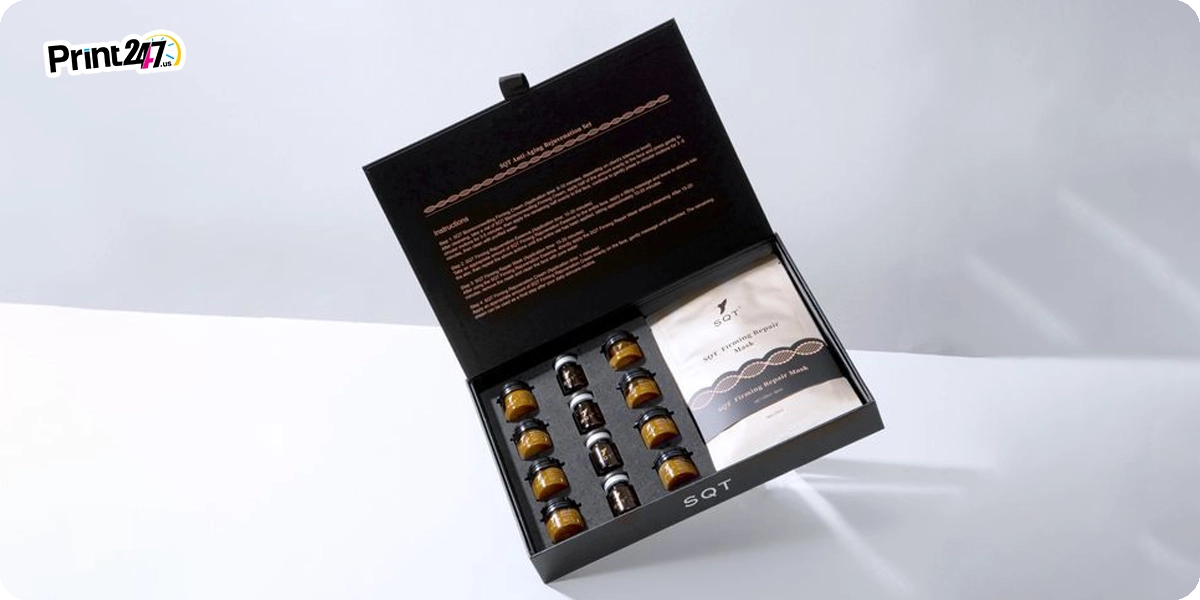
Adding foam inserts to fragile glass provides the best cushioning. The peptide packaging manufacturers typically use sponge foam or EVA foam for these structures. Factories die-cut exact cavities into the foam to support each vial correctly. During fast transit, the tight fit ensures there is no movement.
Foam acts as a massive shock absorber against drops and heavy impacts. It is the top choice for expensive peptides that need maximum protection. Foam also looks incredibly premium inside retail packaging. Customers immediately notice the high-end feel.
Best suited for:
Expensive retail kits requiring a luxury feel.
Premium brands selling expensive formulations.
Single and multi vial sets needing exact placement.
Cold chain shipping where extra insulation helps.
It is best to choose an EVA foam insert over standard sponge foam if you need clean and sharp edges for a luxury presentation.
Pros and Cons of Foam Inserts for Peptide Boxes
Pros
Gives maximum protection to glass against impact.
Creates a premium and memorable unboxing experience.
Customization is easy with accurate die cutting.
Holds heavy or oddly shaped items firmly.
Cons
Highest cost among all insert materials.
Not recyclable or biodegradable.
Requires more warehouse storage space.
Often requires a higher minimum order quantity.
Cardboard Inserts for Peptide Boxes
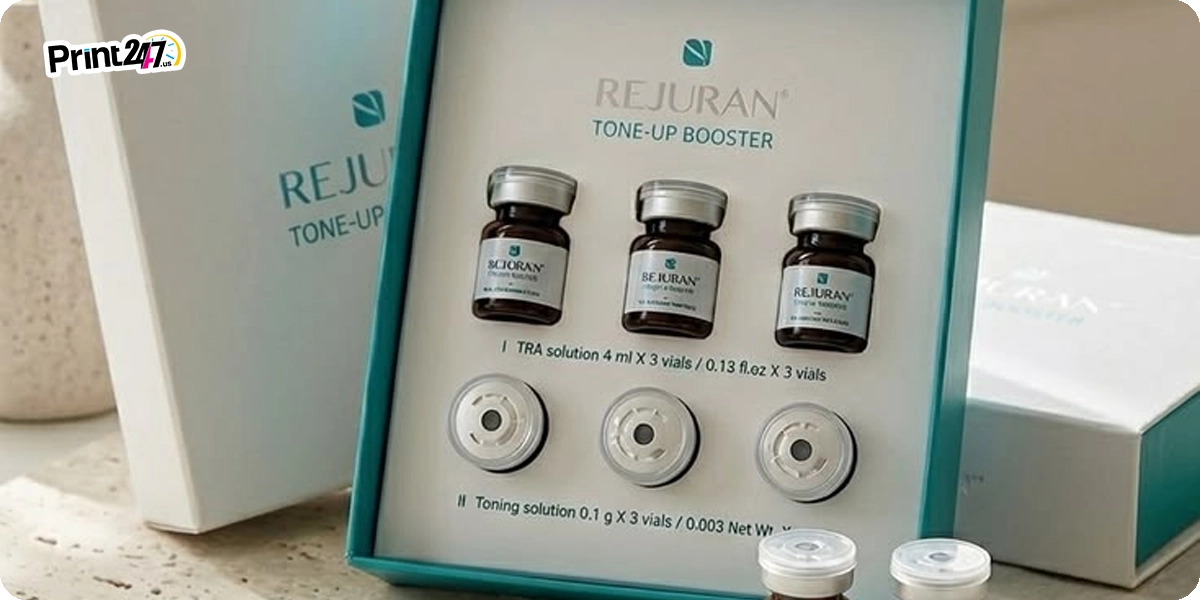
Cardboard inserts are lightweight dividers or folded trays made from simple paper stock. Factory workers fold and cut these sheets into simple compartments for each vial. The affordable option is highly popular for basic organization and quick separation.
Die-cut cardboard inserts keep vials from contacting each other inside shipping cartons. They offer lower cushioning than foam but work perfectly for multi-vial kits moving short distances. A large number of DIY sellers rely on this material. A cardboard insert is the most accessible and affordable option for small businesses. It is easy to fold these by hand without investing in expensive tooling.
Best suited for:
Efficient DIY sellers and small businesses.
Large multi vial wholesale shipments.
Lightweight kits moving inside larger padded mailers.
Companies that need fast and affordable packaging.
Pros and Cons of Using Cardboard Inserts For Peptide Boxes
Pros
Highly affordable for tight budgets.
Fully recyclable and environmentally friendly.
Ships flat to save massive amounts of warehouse space.
Ideal for large scale wholesale packaging.
Cons
Offers much lower impact cushioning than foam.
Looks basic and less premium to retail buyers.
Flimsy when holding heavy and oversized bottles.
Can tear or bend under heavy downward pressure.
Molded Pulp Inserts for Peptide Boxes
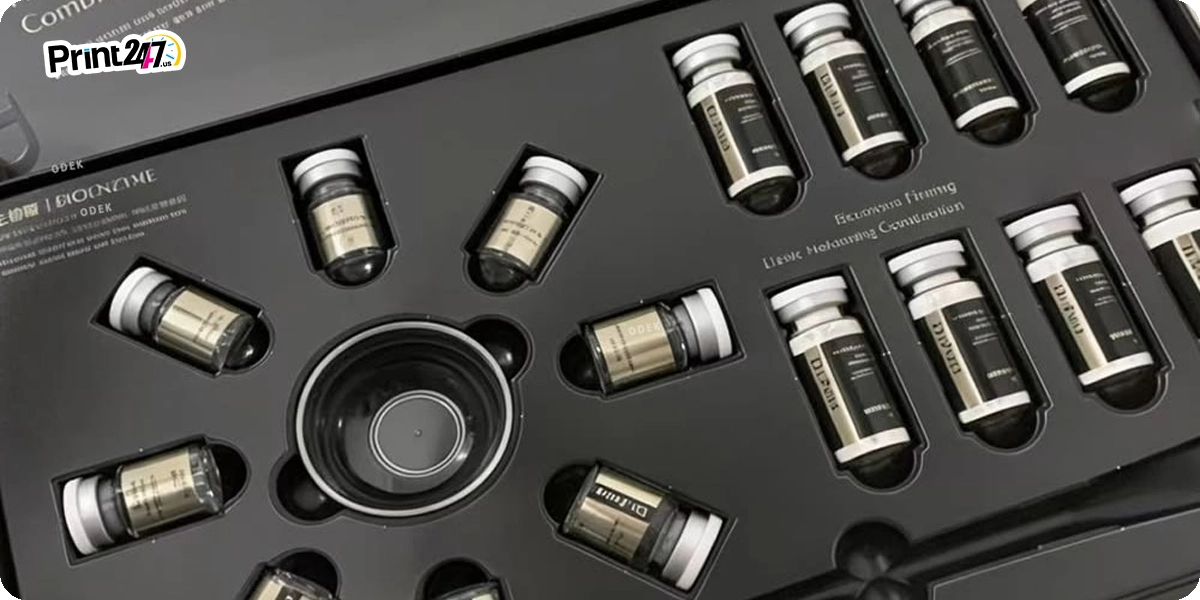
Molded pulp inserts are custom trays that can also be used for this purpose. They are made from recycled paper fibers pressed into exact shapes. Think of them as thick and sturdy egg cartons for your vials. These inserts are the best biodegradable alternative to plastics and thick foams.
A molded pulp insert provides strong and sustainable cushioning for delicate glass. Brands who care about sustainability are now using pulp to show buyers they care about the environment. Vials are held tightly in place by the material while moderate shocks are absorbed well by it. Pulp is quickly replacing plastic trays in the pharmaceutical world as eco friendly packaging demands are growing day by day.
Best suited for:
Sustainable brands pushing green initiatives.
Medium to large production runs needing custom molds.
Businesses seeking biodegradable shipping solutions.
Products requiring moderate shock absorption.
Over 70% of modern consumers actively seek out sustainable packaging materials like molded pulp when they purchase health and wellness brands. [Source]
Pros and Cons of Molded Pulp Inserts
Pros
Excellent environmental credentials and fully biodegradable.
Provides good and moderate protection against drops.
Projects a strong environmentally responsible brand image.
Extremely durable once molded into a custom shape.
Cons
Involves expensive upfront tooling and mold fees.
Usually demands a high minimum order quantity.
The rougher texture lacks a polished luxury finish.
Color options are mostly limited to natural brown or white.
It’s a strategic decision to choose insert material that is suitable according to budget and brand values. You should view it as a permanent investment that pays off in the long run. If you’re unsure or puzzled between these three peptide box insert materials, it’s best to seek advice from packaging experts.
Foam vs. Cardboard vs. Molded Pulp Full Comparison
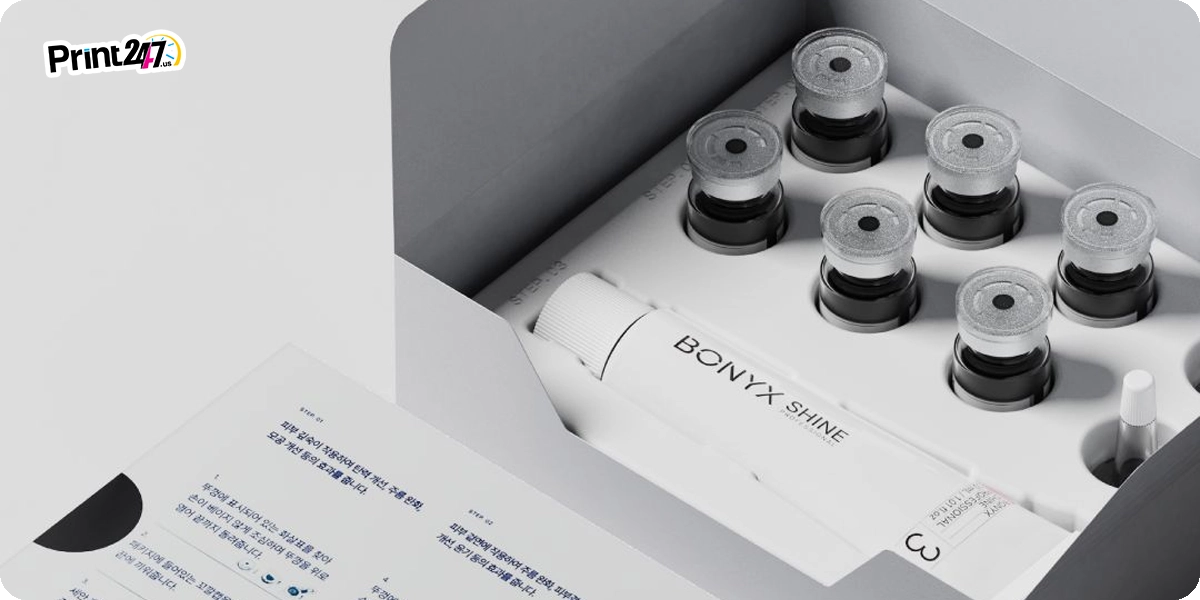
The final decision is made much easier when you compare the facts side by side. Depending on your budget, volume, and brand image, each material serves a distinct purpose. In the table below, we compare the key features of the best peptide box inserts available today. Using this data, you can find the physical materials that work best for your business.
Material | Protection Level | Cost | Sustainability | Best For | Customization Ease |
Foam | Maximum | High | Low | Premium retail kits | Very High |
Cardboard | Low | Low | High | Budget & DIY sellers | High |
Molded Pulp | Moderate | Medium | Very High | Eco-friendly brands | Low (high tooling) |
Which Peptide Box Insert Option Is Best for You?
To justify high purchase volumes, wholesale brands need the maximum level of protection and branding. Foam remains the top choice for these luxury companies due to its luxury feel and drop safety.
DIY prosumers and Etsy sellers usually prioritize cost and quick accessibility above all else. Cardboard is perfect for these small sellers because it does not require expensive tooling and ships flat.
For long distance glass shipping, foam or pulp is necessary to avoid transit shocks. Simple cardboard dividers are inexpensive to use in a local laboratory to separate vials. Make your final choice based on the number of vials and shipping distance.
Choosing Peptide Box Inserts by Use Case
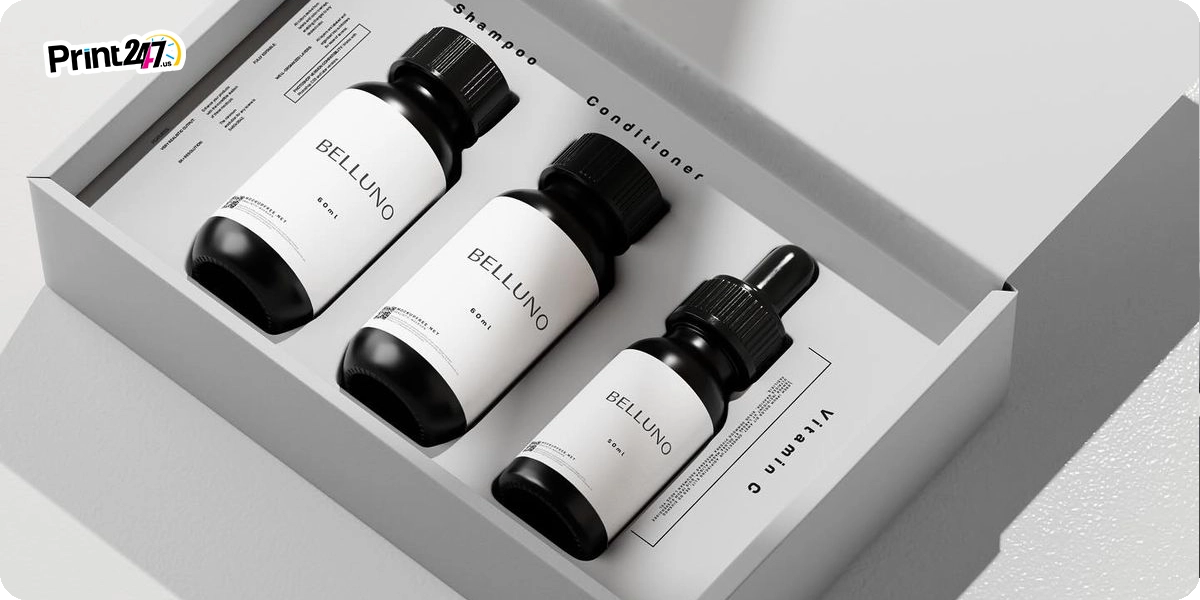
There is no single perfect peptide insert. A material that works for a premium anti aging vial may not be suitable for a low budget weight loss vial. Therefore it's essential to match insert engineering with specific business models and use cases.
Here are some use cases of peptide box inserts.
Research and Lab Use
Utility is the most important factor here. Cardboard dividers allow quick access and easy counting for technicians. The appearance is less important than the cost and simplicity of the organization.
Retail and E-commerce Kits
Retailers rely on presentations to drive repeat sales. Foam inserts showcase the product beautifully while preventing glass from shattering during rough postal delivery. Trust is directly increased by a premium unboxing event.
Wholesale Shipping
Packing bulk shipments requires high efficiency. Cardboard grids work perfectly for a 100-vial master carton. They prevent heavy freight weight and high unit costs from being added to glass separation.
Cold-Chain Storage
Temperature sensitive shipments need extra insulation inside the package. The high density foam excels in this environment. The thick paper products retain cold air from ice packs better than thin paper products.
Expert Insight: What Packaging Professionals Recommend
Many new brand owners make the mistake of choosing a material based on looks alone. Packaging professionals always look at logistics first. High minimum order quantities easily ruin a small business budget. Do not order custom molded pulp if you only need 500 units. The custom mold fees will destroy your profit margins instantly. Avoid laser cut foam or cardboard for small runs.
Sizing is another common error. Vials vary slightly in diameter based on the glass manufacturer. Always send physical vial samples to leading printing and packaging supplier Print247 before approving an insert design. A mismatch of just two millimeters causes vials to rattle loosely or get stuck. We see sustainable pulp adoption growing rapidly today. However, foam remains the undisputed champion for purely protecting fragile glass in transit. Print247 perfectly engineers these solutions to match your specific vial dimensions.
Final Thoughts
Foam, cardboard, and molded pulp all serve unique roles in packaging. Foam dominates premium protection, cardboard wins on strict budgets, and pulp leads the eco-friendly movement. The best peptide box inserts for your business will balance your protection needs, total budget, and brand presentation goals.
The buyer expects their glass vials to arrive intact and beautifully displayed. Partnering with Print247 ensures your products stay safe from the warehouse directly to the customer. Sustainability packaging trends are growing rapidly. So balancing green materials with strong structural protection will help your brand remain successful.
Get a Quick Quote

More Articles
 Bill ‘Hogg’ Ryan
How to Choose Sock Packaging for Peg Display vs Shelf Presentation
 Bill ‘Hogg’ Ryan
Types of Toy Boxes: 11 Custom Packaging Styles for Brands
 Bill ‘Hogg’ Ryan