

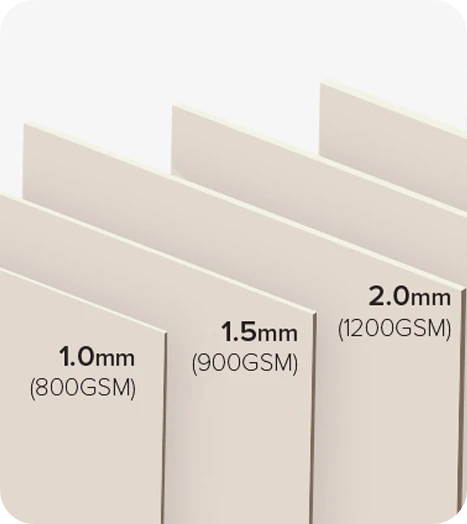
Carefully selected materials that deliver exceptional print quality, durability, and shelf presence.


 New
New





7 Modern Sustainable Pet Food Packaging Trends Shaping the Industry
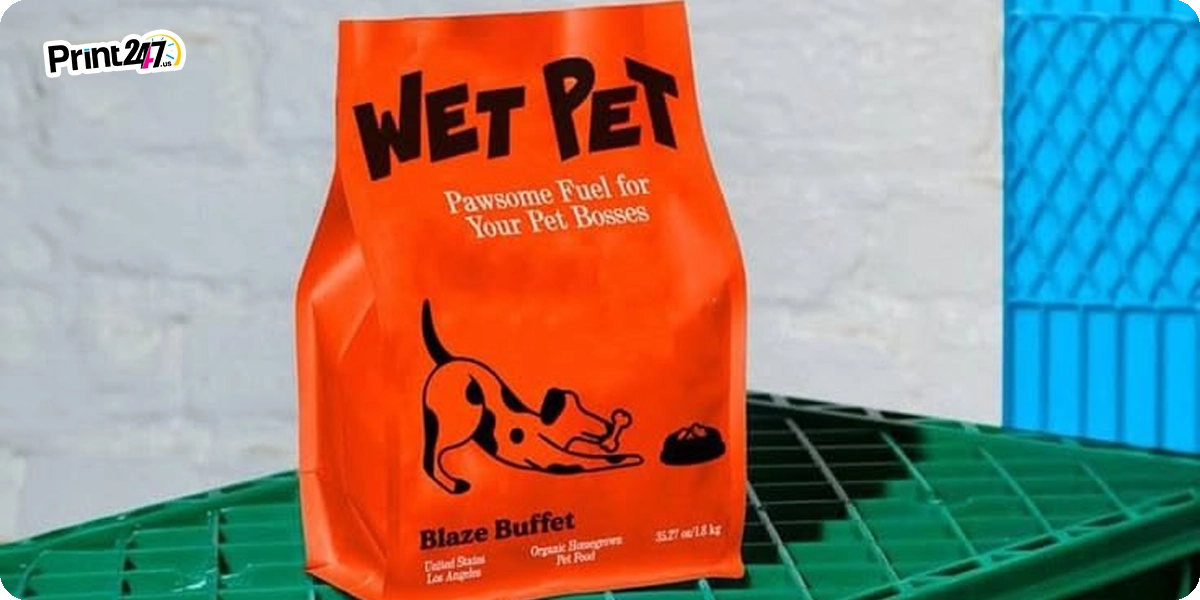
The modern pet products market is witnessing a massive transformation. Pet brands should study the new generation of pet owners who view their pets as family members and the planet as priority. Using outdated materials risks losing loyal customers and falling behind a rapidly changing market.
The pet food packaging market size is projected to grow from USD 12.79 billion in 2026 to USD 20.97 billion by 2034. In this rapidly growing market, sustainability is no longer a choice for pet brands. Several pet products companies once reliant on multilayer film are suddenly finding themselves left behind by brands that embrace sustainable technology. A combination of Extended Producer Responsibility laws and high consumer demand forces brands to change.
For many brands, transitioning from heavy pet food bags to an eco friendly alternative without sacrificing quality can be a nightmare. Well the good news is modern technology is now capable of fulfilling this demand. This blog details seven major pet food packaging trends changing the market right now. As a leading packaging manufacturer, Print247 provides the exact custom pet packaging you need to stay ahead.
Summary:
Mono materials make recycling easy for everyone.
Compostable bags suit fresh foods perfectly.
PCR plastics give old waste a new life.
QR codes build deep buyer trust.
Bulk formats reduce overall plastic use.
Smart barriers keep food fresh without mixed layers.
Custom designs keep your brand highly visible.
What Is Sustainable Pet Food Packaging
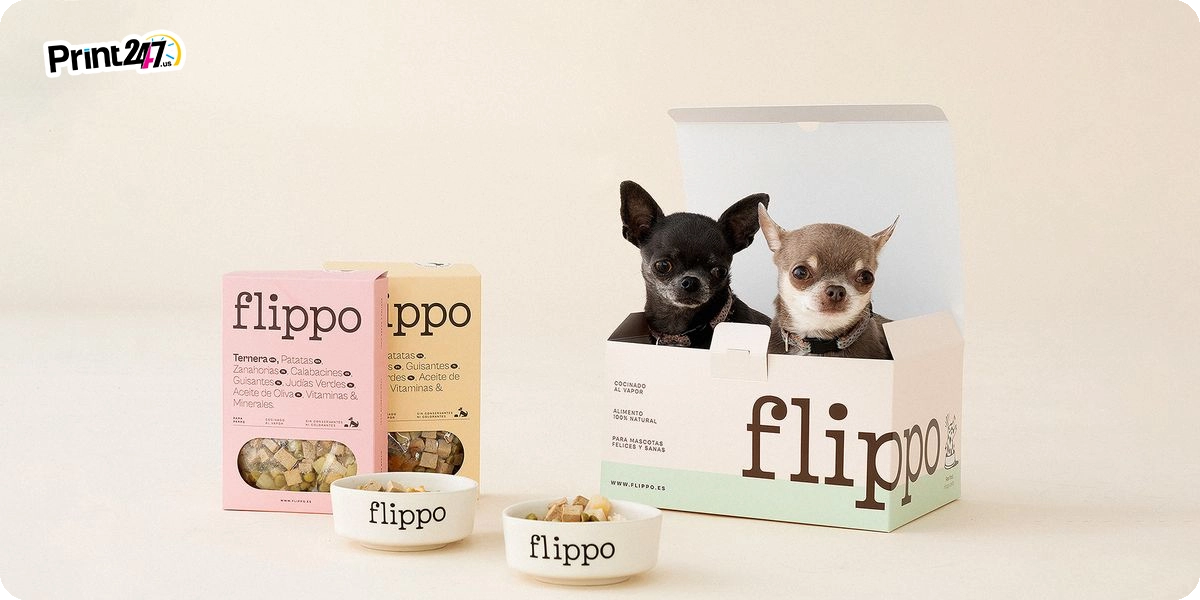
Sustainable pet food packaging refers to specific packaging that uses designs and materials that minimize environmental impact throughout their entire life cycle. It includes everything from bags to pouches and boxes to containers. Standard packaging often relies on mixed plastics that sit in landfills forever.
Animal food packaging must perform heavy duty functions like blocking oxygen and light, sealing in fats and oils, and keeping food fresh from warehouse to bowl. Historically achieving this was impossible. But now the technology has evolved and this challenge is being solved by utilizing recyclable materials, compostable structures and circular design principles. Print247 provides recyclable pet food packaging to help brands lower their carbon footprint easily.
Comparing Sustainable Pet Food Packaging Materials
Your budget and product needs will finalize the right material for your project. This quick guide compares some of the most eco friendly options for pet food packaging. You can use this data to balance cost and shelf life when creating sustainable pet product packaging.
Material Type | Cost Level | Barrier Performance | Typical Shelf Life |
Recyclable Plastics (PE / PP) | Low to Medium | High (Excellent Moisture Block) | 12 to 18 Months |
Compostable Films | Medium to High | Medium (Good Oxygen Block) | 6 to 9 Months |
Paper and Fiber Blends | Low | Low (Needs Inner Liner) | 3 to 6 Months |
Metal Tins (Wet Food) | High | Very High (Total Block) | 24+ Months |
7 Environment Friendly Pet Food Packaging Trends
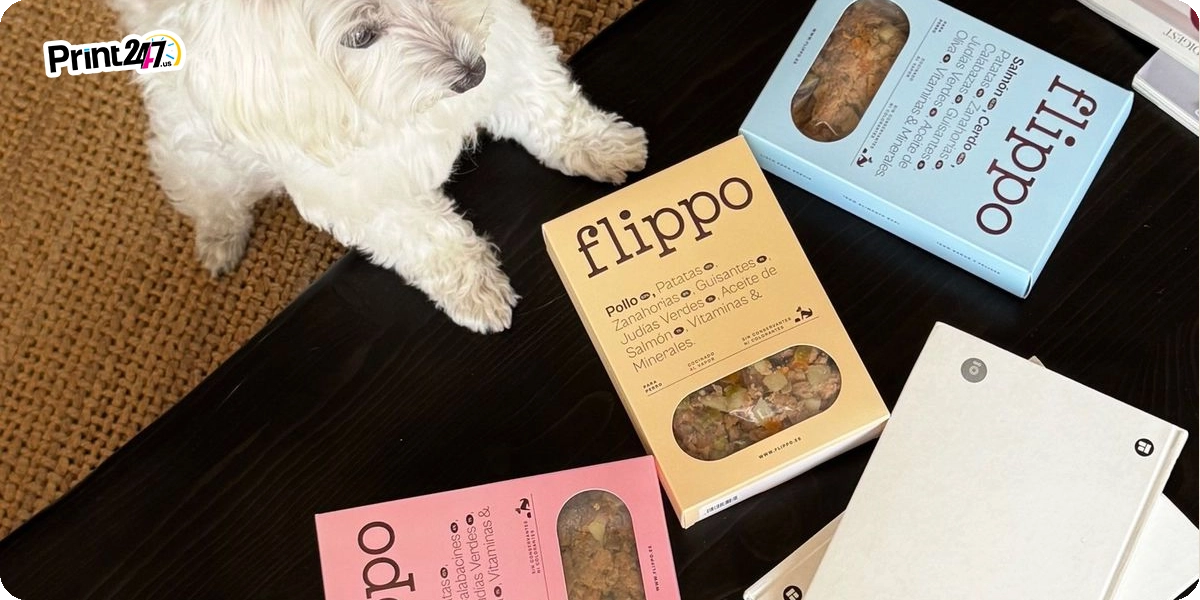
Making animal food packaging more sustainable doesn't just mean lowering carbon footprint. It is about securing market share and building deep brand loyalty. Brands are racing to meet new green packaging standards as the pet food industry moves quickly. Today's leading companies are adapting to legal pressure and consumer demands in these seven ways.
Let’s discuss one by one.
1. Recyclable Materials Take Center Stage
Currently, recyclable pet food packaging dominates the market. Brands rapidly switch to mono material pouches as they replace the performance of multilayer bags. Standard bags use mixed layers that recycling facilities reject. Mono materials contain only one type of plastic that can be recycled easily at store drop off bins.
Rigid recyclables also gain popularity for wet foods. These single-source plastics perform just as well as old virgin plastics. They keep food fresh and block moisture perfectly. Making this switch builds massive trust with your buyers. When pet parents can recycle your bag, they feel good about themselves. Print247 offers fully recyclable mono material options like mono PE that look amazing on retail shelves.
2. Compostable and Biodegradable Packaging Formats
There is a harsh truth about compostable packaging formats: they degrade on retail shelves before they reach the soil. But now this is a thing of the past. Now modern bio based packaging formats solve this problem by utilizing high performance plant-derived resins. These resins remain structurally stable until they reach a managed composting setting.
Pet food packaging made of biodegradable materials decomposes into fertile soil over time. Clearly label the disposal instructions on the container. It is necessary to compost these bags in industrial composting facilities. Putting them in your backyard garden pile won't break them down fast enough. Honest labeling is a valuable thing that builds strong buyer loyalty. Print247 prints the necessary disposal instructions on your bags to keep your brand compliant and trusted.
Composting Facts
Inform your customers if a bag requires an industrial facility. A false claim can anger buyers and trigger legal action. A clear label protects your brand reputation.
3. Post Consumer Recycled (PCR) Content on the Rise
In the past, pet food brands had no choice but to rely on bags that are made from exclusively petroleum based plastics. But now there is a trend of using products made of post consumer recycled content. In this technology, companies take plastic already used by people and repurpose it. Brands blend rPET or rHDPE into their sustainable pet food packaging safely.
The method drastically reduces carbon emissions. You do not sacrifice any barrier protection when you use PCR materials. Many flexible pouches now feature one third or half PCR content. This keeps plastic out of landfills and gives it a second life. The use of PCR materials signals to buyers that you care about the environment. The PCR films that Print247 sources are superior in quality and guarantee your kibble will remain safe.
4. Transparent Labeling and On Pack QR Codes
Modern pet owners are highly cynical about vague marketing buzzwords. Rather than just seeing a leaf icon, they want to know more about their purchase. They want to know exactly where their ingredients come from and how to properly recycle the bag. Sustainable pet food packaging now includes clear on pack labeling. Smart brands now add interactive QR codes that turn an ordinary pet food bag into an interactive digital gateway.
If a consumer stands in a retail aisle looking at your bag, wondering if it's truly eco-friendly. And you can't prove it right then and there, they will put it back. Failing to provide verifiable sourcing damages brand trust and forces shoppers toward competitors who offer clear accountability. With transparent labeling and QR codes buyers can easily get sustainability data. Brands can also put local recycling guidelines into their QR code data. Print247 prints labels with sharp QR codes that scan easily on any bag surface. We make transparency simple for your operations.
5. Bulk and Multi-Pack Formats Reduce Waste
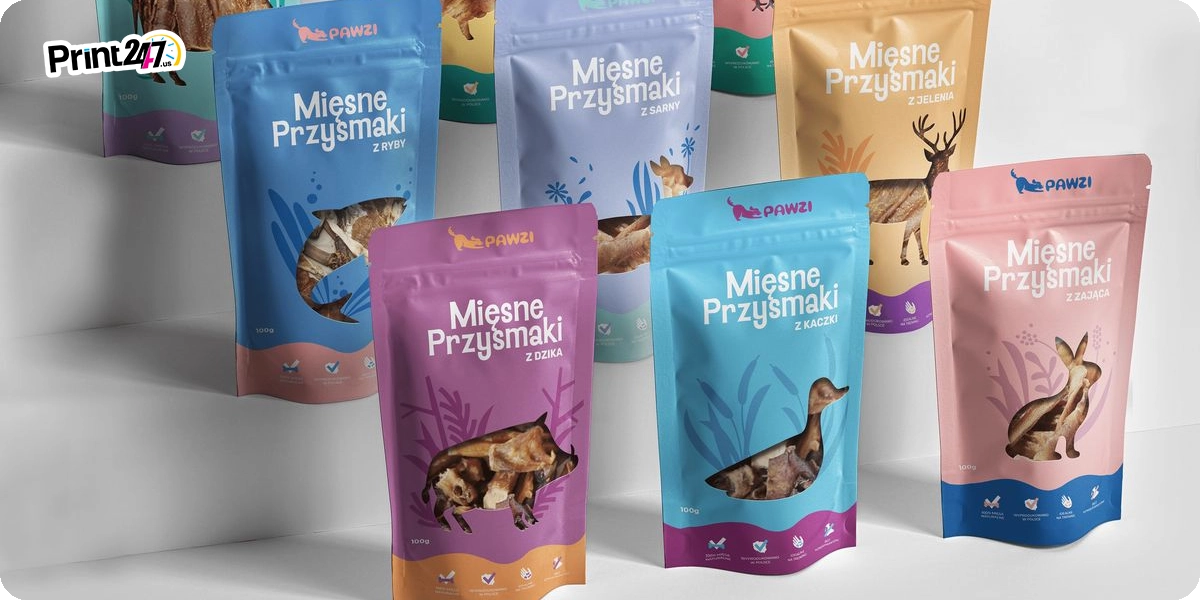
Sustainable pet product packaging also involves changing how food is sold. The trend focuses on larger bulk bags rather than small pouches or single serve packaging. The structural designs use advanced tensile resins that can withstand extreme weights. There is less waste per unit with these large bags and cut-to-size boxes. Compared to four 10 pound bags, a 40 pound bag uses less plastic.
The strategy reduces the frequency of purchases for buyers. Bulk formats work perfectly for both retail stores and e-commerce shipping. There is a slight compromise to consider. The cost of making and shipping large bags is higher upfront. However, the long-term material savings always win out. Overall, your brand uses fewer resources. We at Print247 manufacture strong bulk bags that can withstand tearing during shipping while remaining sustainable.
6. Advanced Recyclable Barrier Technologies
There was a complex multilayer laminate used on old dog food bags. They mixed foil, nylon, and plastic to block air. Recycling those mixed materials is impossible. A new generation of barrier technologies has changed the game today. The new mono-material films perfectly protect freshness. Their function is similar to that of the old bags in blocking oxygen and moisture.
These new films are fully recyclable, which is a big difference. There is a long shelf life for the product. It is not permanently disposed of in landfills. This type of smart film plays a crucial role in recyclable pet food packaging. Print247 utilizes superior mono material barrier technology that keeps your treats fresh and your packaging green.
7. Custom Brand Specific Sustainable Designs
Green bags do not have to look boring or plain. Custom pet food packaging gives you the opportunity to balance a green mission with bold shelf appeal. Rising demand pushes brands to use vivid and water based inks on sustainable materials. It is important to have a design that stands out from the competition while proving its eco credentials.
It is also essential to work directly with a skilled packaging manufacturer to get this right. The custom printed designs offered by Print247 are a specialty of the company. Whether it's a recyclable or compostable film, we make sure your colors pop. Partnering with an experienced supplier ensures your packaging perfectly aligns with this trend.
How to Choose a Sustainable Pet Food Packaging Manufacturer
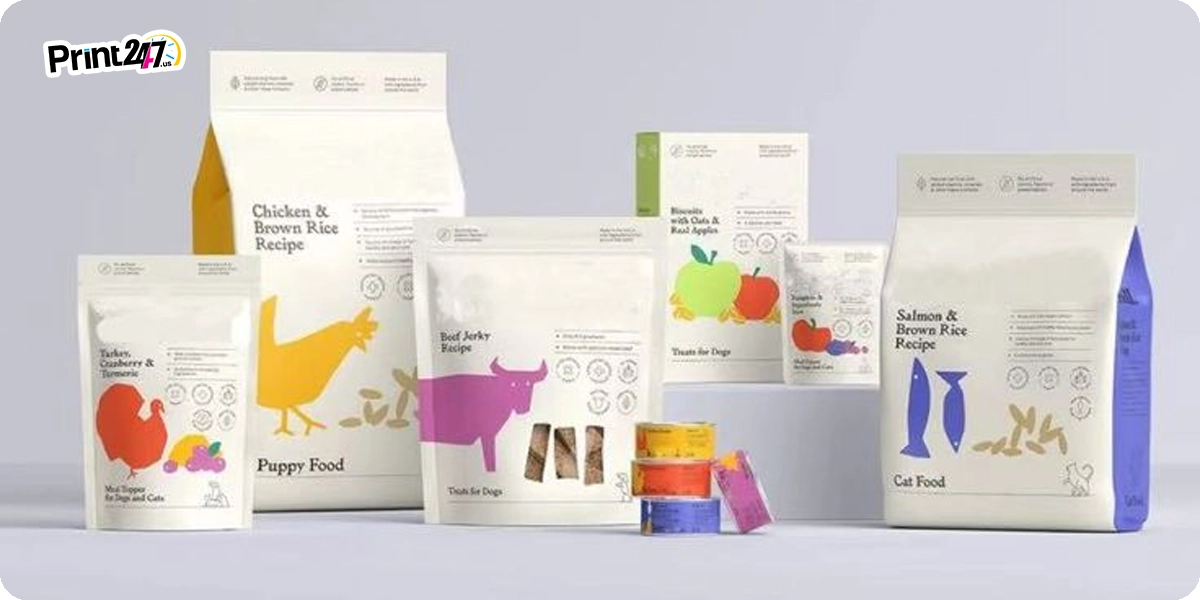
The selection of the right supplier is very important to the success of your product launch. You should evaluate pet food packaging manufacturers closely when searching for them. Be sure to ask them these exact questions in order to verify their experience with pet food packaging.
Do you hold recognized material certifications for your eco films?
Can you provide barrier performance testing data for shelf life?
What is your minimum order quantity flexibility for new brands?
Do you offer custom print capability with water-based or soy inks?
Will you provide compliance support for local EPR laws?
How secure and reliable is your raw material supply chain?
It is always a good idea to request physical or digital samples before a large production run. Ensure that the bags survive rough shipping conditions by testing the seals and dropping the filled bags. Print247 has a dedicated pet food packaging expert team that guides you throughout the entire process.
Get a Quick Quote

More Articles
 Bill ‘Hogg’ Ryan
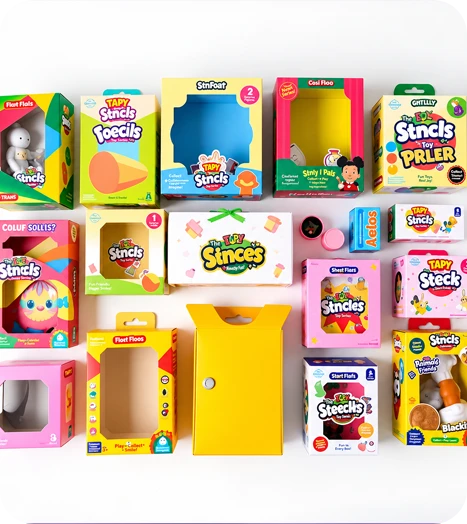
Types of Toy Boxes: 11 Custom Packaging Styles for Brands
 Bill ‘Hogg’ Ryan
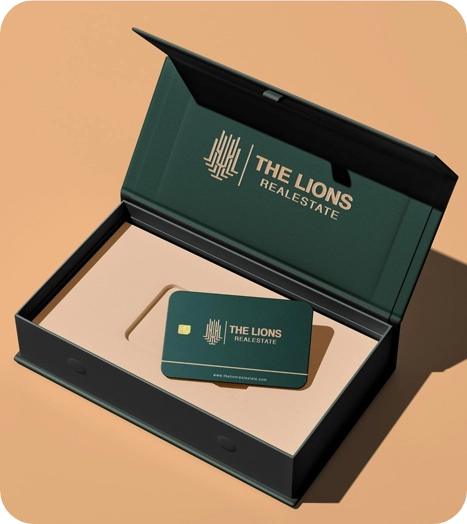
Why Brands Choose Magnetic Closure Boxes for Product Presentation
 Bill ‘Hogg’ Ryan