


Carefully selected materials that deliver exceptional print quality, durability, and shelf presence.


 New
New



















Why Molded Pulp Is Replacing EPS Foam in Electronics Packaging
This is without a doubt that electronics packaging needs stronger packaging. Because even small impacts can cause cracks, breakage, port damages, or cause operational failure.
EPS foam has remained a common choice for electronics packaging for years. It is light and useful for providing cushioning. But many brands are now reducing foam and plastic in their packaging.
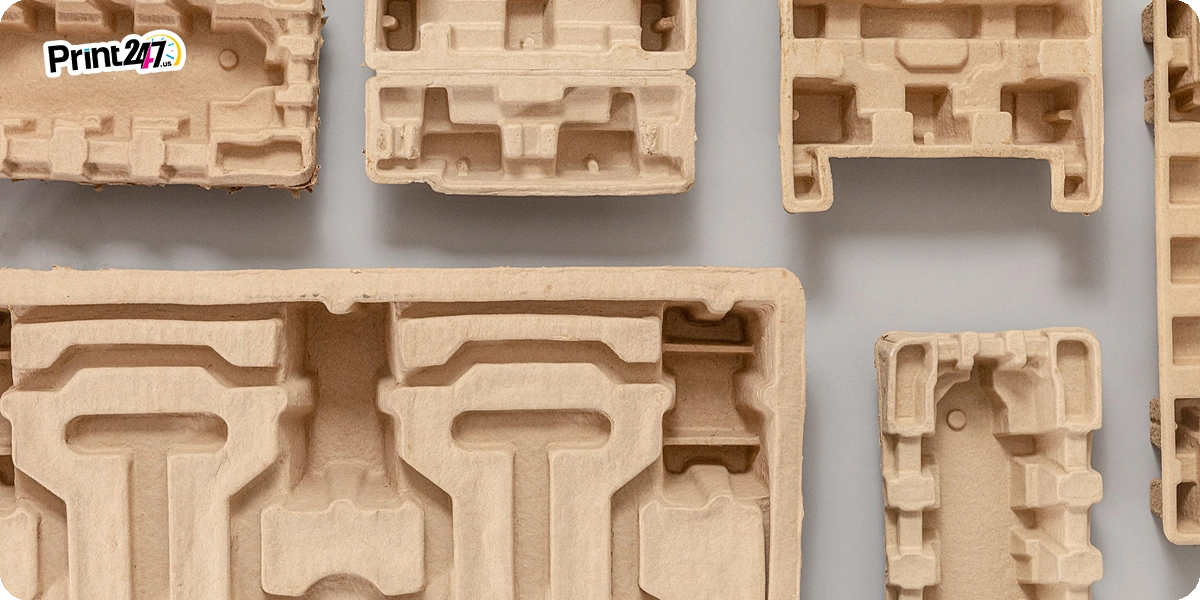
This is why molded pulp is becoming a splendid alternative. It can be customized into shaped inserts that hold electronics in place while using paper-based or plant-fiber materials. It can also support a clean unboxing experience and help brands reduce packaging waste.
Molded pulp is not a simple replacement that works for every product. The insert must be designed and tested for the device, shipping route, moisture exposure, and electrostatic discharge needs.
Why EPS Foam Became Common
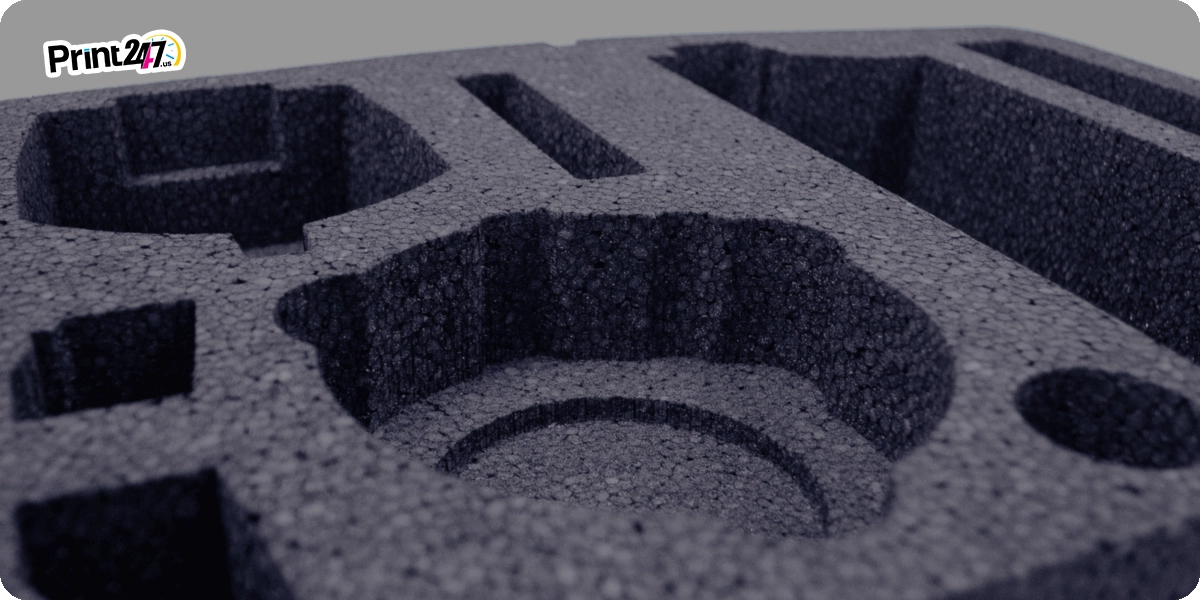
EPS stands for expanded polystyrene aka Styrofoam. This became popular in electronics packaging for several reasons:
It is lightweight.
It can be molded into many shapes.
It provides cushioning around a product.
It can create spaces for cords and accessories.
It is easy to use in large shipping programs.
It often has a low material cost.
EPS inserts can hold a device away from the outer box walls. This helps to reduce the damages caused by drops and bumps.
What Is Molded Pulp Packaging?
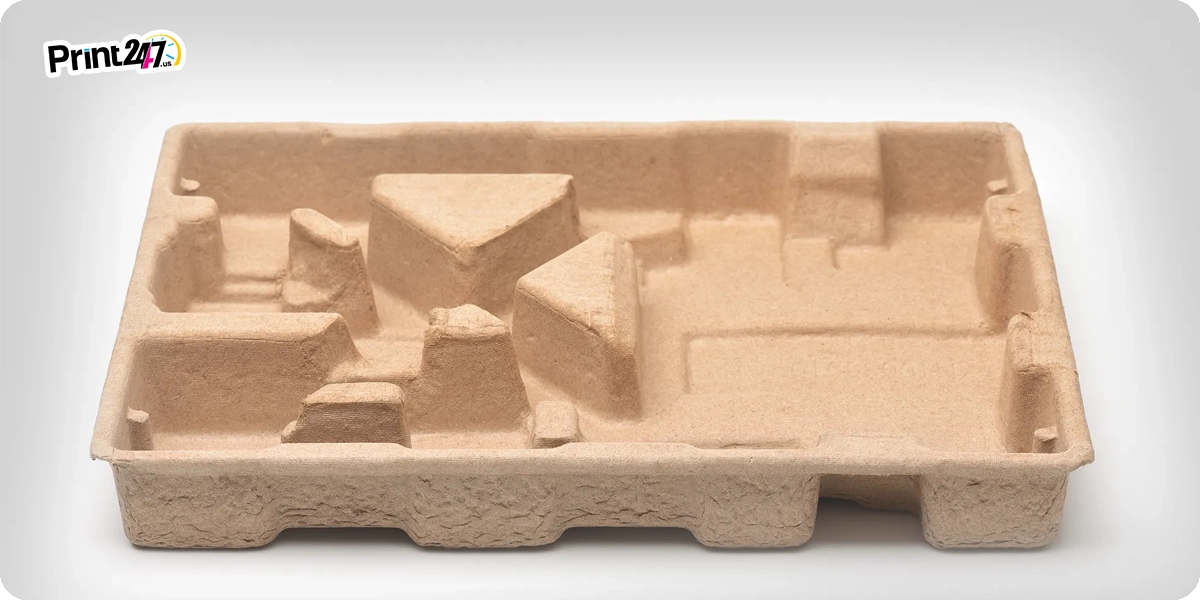
It is formed by pressing wet paper or plant fibers into a mold. It is then dried up to shape into a tray or insert.
The fiber come from:
Recycled paper
Recovered cardboard
Virgin paper pulp
Agricultural fibers, where available
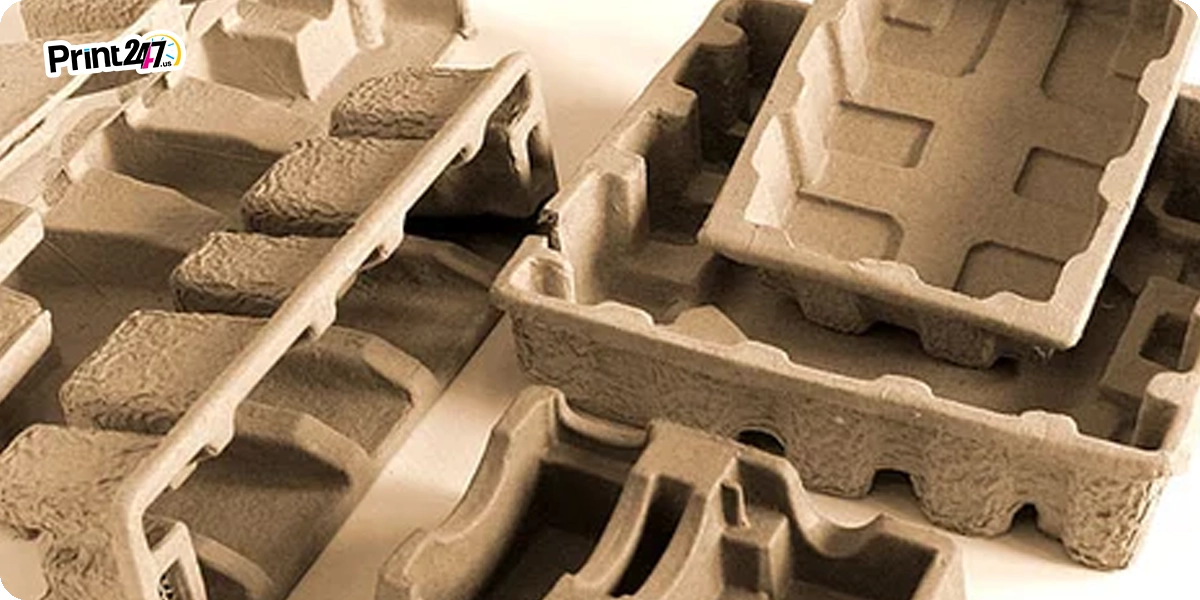
Molded pulp can be shaped into:
Product cavities
Corner supports
Raised ribs
Edge supports
Dividers
Cable compartments
Access points
Top and bottom trays
Nesting features
The insert is designed around the product. A phone, camera, speaker, router, or small appliance each need a different shape.
Why Electronics Brands Are Considering Molded Pulp
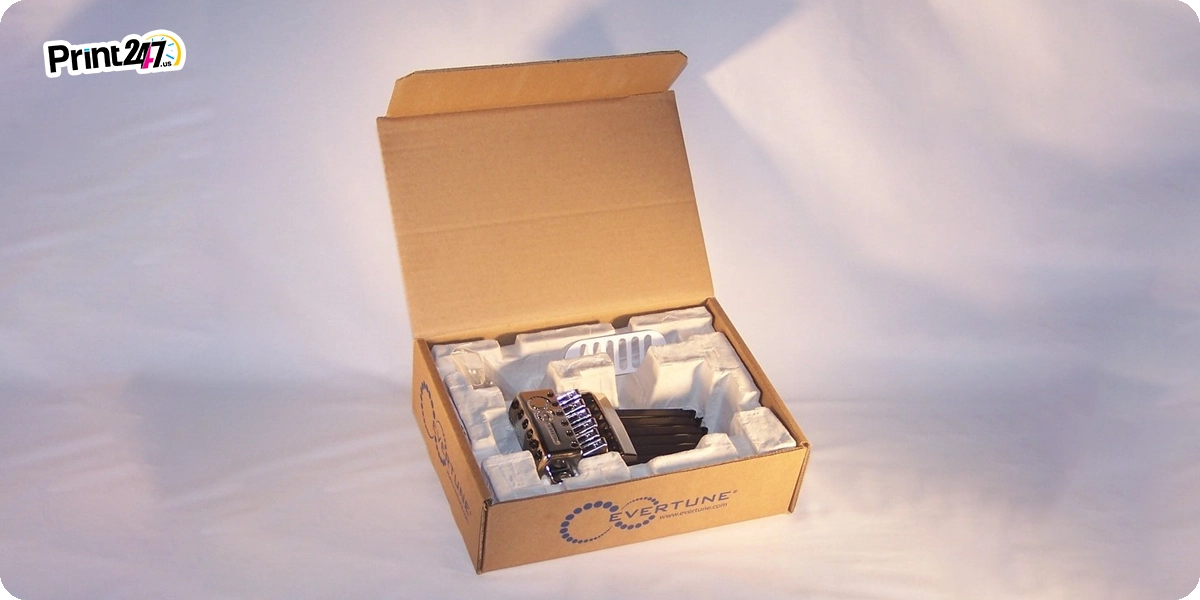
To Reduce the Use of Plastic
It has become a norm to reduce the use of foam plastic in packaging due to environmental safety reasons.
Molded pulp is fiber based therefore it plays a crucial role in reducing the plastic usage in the packaging.
The result depends on the whole package. Coatings, adhesives, labels, tapes, and outer materials also matter.
A Clean Unboxing Experience
Foam inserts can feel plain and industrial. They may also create noise and small particles when removed.
Molded pulp can give the inside of an electronics package a paper-based appearance. It may create a more natural and organized opening experience.
The customer still needs to receive a well-protected product. A clean look is useful, but protection must come first.
Better Storage Efficiency
Some molded pulp trays can nest inside each other. This may reduce empty space before the trays are used.
Lower storage volume can help reduce warehouse space and freight volume. The actual savings depend on the tray design, stacking method, and shipping plan.
Product-Specific Shapes
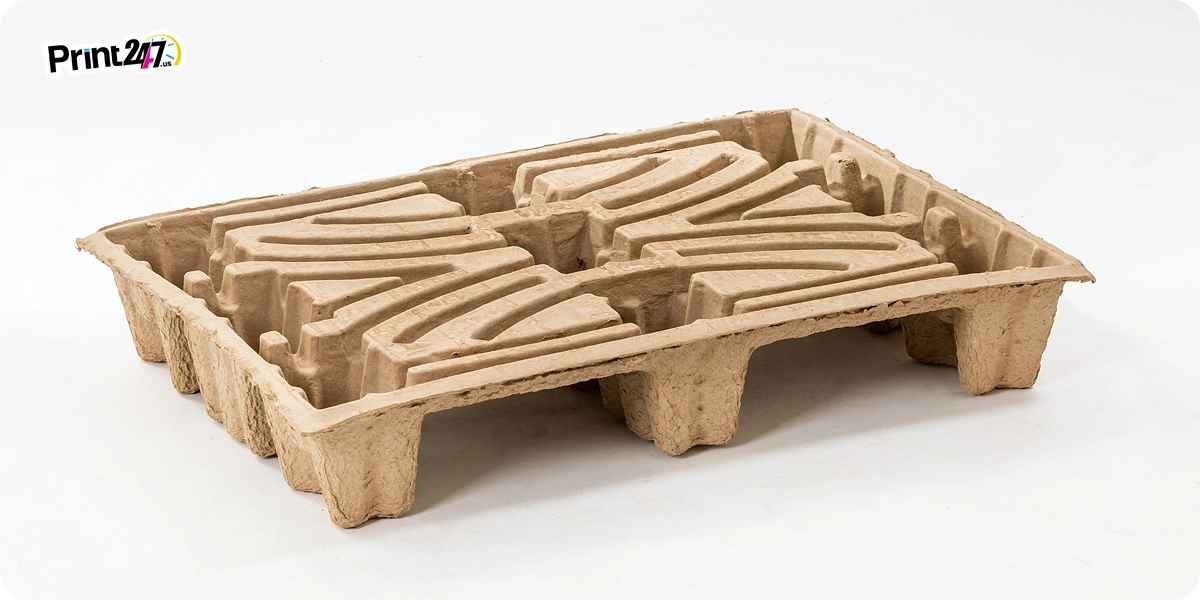
Molded pulp can be designed with cavities, ribs, and support points around the product. This may reduce product movement inside the carton.
A well-designed insert can also create separate areas for:
Chargers
Cables
Manuals
Adapters
Remote controls
Small accessories
A More Natural Material Story
Some brands want packaging that looks closer to paper and fiber than plastic foam. Molded pulp can support that visual direction.
However, brands should avoid broad claims such as “zero waste” or “fully compostable” unless they can prove them for the entire package and the customer’s local disposal system.
How Molded Pulp Protects Electronics
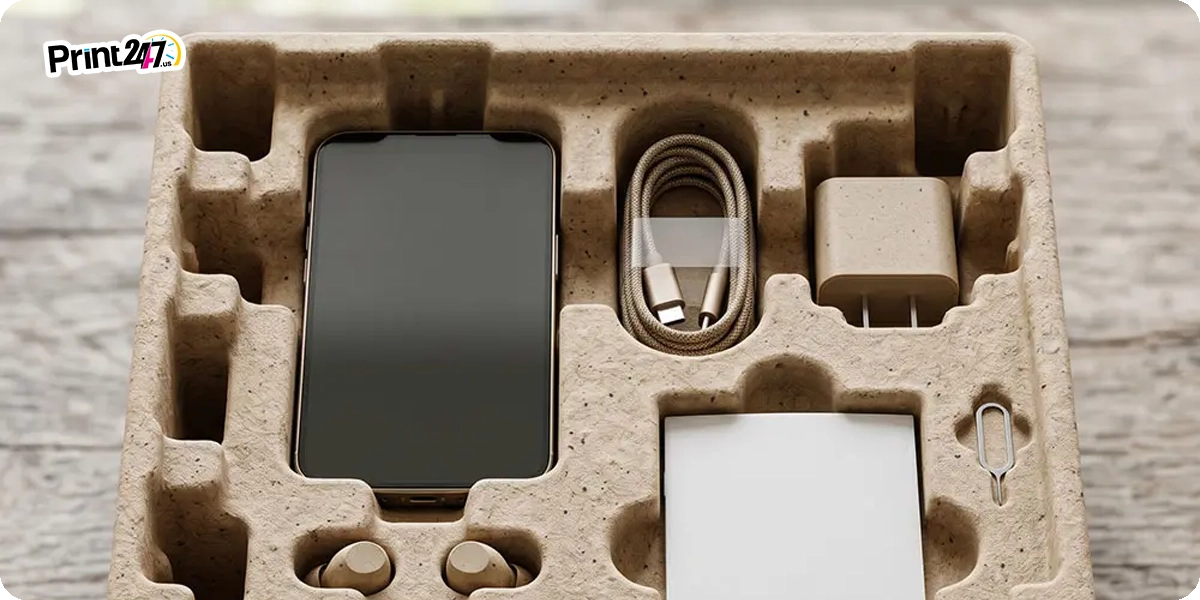
Molded pulp packaging protects electronics through shape and support. It is not only the material that matters. The design of the insert controls how the product sits inside the box.
Important design features include:
Product cavities
Raised ribs
Corner supports
Edge clearance
Crush zones
Flexible contact points
Cable compartments
Top and bottom trays
Interlocking features
Finger spaces for easy removal
Design the Insert Around the Product
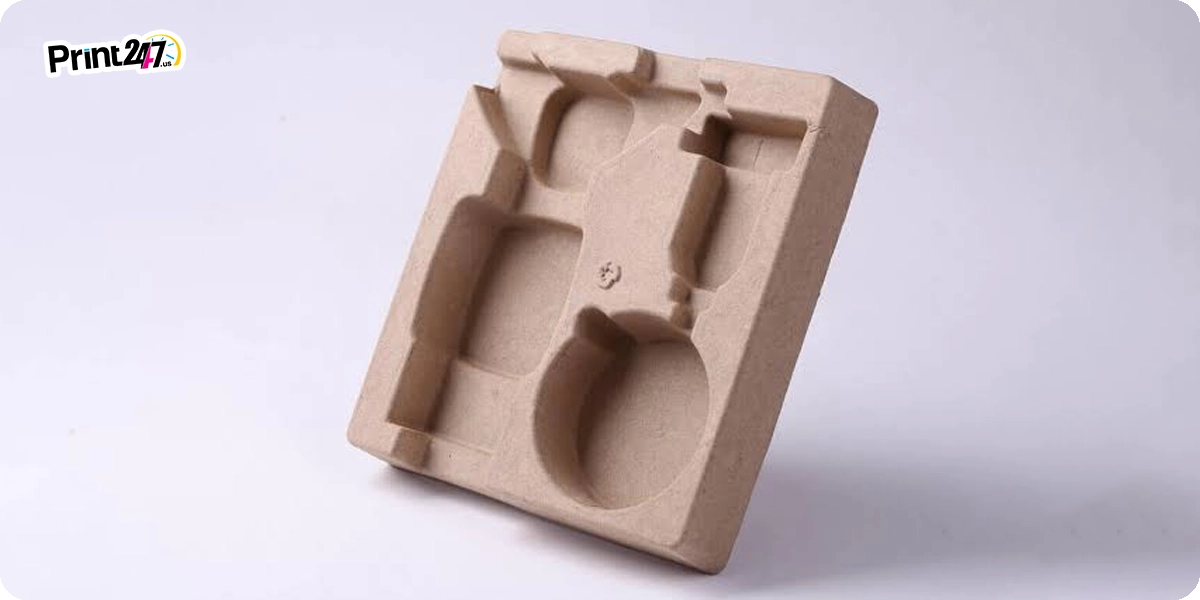
The design process should begin with the device and its accessories.
Measure the product and all accessories.
Identify fragile areas and contact limits.
Decide how the product will sit inside the carton.
Design cavities, ribs, dividers, and access points.
Review the insert with the shipping carton.
Create a sample or prototype.
Test the finished package.
Provide your packaging supplier with:
Product length, width, and height
Product weight
Center of gravity
Screen or surface sensitivity
Accessory dimensions
Carton dimensions
Packing direction
Shipping method
Expected drop and vibration risks
Storage humidity and temperature
The full package includes more than the insert. The outer carton, accessory spaces, closure, and shipping box also affect performance.
Do Not Skip ESD and Moisture Testing
Electronics products require protection from moisture as well as ESD apart from physical impacts. Moisture and static electricity can also cause problems.
ESD Protection
ESD means electrostatic discharge. It is a sudden flow of electricity that can damage electronic items.
Molded pulp is not automatically ESD-safe. Depending on the device, the package may need:
Anti-static pulp treatment
ESD bags
Conductive or dissipative layers
Grounding controls
Separate component protection
ESD testing
The electronics manufacturer should provide the required ESD specification. Your packaging supplier can then help select a suitable material system.
Moisture and Humidity
Molded pulp can degrade under high humidity due to its material structure and storage conditions.
Test the packaging if the product will move through:
Humid warehouses
Ocean freight
Refrigerated routes
Temperature changes
Long storage periods
Wet or rainy delivery conditions
An outer carton, moisture barrier, sealed product bag, or treated insert may be needed for certain shipping routes.
Molded pulp is not waterproof unless the exact design and coating have been tested for that use.
When Molded Pulp May Not Be the Right Choice
Molded pulp may need extra review when:
The product is very heavy.
The product needs deep soft cushioning.
The device has strict ESD requirements.
The shipping environment has high moisture.
The product needs thermal insulation.
The order volume is too low to justify custom tooling.
The product design changes often.
The packaging needs very tight tolerances.
The product includes delicate exposed parts.
The goal is not to replace every part with molded pulp. The goal is to create a package that protects the product and meets the brand’s material goals.
How to Start Replacing EPS in Electronics Packaging
Use this simple plan:
Identify the products currently packed in EPS.
Record damage, returns, packing time, storage space, and shipping conditions.
Share product dimensions and fragile areas with a packaging supplier.
Select molded pulp, EPS, or a hybrid concept for testing.
Build prototypes and fit samples.
Run drop, vibration, compression, humidity, and functional tests.
Compare total cost, storage, freight, and disposal.
Approve the design only after the finished package passes testing.
Conclusion
Molded pulp can be a strong alternative to EPS foam when it is designed around the product and tested under real shipping conditions.
However, the switch should not be based on appearance alone. Product fit, drop protection, vibration, compression, humidity, ESD needs, storage, freight, and total cost should all be reviewed before production.
At Print247, we can help you explore protective electronics packaging solutions, including custom boxes, mylar bags, inserts, molded pulp designs, and shipping packaging. Our team can help you plan the box size, insert layout, product fit, branding, and artwork placement as per your branding and packaging needs.
Share your product dimensions, weight, accessories, shipping needs, and material goals with our packaging team. We can help you review suitable packaging options and prepare a design for your project.
Get a Quick Quote

More Articles
 Bill ‘Hogg’ Ryan
How Packaging Tariffs Change the Real Cost of Imported vs. US-Made Packaging
 Bill ‘Hogg’ Ryan
Guidelines for Picking the Best Collagen Drink Packaging for Your Brand
 Bill ‘Hogg’ Ryan