









What Is Parchment Paper? Guide To Kitchen Packaging Staple
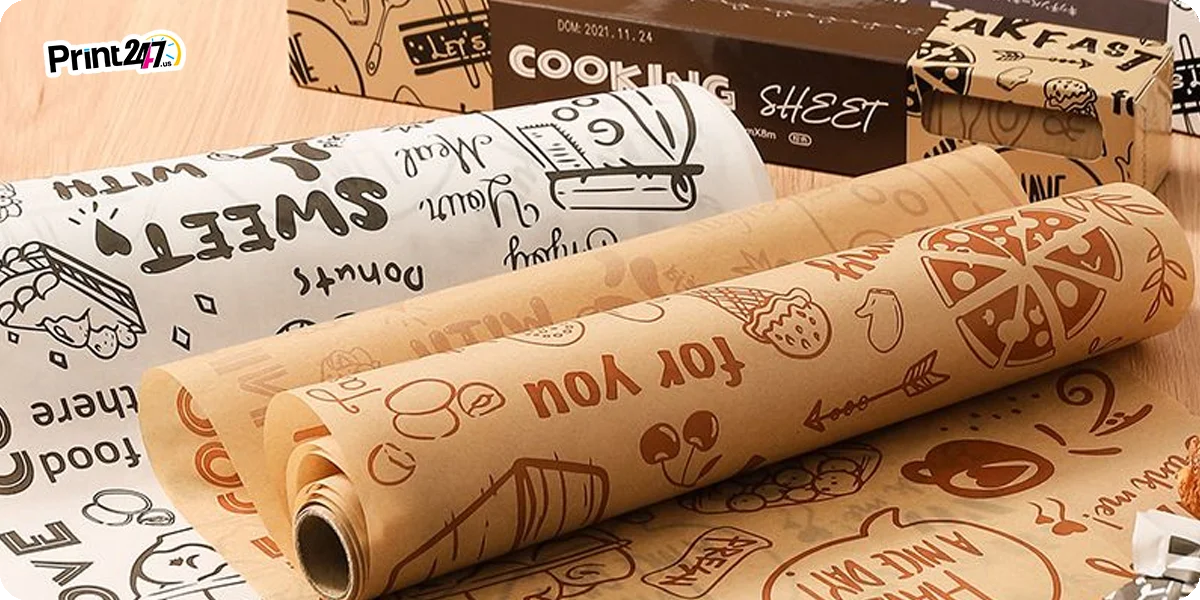
Did you ever wonder how cool the paper is that's coated and keeps food fresh? One of those items that you don't consider until you need it, is parchment paper. It is simply a matter of a tray of cookies sliding easily off the pan versus one that must be scrubbed for 20 minutes.
You've seen the significance of this stuff when you've wrapped a loaf of bread that didn't get soggy, or pulled a perfect loaf out of a loaf tin without anything sticking. Parchment paper is used by restaurants, patisseries,home bakers, artisan bakers; it is among the food safe options. It is also a staple for professional kitchens, bakery lines and takeout.
What Exactly Is a Parchment Paper?
Basically, parchment paper is paper that's impervious to grease and heat, and won't burn when touching your food. It doesn't start out that way, though. It starts with normal wood pulp paper. Before it can be used in the kitchen, it is passed through a process that strengthens, smooths and most importantly makes it moisture and grease resistant. We have food boxes in which you can pack your assortment of food items wrapped in parchment save for ovens.
In most cases, the silicone is applied to both sides to give it a thin layer of protection. This is the “magic” layer that makes it non-stick. That's why silicone is used for baking high-temperature foods without the paper sticking to the food or the fire raging out of control.
There are several people who get confused for deli paper and parchment. Honestly, when its about it 's an easy mistake to make. It could be a problem when you could end up picking the wrong one then it will be a smoky kitchen or a meal that’s completely wrecked. Let me set the record straight for you.
Parchment paper is your real oven handling paper. It’s built tough to handle serious heat — usually up to 420–450°F with no problems at all. Whether you’re baking cookies, or looking for roasting veggies in your kitchen, or lining trays for hot food parchment is the one for you. It stays non-stick and holds back grease like a champ, which makes end-of-day cleanup way less painful. When you want to differentiate wax paper vs. butter paper it will predominantly be helpful to make branding.
Deli sheets are a whole different story and you see them everywhere in sandwich shops. Pick through burger joints, and food trucks. They tend to be thinner, usually with just a light wax coating. They tend to be made strictly for cold or room-temperature stuff. They shine when you’re wrapping a juicy burger, lining a basket of fries, or packing up takeout orders. Deli paper sheets do a solid job locking in grease without leaks and keep things easy to handle when customers are on the go. Just remember — never put them in the oven. That wax melts fast and starts smoking up the place.
That’s why deli paper sheets and grease free paper options have become favorites for cafes and food trucks. They’re quick to grab, practical during the lunch rush, and help keep everything cleaner when things get busy.
Finding the Right Size for Your Space
Nothing wastes money faster than using a sheet that’s way too big for your pan, and nothing frustrates your team more than one that’s too small. Most experienced food operation handlers stick to a handful of sizes that actually work in real life:
Parchment paper sizes: The half-sheet (13x18 inches) is the everyday best known paper for standard ovens and baking trays. Full sheets come in handy for larger setups.
Deli paper sheets and grease free paper: Usually 12x12 or 15x15 inches — perfect for wrapping sandwiches or lining baskets without excess waste.
Tri fold butcher paper size: Often 18x24 inches or so you can cut exactly what you need for bigger
Finding the Right Size for Your Space
Using a sheet that’s too big for your pan is a waste of money, and one that’s too small is just frustrating. Here are the sizes most professionals use:
Name | Dimensions | Common Use |
Full Sheet | 18" x 26" | For big commercial ovens and baking racks. |
Half Sheet | 13" x 18" | The go-to size for most home ovens and small bakeries. |
Quarter Sheet | 9" x 13" | Great for toaster ovens or small batches of brownies. |
Parchment Rolls | 12", 15", or 18" (Width) | Best when you want to cut a custom length for a long counter. |
Round Liners | 6", 8", or 9" (Diameter) | Pre-cut for cake pans so the bottoms never stick. |
At Print247, we know that standard sizes don't work for every project. We specialize in custom-cut parchment. If you have a specific chocolate box, a unique pastry tray, or a brand-specific food wrap, we can cut the paper to the exact dimensions you need so it looks clean and professional.
End the Messy Deliveries Once and for All
You can refrain from messy deliveries when you get remarkable packaging. For a good packaging you can get things easier for customers, don’t make it messy when you have a butter paper or food wax paper with these deli sheets you are making sure the following things.
The Box Stays Strong: Cardboard turns soft and flimsy once grease hits it. A liner keeps the box stiff so it doesn't fall apart in transit.
The Flavor Stays True: High-quality liners act as a barrier so your food doesn't end up smelling or tasting like the cardboard it's sitting in.
The Opening Experience is Flawless: Your customer gets a clean, dry box every single time. No oil stains, no smudges, just your product looking its best.
The Details: Why Quality Matters?
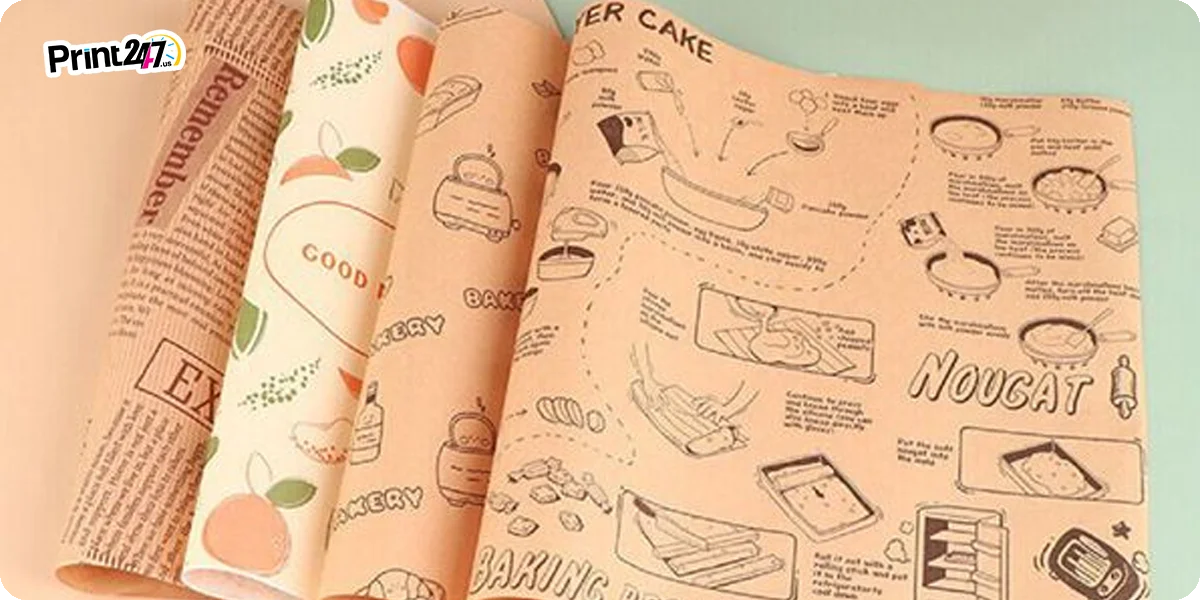
It is extremely stable due to the manner in which this paper is produced. The high quality wood pulp is processed into a dense non-porous surface. This means that the paper won't taint your food or affect the taste of anything you cook.
This is primarily a safety issue. A "food-grade" paper is one that has been tested to ensure that no harmful chemical contamination can leach out when the paper comes into contact with food whilst hot. We provide all materials that are FDA compliant, especially when selling food to the public and/or shipping it to customers. You want to know your ingredients are safe, and your packaging is, too.
It is all about presenting – don't neglect this aspect!
In the kitchen, however, outside the oven, the difference between parchment and deli sheets is one of aesthetics. If you’re selling high-end treats like chocolates or bon-bons, a liner is a must. We also have custom chocolate boxes that ensure strength when they go wrapped in parchment papers. The oil from the chocolate does not soak into the cardboard box because it is coated in a grease-resistant parchment liner. Nothing's worse than a high-quality gift box arriving with grease on the bottom!
We get a lot of inquiries from our clients to wrap their sandwiches or pastries with custom-printed deli sheets. This is a small gesture that will help to give your brand a sense of professionalism and credibility. It demonstrates to your customers that you are committed to making every aspect of their experience special from initial impression to final bite.
Maintain the sharpness and stain-free appearance of your boxes.
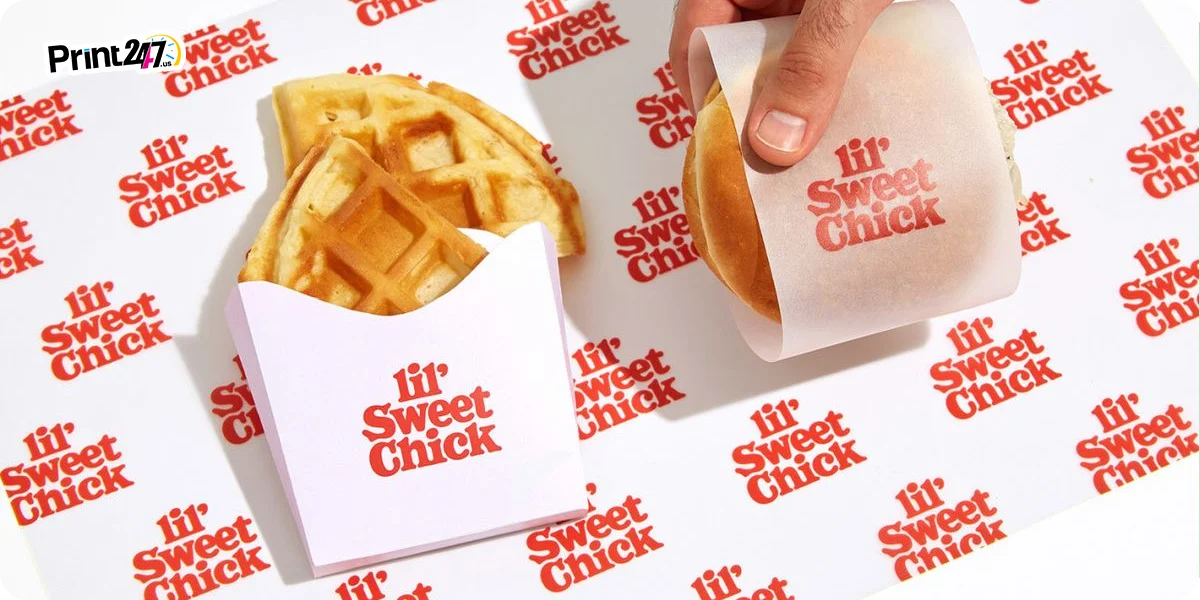
You get a nice box of food or a gift set and then you notice those dark, damp spots wet right through the cardboard. It’s frustrating. A dirty, greasy box doesn't look like it, regardless of how good the food may be inside.
That is why the paper you slide into the box is as important as the logo you've printed on the front! It's not a "bonus" product, it's what keeps your packaging strong, your hands clean, and your brand professional and high-end.
Parchment or Butcher Paper: Which One Will You Use?
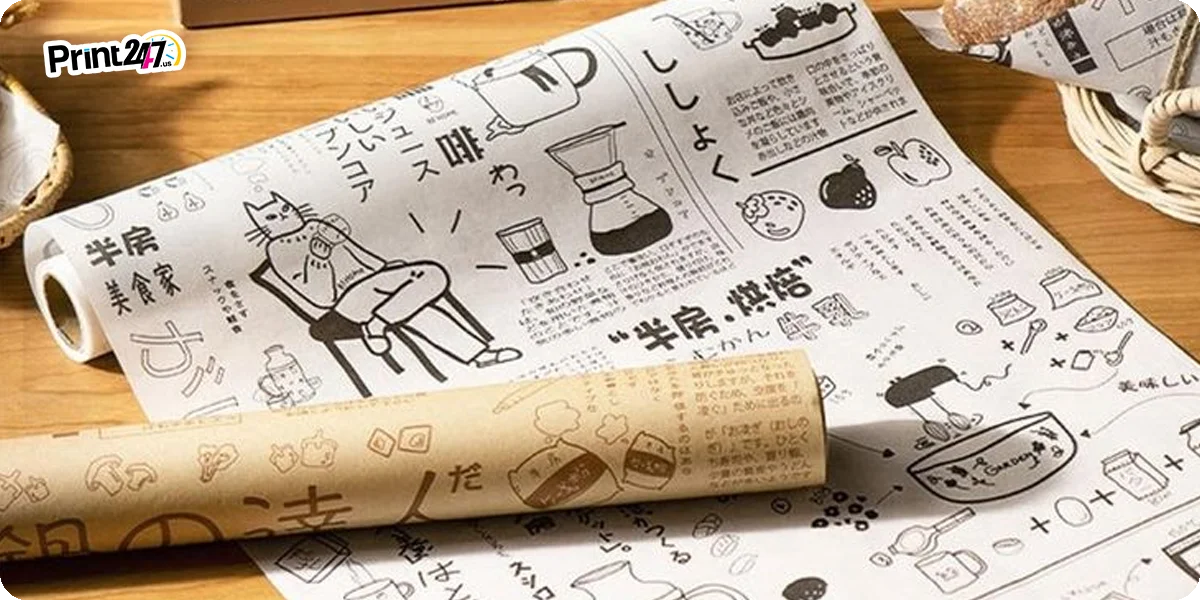
Many people believe that these are synonymous, but if you're not careful, you'll end up with a soggy mess. The best way of choosing: If you want to get stupendous product packaging along with your food boxes you can order custom product boxes straightaway.
The friend you can't do without for anything buttery or moist! PARCHMENT PAPER! Use this when packing cookies, brownies or chocolates. It features a particular completion that effectively prevents oil from penetrating and keeps your box dry and hard.
Butcher Paper: This is a much thicker and tougher paper. Ideal for barbecue and deli meats, it will not tear when used with heavy juices. It also allows for some "breathing room" until you get home, so you don't end up with soggy, steamed food.
If you ever have a chance that your product can be a cause to stain then don't take a chance. Use a liner. A small feature that will help you avoid some major headaches and disgruntled customers.
Why Kraft Boxes Are Significant in Food Packaging?
It is possible that you've seen lots of brown kraft boxes lately. Not only is it a trend, but they are also more authentic and more gentle on the planet.
To put it in perspective, the Global Kraft Paper Packaging market is growing at roughly 4.5% every year. This is an indication that the consumer is not tolerating plastic heavy and shiny packaging and is seeking a material that is durable and recyclable. Placing a clean parchment liner in a hard Kraft box is what customers want: These are premium without the waste yet preserving integrity of food remarkably.
Here's a fresh, original rewrite with a real human touch like I'm sitting across from a restaurant owner sharing practical advice over coffee. I researched the details thoroughly but wrote everything in my own words, focusing on your keywords naturally.
Revealing Food Paper Sizes: Smart Choices That Help Your Business Grow
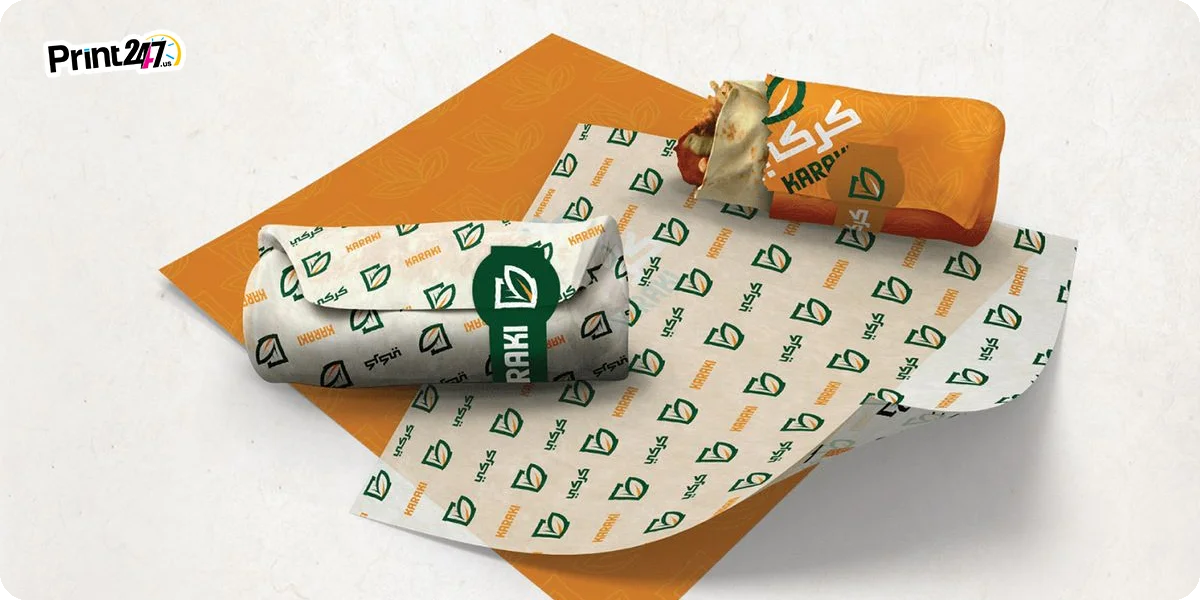
Did you know that being a flourishing food manufacturer rather than just grabbing what’s on shelf you need thoughtful food paper size. It quietly affects how clean your kitchen stays, how professional your food looks, and even how much waste you deal with every day. I've seen small decisions here make a noticeable difference for delis, food trucks, and busy restaurants trying to reach newer heights.
Let's break down the main players. Parchment paper sizes usually come in practical options like half-sheet (around 13x18 inches) or full-sheet sizes that fit standard commercial trays perfectly. These sheets shine in baking and roasting because of their silicone coating that handles serious heat without any drama.
The tri fold butcher paper size usually runs a good bit wider. These are often hitting 18 to 24 inches. They can add extra width giving you plenty of room to wrap up big cuts of meat or hefty burgers, and it still folds up clean and neat for takeaway orders.
Parchment and butcher dimensions might look similar at the first look but they have different jobs. Once you get started utilizing them in a real kitchen. Butcher paper has the efficiency that it lets air move through it nicely. Butcher paper keeps smoked meats juicy instead of trapping moisture and turning them soggy. Parchment food paper has quite a non-stick touch and holds up against grease really well, which is why so many busy kitchens use it for lining trays day in and day out.
The parchment paper market is about to get a boost to 2.97 Bn Dollar in 2034 ensuring to reach a remarkable CAGR of 5.6% to scale up. (DataIntelo)
There are a bunch of questions about it but food wax paper vs butter paper. Here’s the honest difference: Food wax papers have a light wax layer that does a solid job blocking moisture, so they work great for cold sandwiches, snacks, or stuff you’re keeping in the fridge. Just don’t put them anywhere near heat that wax can melt fast and mess up your food. Butter paper (a lot of folks also call it greaseproof) handles grease better in most everyday situations and feels more flexible for regular wrapping. But when things get really hot, true parchment takes the win. It can slide straight into a 450°F oven without any trouble.
Food Paper Format and Sizes
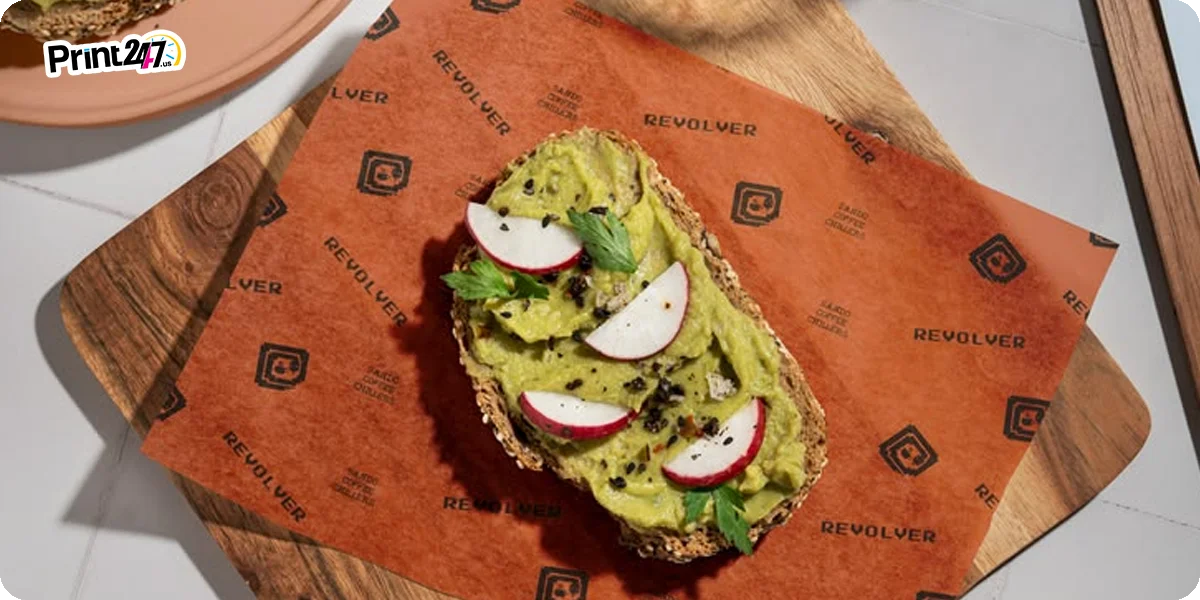
Food paper reasons run deeper than most people realize. Picking the right one keeps food looking and tasting fresher for longer, makes cleanup way quicker, helps you stay on top of safety rules, and even makes your brand look sharper. Picture handing someone a sandwich wrapped in custom-printed grease free paper with your logo on it. That little touch instantly makes the whole thing feel more premium and thoughtful. When you need custom product packaging it can be tailored to your product prerequisites.
Parchment paper in restaurants is especially common for baking stations because nothing sticks and cleanup is almost zero.
Deli paper sheets and grease free paper options usually come in handy 12x12 or 15x15 standard size squares. These are lifesavers during lunch rushes quick to grab, good at controlling light grease, and cheap enough for heavy daily use. Food sheet styles vary from flat sheets to interfolded pop-up packs that make service faster in busy spots.
When people search what size food sheets are? the answer depends on the job. Small deli wraps might need 8x10 or 12x12, while bigger butcher applications call for 18x24 or rolls you cut yourself. The format of food papers you pick sheets, rolls, or pre-folded can quietly improve speed and reduce waste in your operation.
At the end of the day, understanding these small but important details helps any food business scale strength. Whether you're fine-tuning your supply list or thinking about custom branding, the right food paper size and type gives you an edge that customers notice and competitors feel. Start experimenting with a few different options in your kitchen. We have the best remarkable responsible packaging to industry standards.
You'll quickly see which ones help you work smarter and stand out.
Let’s Get Your Packaging Right
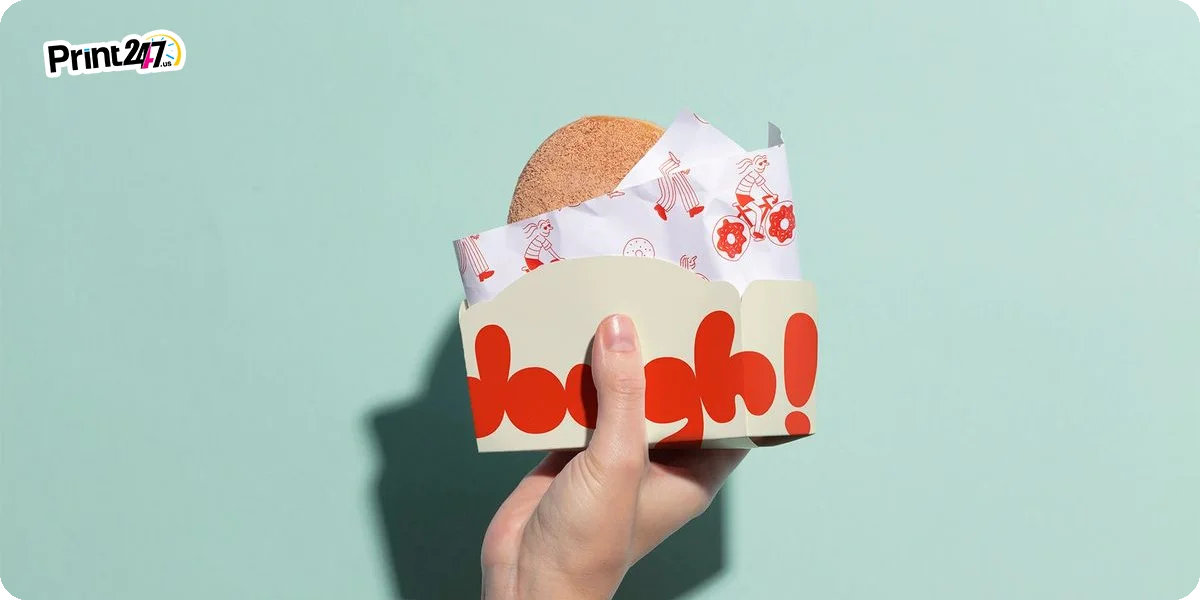
We know as a baker, cafe owner, restaurant owner or someone running a patisserie you need effort to keep your made food items safe. Whether you need custom sized sheets for the bakery box can help. Like from the raw steak making to butcher paper for a deli these wrapping food papers are something that can help you win big.
Choosing What’s Best for You
Before you order, just think about a few things:
Is it for heat? If you're baking, go with parchment. If you're wrapping, go with deli sheets.
Does it need to be branded? A logo on your wrap is basically free advertising.
Whether you need a massive roll for a busy kitchen or custom-branded liners for a boutique shop, the right paper makes your job easier and your food look better.
Get a Quick Quote

More Articles
 Bill ‘Hogg’ Ryan
How to Choose the Right MOQ for Christmas Packaging?
 Bill ‘Hogg’ Ryan
Custom Boxes for Small Businesses Without Breaking the Budget
 Bill ‘Hogg’ Ryan