









Paper Bags vs Plastic Bags: A Guide to Choosing the Right One for Your Business
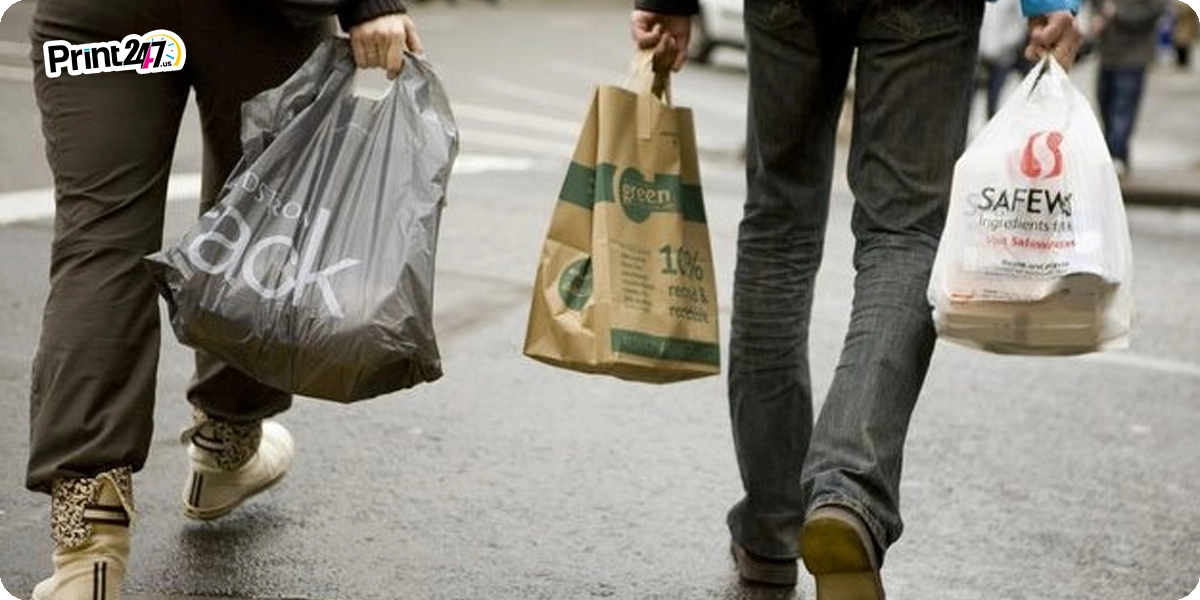
Every bakery, retail shop, café, restaurant, and roadside stall faces the same question: should they use paper bags for their business or opt for plastic bags.
They both are quite famous almost everywhere with the trend growing every year. As per a recent market trend study of paper bags, their global market size was estimated at 7.64 billion USD in 2025 and has the potential to grow from 8.05 billion USD in 2026 to 12.73 billion USD by 2034, at a CAGR of 5.9%.
Now, it all comes down to choosing which packaging option suits best for your business needs. This is a dilemma that everyone wants an answer for. But the thing is, both types of bags have some good points and a few bad ones. But the right choice entirely depends on;
What are you selling?
Who are your customers?
What you care about as a business (is it cost, eco image, durability, or anything else)
In this detailed guide, we'll discuss both packaging options, paper bags and plastic bags, to help you opt for the right one for meeting your business demands.
What Are Paper Bags and Plastic Bags?
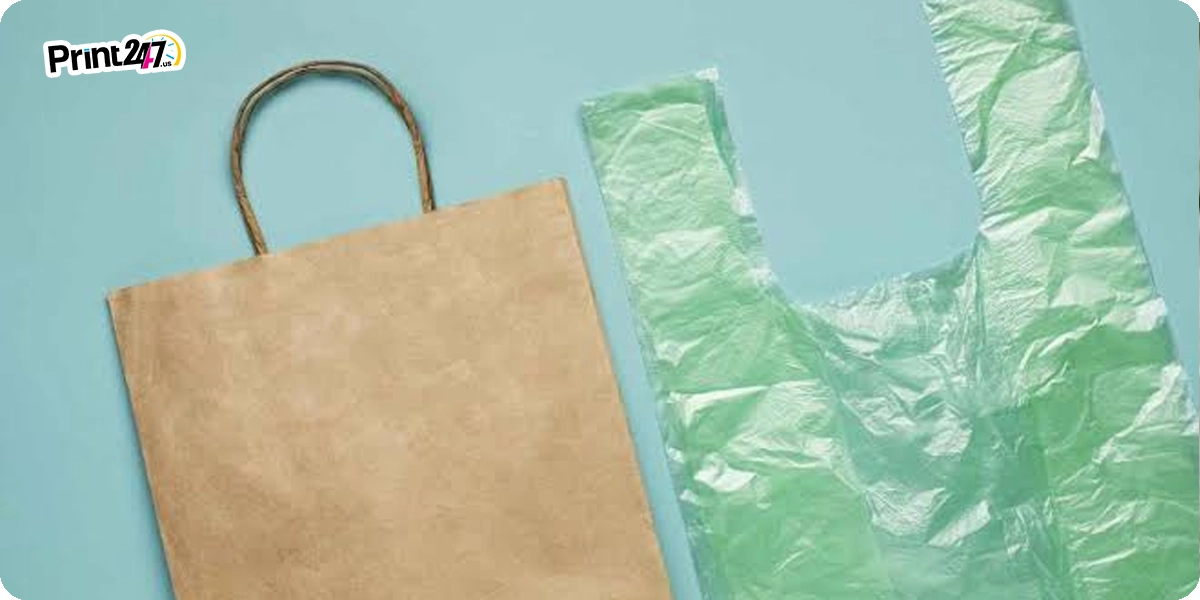
Paper bags are made of paper material, either Kraft or thin paperboard. They usually have a brown outlook or sometimes they come in white. They can be made thin or thick depending on required weight holding capacity, with or without handles.
Plastic bags are made from petroleum‑based films. They are often clear or colored. They are light, flexible, and can be very thin.
Common uses:
Paper bags: retail stores, clothing shops, bakeries, boutiques, takeout.
Plastic bags: grocery stores, convenience stores, some food packaging, wet or greasy items.
Comparison of Paper Bags and Plastic Bags at a Glance
Factors | Paper Bags | Plastic Bags |
Cost per bag | About 7 to 15 cents (varies by size and quality) | About 1–3 cents at larger quantities |
Strength (dry) | Durable to an extent but can tear if overloaded | Flexible and can hold heavy items quite well |
Strength (wet) | Weak. They can get soft or tear | Strong. Resists water and rain without falling apart |
Moisture resistance | Low (unless coated) | High (totally blocks water) |
Grease resistance | Low to medium (needs special coating) | High (good for greasy foods) |
Breakdown time | Can take weeks to months | Stays in The Environment for Hundreds of years |
Recycling (US) | High recyclability rate | The film plastic is tricky to recycle |
Brand image | Are seen as eco‑friendly and premium | Seen as cheap and less eco‑friendly |
Best for | Retail, boutiques, bakeries, branding | Grocery, wet items, low‑cost products, high volume |
Cost of Paper Bags and Plastic Bags: What You Actually Pay
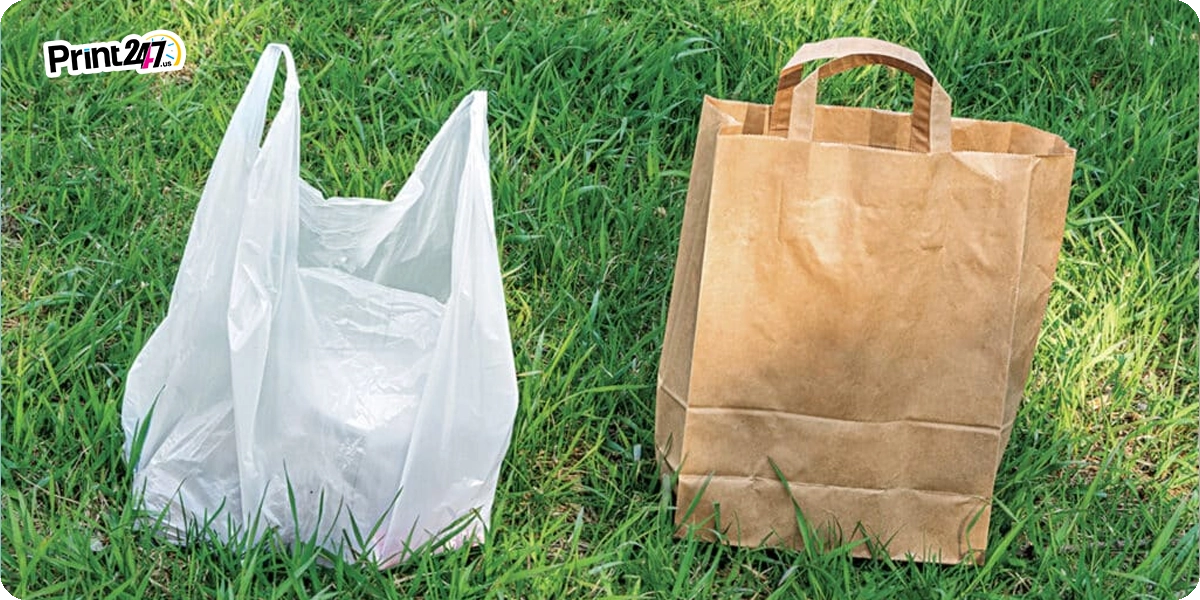
Plastic bags most of the time cost less than paper bag options.
Plastic bags cost about 1–3 cents per bag at wholesale quantities.
Paper bags cost about 7–15 cents per bag, sometimes more for thick or custom bags.
For stores that use thousands of bags each week, this difference is huge over a year.
But paper bags can help you:
Charge a bit more for products
Build a premium, eco‑friendly brand
Get more free advertising when customers reuse the bags
If you use a few bags, paying high costs would not matter too much. If you are playing in quantity, you must plan your budget carefully.
Strength, Moisture, and Grease: Real‑World Performance
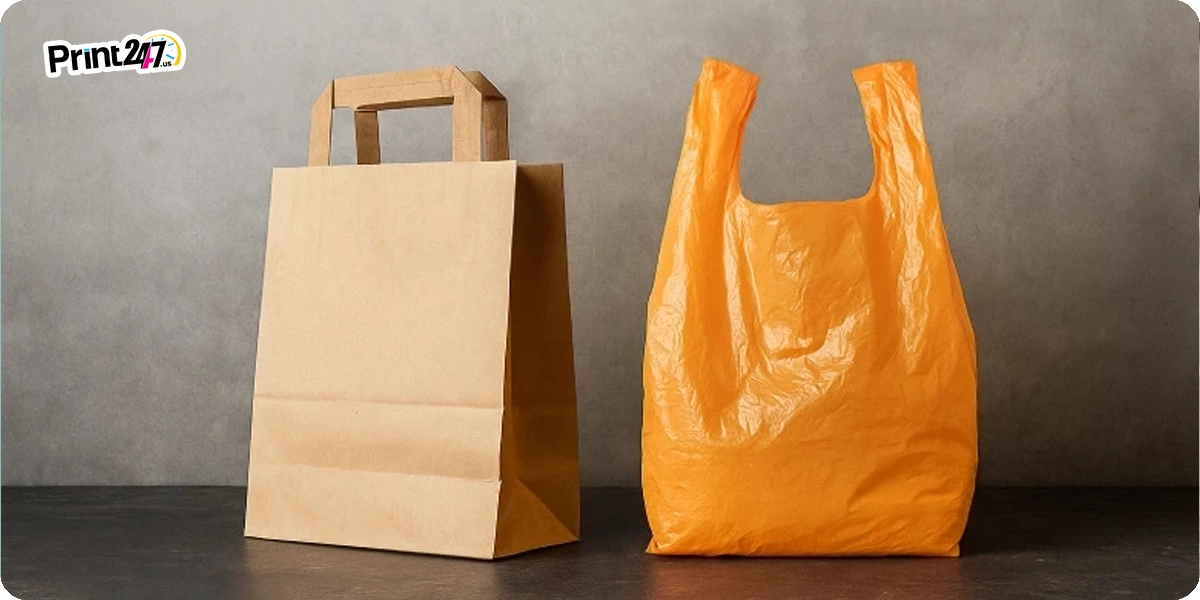
Strength and Weight
Plastic bags are flexible. They can hold heavy items without tearing easily.
Paper bags are strong when dry. But they can tear if overloaded or wet.
Water and Rain
Plastic bags block water well. They are good for rainy areas and wet products.
Plain paper bags get soft and can leak. They need coating or liners for wet use.
Grease and Food
Plastic bags handle grease and oil very well.
Paper bags need special coatings (greaseproof, water‑resistant) for greasy foods. Otherwise they can stain or leak.
For food businesses, this is very important. Wet or greasy items often need plastic or coated paper.
Environmental Impact
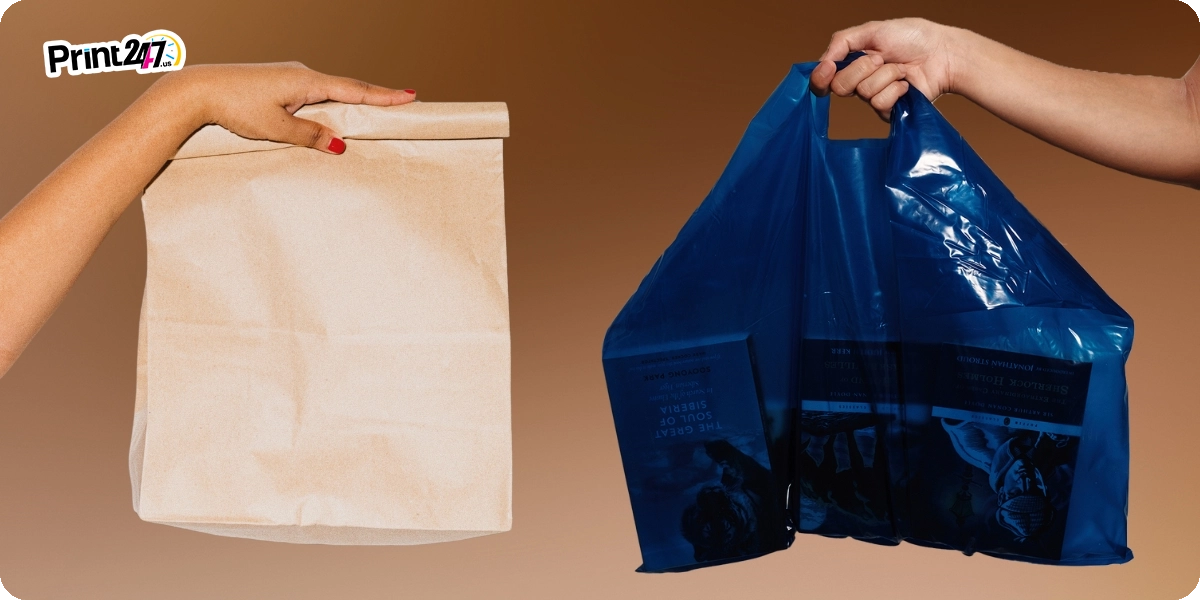
Making the Bags
Plastic bags use less energy and water to make. But they come from oil and gas, which are not renewable.
Paper bags use more energy and water, and come from trees. But trees can be replanted, so paper is from a renewable resource.
After Use: Breakdown and Pollution
· Paper bags break down in weeks to months. Plus, they are easier to recycle.
· Plastic bags can remain in the environment for hundreds of years. They usually end up in landfills and waste.
What Customers Believe
Many customers feel paper is better for the planet, even if the full story is complex.
This belief affects how they see your brand.
Simple truth:
Plastic: lower impact to make, huge long‑term pollution problem.
Paper: higher impact to make, better end‑of‑life story and image.
Brand Image and Customer Experience
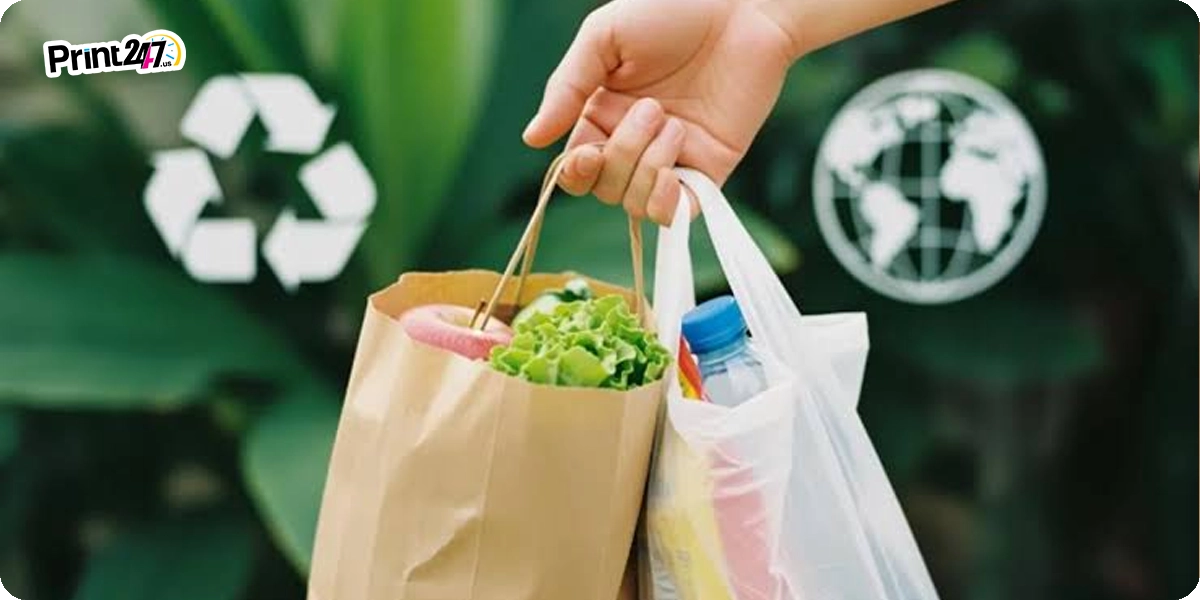
Paper bags feel more premium and eco‑friendly. Customers often reuse them or post photos with them.
Plastic bags feel cheap and functional. They are good for convenience, but can hurt a “green” brand image.
Business types that benefit most from paper:
Clothing and fashion
Gifts and lifestyle
Bakeries and cafes (for dry items)
Brands that market themselves as eco‑friendly
If your brand cares about image and values, paper often wins.
Industry‑Specific Guidance for Paper and Plastic Bags
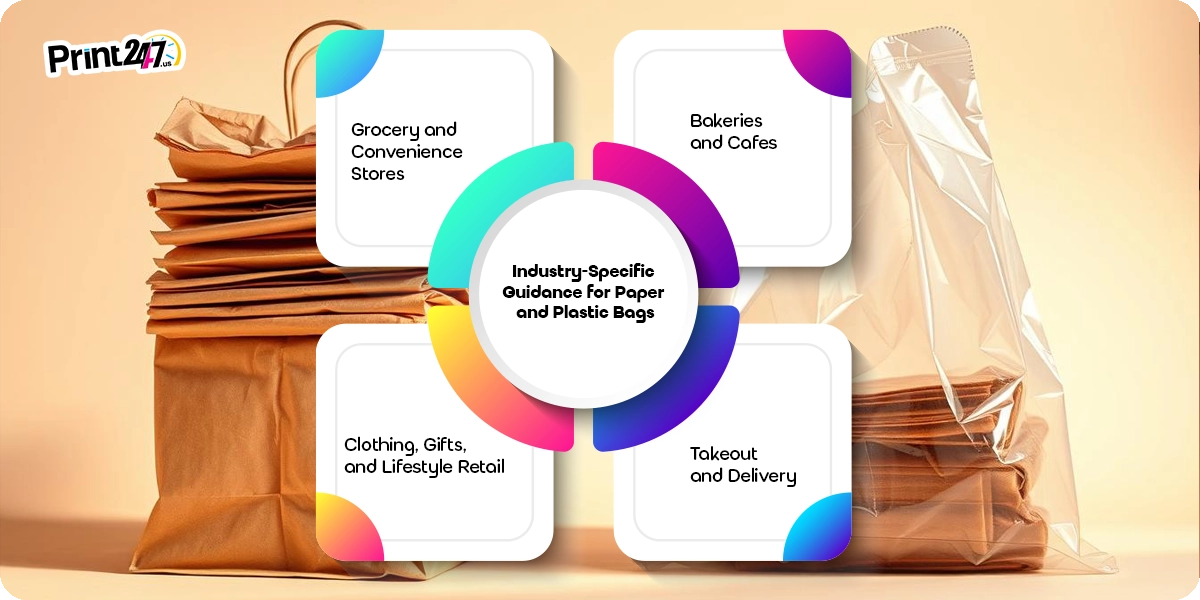
Grocery and Convenience Stores
High volume, many wet or heavy items.
Plastic or thick reusable plastic often makes sense for cost and strength.
Paper may be used for dry goods or as a paid eco option where allowed.
Bakeries and Cafes
Mostly dry or warm items; some greasy foods.
Paper bags (plain or greaseproof) work well for brand image and breathability.
Plastic or coated paper for wet or saucy items.
Clothing, Gifts, and Lifestyle Retail
Brand image matters a lot.
Paper bags help show quality and eco values; customers reuse them.
Plastic usually feels too cheap for these categories.
Takeout and Delivery
Need to handle heat, steam, and sometimes leaks.
Coated paper or plastic often works better than plain paper.
Consider local rules and customer expectations about eco packaging.
A Step‑by‑Step Framework to Make a Decision
Use these steps to opt for the ideal packaging option for you from paper bags and plastic bags:
List your top products
Are they dry, wet, heavy, or greasy?Consider your customers
Do they care about eco packaging? Do they expect a premium feel?Check local rules
Are there any bans, fees, or recycling laws on bags in your area?Estimate your bag use
Need low, medium, or high volume orders? How much can you spend per bag?Test both options
Try paper and plastic for 2–4 weeks. Ask staff and customers what they prefer.
These steps will help you go for the right packaging based on your real business needs, and not just following the trends.
How to Talk to Customers About Your Bag Choice
Many businesses skip this step. But clear communication can prevent complaints you receive from customers.
Use simple signs like:
“We use paper bags to support a cleaner environment.”
“Plastic bags are available for wet or heavy items.”
Train your staff to say:
“Our standard bags are paper. If you need something stronger or water‑resistant, we also have plastic.”
This helps customers to better understand your choice and reduces pushback.
When Paper Bags Are the Better Choice
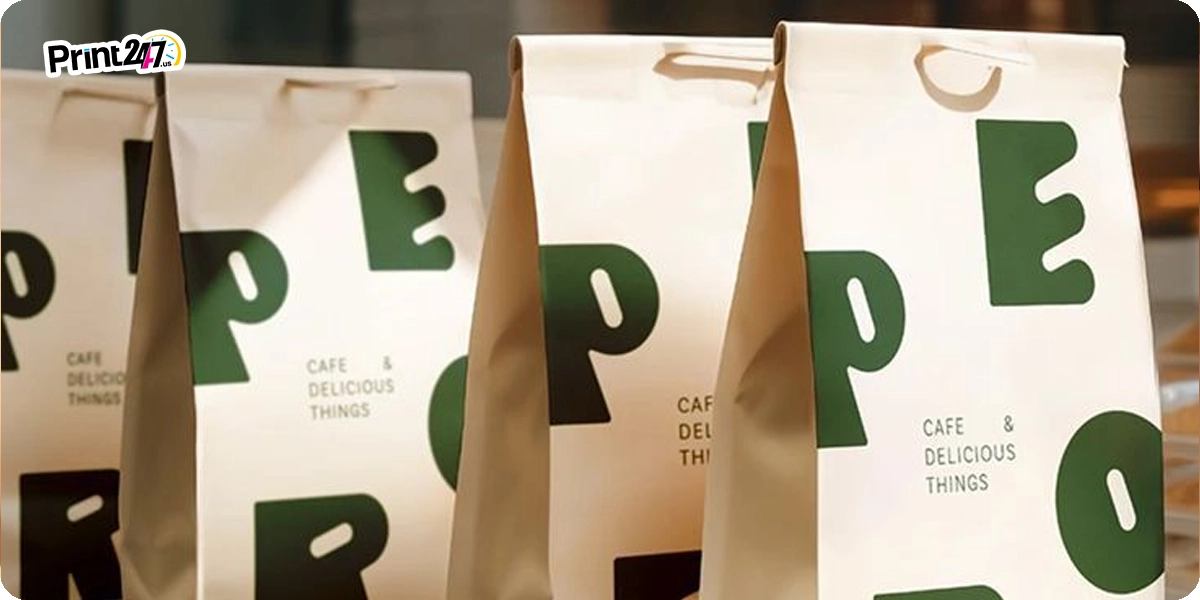
Paper bags are often better when:
You want a premium, eco‑friendly brand image.
Most of your products are dry or only slightly moist.
Your customers care about sustainability.
Local rules favor or require paper over plastic.
When Plastic Bags Are the Better Choice
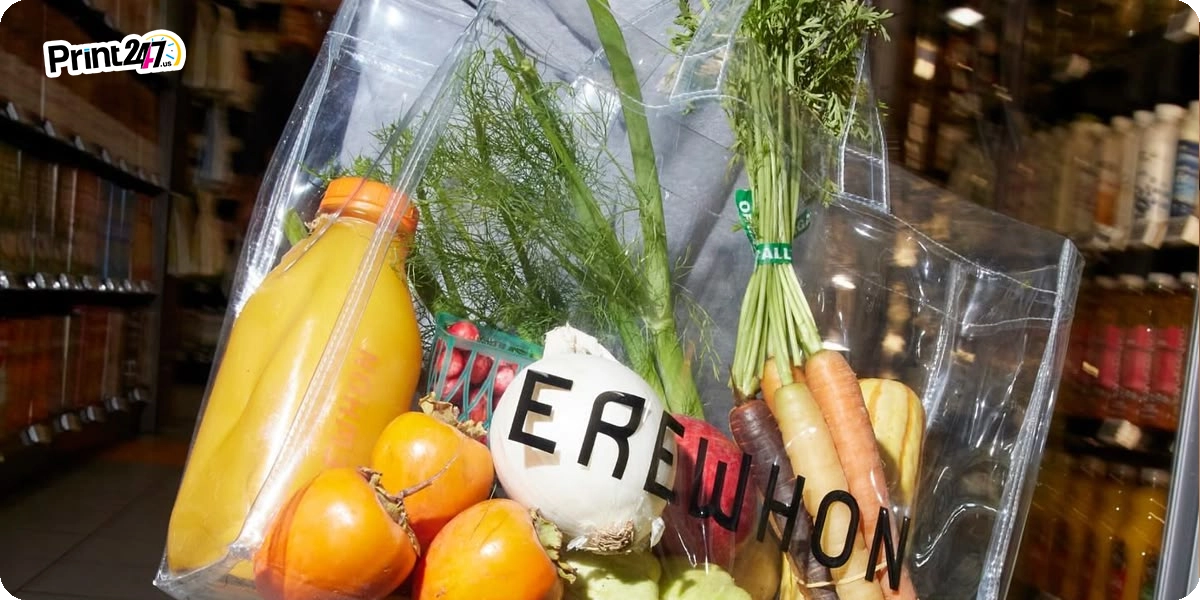
Plastic bags are a better packaging option when:
You sell many wet, heavy, or greasy items.
You need the lowest cost per bag at high volume.
You operate in a rainy climate or outdoor market.
Your customers prioritize convenience over eco image.
Conclusion
Plastic bags are strong in build and cost less. They work great for different products that are wet, heavy, or greasy. Moreover, they are a good takeout option in grocery and high‑volume stores.
On the other hand, paper bags look more premium as well as recyclable. They are a perfect packing option for retail businesses, boutiques, bakeries, and brands that care about image and want to meet recyclability standards.
If you’re still unsure which bag is best for your brand, the team at Print247 can help you at every step. With us, you can order both paper bags and plastic packaging bags whether you are a bakery, cafe, retailer, or food business.
Furthermore, you can get custom printed paper bags and plastic bags with your arrangement of logo, colors, and finishes.
If you are wondering what type of paper bags you can order from us, check out our insights on top 10 paper bag types.
FAQs:
Which bag is better for the environment, paper or plastic?
The answer is quite straightforward. Paper bags are a better option. They break down faster and are easier to recycle. While plastic uses less energy to make but lasts hundreds of years.
Are paper bags structurally strong enough to pack heavy items?
Paper can be strong if it is thick and has good handles. But it can tear if overloaded or wet.
Do customers prefer paper bags or plastic ones?
Many customers prefer paper because they view it as the most eco‑friendly option. But some still like plastic for convenience and strength.
Can I use paper bags for takeout food?
Yes you can use paper bags for dry or warm foods. But try to use coated paper or plastic bags to avoid leaks for wet, greasy, or saucy items.
Get a Quick Quote

More Articles
 Bill ‘Hogg’ Ryan
The Ultimate Guide to Peptide Box Inserts (Foam vs. Cardboard vs. Molded Pulp)
 Bill ‘Hogg’ Ryan
Food Contact Safety Requirements for Bakery Packaging in the USA
 Bill ‘Hogg’ Ryan