

Carefully selected materials that deliver exceptional print quality, durability, and shelf presence.


 New
New







Paper Packaging vs Flexible Packaging: A Complete Guide for Businesses
Choosing packaging is not dependent on giving products chic looks. It affects product security, costs of shipping, storage space, shelf life, and how customers look at your brand.
Two of the most common choices available for businesses nowadays are paper packaging and flexible packaging. They both work well in their own respective worlds. They both solve different problems.
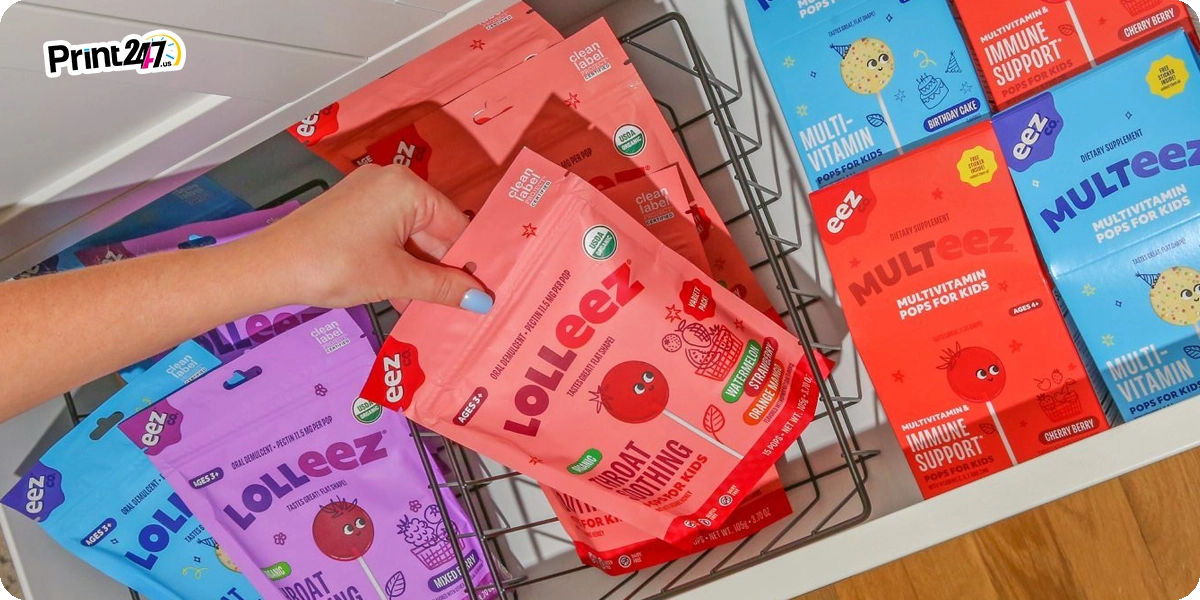
Paper packaging is all about giving shape and support while flexible packaging bends around the product and most of the time offer barrier protection against external elements like air, moisture, light, and grease.
Keep note of one important factor: paper packaging and flexible packaging are not always opposite from one another. Some flexible packaging types use paper as one of their layers.
In this blog, we’ll discuss both the types to help you choose the right one for your business.
What Is Paper Packaging?
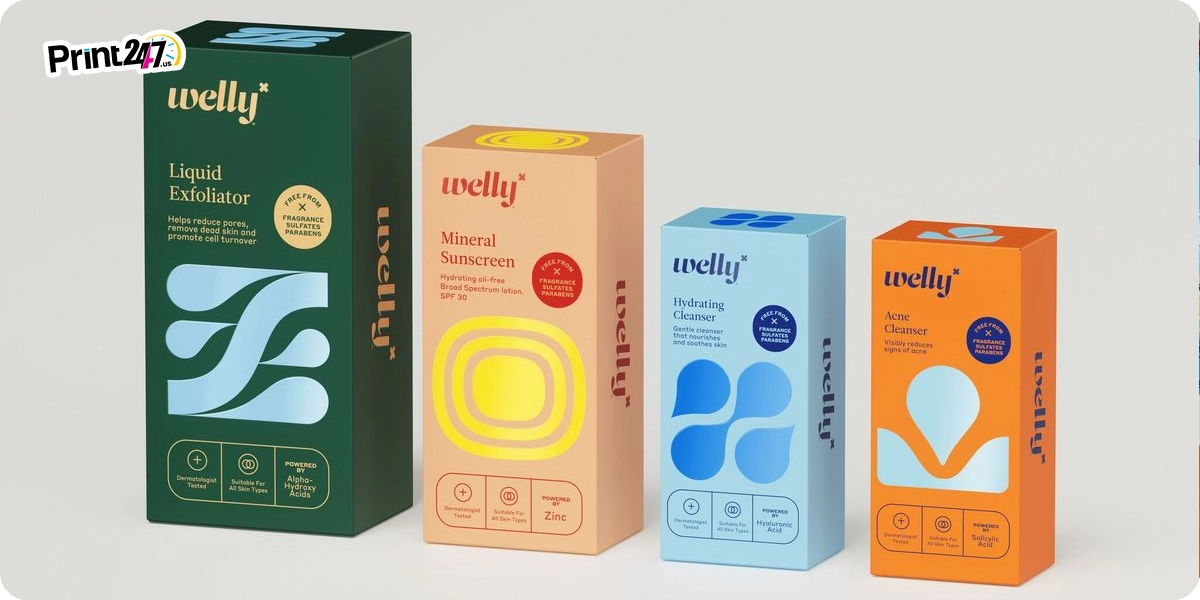
The core materials behind the making of paper packaging are paperboard, cardboard, kraft paper, or corrugated board. This packaging is used when a product needs a chic outlook and solid support.
This packaging has always been in trend and expected to grow exponentially. A recent market size study of paper packaging shows it was valued at 378.59 billion USD in 2025 and is expected to reach 619.71 billion USD by 2035 at a CAGR of 5.3%.
Common paper packaging types include:
Paper bags
Corrugated shipping boxes
Paper wraps
Paper void fill
Paper packaging can be brown, white, colored, printed, coated, or plain depending on the choice of businesses.
Bags and boxes made from paper material are most common in retail stores, bakeries, apparel, gifts, and ecommerce industries. Corrugated boxes are the most common shipping containers which consist of flutes that give additional strength and cushioning to products from bumps and crushing.
Paper material is easy to recycle. Keep note that paper can lose its strength when it gets wet. It may also need a coating for greasy food, liquids, or products that need a longer shelf life.
What Is Flexible Packaging?
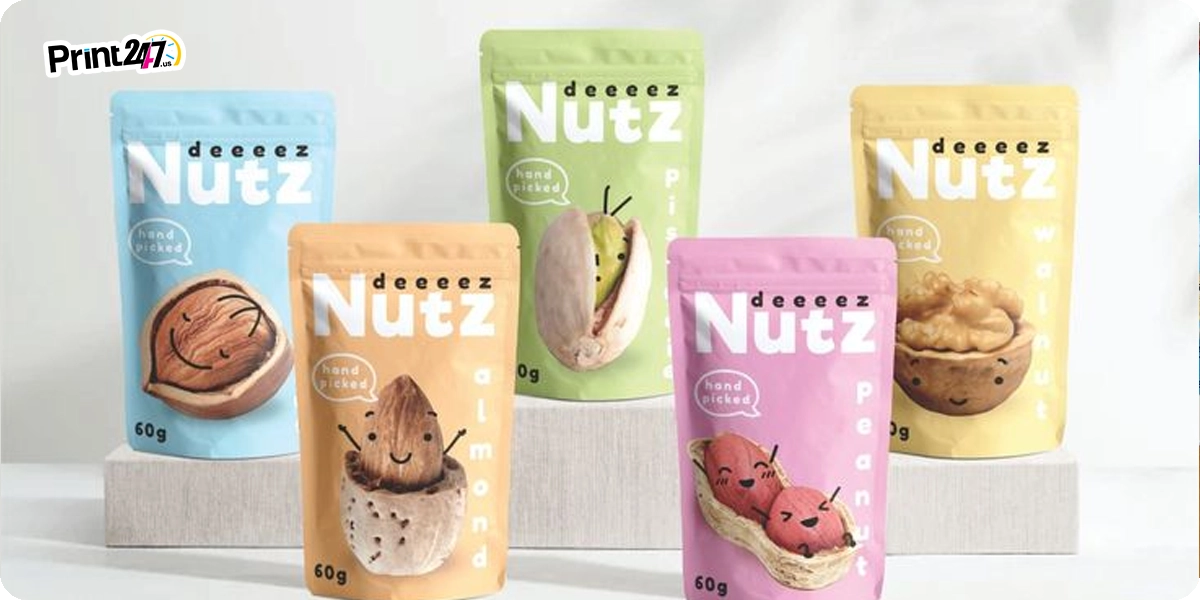
Flexible packaging has the tendency to bend, or fold unlike a box that stays stiff on its own.
A global market study by grandviewresearch states that flexible packaging is expected to go upwards from 307.2 billion USD in 2026 to 440.9 billion USD by 2033 at a CAGR of 5.3%.
Common flexible packaging types include:
Food wrappers
Shrink film
Flexible paper wraps
Flexible packaging includes materials like plastic, paper, foil, or several layers joined together. These several layers can be combinations of polyethylene, polypropylene, polyester, aluminum foil, and paper.
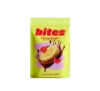
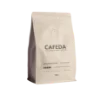
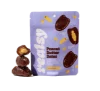
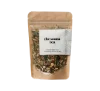
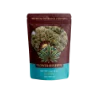
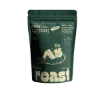
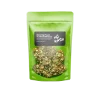
Like, a snack pouch has three layers. One layer helps to stop moisture from seeping in. Another to block light. And third one to make the pouch safe for contact with food. This multi layer structure of flexible packaging makes it suitable to be used as coffee pouches, candy pouches, snacks pouches, pet food mylar bags, powder bags, and personal-care refill pouches.
Flexible packaging is easy to store as it takes up less room in warehouses and during shipping.
Paper Packaging vs Flexible Packaging: A Side by Side Comparison
The main difference is simple:
Paper packaging is often best when you need structure and crush protection.
Flexible packaging is often best when you need a light package and strong product barriers.
Factor | Paper Packaging | Flexible Packaging |
Common formats | Boxes, cartons, bags, mailers, wraps | Pouches, bags, films, wrappers, mailers |
Shape | Holds its shape | Bends around the product |
Product protection | Good for crush protection, especially corrugated boxes | Good for air, moisture, grease, and light protection when the right material is used |
Weight | Often heavier | Usually lighter |
Storage space | Can take up more room | Stores flat and often takes less space |
Shipping use | Good for fragile and heavy goods | Good for lightweight and non-breakable goods |
Moisture resistance | Low unless coated or lined | Often high, based on the material |
Shelf life | May need liners for food or sensitive products | Can support longer shelf life with barrier layers |
Branding | Great for large graphics and unboxing | Great for printed pouches, labels, and shelf display |
Recycling | Often easier when clean and uncoated | Depends on the material mix and local recycling rules |
Biodegradable packaging | Possible with plain paper-based formats | Less common; depends on the material |
Best for | Shipping boxes, gift packaging, fragile items, retail bags | Snacks, coffee, refills, dry food, mailers, and sealed products |
Cost, Shipping, and Storage
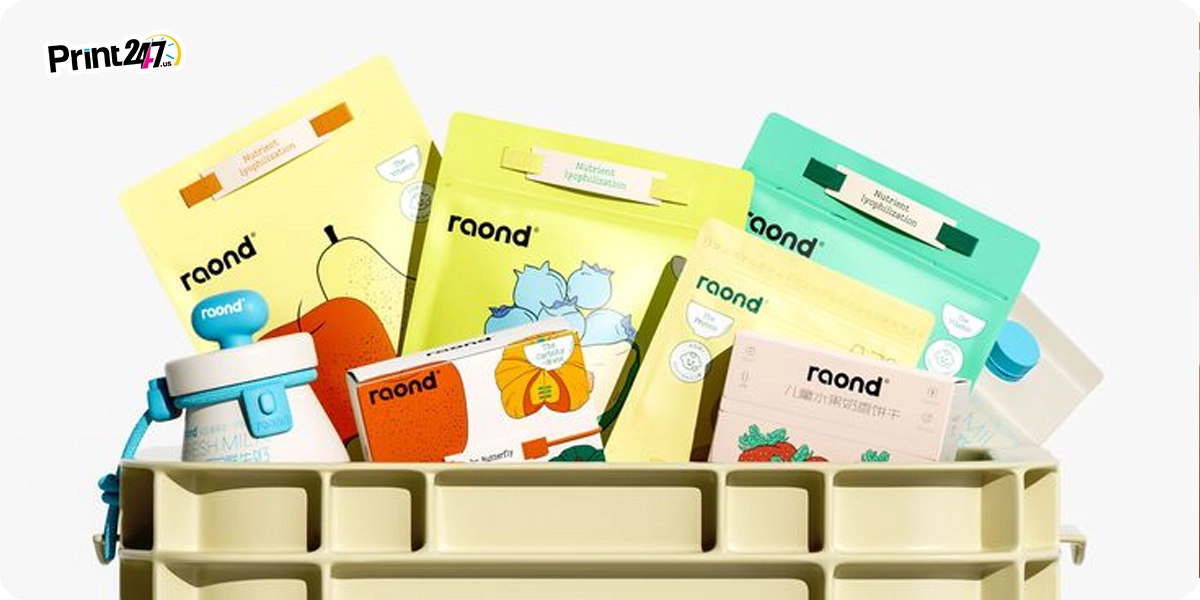
Cost is one of the first things that businesses think about. But one thing to keep notice of is that the cheapest package is not usually the best one.
A flexible bag costs less than a custom paper box. It stores flat, so it occupies less warehouse space. Its overall less weight is also a factor in reducing shipping costs.
Paper packaging costs more when it is made from thick board, custom printing, special coatings, or custom shapes. But still, it adds value. A strong printed box may make a product look more premium. It can also give customers a better unboxing experience.
Think about:
A pouch may work well for coffee because it is light and can block air.
A corrugated box may work better for candles because it protects glass from breaking.
A clothing brand may use a paper mailer for a natural look.
A beauty brand may use a flexible pouch for refills and a folding carton for gift sets.
Do not look only at the unit price. Also consider storage, shipping weight, damage, returns, and how the package supports your brand.
Product Protection and Shelf Life
The right package should protect the product from the problems it may face.
When Paper Packaging Works Best
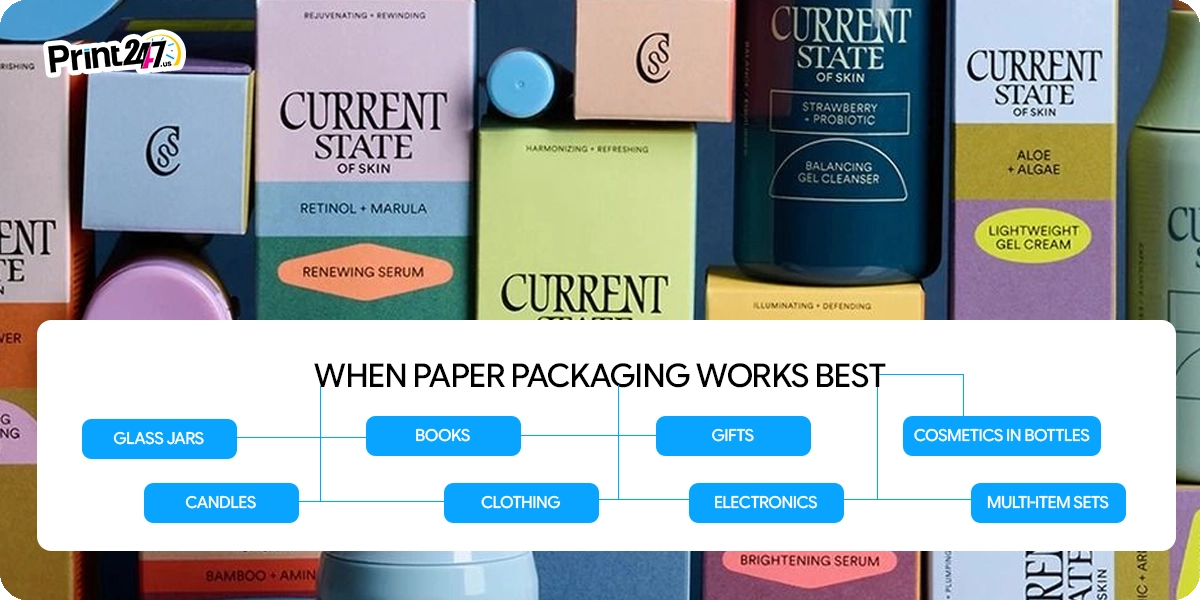
Paper packaging is a strong choice when a product needs support and shape. It works well for:
Glass jars
Candles
Books
Clothing
Gifts
Electronics
Cosmetics in bottles
Multi-item sets
Paper cushioning, inserts, and dividers can also be added in the paper packaging for more safety. Moreover, paper packaging gives brands a large canvas to print their logo, theme colors, product copy, and so much more.
When Flexible Packaging Works Best
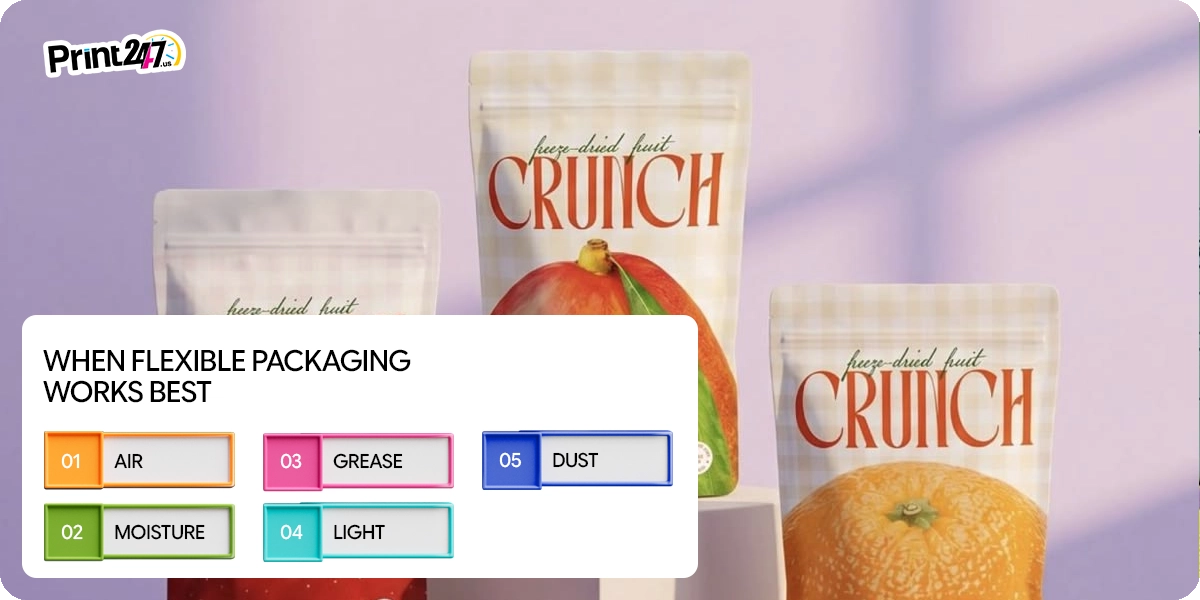
Flexible packaging often works better when a product needs a strong barrier. It can help block:
Air
Moisture
Grease
Light
Dust
A flexible pouch can help keep a product fresh while using less space than a box. However, it does not give much crush protection.
Sustainability Comparison Between Paper & Flexible Packaging
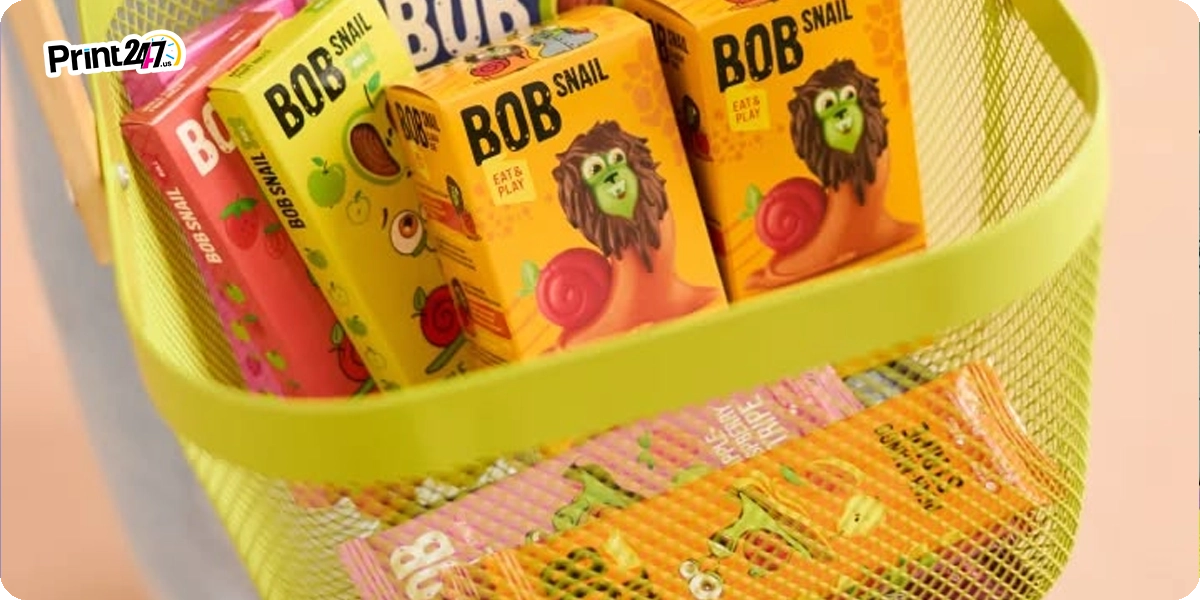
Many businesses want to use eco-friendly packaging materials to care better for the mother Earth. So, most of the decision burden between choosing paper vs. flexible packaging comes down to how much one is easy to recycle.
Paper Packaging
Paper packaging has several benefits:
It can come from renewable fiber sources.
It can contain recycled content.
Clean and uncoated paper is widely accepted for recycling.
Plain paper can break down over time.
Paper also has its limitations. It uses more water and energy during production. It weighs more than flexible packaging, which can add to shipping costs.
Paper that has plastic coating like wax or heavy food grease might not be accepted in all recycling systems.
Flexible Packaging
Flexible packaging has benefits too:
It uses less material than a rigid box or container.
It is light in weight, which can reduce transport weight.
It can help protect food and reduce waste.
As the flexible packaging has a multi layer structure, it is not accepted in curbside recycling.
The Honest Answer
Paper is not always better. Flexible packaging is not always worse.
A better choice is packaging that:
Uses only the material the product needs
Protects the product from damage or spoilage
Uses recycled content where possible
Matches local recycling systems
Avoids extra layers and waste when they are not needed
This is the best way to make a true sustainable packaging comparison.
Which Industries Should Choose What?
Food and Beverage
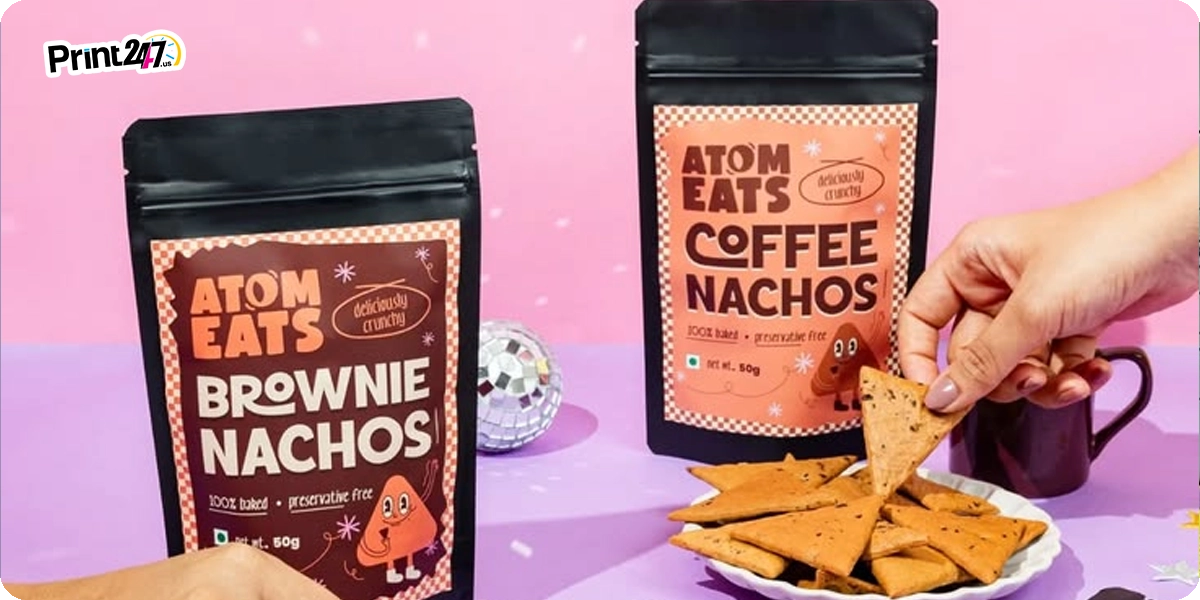
Flexible packaging is ideal to package snacks, coffee, candy, dry mixes, pet treats, and more because it keeps them fresh.
Paper packaging works perfectly for bakery and takeout food items. For greasy food, wax coating needs to be added to paper material.
E-Commerce and Apparel
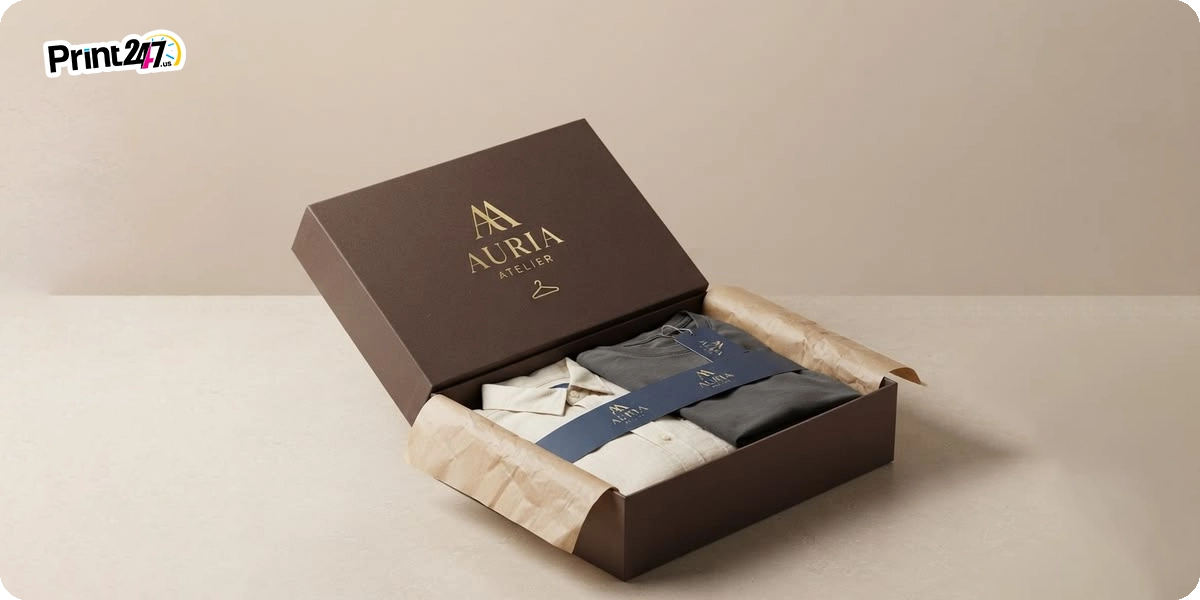
Paper mailers are perfect to store clothing, paper goods, and other items that do not need moisture resistance.
Flexible poly mailers may be a better fit for items that need water protection during shipping. They are also light and compact.
Cosmetics and Personal Care
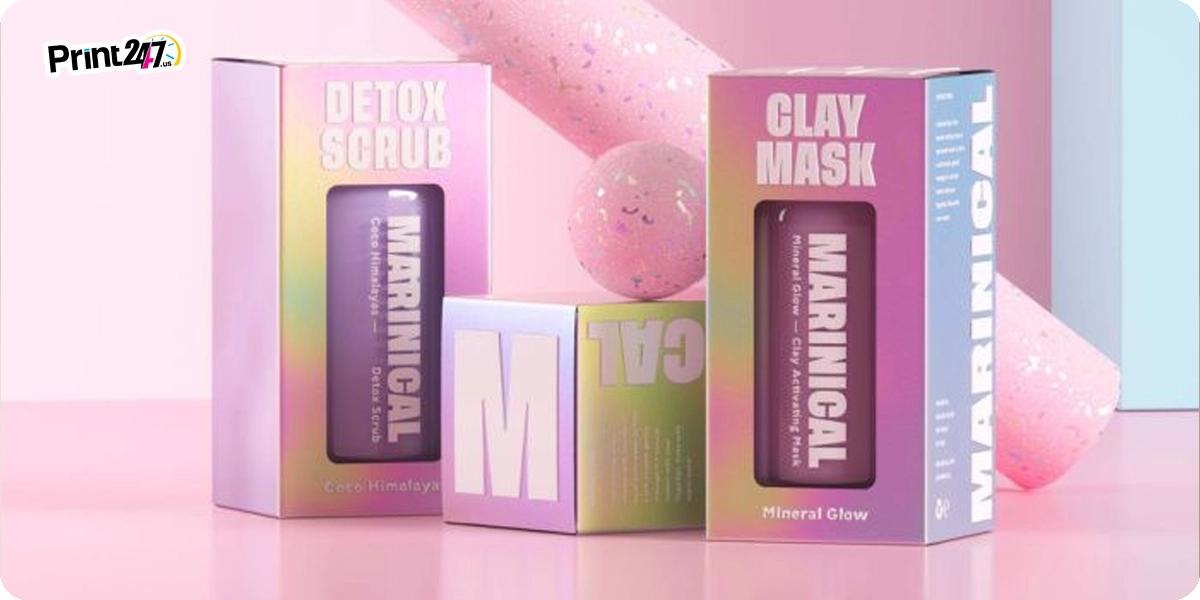
Flexible pouches work well for refills, sample packs, lotions, and soaps. Folding cartons work well for premium products, gift sets, and bottles that need more support.
Retail and Gift Products
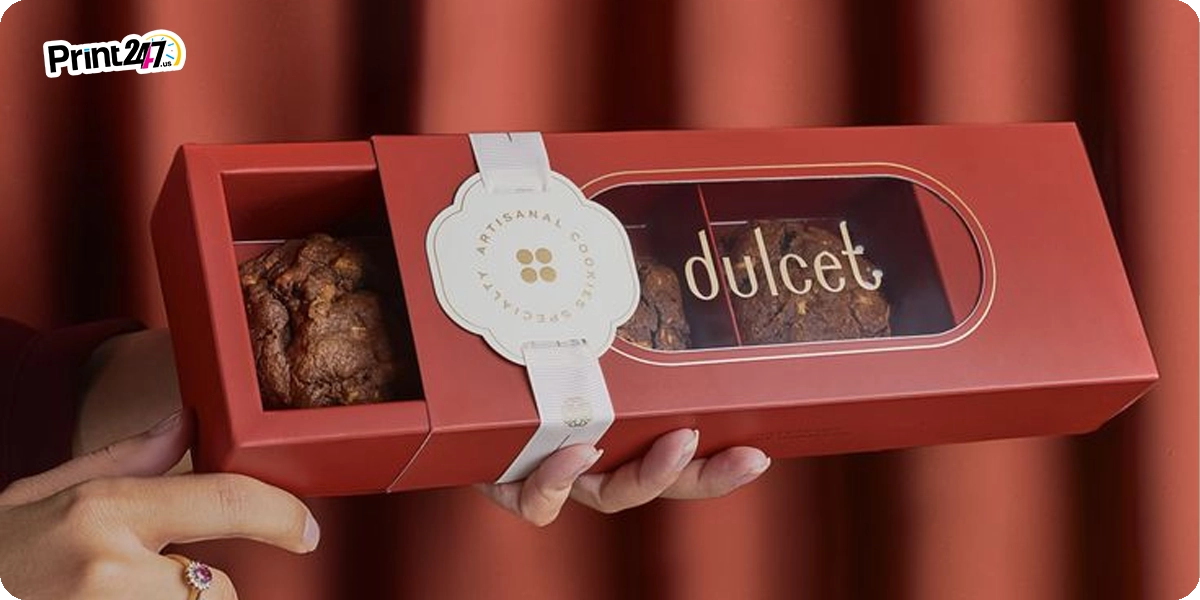
Paper bags, folding cartons, and corrugated boxes give customers a solid unboxing & shopping experience.
Flexible packaging can work for refills and lightweight products.
Opt for The Better Packaging Choice with Print247
As discussed in the whole article, paper packaging gives a solid structure and secure space to products. It can be customized in plenty of styles to better accommodate products and be more interactive. On the other hand, flexible packaging is best for compact storage, low costs, and minimum space consumption.
At Print247, we help businesses to choose the best packaging options depending on their packaging and budget needs. So, whether you need paper bags, folding cartons, mailer boxes, stand up pouches, spout mylar bags, or anything else, our team will assist you in creating the perfect custom solution for your needs.
To get started, reach our experts via call at +1 (832) 807-3429 or send an email to Support@print247.us
FAQs
What’s the difference between paper packaging & flexible packaging?
Paper packaging includes boxes, cartons, paper bags, wraps, and corrugated shipping boxes. Flexible packaging includes pouches, bags, films, mailers, and wraps that bend around the product.
Is flexible packaging always made from plastic?
No. Flexible packaging uses plastic, foil, paper, or mixed materials. Some flexible packages are paper-based, but they may still use coatings or liners for extra protection.
Can I use paper and flexible packaging together?
Yes. A business can use a flexible pouch to protect a product and a paper carton or corrugated box for shipping, branding, or gift presentation. This is often the best choice for products that need both freshness and physical protection.
Get a Quick Quote

More Articles
 Bill ‘Hogg’ Ryan
How to Choose Sock Packaging for Peg Display vs Shelf Presentation
 Bill ‘Hogg’ Ryan
How to Choose Box Thickness for Durable Puzzle Packaging
 Bill ‘Hogg’ Ryan