


Carefully selected materials that deliver exceptional print quality, durability, and shelf presence.


 New
New






















How to Measure a Box: The Art and Branding Power Behind Perfect Dimensions
Packaging isn’t just a cardboard shell around your product, it's the protective layer, the stage, and often the first handshake with your customer. If a box's dimensions are accurate, you can protect what is important, reduce costs and make your brand appear like it belongs on the major leagues. If you misjudge the box by just a half-inch, however, it could result in damaged products, waste materials or a less than flattering impression of your brand.
Here in Rosenberg, just outside Houston, the Print247’s team knows this story well. Measuring a box might sound basic, but it’s a cornerstone of packaging mastery especially for brands aiming to extend from “good enough” to “top of the line.”
Dimension clarity is the key to packaging design, from standard corrugated cardboard boxes to luxurious rigid cartons. Dimensional precision will be key to the future of packaging and printing for the U.S. in 2026. It'll spark efficiency, sustainability and storytelling at the same time.
Why Box Measurement Matters More Than Ever?
Every inch of your box measures more than space; it measures cost, impact, and brand psychology. The right measurements are important for e-commerce companies because they can fit more items per pallet, reducing shipping costs. Retail brands can achieve a tight, attractive fit, which shows that you are concerned about form as well as function.
When box measurement is not exact there will be worse consequences.
The product will rattle, corners may be dented, and the customer's trust is also affected. You waste valuable time trying things to fit, sometimes forcing, bending or damaging the product you carefully built.
Accurate dimensions Measurement contributes to seamless fulfillment, brand recognition, and repeat happy customers.
The Core Formula: Length × Width × Height
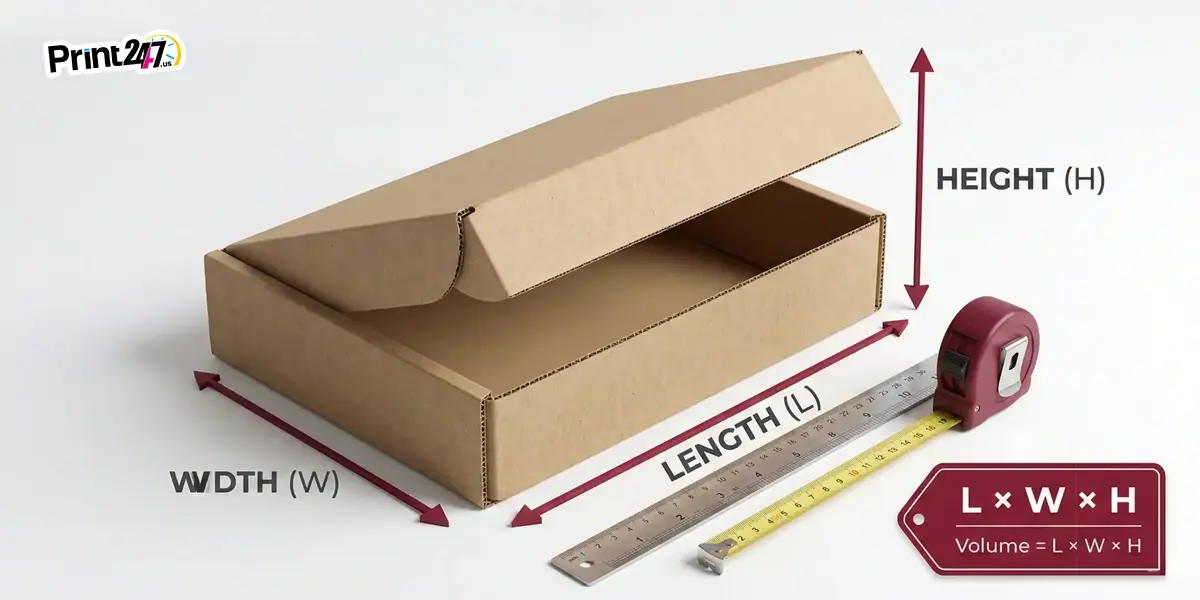
In packaging design, dimensions always follow one rule:
Length × Width × Height (L × W × H).
It’s an order that governs everything from how your product sits inside the box to how the box stacks on a pallet.
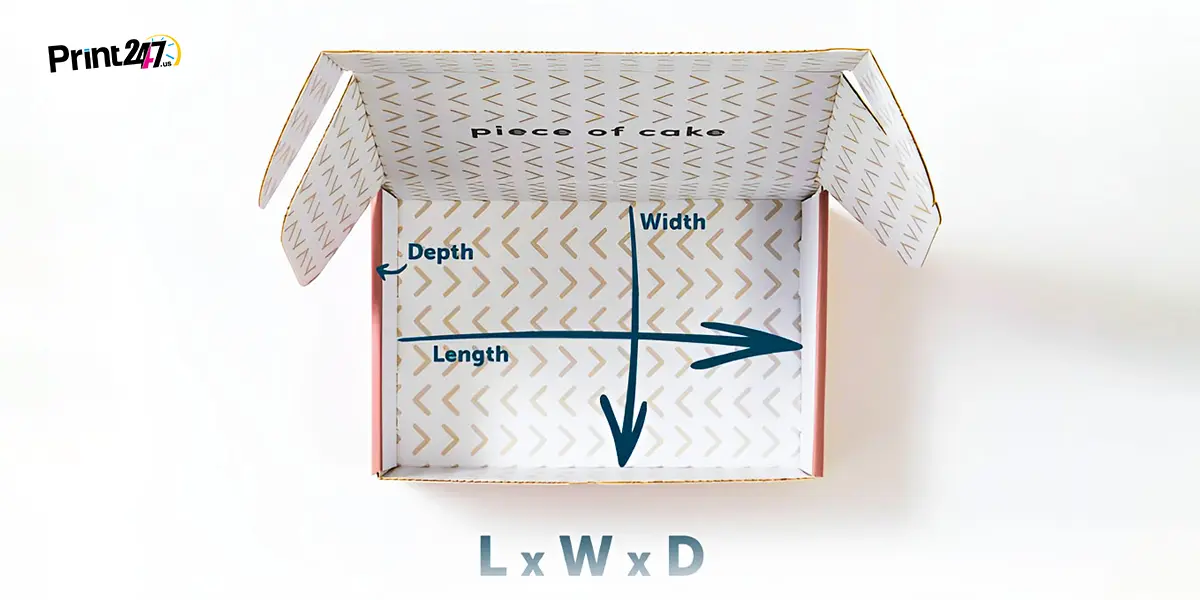
Length: The longest side along the box’s opening.
Width: The shorter side next to the length.
Height (or Depth): With the vertical measurement from base to top when the box is particularly closed.
Always measure from inside the box if you want to know what fits inside. Outside measurements matter for shipping and storage, but inside dimensions determine whether your product rests securely, cushioned and confident.
Even a quarter inch of miscalculation can result in frustrating tight fits or excess void fill that bloats shipping costs.
How to Measure the Right Way: Tools and steps
Patience and consistency are the keys to precision. These steps are always successful, whether you are a packaging designer or manufacturer, as well as an ecommerce brand.
Unfold and place an empty box flat on the surface.
Use a ruler or tape measure that reads in inches or centimeters whichever unit your packaging supplier uses by default.
Begin with the length of the side that is the largest at the end.
Move to width, the shorter side adjacent to length.
Measure height from bottom to top, straight along the crease without bending the material.
Keep your measuring tool snug, not stretched accuracy matters down to the fraction.
Taking dimensions from inside the box gives a realistic product fit, while outer dimensions determine storage optimization and shipping rates.
It’s that simple but often, it’s what separates professional packaging from costly trial-and-error.
The Comfort of Standard Box Sizes
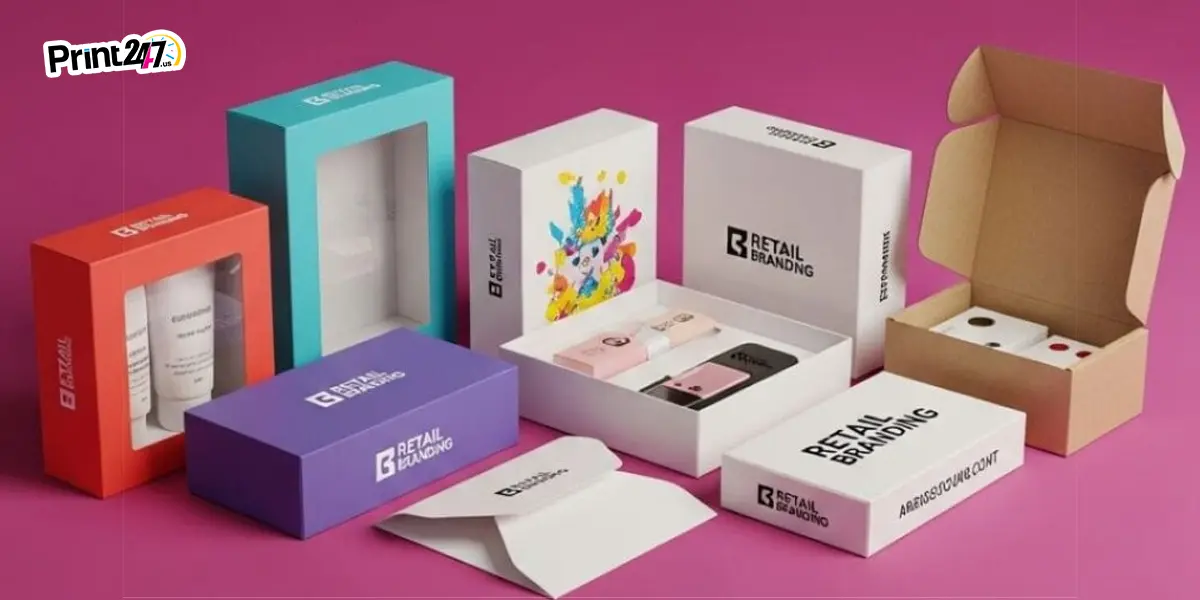
Standard box sizes are the unsung heroes of packaging. They offer familiarity, consistency, and cost efficiency.
Across the U.S. packaging market, here are typical industry-standard dimensions worth noting:
Box Type | Common Dimensions (inches) | Core Feature |
Mailer Boxes | 6×4×3 to 18×12×6 | Lightweight, ideal for subscription and e-commerce brands |
Corrugated Boxes | 12×9×6 to 24×18×18 | Durable, stackable, and protective |
Folding Cartons | 3×3×1.5 to 12×10×6 | Retail-ready, customizable, and fold-flat |
Gable Boxes | Around 7×7×9 | Carry-friendly and visually charming |
Rigid Boxes | Roughly 10×8×4 | Premium-grade and luxury finished |
Tall Boxes | 4×4×12 to 12×12×20 | Designed for vertical or specialty products |
These standard dimensions help brands move faster; especially for products with predictable shapes like cosmetics, snacks, apparel, or tech accessories. But the game truly changes when your brand’s packaging calls for more than “standard.”
When Custom Dimensions Take the Spotlight
Custom dimensions are where packaging transforms from functional to emotional.
When designed with purpose, a custom box becomes your product’s stage, a form that fits perfectly, supports your logistics plan, and delivers a branded experience the customer won’t forget.
Print247 crafts tailored dimensions for a spectrum of U.S. businesses from gourmet bakeries needing perfect snugness for their cupcakes, to premium tech firms wanting sleek rigid gift boxes that shout quality.
Perfect Fit, Zero Waste
With precise custom measurements, brands achieve:
Reduced void fill and packing waste
Lower dimensional shipping costs
Better shelf and pallet efficiency
Stronger brand identity through shape and presence
Imagine packaging perfume bottles in oversized cartons. You’d pay extra in shipping while losing that refined, elegant impression your brand deserves. Custom-fit boxes tell your customer you care about the product and them.
The Role of Printing and Color in Box Design
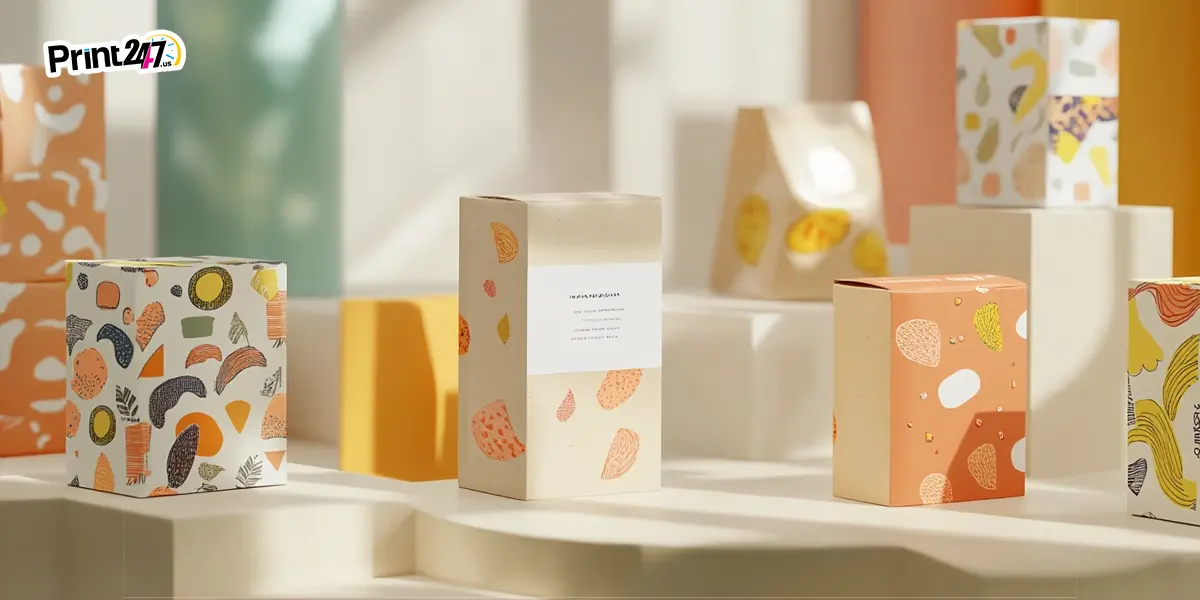
Once the shape and size are perfect, printing takes the functional lead.
In the packaging world, At Print247, we optimize print for each dimension, ensuring no detail is lost, whether it’s a petite 6×6 mailer or a large rigid box flaunting full-panel artwork.
Offset printing is a high volume, consistent color production that offers precision and agility for limited or small editions. They shape the future for premium packaging across America's varied business landscape.
How Do You Measure The Girth of A Box?
Girth is only 2 × (width + height). Some couriers, however, ask for length + girth when calculating package limits. The girth of box has been of exponential significance for ensuring product snugly fits within as per requirements.
Box Size Meets Brand Psychology
Size influence goes beyond fitting it defines perception. A smaller, snug box evokes neatness and precision, while a slightly larger one suggests generosity and luxury. For instance, rigid boxes with just an extra centimeter of breathing space add flair to unboxing moments.
Packaging studies documented by industry leaders like Markets and Markets and Business Dasher predict that right-sized packaging neither tight nor excessive will become the defining trend of sustainable box design through 2026 and beyond. It’s a subtle but powerful shift toward packaging that balances efficiency with emotional satisfaction.
Materials That Make Measurement Matter
The size of the box is just as important as choosing the material.
Cardboard is lightweight, recyclable, and cost-effective. It's perfect for shipping daily and short-term retail usage.
Corrugated Board - Made up of flutes which absorb shock. Ideal for logistic-heavy operations or shipments of fragile items.
The rigid cardboard is a thick, high-quality material that's often used for luxury packaging and branding.
Folding carton packaging that is flexible and can be printed in vibrant colors.
Print247's boxes are printed to perfection, measured with precision and finished in a tone that matches the product, whether it is minimalistic clean lines or radiant maximumist bursts.
How Right Dimensions Protect Branding?
Think of a premium fragrance tucked in a misfit box; it falls short of expectation before it even opens. That’s the obstacle many brands face when box sizes aren’t designed to snugly fit.
Properly measured packaging doesn’t just hold a product; it preserves brand value. It prevents:
Crushing or bending during shipment
Overuse of fillers and inserts
Unappealing shelf appearance
Reputational damage from poor unboxing experiences
Every fraction of an inch counts in building reliable, repeatable trust.
The USA’s 2026 Packaging Outlook
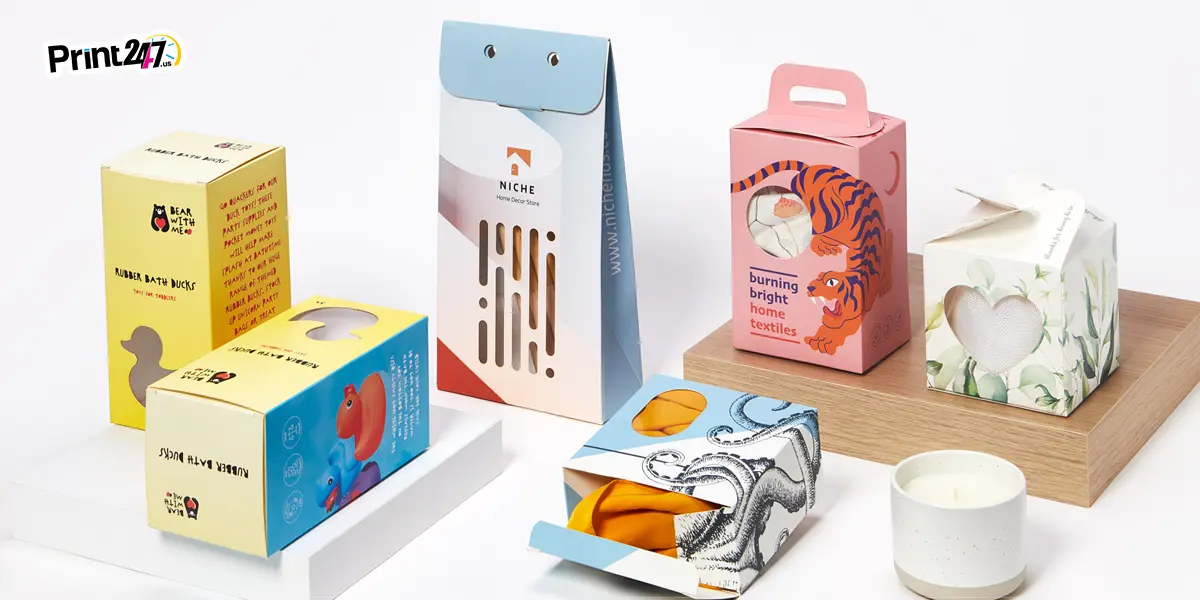
The packaging ecosystem in the U.S. is entering its most precise era yet. Reports from Markets and Markets and Shorr Packaging Insights reveal an industry increasingly focused on:
Dimensional optimization for shipping cost control
Custom print finishes to elevate smaller batch runs
The biodegradable design goes through a process of renewable materials, recycled corrugated and FSC-certified materials.
Smart packaging integrating data-driven traceability into box surfaces
With e-commerce growth booming nationwide, accuracy in box size measurement isn’t just good practice, it's becoming a competitive advantage that shapes a brand’s entire customer experience.
What Is The Difference Between Internal And External Box Measurements?
Internal measurements tell you if a product fits while external measurements decide the shipping price. You measure the inside of the box to find the exact space available for your goods. This is the most important number for product safety and a snug fit. External measurements include the thickness of the box material itself. Shipping companies use these outer numbers to calculate how much space your package takes on a truck. Always provide internal dimensions to your packaging team to avoid costly fitting errors.
How to Measure a Box Correctly for Shipping
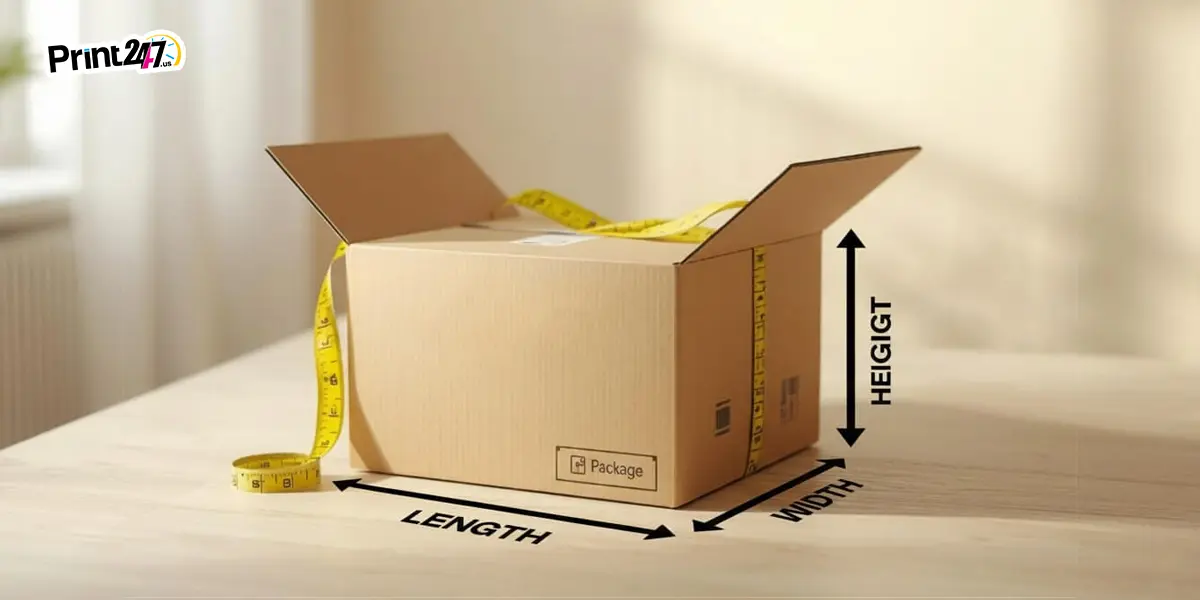
The standard way to measure a box is to follow the order of length by width by height. You must always measure the opening of the box first. The length is the longest side of the opening. The width is the shorter side of the opening. The height is the only vertical side that goes from the top to the bottom. Measuring in this exact order helps your manufacturer create a perfect blueprint. It also ensures your shipping labels and costs stay accurate throughout the delivery process.
How Do You Calculate The Girth Of A Shipping Box?
You calculate the girth of a box by doubling the width and adding it to the double of the height. The formula is two times the width plus two times the height. This measurement tells you the distance around the thickest part of your package. Many delivery companies use a total size limit which is the length plus the girth. Knowing this number helps you avoid extra fees from shipping carriers. It is a vital step for any business looking to save on logistics costs.
How Do You Measure The Volume Of A Cardboard Box?
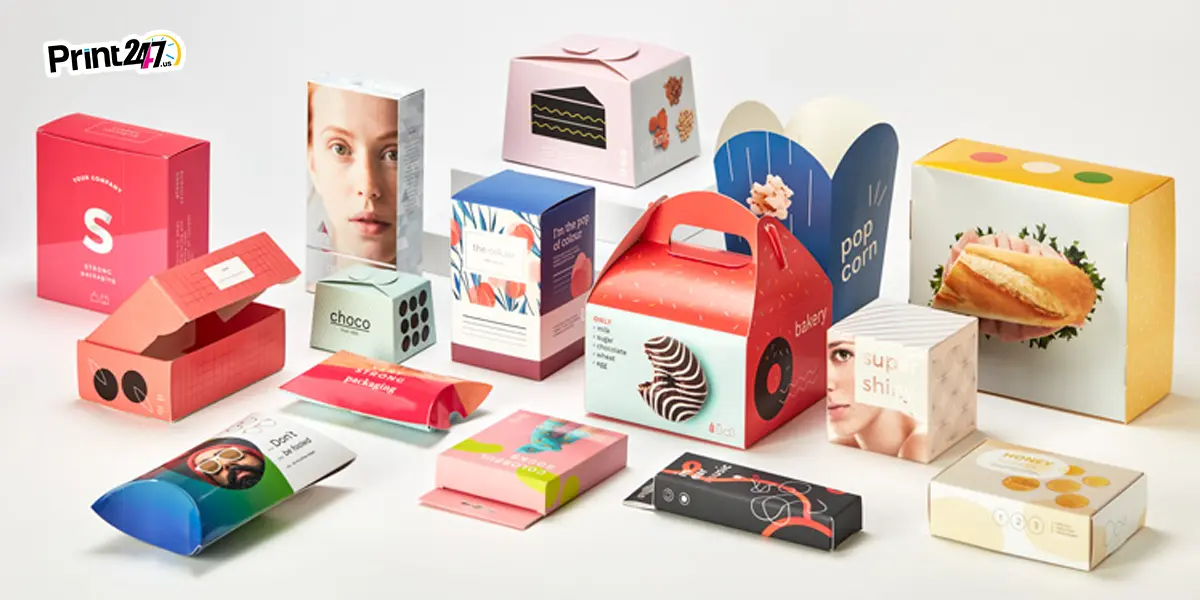
You measure the volume of a box by multiplying the length by the width and then by the height. This calculation shows the total cubic space inside the package. The simple math formula is LxWXH High volume numbers usually mean you need more filler material like bubble wrap or paper. Reducing the volume helps your brand stay sustainable by using less material. It also lowers the dimensional weight which makes your shipping much cheaper.
Minimalist or Maximalist Measured to Perfection
Whether your brand aesthetic whispers quiet confidence or radiates color, it all begins with precise box geometry.
Minimalist brands thrive on sharp, clean lines and consistent proportions.
Maximalist brands rely on grander dimensions and layered structural creativity.
With box dimensions,as IKEA demonstrates minimalistic designs are a more sustainable choice. Measurement minimalism or maximalism both have their vital role. Like, the appropriate sized boxes utilize less materials extending you to save cost and space.
While maximalism has multi-layered boxes for showing product detail and imagery.
The choice depends on the brand's goals. Maximalist often requires larger space in the box.
Print247’s design team in Texas understands both worlds. We prototype, test, and calibrate every measurement from folding carton tabs to rigid box lids before production even begins. The result? Packaging that fits perfectly, looks exceptional, and performs on every front.
When Half an Inch Costs a Fortune
One of the most common errors packaging buyers make is measuring outer dimensions instead of inner. A Houston-based startup once ordered corrugated shipping boxes listed as 12″ × 9″ × 6″ based on product footprint alone. When their goods arrived, they didn’t fit not because the box was small, but because they’d read outer dimensions while needing inner clearance. The fix required reprinting 2,000 boxes.
For Instance: That half-inch difference became a $7,000 reminder: measurement precision is money saved and reputation preserved in the long run.
Customization Beyond Measurement
After dimension accuracy, consider embellishment opportunities like:
Embossing and Foiling for tactile elegance.
Spot UV Finishes to highlight your logo or text.
Matte or Gloss Laminates to protect vivid imagery.
Die-Cutting Unique Openings for showcase packaging.
No matter the finish, every design begins with a measured blueprint that guides print alignment, cut precision, and box assembly integrity.
Cost Impact of Box Dimensions
Measured right, your packaging doesn’t just fit it saves.
Shipping Costs: Couriers bill by dimensional weight; smaller, tighter boxes cost less per mile.
Storage Costs: Optimized dimensions free warehouse space.
Material Savings: Proper sizing minimizes waste and improves sustainability metrics.
With Print247’s dimensional assessment tools, brands get a 360° optimization balancing cost, performance, and beauty.
Pro Tips for Practical Packaging Application

Always use a metal tape measure for the best accuracy. Fabric tapes can stretch over time and give you wrong numbers. If you are measuring a box that is already flat you should measure from the center of the score lines. These are the creases where the box folds. This gives you the most honest internal dimension for your product.
Keep a record of both the internal and external dimensions for every box in your inventory. This helps your team quickly choose the right size for every order. It also helps your accounting team predict shipping costs before a single package leaves the building. Accuracy in measurement is the fastest way to improve your brand reliability and save on waste.
Conclusion: Precision Defines Professionalism
A box isn’t just measured; it’s engineered. Getting those dimensions right bridges the distance between protection and perfection. It unites function, cost-effectiveness, and branding into one seamless experience.
At Print247, we make those measurements mean something. From every coastal to national stage, every box we craft corrugated, rigid, mailer, or folding starts with the same simple principle: measure with purpose, print with passion, and deliver with precision.
No brand can truly grow without packaging that fits right and none should settle for less than that perfect fit.
Get a Quick Quote

More Articles
 Bill ‘Hogg’ Ryan
Roll Labels vs Sheet Labels and When Each One Makes Sense
 Bill ‘Hogg’ Ryan
How to Choose Box Thickness for Durable Puzzle Packaging
 Bill ‘Hogg’ Ryan