






Custom Food Packaging Boxes: FDA-Compliant Options for Bakeries & Food Brands
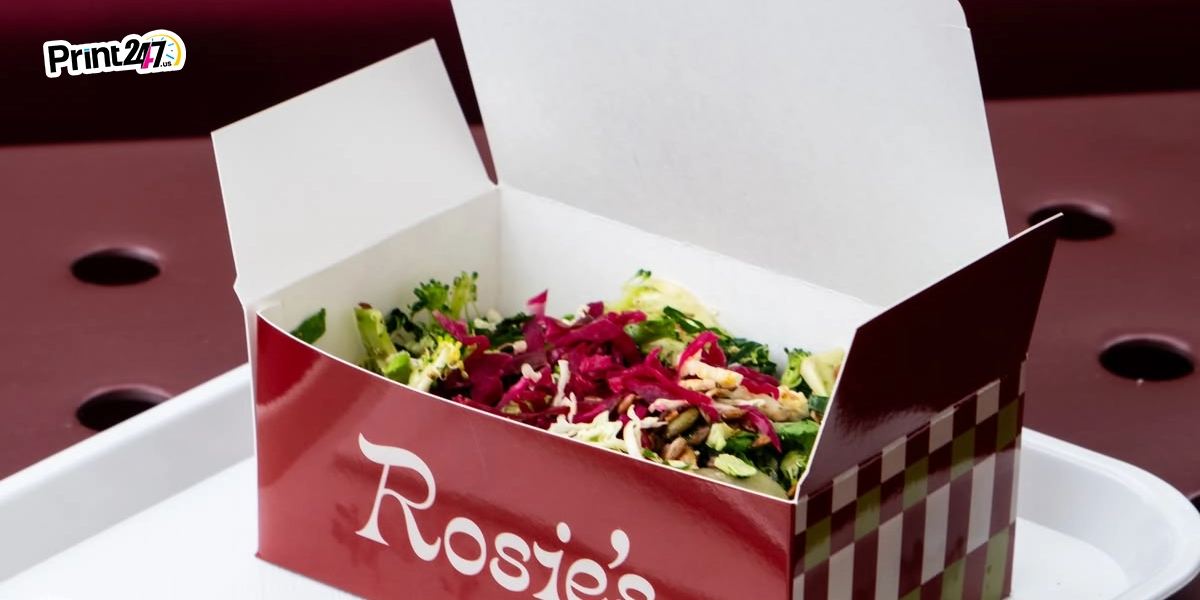
In modern food service and delivery, customer experience starts with the food packaging. The moment customers see, touch, and unwrap their order, their perceptions about your business also start to change. That moment will decide if they are going to order from you again or not.
Food packaging should not only make your cuisine look presentable, but it should also guarantee food safety, freshness, and ensure safe food delivery. Custom food packaging boxes play an essential role in shaping these sensory cues.
Food businesses in the USA must follow FDA guidelines to avoid contamination and maintain product integrity. Investing in high quality custom food packaging boxes has become a necessity, and businesses like cafes, snack brands, frozen food companies, bakeries, and restaurants are taking strict measures to meet these requirements.
Modern food packaging is designed with food safety features. Businesses use food safe inks and grease resistant coatings to prevent contamination. Most food businesses in the UAE choose environmentally safe packaging solutions to meet the growing demand of eco conscious consumers.
In this guide, we’ll address food safe requirements and how businesses can design packaging to improve product presentation and create a memorable customer experience. Let’s find food safe packaging solutions for your brand.
What Are Custom Food Packaging Boxes?
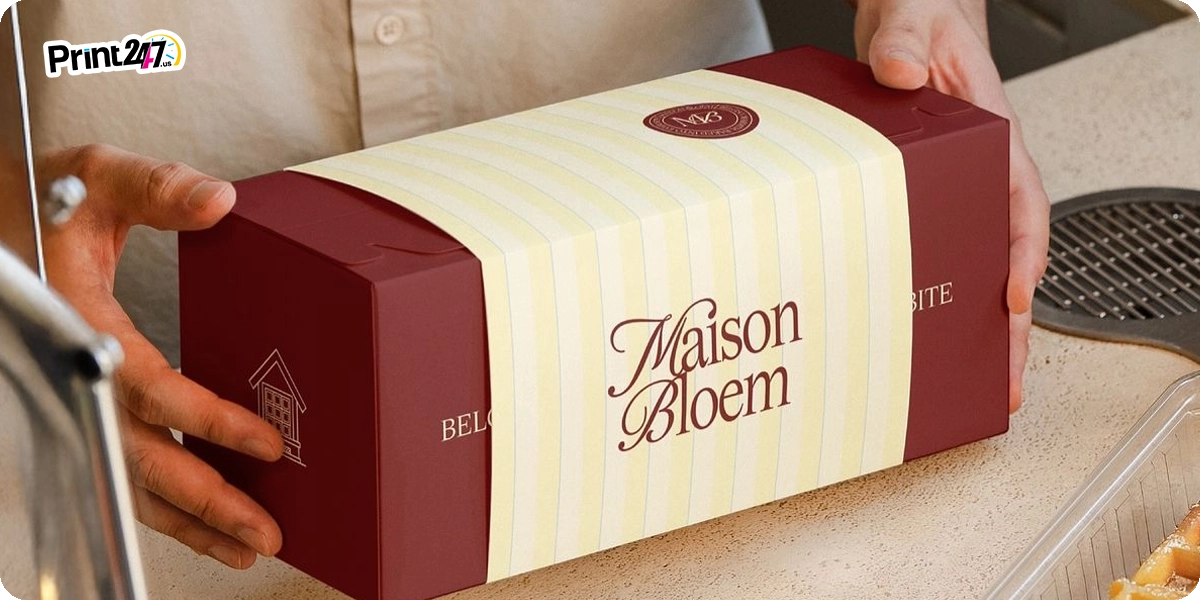
Custom food packaging boxes are manufactured specifically for the safe storage of food items. They are designed to ensure they meet the specific requirements of food brands. The custom food boxes must be:
FDA compliant
Functional and durable
Food grade
Sustainable
Moisture resistant
These boxes are tailored to exact product dimensions to prevent food damage during delivery. Custom packaging also offers amazing branding opportunities, allowing businesses to showcase their luscious cuisines with confidence.
Food packaging is made using food safe materials that are compatible with the product’s needs. There’s a difference between regular packaging and food grade packaging.
Food grade packaging is strictly regulated to ensure no harmful chemicals or toxins can contaminate food. On the other hand, regular packaging is engineered to be durable and may contain dyes and bleaches that can contaminate food’s quality and pose severe health issues.
The structure of the food box supports proper airflow to prevent sogginess while making sure the food remains hot and fresh. Businesses need to understand that different types of food products require different levels of protection. For example, if you’re packaging oily foods, you’ll need grease resistant coatings. Similarly, if you’re packaging frozen items, you'll need packaging that offers a strong moisture barrier, prevents sogginess, and damage.
Food packaging is further divided into two parts
Direct Food Contact: This type of packaging touches the food directly, such as bakery liners and food wrappers.
Indirect Food Contact: Indirect contact packaging includes shipping boxes and outer cartons.
Both of these packaging types are designed to provide structural integrity and durability to make sure the food remains safe during handling and transportation.
Why FDA Compliance Matters in Food Packaging?
FDA compliance is the most important packaging factor in food packaging. It helps ensure that the packaging is safe for direct food contact. The Food and Drug Administration in the USA strictly regulates materials that come in direct contact with food products. This includes:
Adhesives
Coatings
Materials
Printing inks
The packaging is regulated as a “food contact substance” (FCS), which means any materials that come in contact with food must prove that it’ll not contaminate food. FDA compliance ensures food packaging is manufactured to prevent the transfer of harmful chemicals into the food, which is also known as migration prevention.
FDA compliant packaging uses food grade materials, coatings, and low migration inks. This helps reduce the risk of contamination. Most food brands in the USA use aqueous coatings as they are a safe and sustainable option compared to chemical coatings. Compliant packaging matters because:
It helps build trust among customers.
It demonstrates your brand’s commitment to consumers' well being.
It helps avoid any severe penalties and lawsuits.
It ensures the packaging will not alter the taste of the food.
These are the main reasons why food businesses invest in FDA compliant packaging. Food packaging produced with such care helps protect both products and brand reputation.
Important Food Safe Packaging Features
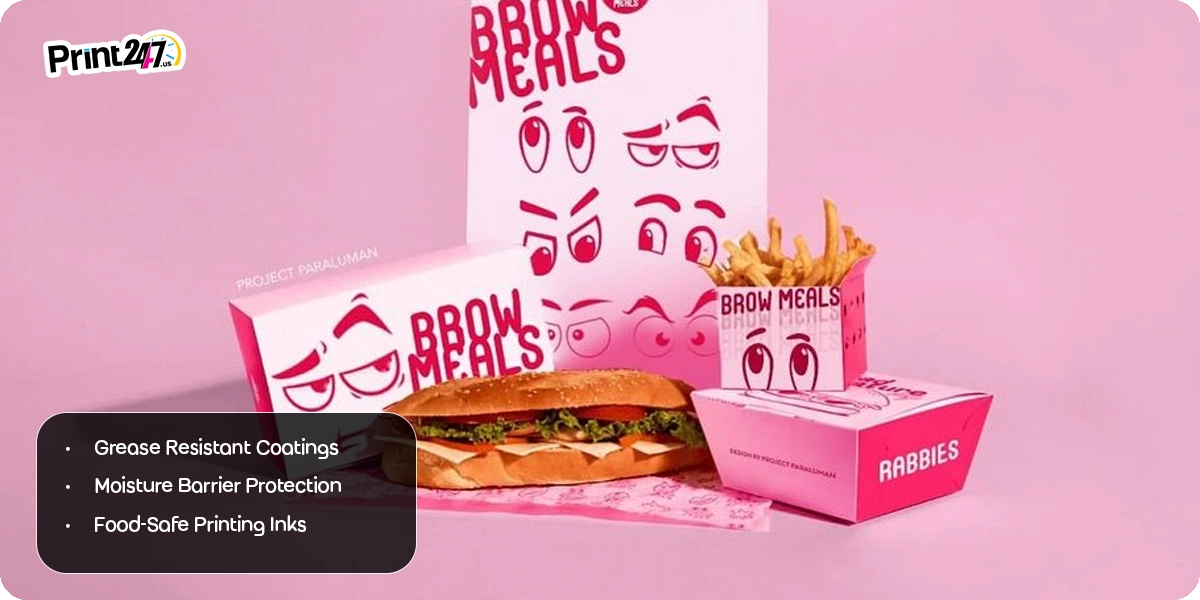
Food packaging is designed to maintain freshness and meet food safety standards. Businesses should look carefully for protective features and materials before finalizing a packaging design:
1. Grease Resistant Coatings
Grease resistant coating is one of the most important features. It is important to make sure that the packaging is grease resistant to prevent oil and grease from soaking through the material. This coating helps maintain the structural strength and ensures the packaging remains sturdy during transport. Businesses should make sure their packaging features PFAS free coatings.
2. Moisture Barrier Protection
The moisture barrier is another important packaging feature. Moisture resistant barriers help protect dry products from vapor, mold, and humidity. This helps maintain texture and improve the product’s shelf life.
3. Food-Safe Printing Inks
It is important for food businesses to ensure that the colorants and dyes used do not contain any toxic chemicals. Using food safe printing inks is important as they do not contain any toxic chemicals and do not migrate into food products over time.
Food packaging suppliers use soy based and water based inks as they support sustainable packaging goals and are considered safe for direct food contact. These printing inks are easily recyclable.
We’ve added a comparison table of the most commonly used food packaging materials based on their usage, protection, and eco friendly benefit:
Material | Best For | Grease Resistance | Moisture Protection | Eco-Friendly |
Kraft Paper | Dry snacks, bakery | Medium | Medium | Yes |
SBS Paperboard | Premium bakery packaging | High | High | Recyclable |
Corrugated Board | Shipping food items | Medium | Medium | Yes |
PE-Coated Paperboard | Frozen/takeout foods | Excellent | Excellent | Limited |
Compostable Materials | Organic food brands | Medium | Medium | Excellent |
Exploring the Types of Custom Food Packaging Boxes?
Different food products need different types of packaging to improve presentation, protection, and maintain freshness during delivery or transportation. Let’s have a look at different types of food packaging boxes:
1. Custom Bakery Boxes
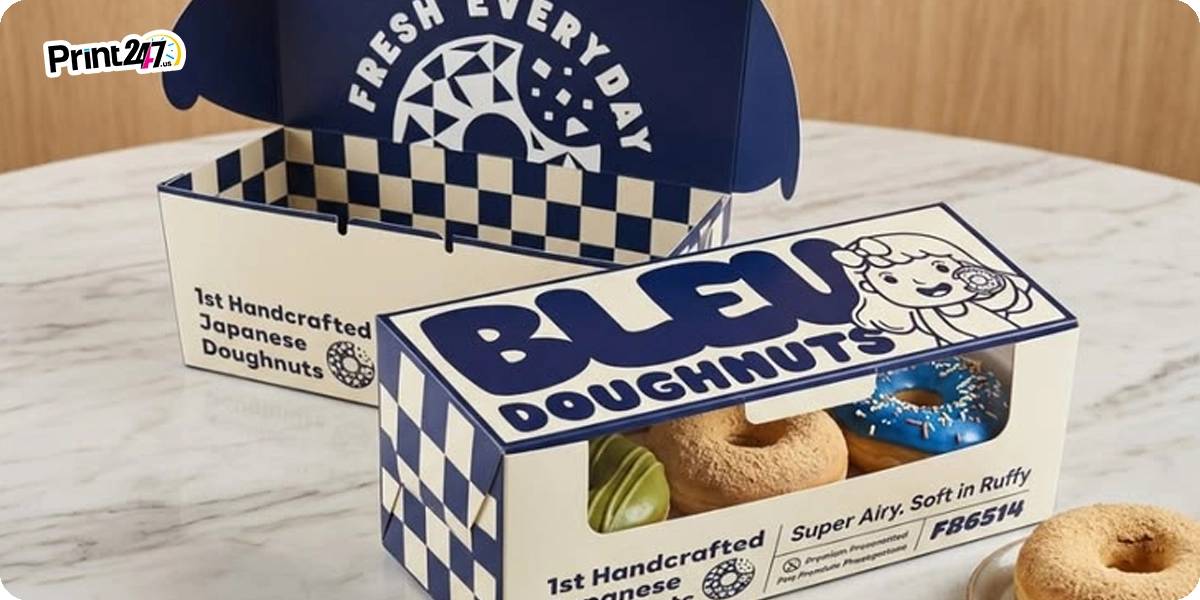
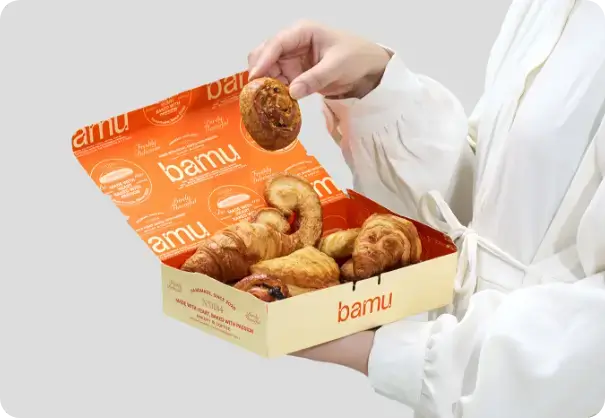
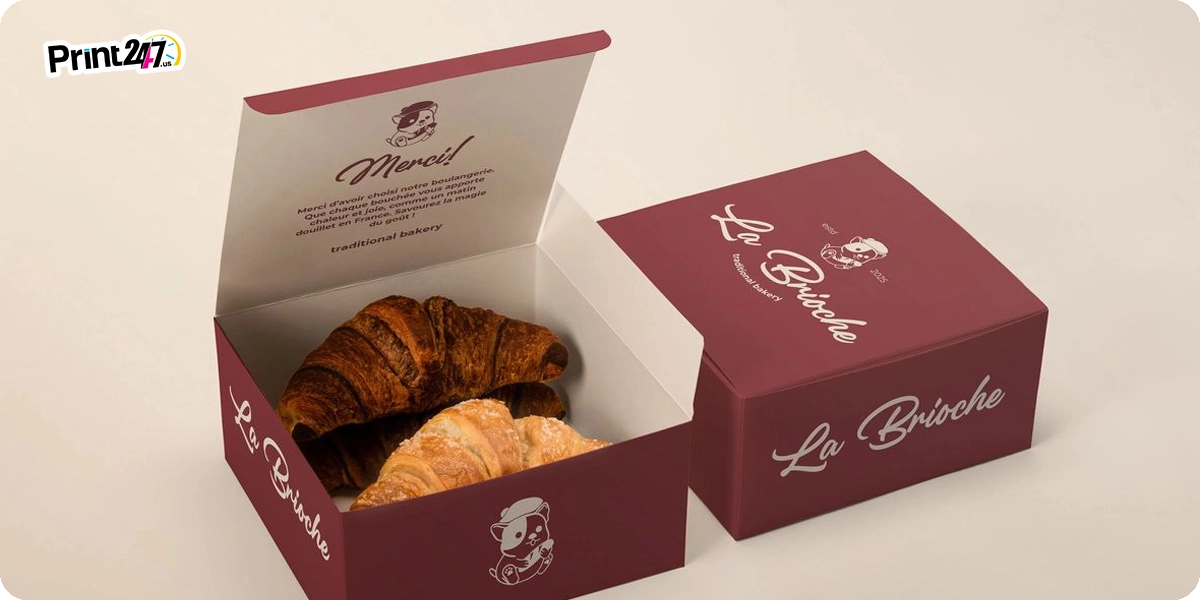
Custom bakery boxes are the most commonly used food packaging. Bakery owners use them to pack pastries, cakes, cookies, donuts, and cupcakes. These boxes also feature die cut windows that allow customers to have a peek at what’s inside, without even opening the box.
These boxes feature grease resistant linings and a stackable structure that makes them easier to store. Bakery owners can also order FDA compliant muffin boxes and custom cupcake boxes.
2. Kraft Snack Boxes
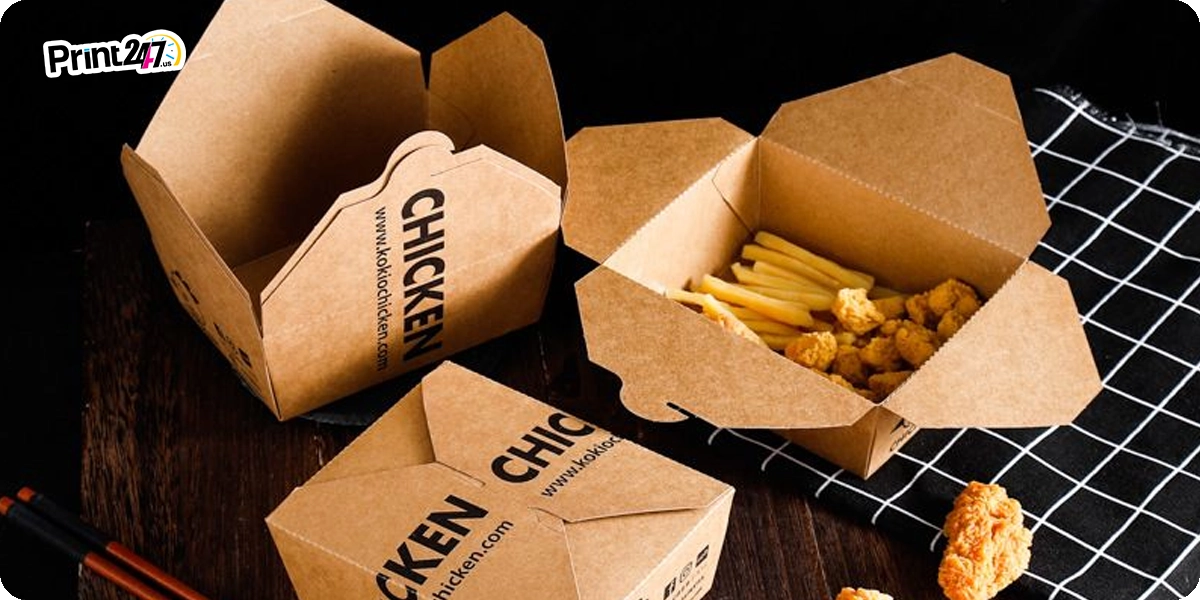
Kraft snack boxes are another popular packaging choice for modern food businesses. These boxes are lightweight, recyclable, and considered ideal for dry snacks such as nuts, popcorn, and organic products. These boxes feature a natural brown appearance that appeals to eco conscious consumers and gives businesses a competitive edge over their competitors.
3. Window Packaging Boxes
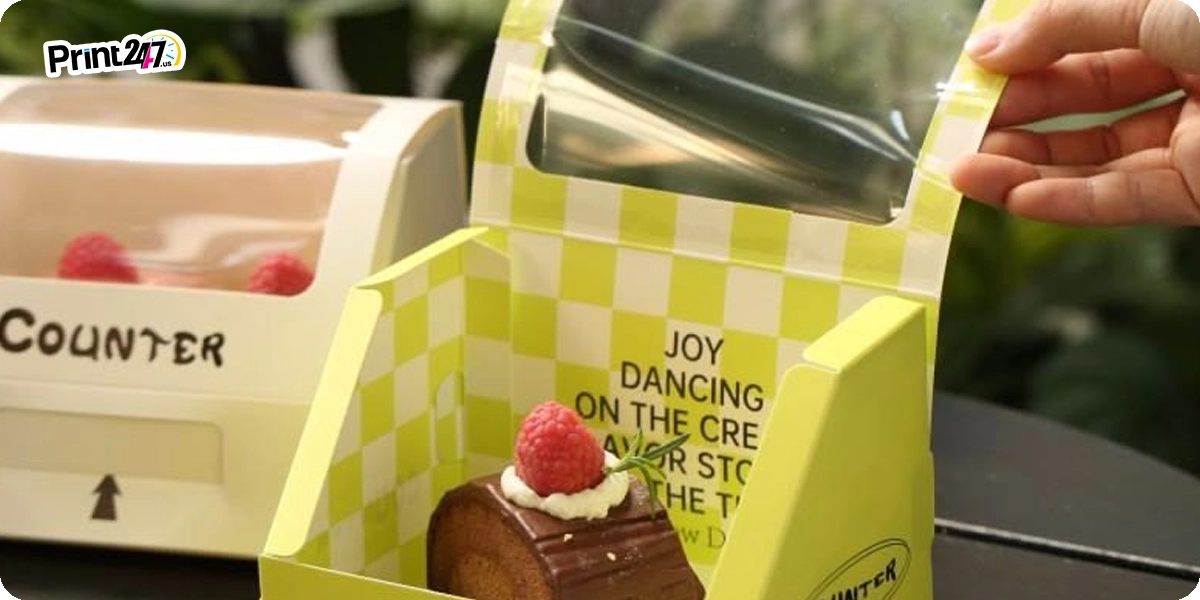
Packaging boxes with windows help food businesses improve sales. They are designed to improve product visibility with the transparent window. PET windows and food safe transparent materials allow customers to see the quality of their food, which instantly builds trust.
How Certified Packaging Protects Both Brand Reputation & Food’s Quality?
Before you settle on choosing a material as your primary food packaging solution, make sure they meet the safety and sustainability standards. Let’s have a look at each certification and see what they guarantee:
FSC (Forest Stewardship Council): This ensures all packaging is responsibly sourced from managed forests.
PFAS Free: This guarantees that the packaging contains no harmful forever chemicals.
BPA Free: This confirms packaging materials meet strict safety standards and are BPA free.
MOAH Free: This guarantees that packaging is free from Mineral Oil Aromatic Hydrocarbons that can affect food’s quality.
Toxin Free Inks: This confirms that packaging uses food safe inks and does not release harmful chemicals or contaminate food products.
Colorants: This ensures any pigments or color additives used are strictly FDA approved or EU compliant. This ensures packaging is safe for direct food contact.
How Custom Food Packaging Boxes With Logo Improve Brand Sales?
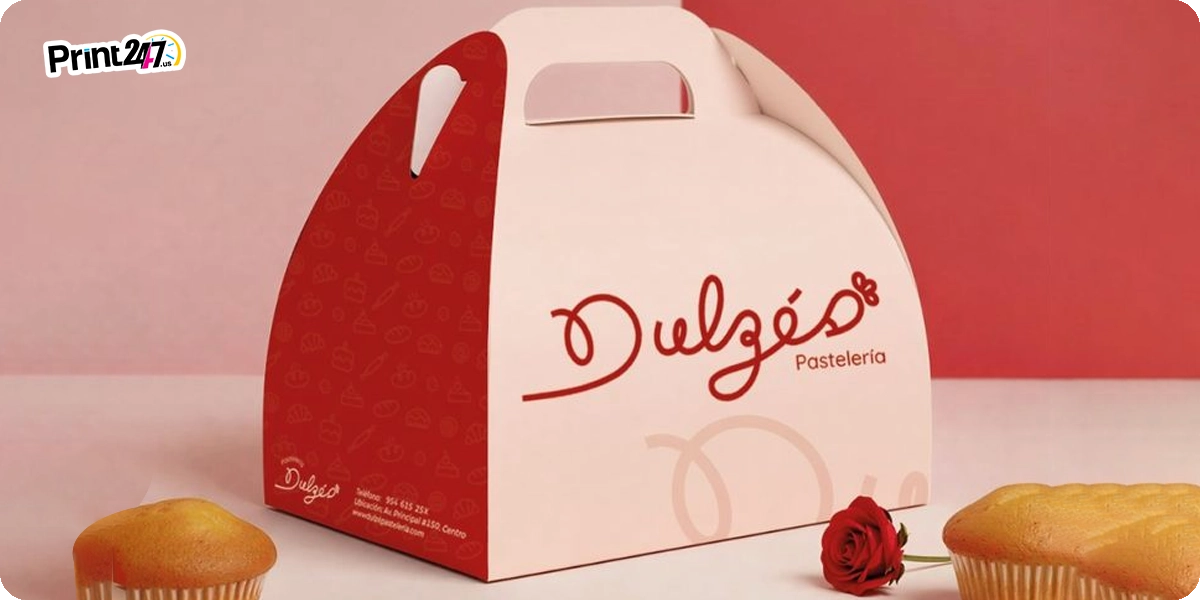
Custom boxes for food packaging help businesses boost sales by turning every delivery into a strong marketing tool for their businesses. Let’s discuss what advantages a food brand gets from customized packaging solutions:
They help improve shelf visibility.
Bespoke food boxes increase the product’s perceived value.
Quality packaging improves customer experience and builds brand recognition among them.
A perfectly designed custom food packaging box helps keep food products safe during delivery.
How to Choose the Right Custom Food Packaging Boxes?
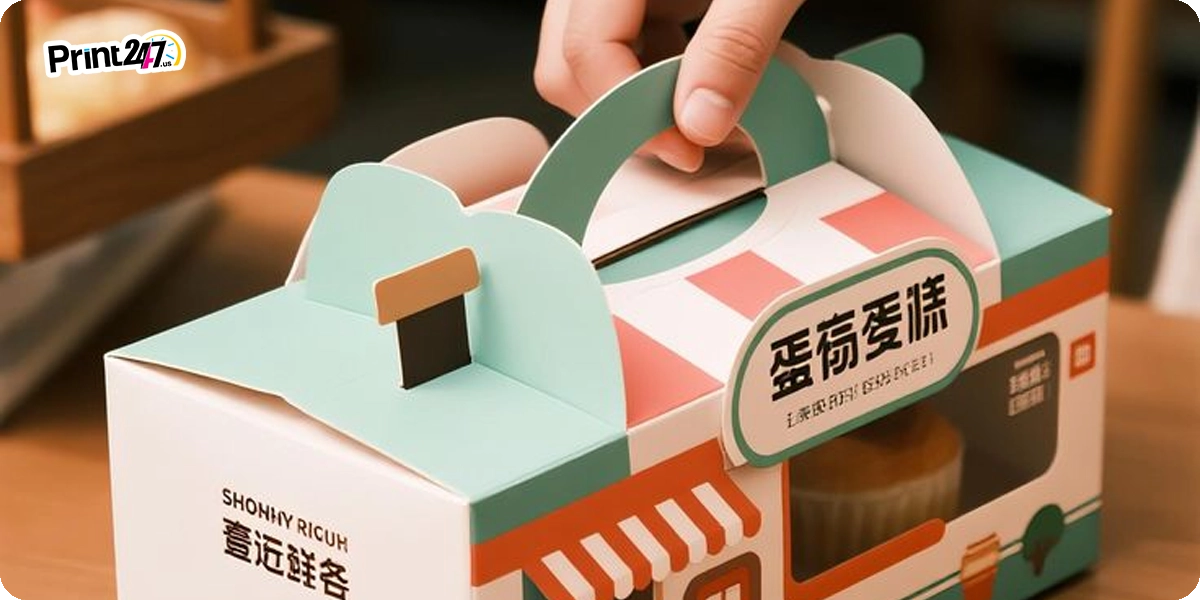
Choosing the right custom boxes for food packaging requires businesses to balance structural integrity, product preservation, and branding. There are some important things to keep in mind before packaging your food items:
Determine the food type. Check if your food is hot, dry, oily, cold, or frozen.
Determine how long you want your food product to stay fresh.
Choose the right material based on your specific food packaging requirements.
Choose custom designs, finishes, and colors that reflect your brand identity and build recognition.
Opt for recyclable and eco friendly packaging materials to support your business sustainability goals.
Final Thoughts
It is important for food businesses like restaurants, cafés, snack brands, and bakeries to choose the right packaging solution. Businesses should not compromise on quality, especially when it comes to food packaging, as it helps both food products and brand image. That is the reason why businesses are investing in boxes that meet FDA safety standards.
Custom food packaging boxes feature grease resistant coatings, food safe inks for printing, and moisture barriers. All of these play a major role in preventing contamination. At the same time, sustainable and FSC certified packaging materials help align with your brand's sustainability goals.
Print247 offers high quality, durable, and FDA compliant custom food box packaging solutions that protect your culinary creations while promoting your business.
Frequently Asked Questions
Which printing inks are safe for food packaging?
Safe printing like low migration (LM) UV/LED-Curable Inks, water based inks, or electron beam inks are used for food packaging to prevent the transfer of toxic ink chemicals through packaging into the food.
Are food packaging boxes recyclable?
Yes. FDA compliant food packaging boxes, like cardboard, paperboard, and Kraft, are easily recyclable and help reduce environmental waste.
Which food safe coatings are used on packaging boxes for food?
The following are the food safe coatings that we apply to packaging boxes to ensure maximum food safety:
PLA (Polylactic Acid)
Polyethylene (PE)
Aqueous Coatings
Wax Coatings
What is the minimum order quantity for food packaging boxes?
The minimum order quantity for an order of food grade packaging boxes is 1000 units. You can also request a custom quote to share your specific packaging requirements.
Get a Quick Quote

More Articles
 Bill ‘Hogg’ Ryan
Types of Custom Boxes: Corrugated, Rigid, Mailer & More Explained
 Bill ‘Hogg’ Ryan
How to Design Custom Boxes: Step‑by‑Step Guide from Brief to Print
 Bill ‘Hogg’ Ryan