


Carefully selected materials that deliver exceptional print quality, durability, and shelf presence.


 New
New


















Types of Custom Boxes: Corrugated, Rigid, Mailer & More Explained
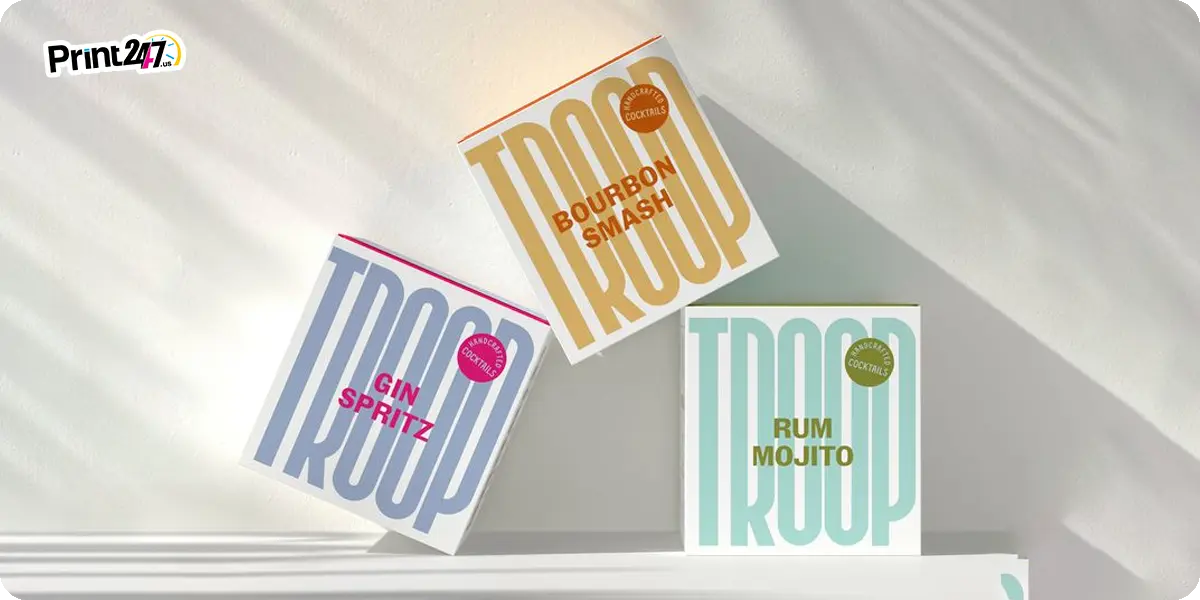
The term “custom box” is as broad as imagination. It could be a slim folding carton for a serum, a thick rigid gift box, or a corrugated mailer box for e-commerce products. For every product packaging, custom boxes perform different roles.
Little variations in the material and structure of the box packaging can lead to improved strength, better print quality, shipping costs, and how well it feels in a customer’s hands.
In this detailed guide, we’ll discuss main and frequently used types of custom boxes including corrugated shippers, mailer boxes, folding cartons, rigid boxes, and a few more. Along with the examples of what each type is best for.
A Quick Look at Main Categories of Custom Boxes
Before we have a look at different types and styles of boxes in detail, check out a quick overview table below.
Box type | Material / build | Strength level | Typical uses | Relative cost |
Corrugated shipping boxes | Corrugated board (liners + fluted middle). | Medium to very high | Bulk shipping, outer cartons, wholesale case packs. | Low–medium |
Corrugated mailer boxes | One‑piece corrugated, self‑locking mailer styles. | Medium | D2C e‑commerce, subscription boxes, PR kits. | Medium |
Folding carton boxes | Thin paperboard, folded and glued (cartons). | Low–medium | Retail product boxes for light items. | Low |
Rigid (set‑up) boxes | Thick chipboard wrapped with printed paper. | High | Luxury gifts, premium electronics, high‑end cosmetics. | High |
Rigid mailers / flat mailers | Stiff card/chipboard envelopes. | Medium (against bending) | Books, prints, documents, slim tech accessories. | Low–medium |
Display & retail‑ready boxes | Corrugated or carton, designed to open into displays. | Medium | Counter displays, shelf‑ready trays for retail. | Medium |
Custom inserts and trays | Card, foam, molded pulp inserts fitted inside boxes. | Adds internal support | Holding products in place inside any box type. | Varies |
Now for the next step, let’s discuss each one of the styles of boxes in more detail.
Corrugated Shipping Boxes
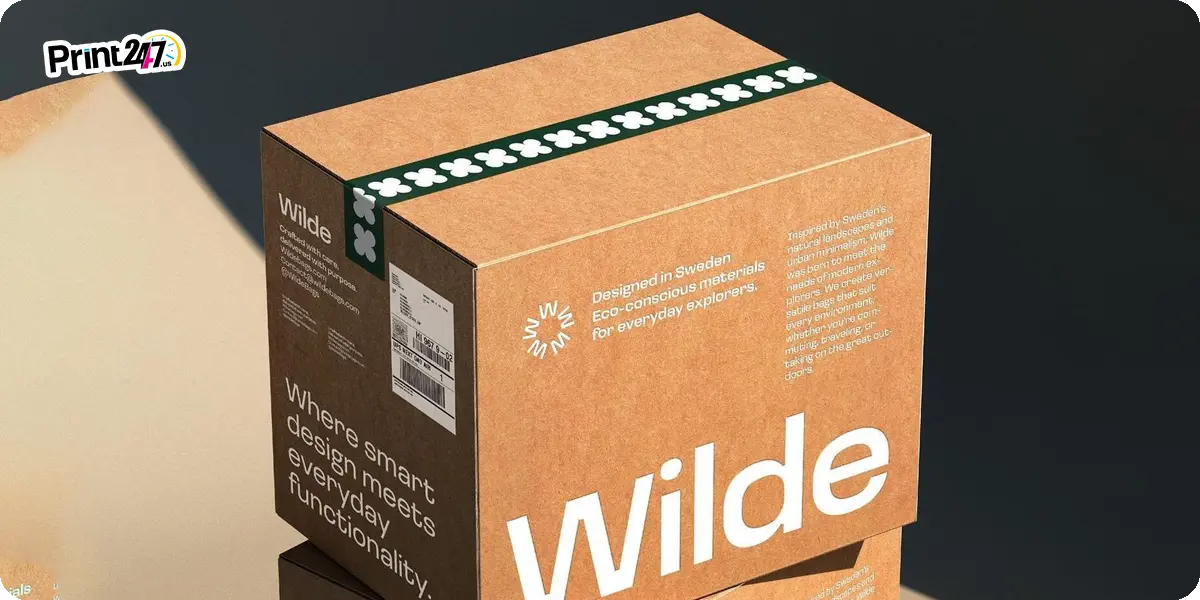
A corrugated cardboard has two flat outer layers (liners) with a wavy middle layer (fluting or corrugation) that is sandwiched between them. This structure makes it strong enough and a good option at absorbing shocks or impacts. This is the classic “brown box” most people imagine when they think of shipping.
Common styles for corrugated shipper boxes include regular slotted cartons (RSC) which consist of top and bottom flaps that meet in the center, and full overlap (FOL) that gives extra strength and durability. You also get to choose between single‑wall, double‑wall, and even triple‑wall corrugated sheets depending on product weight, fragility level, stacking height, as well as shipping distance.
Corrugated shipping boxes are best for:
Heavy or bulky items.
Wholesale case packs and B2B shipments.
Outer cartons protecting inner product boxes or mailers.
They are relatively low cost, strong, and easy to stack, but they are not as polished or “gift‑like” as rigid or premium mailer boxes unless you invest in custom printing and finishes.
Mailer Boxes
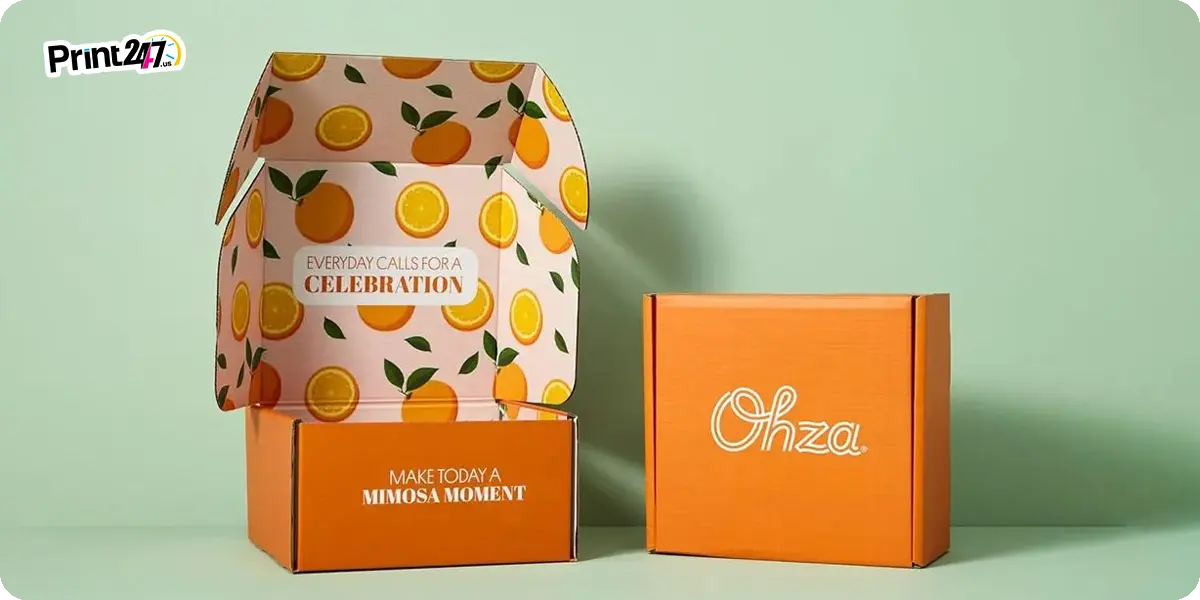
Mailer boxes are made from corrugated board but designed in a one‑piece folding structure that includes self-locking tabs along with tuck‑in lids and flaps.
The popular styles for mailer boxes consist of front tuck boxes, tuck top boxes, and roll-end boxes. The common thing about all these styles is that they don’t require any tape or flues to assemble. Plus, they all open like a presentation box.
They are widely used for:
D2C e‑commerce orders.
Subscription boxes and curated kits.
PR and influencer mailers where unboxing is part of the overall customer experience.
Mailers boxes combine ample shipping strength with lots of printable space inside and outside, which makes them ideal for branded unboxing. They usually cost more per unit than plain shipping cartons but can act as both a shipping container and gift box in one.
Folding Cartons (Paperboard Product Boxes)
.webp?alt=media&token=dc0cc53f-f964-42c0-9533-d5ea352324e7 "paperboard folding cartons")
Folding cartons are made from foldable SBS paperboard that is die-cut precisely, printed with the artwork design, folded to structure easily, and ready to pack the products.
Common styles for folding cartons include straight tuck, reverse tuck, auto lock bottom, snap‑lock bottom, and sleeves or bands that slide over inner containers.
They are best to pack light products such as cosmetics, pharmaceuticals, small food items, and personal care products. Sometimes, they also work best as a secondary packaging to bottle, jar, or tubes. Folding cartons offer vivid print quality and are cost‑effective, but they do not protect heavy or fragile items on their own, so they are often paired with corrugated shippers for transport.
Rigid (Set‑Up) Boxes
%20Boxes.webp?alt=media&token=e4b8defa-3e60-40a9-8a64-19f4a49a8280 "custom rigid boxes")
Rigid boxes use very thick chipboard that is wrapped with printed paper, and they are delivered pre-assembled and glued.
They feel heavy upon lifting, solid upon touch, and premium as compared to folding cartons or standard corrugated boxes.
Common styles of box that can be made from rigid material include two‑piece boxes, book‑style, hinged lid boxes, magnetic closure boxes, and more complex shoulder/neck and drawer boxes with ribbon pulls.
Rigid boxes are ideal for:
Luxury gifts and premium cosmetic sets.
High‑end electronics and gadgets.
Limited editions and high‑margin hero SKUs.
They offer a very premium look and feel, strong protection, and reusability, but they cost more per unit, take more space to store and ship, and are usually used together with outer shippers for long‑distance transport.
Rigid Mailers and Flat Mailers
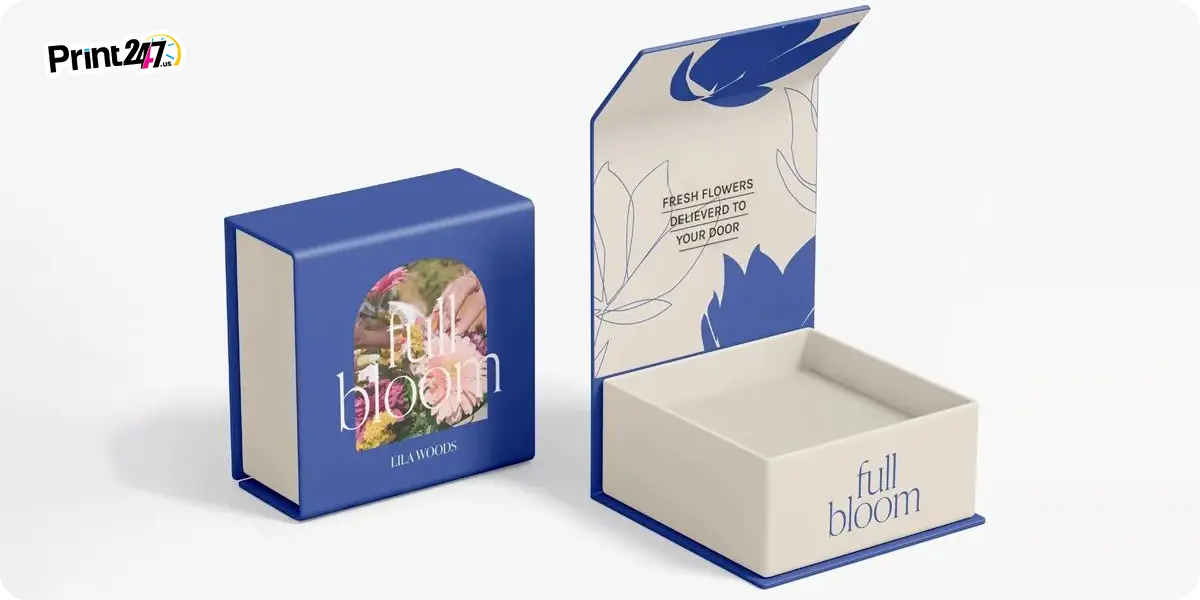
Rigid mailers, sometimes called flat mailers, are stiff envelopes made from chipboard or heavy cards that protect thin items from bending.
They are commonly used for:
Books and magazines.
Art prints, photos, and documents.
Slim electronics or accessories that already have inner protection.
These mailers keep items flat, work well with postal services, and are easy to brand on one or both sides, but they do not offer as much impact protection as a full box.
Display and Retail‑Ready Boxes
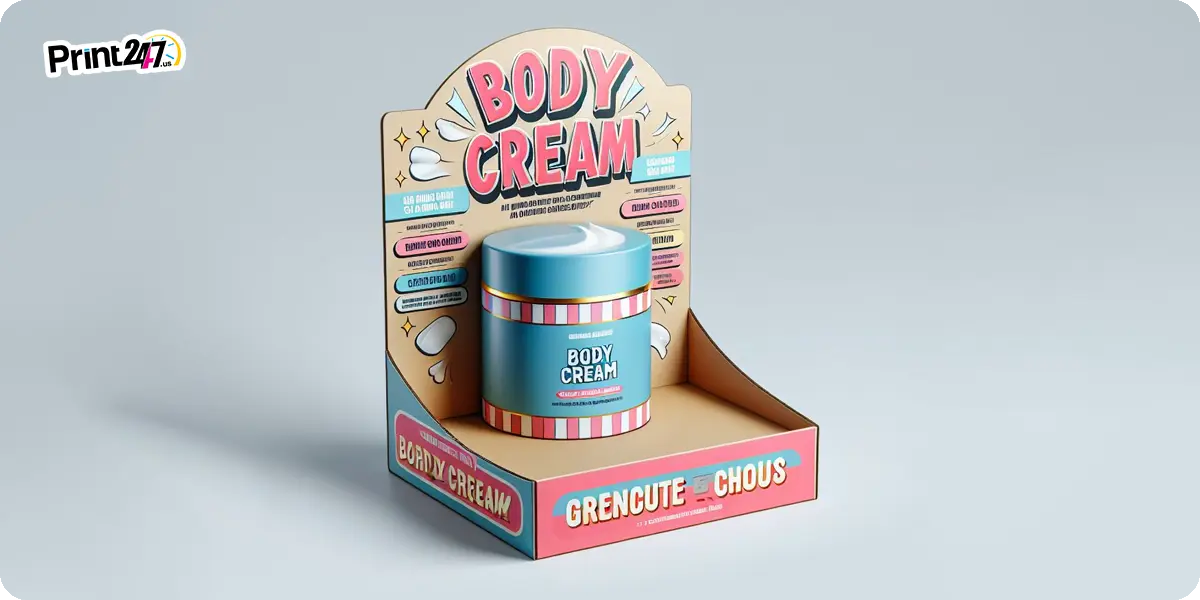
Display boxes and retail‑ready packaging are designed to both ship and present products in retail settings. They are mostly made from corrugated board. They ship closed and then tear along perforations to reveal a tray of product to display on counter tops.
They work well for snack products, small cosmetic items, travel‑size items, and other impulse buys that are placed on counters or POS. These structures save time for store staff and keep multiple units tidy, while still giving you a strong branding surface at the point of sale.
Custom Inserts and Trays (Across All Box Types)
.webp?alt=media&token=6bdf4181-61b7-4339-b3df-757bfbdda375 "box inserts and trays")
Inserts and trays are not boxes on their own, but they are a key part of many custom packaging systems. They can be made from die‑cut cardboard, foam, molded pulp, or other materials and are designed to fit inside corrugated, rigid, or folding carton boxes.
Their purpose is to:
Hold products in place so they don’t rattle or break.
Separate multiple items in a kit.
Present products in an organized, attractive way during unboxing.
Inserts allow you to use the same outer box style for different product bundles while still giving each item its perfect snug fit place.
Which Box Type Fits Which Product?
Here is a simple view of how different industries typically use these box types.
Product category | Folding carton box | Corrugated mailer box | Corrugated shipping box | Rigid box | Mailer envelope / rigid mailer |
Cosmetics & skincare | Primary retail box around bottle/jar. | Branded D2C or subscription kit. | Outer shipper for bulk or online orders. | Premium gift sets or hero SKUs. | Rare – only for flat items like masks. |
Food & beverages | Cereal, teas, snacks, dry goods boxes. | Subscription snack boxes. | Case packs and outer cartons. | Premium confectionery, gift tins in rigid. | Not for liquids; sometimes for bars. |
Fashion & accessories | Tags or small accessory cartons. | Main D2C apparel packaging. | Bulk shipping to stores or warehouses. | High‑end accessory or jewelry boxes. | Paper mailers for soft garments. |
Electronics & gadgets | Shelf carton in retail. | Branded mailer for small devices. | Heavy‑duty shipper for bulk loads. | Premium tech or gift editions. | Flat mailers for small accessories. |
Subscription boxes | Inner product cartons. | Main subscription box. | Outer shippers for large or fragile kits. | Limited‑edition or VIP boxes. | Not typical. |
Luxury gifts / sets | Inner components or small packs. | Branded outer for mid‑tier gifts. | Outer shipper to protect the inner rigid box. | Main gift box for premium products. | Rare; flat gift cards or certificates. |
How to Choose the Right Custom Box Type for Your Brand
To pick the right box type, focus on a few simple questions rather than the full list of options.
1. How heavy and fragile is your product?
If it is light and not fragile, then folding cartons, mailer envelopes, or basic mailers might be enough for you to use.
And if your product is heavy or easily breakable, corrugated shipping boxes, strong mailers, and inserts are safer.
2. Where will you sell and ship?
Retail shelves: Choose folding cartons or display boxes for visibility, plus shippers for transport.
Direct‑to‑consumer: Pick corrugated mailer boxes or rigid mailers, depending on weight and experience goals.
Wholesale/B2B: Go for corrugated shipping boxes to send multiple items in a single pack.
3. What level of unboxing experience do you want?
Basic and functional: Simple shippers or mailer envelopes work just fine.
Branded and pleasant: Printed corrugated mailers or folding cartons are best.
Luxury and “keepable” packaging: Rigid boxes with inserts give a more premium feel.
4. Storage and shipping constraints
Limited storage and need flat‑packed packaging? Folding cartons, corrugated shippers, and mailers are good.
Fine with higher volume for a premium feel? Rigid boxes are the one for you.
5. Budget per unit and product margin
If you are selling everyday or low‑margin products, focus on folding cartons and simple corrugated boxes.
Selling high‑margin products or hero SKUs? Get rigid boxes with added inserts and specialty finishes.
A practical approach is to pick one or two “workhorse” box types for most products and then add a premium option (often rigid) for key lines or special editions.
How Print247 Helps You Mix Box Types the Smart Way

Most brands end up with a packaging system, not just a single box type: product boxes inside mailers, rigid boxes inside shippers, and so on. And at Print247, we can help you design that system instead of switching randomly between box types and trying everything that comes your way.
In our support, we include the following:
Catalog‑level planning – Our experts work hand in hand with you to map each SKU to the right box type based on weight, fragility, and channel.
Structural design and dielines – We help create correct layouts for folding cartons, mailers, rigid boxes, and inserts so everything fits together.
Print and finish guidance – Our designers and packaging experts suggest which finishes suit each material (for example, premium finishes on rigid boxes, cost‑effective branding on shippers).
This kind of planning and assistance from our side can help you invest where it matters, like rigid boxes for hero products and keep the rest of your packaging efficient and scalable.
Conclusion
Choosing the right type of custom box is the first step in building strong and purposeful packaging. After this step, you can move forward in designing the right artwork, select finishes, and add inserts to make your packaging more functional. Corrugated shippers, mailer boxes, folding cartons, rigid boxes, mailer envelopes, and retail displays each have different strengths, costs, and best‑fit products.
When you match box type to your product and brand level, you ultimately avoid damages, control shipping cost, and deliver the kind of unboxing your customers expect when they receive your box packaging. To realize your packaging goals in getting help in choosing the appropriate type of custom boxes, Print247 got you covered. With us, you have freedom to design any type of custom box in any style, size, and shape.
Frequently Asked Questions
When should I upgrade from a folding carton to a rigid box?
You should move to rigid boxes when you want your customer to feel the premiumness and luxury of your items. This feeling not only makes your high‑value products or gift sets justify pricing but retain customers as well.
Is a mailer box the same as a shipping box?
Although both boxes are used for shipping products to customers and a backbone for your ecommerce business, they are totally different in use case. A mailer box is a self‑locking, presentation‑style box often used for D2C unboxing, while a standard shipping box is a taped‑flap carton designed first for strength and stacking
Which box types are best for eco‑friendly packaging?
Boxes made from recycled and recyclable paperboard or corrugated, such as right‑sized folding cartons, corrugated mailers, and paper mailer envelopes, are popular eco‑friendly choices, especially when combined with minimal plastic and simple finishes.
What’s the most cost‑effective box type for new D2C brands?
Many new D2C brands start with printed corrugated mailer boxes or simple folding cartons because these balance protection, branding space, and cost better than rigid boxes.
Can I mix different box types in one packaging system?
Yes. It’s common to use folding cartons for individual products, rigid boxes for premium sets, mailer boxes for D2C orders, and corrugated shippers for bulk or wholesale, all working together as one system.
How can Print247 help me choose box types for my catalog?
At Print247, we can look at your product range, order sizes, and channels, then recommend which SKUs belong in folding cartons, which need corrugated mailers or shippers, and which deserve rigid boxes.
Get a Quick Quote

More Articles
 Bill ‘Hogg’ Ryan
How to Choose Sock Packaging for Peg Display vs Shelf Presentation
 Bill ‘Hogg’ Ryan
What to Include on an Ashwagandha Supplement Label?
 Bill ‘Hogg’ Ryan