








What Are Best Flat Bottom Pouches for Coffee: A Guide for Roasters
As a coffee brand selecting the appropriate size and pouch is something intrinsic for safeguarding your hard work. You sourced the beans, nailed the roast, and built something worth selling. The packaging is what gets it off the shelf and into someone's hands. Get it wrong and none of that work matters as much as it should.
In 2026, a lot of roasters are making the switch to the flat bottom pouch. It's not just a trend. There are real reasons why this format is taking over premium coffee shelves and real situations where it still doesn't make sense. This guide gives you both sides without the sales pitch.
What Is a Flat Bottom Pouch, Actually?
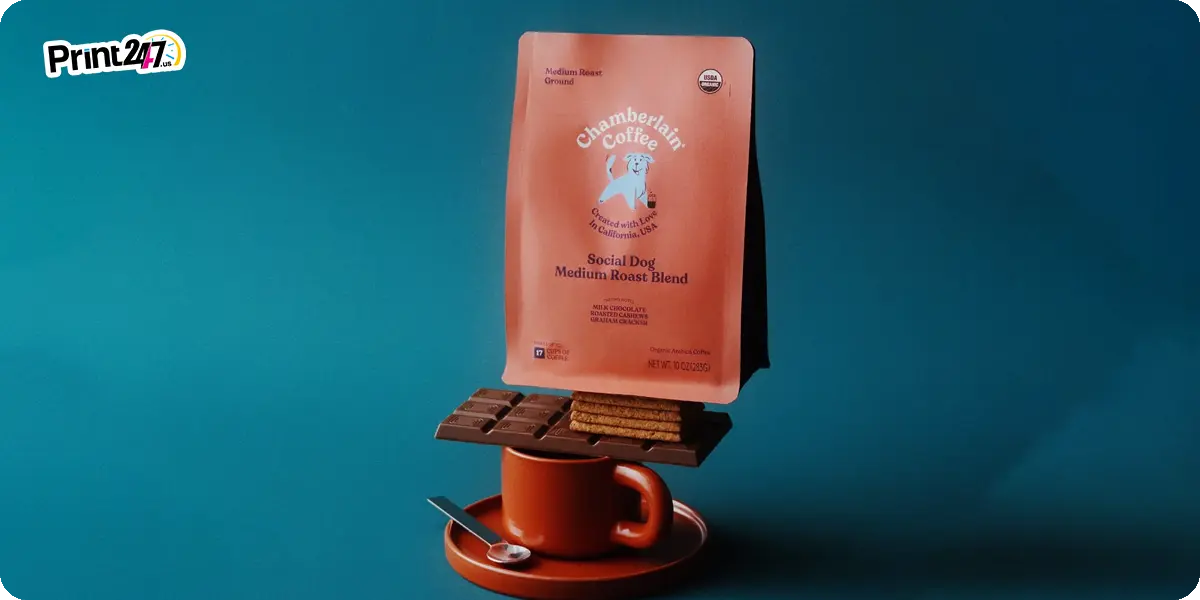
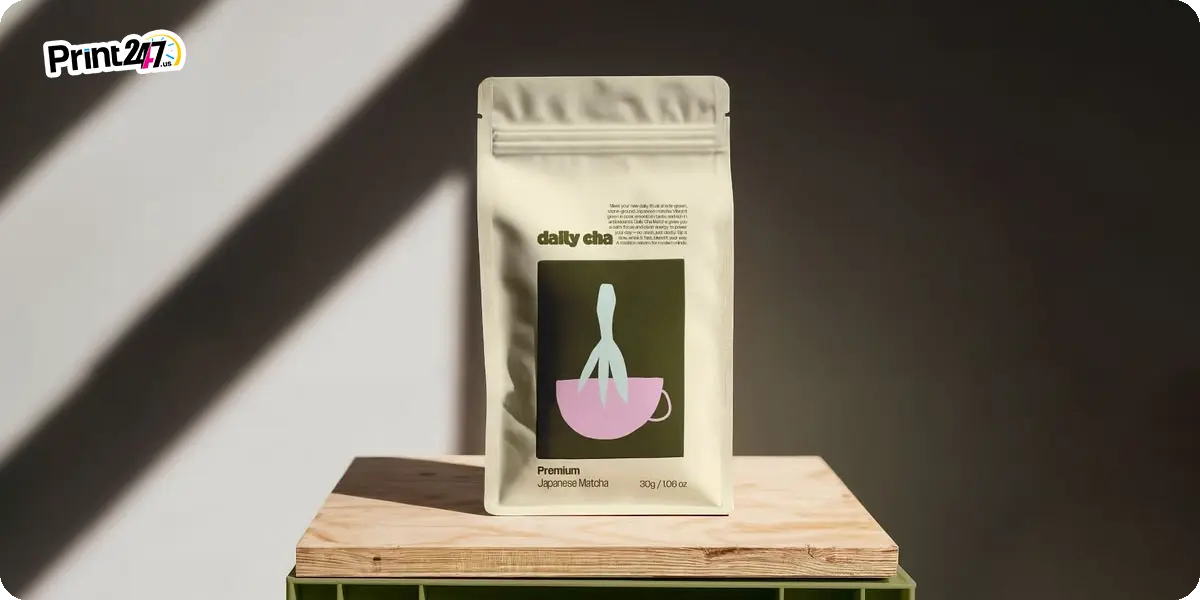
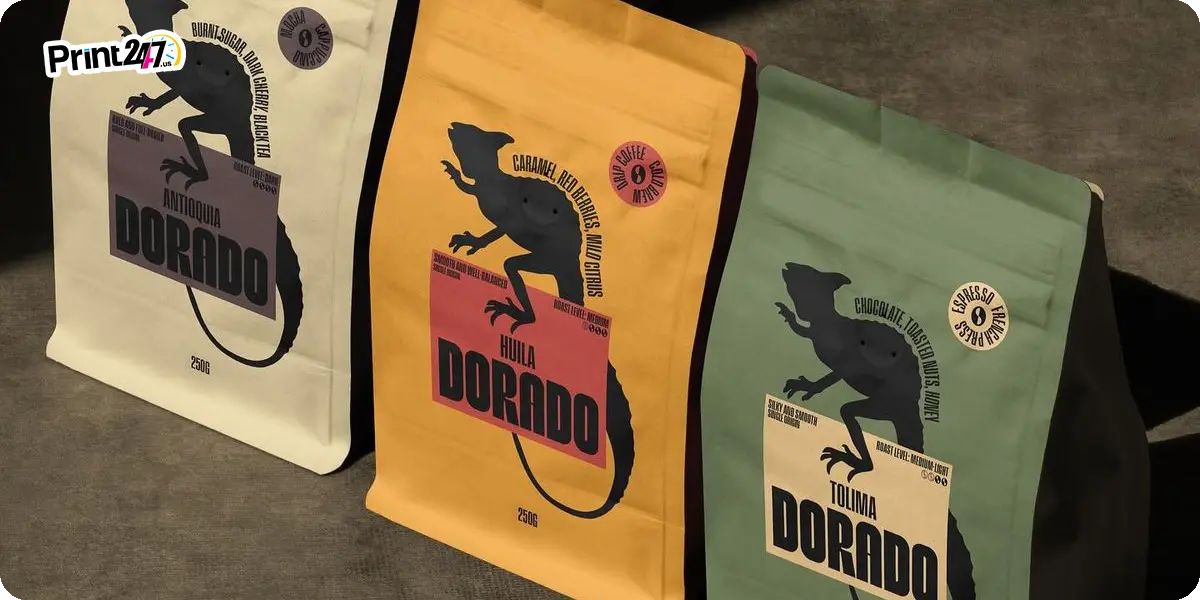
A flat bottom pouch is exactly what it sounds like. The base is wide and structured, so the bag stands on its own like a small box. This bag won't lean or slouch. It has stability when even left a half empty it stays upright and holds its shape on the shelf.
You might have probably seen flat-bottom bags in grocery stores or the roaster coffee shops, even if you didn't know the technical name for them. It’s that neat, squared-off look that makes a premium coffee brand feel like they actually put thought into the presentation. Usually a flat bottom bag.
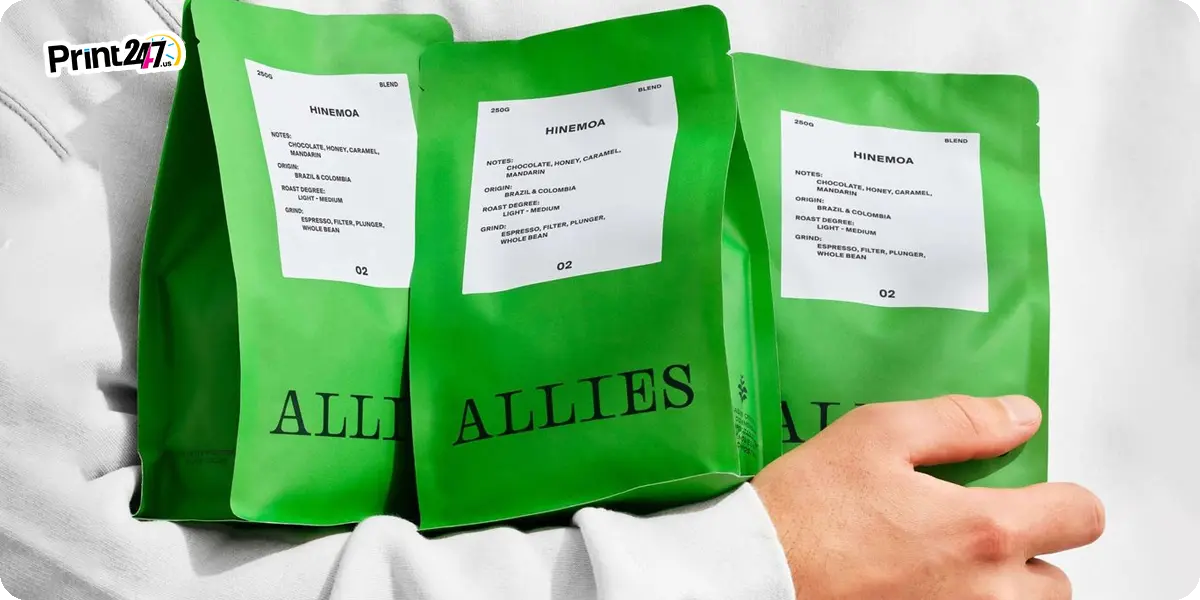
The most common version roasters order is the flat bottom pouch with zipper. The flat bottom bag with zipper style lets customers reseal after every use, which keeps coffee fresher longer and cuts down on the "it went stale fast" feedback. It's become basically the default for retail coffee in this format.
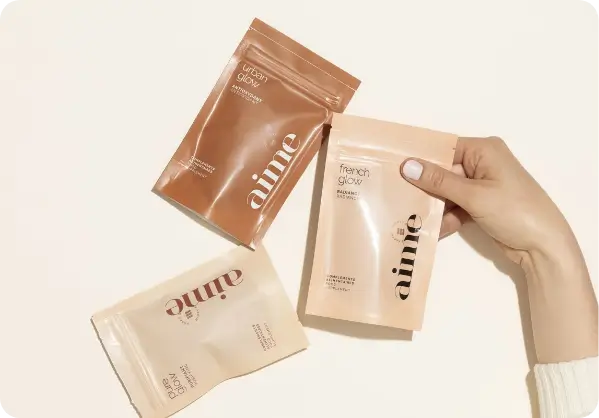
There's also the flat bottom cellophane bag version with a more transparent, cleaner look which works well when you want the beans to be visible. Some brands use kraft stand up pouches with windows for a similar effect but with more of a natural, earthy aesthetic.
How Does It Compare to Stand Up Pouches?
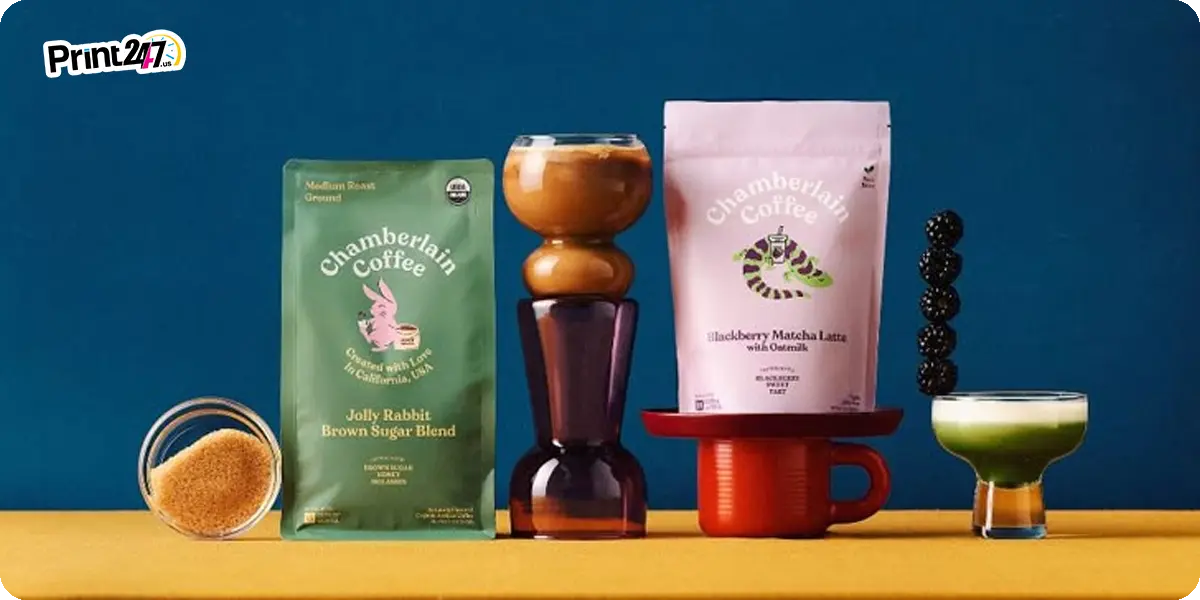
This is where most buyers start. The flat bottom pouch vs stand up pouch question comes up in almost every conversation with a roaster who's thinking about changing formats.
Stand up pouches also called pouch stand up, standing pouch packaging, or just stand up pouch styles have been the go-to for coffee for years.
They're flexible, widely available, compatible with most stand up pouch machines, and cheaper per unit than flat bottom styles. There's nothing wrong with them for the right product and the right channel.
The difference shows up in a few specific situations. When a stand up pouch is full, it stands fine. As it empties, it starts to lean or flatten. That's fine at home, but on a retail shelf, a leaning bag looks like an afterthought next to a flat bottom pouch that's still standing straight.
The other big difference is print space. Stand up pouch coffee bags typically give you three main panels to work with. A flat bottom pouch gives you five front, back, two sides, and the base. For brands that want to include tasting notes, origin stories, brewing guides, and certifications, that extra space matters a lot.
Table 1: Flat Bottom vs Stand Up Direct Comparison
Feature | Flat Bottom Pouch | Stand Up Pouch |
Base design | Structured, wide, box-like | Gusseted bottom, expands when filled |
Stability when half-empty | Stays upright | Tends to lean or slump |
Printable panels | 5 panels | 3 panels |
Volume for same outer size | Higher | Slightly lower |
Shelf appearance | Clean, structured, premium | Softer, more casual |
Shipping and stacking | Stacks more uniformly | Can shift in transit |
Unit cost | Moderately higher | Lower |
The Different Flat Pouch Formats Worth Knowing
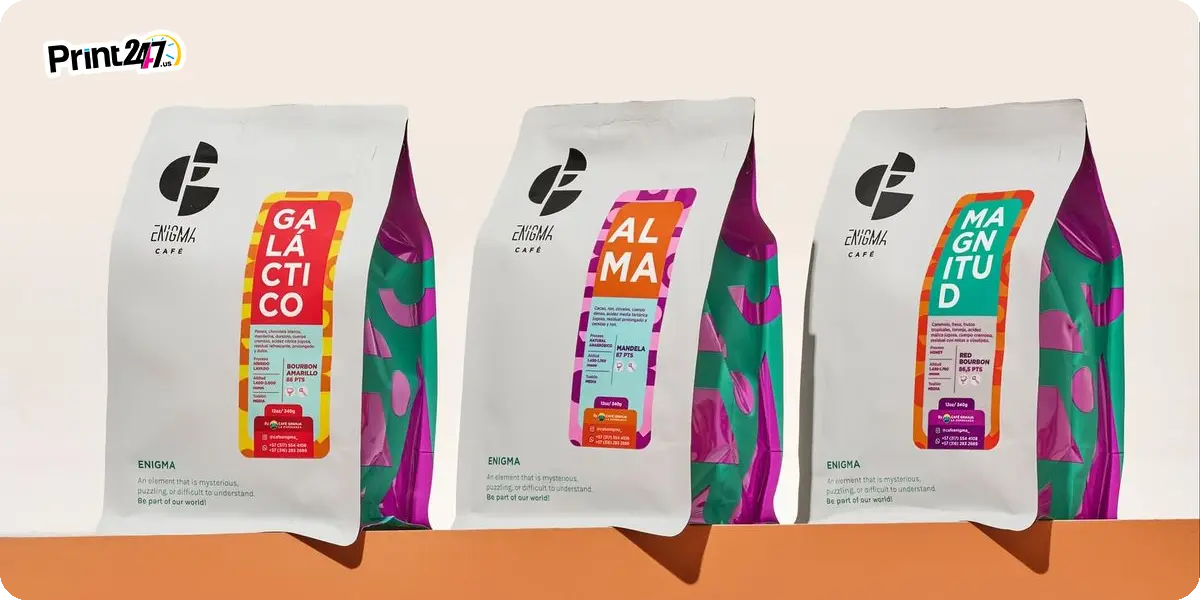
Not all flat bottom pouches are the same build. The flat bottom bag market has expanded a lot, and there are a few different types of pouches to understand before placing an order.
Flat bottom pouch with zipper
The standard for a retail coffee brand. Resealable, functional, and expected by most customers who buy specialty beans. This is what most roasters default to and for good reason.
Kraft stand up pouches with windows
Technically a hybrid style. Brown kraft exterior, small transparent window so customers can see the product inside. Popular with natural and organic brands. Gives an earthy, honest feel on the shelf.
Table 2: Which Format Fits Your Situation?
Situation | Recommended Format | Main Reason |
Retail shelf placement | Flat Bottom Pouch | Holds shape, looks intentional |
Subscription box or DTC online | Flat Bottom Pouch | Photos well, ships cleanly |
Cafés and foodservice wholesale | Flat Bottom Pouch | Larger sizes sit stable on counters |
Small test runs or new SKUs | Stand Up Pouch | Lower upfront cost, faster to produce |
Entry-level or value-priced blends | Stand Up Pouch | Keeps unit economics in check |
Seasonal or limited releases | Either | Depends on channel and price point |
1kg bags or larger | Flat Bottom Pouch | Base handles heavier fills without sagging |
Lay flat pouches / lay-flat pouches
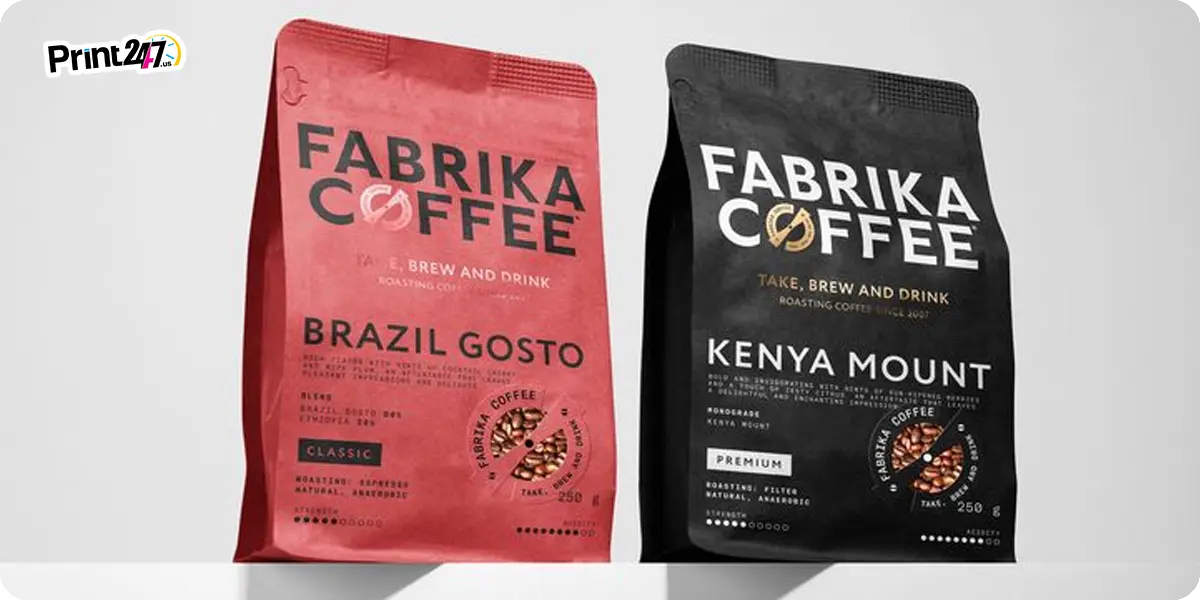
These are worth separating from the standing styles. A lay flat pouch bag doesn't stand up at all. These bags are sealed on several sides and are designed to lie flat. You have definitely seen them used for single-serve packets, samples, or the inner packs that sit inside a larger retail box.
The flat pouch bags has been under both standing and non-standing styles. So, you should be specific when you are placing an order. A basic flat pouch is just a simple bag with two sealed sides and zero structure. It is cheap and works perfectly for samples or small specialty items, but it is not the right choice if you need the product to stand out on a shelf. If you are trying to keep costs down across your whole line, a smart move is to use flat-bottom bags for your flagship products and switch to a simpler flat or stand-up pouch for everything else. It is a solid way to balance your budget without making the brand look cheap.
What Actually Keeps Coffee Fresh?
The bag style matters, but the features inside are what actually protect the product. Here is what you really need to look for: The one-way degassing valve is a must. CO2 can be released from the freshly roasted coffee to even carry up to for days after it has been roasted.
Without the gassing valve gas could just build up inside the bag until it either bloats out like a balloon or, in the worst cases, blows the seal wide open. This valve lets the gas escape without letting any air back in. If you are selling roasted coffee, this is not optional. It is a necessity.
Resealable zipper Coffee is used a scoop at a time. Customers need to reseal after every pour. A solid zipper keeps each batch as fresh as it was when first opened.
High-barrier laminate The material layers in the bag wall do the heavy lifting against oxygen and moisture. Look for aluminum foil or EVOH layers in the spec sheet. These are what separate a bag that keeps coffee tasting good for six months from one that starts to fade in six weeks.
Matte or soft-touch finish A matte finish reads as premium without needing to say it. It also reduces glare in product photos and holds up better to fingerprints on the shelf.
Viewing window Optional but useful for single-origin coffees where the bean quality is a visual selling point.
For brands building sustainability into their positioning, mono-material flat bottom pouches and kraft paper laminates with solid barrier performance are both real options now. The material science has caught up with the demand.
Sizes That Actually Sell
Getting the size right affects everything cost per unit, customer satisfaction, and how the bag looks on the shelf. Here's what typically works:
50g to 250g Sample packs, gift sets, introductory SKUs. Good for online discovery and subscription boxes that offer a first taste before committing to a full bag.
250g to 500g The core retail range. This is where most direct-to-consumer and specialty store volume lives. It's what customers expect to see on a coffee shelf.
1kg and above Cafés, offices, wholesale accounts, and heavy home users. The flat bottom base earns its keep here because heavier fills put real stress on the bag. A structured base keeps it standing neatly on a counter even after half the bag is gone.
Practical Things to Sort Out Before Switching
If you're currently running zip lock stand up bags or any other stand up pouch style and thinking about moving to flat bottom, a few things come up regularly.
Filling equipment
A stand up pouch machine set up for your current bags might need minor adjustments to run flat bottom styles. Ask your supplier before you commit to volume. Running a test batch on your actual line before a full order saves a lot of headache.
Shipping costs and carton packing
Flat bottom packaging bags stack more uniformly inside shipping cartons than stand up pouches. Most brands see slightly better shipping efficiency after switching, which helps offset some of the higher per-unit cost.
Photography
The five-panel flat bottom structure photographs much better than a slouched stand up pouch. For brands selling online, this alone is often enough justification. A bag that looks good in a photo sells without needing to touch it first.
Running both formats
Many roasters end up running flat bottom for their premium single-origin coffees and stand up pouch coffee bags for blends or everyday lines. It's a clean way to tier the brand visually without a major design overhaul. Customers read the difference even if they can't name it.
How to Make the Decision?
Most buying decisions come down to four things. Where does the product sell? Retail and online channels almost always benefit from the structure and appearance of a flat bottom pouch. Wholesale and foodservice accounts care less about shelf aesthetics and more about price and function.
What's the price point? Premium pricing gets supported by premium packaging. If the bag looks like it costs less than what's inside, the product has an uphill fight. If margins are tight and the customer base is price-driven, stand up pouch styles do the job without the added cost.
How much copy does the brand need? Five panels give you room to tell a full story. Three panels force you to choose. If tasting notes, origin information, certifications, and brewing guides all need to appear on the bag, flat bottom gives them space to breathe.
What does the customer expect? Specialty coffee buyers in 2026 have seen a lot of premium packaging. Their expectations have moved. A well-structured flat bottom pouch with a clean matte finish and clear labeling now reads as standard for serious brands. A basic stand up bag in the same category can feel like it's behind the curve.
Final Thoughts
At Print247, flat bottom pouches and stand up pouch styles are both part of what we supply to roasters across the US. The ultimate goal is to choose the relevance for your product. You need to count on the construction, barrier specs, valve placement, zipper type, and finish based on what the product actually needs to stay fresh, not just what looks good in a sales brochure.
If you think of making a switch or weighing options for a new product, let us know the fill weight and where you plan to sell it. It also helps to mention any current issues you are running into so we can find a better solution. The right packaging decision is a lot easier when someone who works with this stuff every week helps you think it through.
Get a Quick Quote

More Articles
 Bill ‘Hogg’ Ryan
Custom Tableware Boxes: Materials, Styles & How to Order Wholesale in the USA
 Bill ‘Hogg’ Ryan
Custom Boxes for Cosmetics & Beauty Products: Packaging That Sells
 Bill ‘Hogg’ Ryan