

Carefully selected materials that deliver exceptional print quality, durability, and shelf presence.


 New
New





Are Mylar Bags Toxic? What the Science Actually Says
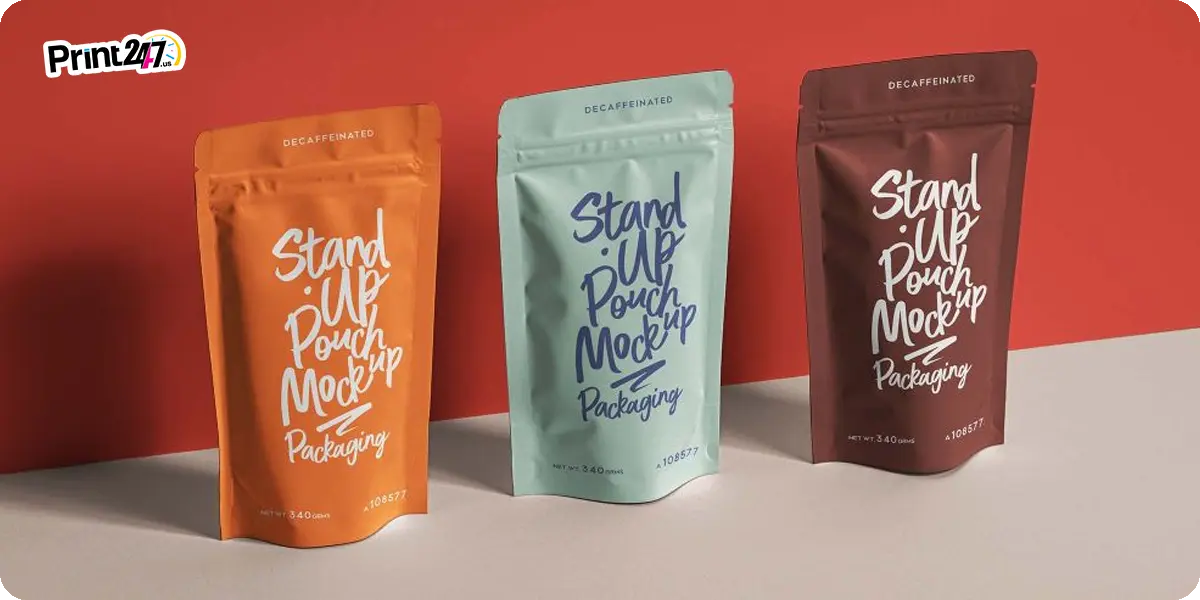
No. Most Mylar bags are not toxic when they are made from food grade materials and produced by trusted manufacturers. Mylar is a PET polyester film that is widely used in FDA compliant packaging for coffee, snacks, and long term foods. As long as bags are food safe, BPA free, and used correctly, they are safe for dry food storage.
Whether you sell food, coffee, supplements, or herbal products, you've probably heard this question: “Are Mylar Bags Toxic?”
Nowadays, buyers are curious about everything. They really care about ingredients, shelf life, and packaging safety. They pay attention to labels and search online. One bad Reel or blog post can scare them away from packaging terms they do not fully understand. That includes Mylar.
In this blog, we are going to inform and educate you about what Mylar really is, how mylar food storage safety works, and where the real risks come from. We will address myths, look at science-based facts, and provide simple guidelines for long-term food storage that you can share with your customers or QA team.
Key Takeaways:
Mylar is a PET polyester film, not a mystery plastic
Food safe Mylar bags used correctly are not toxic for dry foods
Risk comes from poor quality film, inks, or heat misuse
Always ask for FDA compliant packaging and test certificates
Oxygen absorbers need correct use and clear instructions
Good storage training for staff prevents most issues
Why Do Modern Buyers Ask “Are Mylar Bags Toxic?”
Modern buyers ask this because they see scary posts online and they cannot tell safe plastics from unsafe ones. Furthermore, they see "foil-looking" plastic bags and worry about chemicals, BPA, and metals on their food.
For brands, this fear can show up as extra questions to support teams, lower trust for new product lines, or even bad reviews based only on packaging. There are many products whose packaging contains Mylar films, including coffee bags, baby food pouches, and snack packs. A lack of explanation causes people to assume that the material is dangerous since it feels secret.
This is why stating things clearly on your website, product pages, and packaging specs matters. If you can explain that you use food grade mylar bags, third party testing, and eco-friendly materials where possible, buyers feel safe and stay with your brand.
What Is The Science Behind Mylar Bag Safety?
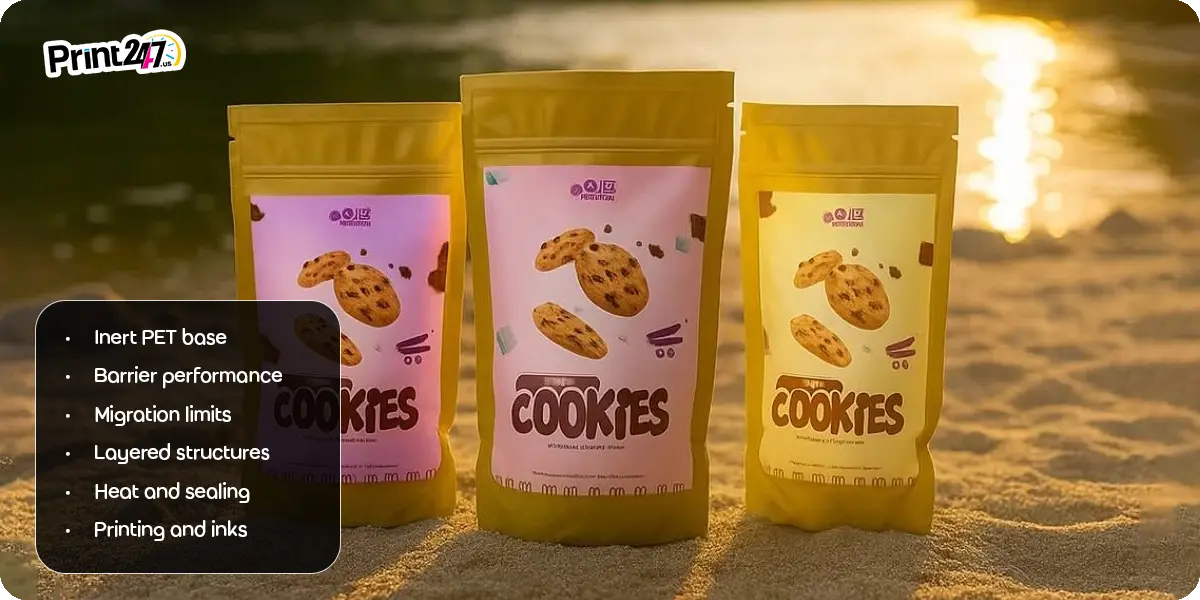
Mylar is a brand name for a stretched PET polyester film. It is often coated with aluminum and other layers that prevent light, oxygen, and moisture from reaching dry food while being stored.
Here are key science based facts:
Inert PET base
Mylar uses PET polyester. It is the same family that is used in many water bottles and food trays. When made as food grade mylar bags, it is designed to be stable at normal storage temperatures.
Barrier performance
Mylar has very low oxygen and moisture transmission. This is why it is chosen for coffee, freeze dried foods, and emergency packs. A strong barrier means less oxidation, less waste, and longer shelf life.
Migration limits
Food contact rules set strict limits for how much material can transfer from packaging into food. Certified FDA compliant packaging and EU compliant films are tested for this.
Layered structures
Many bags combine Mylar, aluminum, and sealant films. The food touches the inner sealant layer, not raw aluminum. That layer is also tested for mylar food storage safety.
Heat and sealing
When we seal the bags at an excessive temperature, some problems usually come from there. It burns film and inks. Good process control and correct seal bar settings prevent this.
Printing and inks
Safe brands use low migration inks and coatings on the outside layers, far from the food contact side. Ink systems and curing are key parts of safety for custom printed mylar bags.
Common Mylar Thickness And Use Cases
Mylar Bag Thickness | Typical Use Case | Notes on Performance |
2.5 mil | Short term snacks, samples, small items | Light barrier, good for quick turnover products |
3.5 mil | Coffee, powders, retail foods | Better puncture resistance and odor barrier |
5 mil | Long term food storage packaging | Strong protection for bulk grains and freeze dried |
When you source from a serious packaging partner, Mylar bag safety is not a guess. You can request test reports, migration data, and full specs to support your internal QA checks and retailer requirements.
What Are Some Common Myths & Facts About Mylar Bags?
The use of mylar packaging for long-term storage of food has become the gold standard. They are becoming increasingly popular, but there are some misconceptions about them. Many worries about Mylar come from mixed up facts about plastics.
Let us clear some of the most common myths with facts that your buyers may ask about.
Myth 1: All Mylar bags are toxic plastic
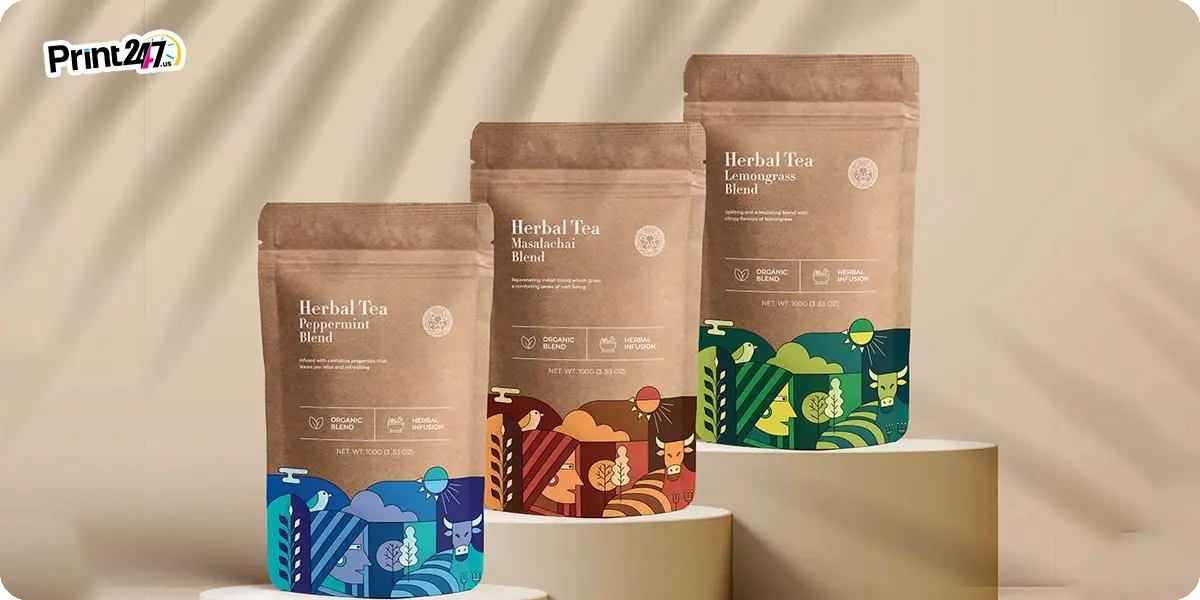
Fact: Mylar itself is a PET polyester film. A good supplier of food grade mylar bags tests them for food contact and makes sure they meet strict migration limits. This is not due to the material itself being the problem. The problem is non food grade film or fake “bargain” bags with no testing.
Myth 2: Mylar bags leak aluminum into food
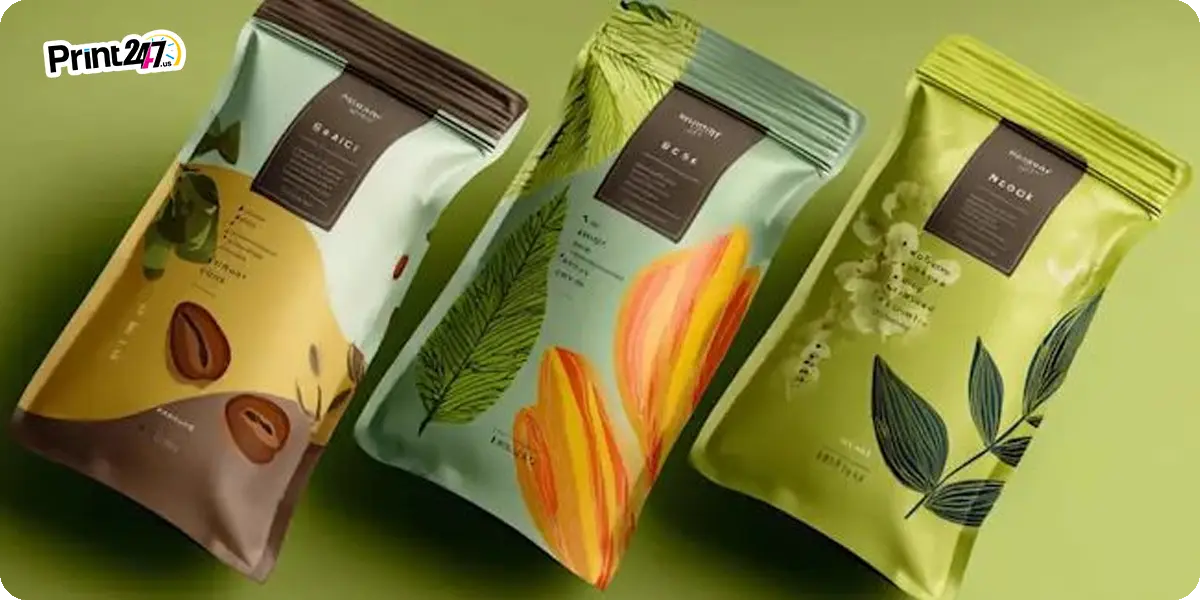
Fact: Aluminum is usually only used in the middle layer of mylar food storage safety structures. There is a sealant film between the food and the aluminum, not bare aluminum. Structures that are designed for food and made properly ensure that the food remains in contact with a safe, tested surface.
Myth 3: Oxygen absorbers make Mylar bags unsafe
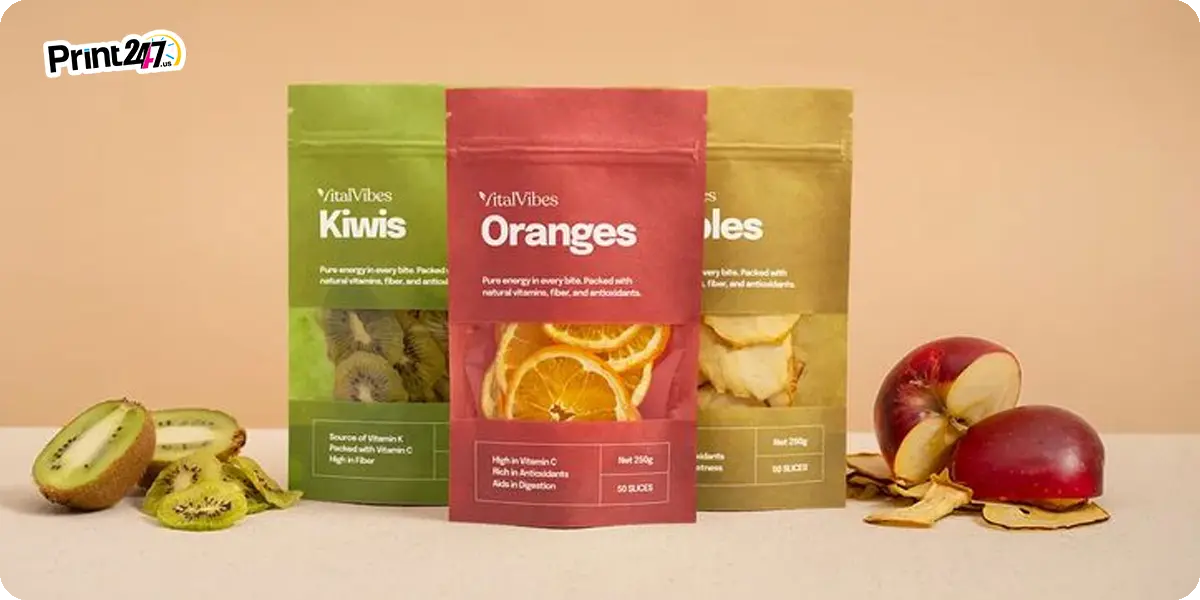
Fact: Oxygen absorbers are iron based packets that are kept inside the bag. They are never opened or eaten. They are safe when used as instructed and when labels clearly say “Do not eat.” When your brand includes clear instructions, these packets actually improve mylar food storage safety.
Myth 4: Mylar bags melt and release fumes in normal storage
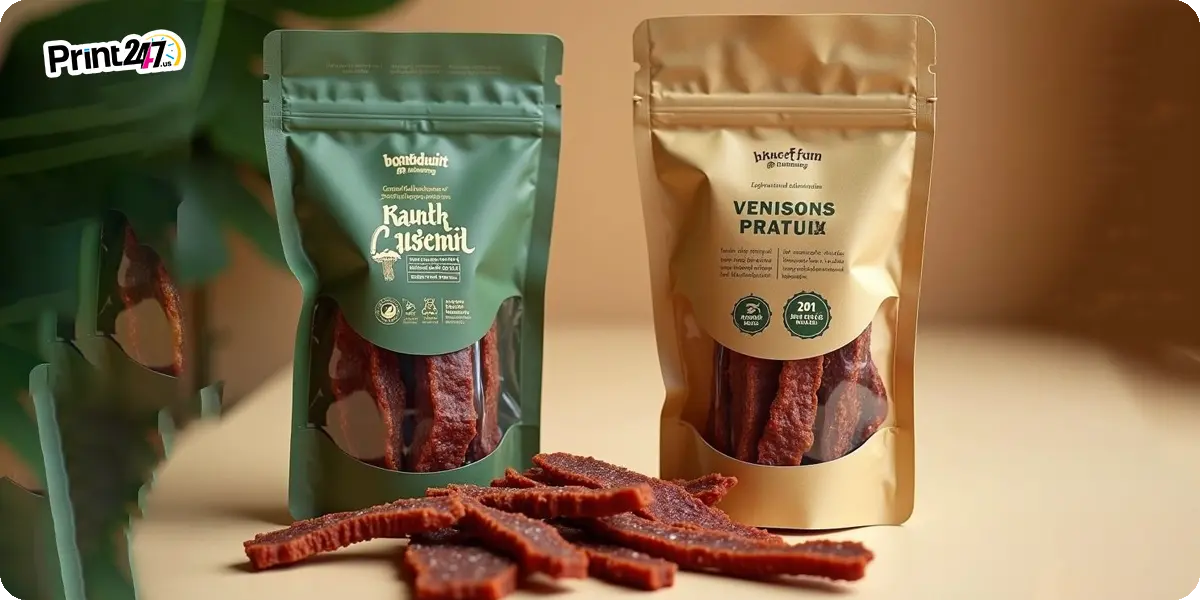
Fact: Mylar films can handle typical storage temperatures without breaking down. The only time they begin to break is at high temperatures, well above room temperature. A correct Mylar film remains stable and non-reactive over the course of normal warehouse or pantry storage.
Myth 5: Mylar is the same as PVC or cheap unknown plastic
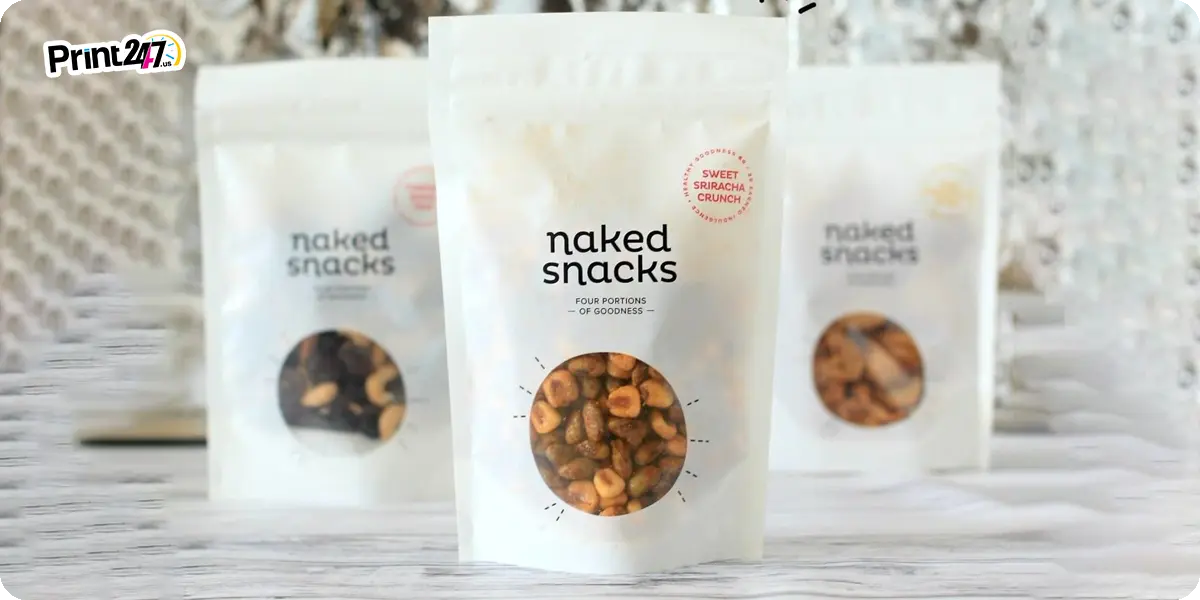
Fact: Mylar is not the same as PVC, which has its own concerns. Mylar is PET based and widely accepted in food safe packaging lines. By clearly labeling your materials and sharing specifications, you make this difference more apparent to buyers.
Myth 6: Mylar bags are always bad for the environment
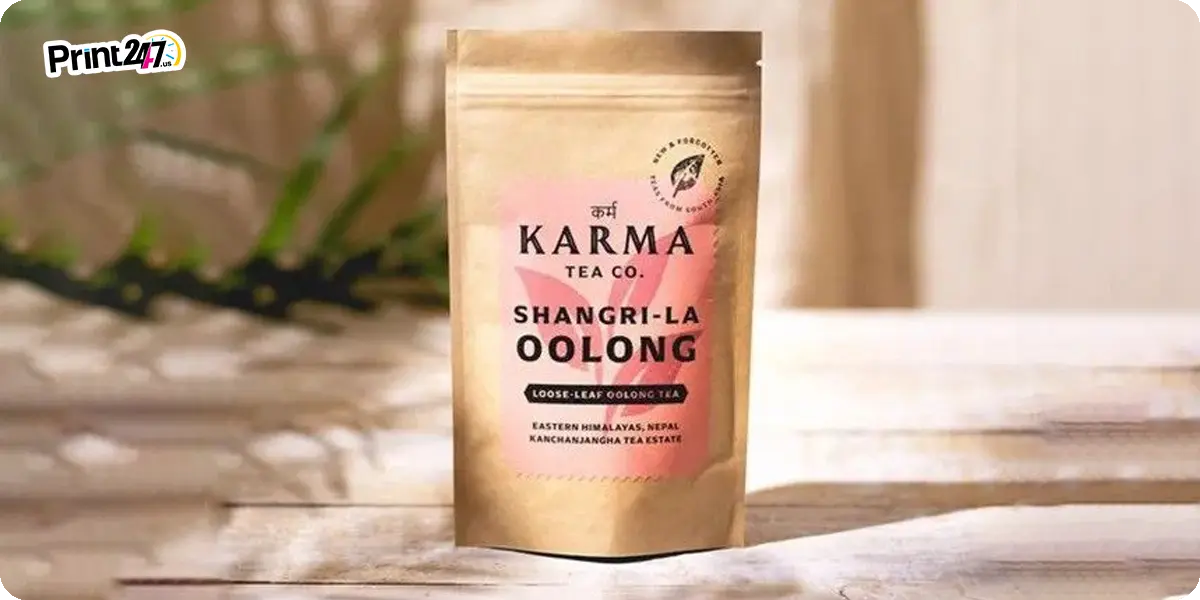
Fact: Although mylar is not the greenest material on its own, eco-friendly materials and thinner, more protective structures reduce waste and food loss. For example, some brands reduce total impact by combining Mylar bag safety with recycling program, refill pouches, and lighter shipping weights.
Are Mylar Bags Safe For Food Storage?
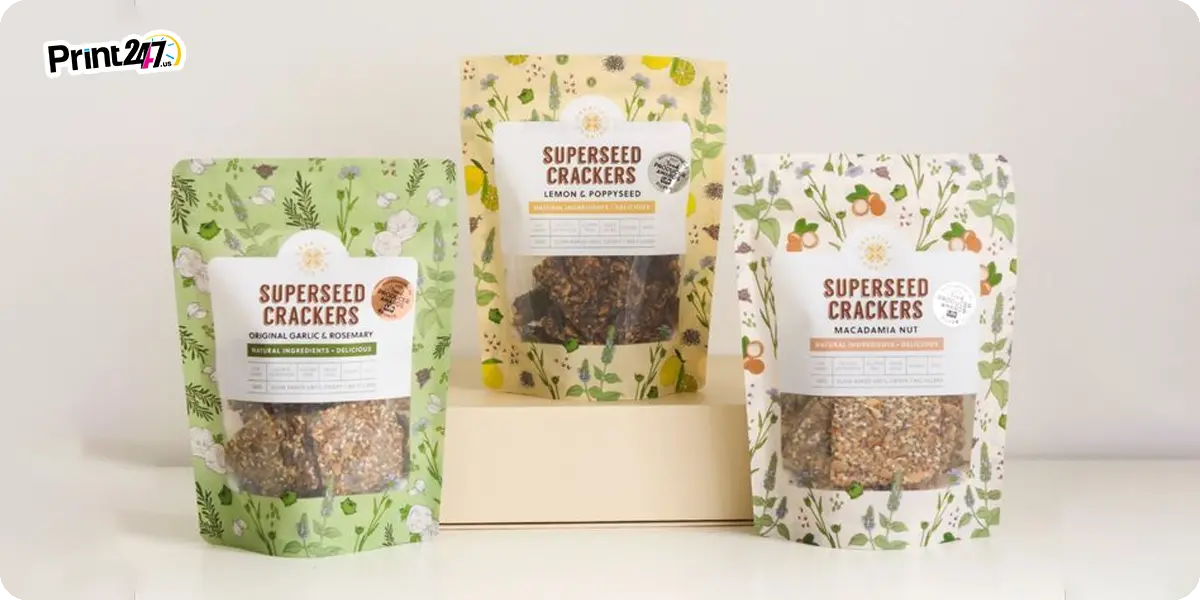
Yes, food grade mylar bags from trusted manufacturers are safe for dry food storage when used correctly. This helps prevent spoilage and waste because they prevent oxygen, moisture, light, and odors from getting into the food. It is crucial to use tested films, use correct seal settings, and provide clear handling instructions.
Rather than just asking “Are Mylar bags toxic?“, brands need to ask “Is our entire packaging system safe from plant to end user.” Make sure the film, inks, adhesives, and oxygen absorbers are all chemically safe. Also, it is important to train staff on handling bags correctly, avoiding overheating, and storing finished goods in clean, dry areas.
When set up well, Mylar based structures are one of the most reliable long term food storage packaging options. They keep freeze dried meals, grains, beans, snacks, and supplements stable for long periods. Clear labels and answerable questions on your website help retail and wholesale customers feel comfortable about that long shelf life.
Essential Safety Guidelines for Long Term Food Storage
The key to keeping your food safe for a long time is to practice simple habits rather than fear. There should be some rules that are non-negotiable if your brand packs foods for months or years.
Key safety guidelines
Only use food-grade mylar bags with documented food contact approval
Get test reports on migration, heavy metals, and BPA-free packaging from your supplier
Select a bag thickness and structure that corresponds to the stress your product and supply chain will endure
Choose oxygen absorbers that are the right size and count for the bag volume, as well as the type of product
Seal bags at tested temperatures and check seals with routine peel and burst tests
Instruct warehouse workers on clean handling, pallet stretch wrap limits, and moisture control
Good safety habits protect more than the end consumer. They protect your brand from product recalls, retailer claims, and negative online reviews. Your packaging SOPs should include these checks, and you should review them when you launch new lines or change suppliers.
Final Thoughts
Mylar bags do not pose a threat by nature. It's proven that they help brands keep their products fresh, stable, and market-ready for a long time. When you choose FDA compliant packaging, demand certificates, and keep your internal checks strong, you can answer “Are Mylar Bags Toxic?” with calm, simple facts.
Print247 is the smart packaging partner to speak with if you want safer, more polished packaging. We help brands with custom printed mylar bags, free design help, physical samples, and eco minded material options. We also offer fast and free shipping across the United States, so your team can test and scale with less stress.
Get a Quick Quote

More Articles
 Bill ‘Hogg’ Ryan
A Complete Guide to Mylar Bag Closure Styles and Sealing Methods
 Bill ‘Hogg’ Ryan
Types of Toy Boxes: 11 Custom Packaging Styles for Brands
 Bill ‘Hogg’ Ryan