









Embossing vs Debossing In Packaging: What They Are And When To Use Each
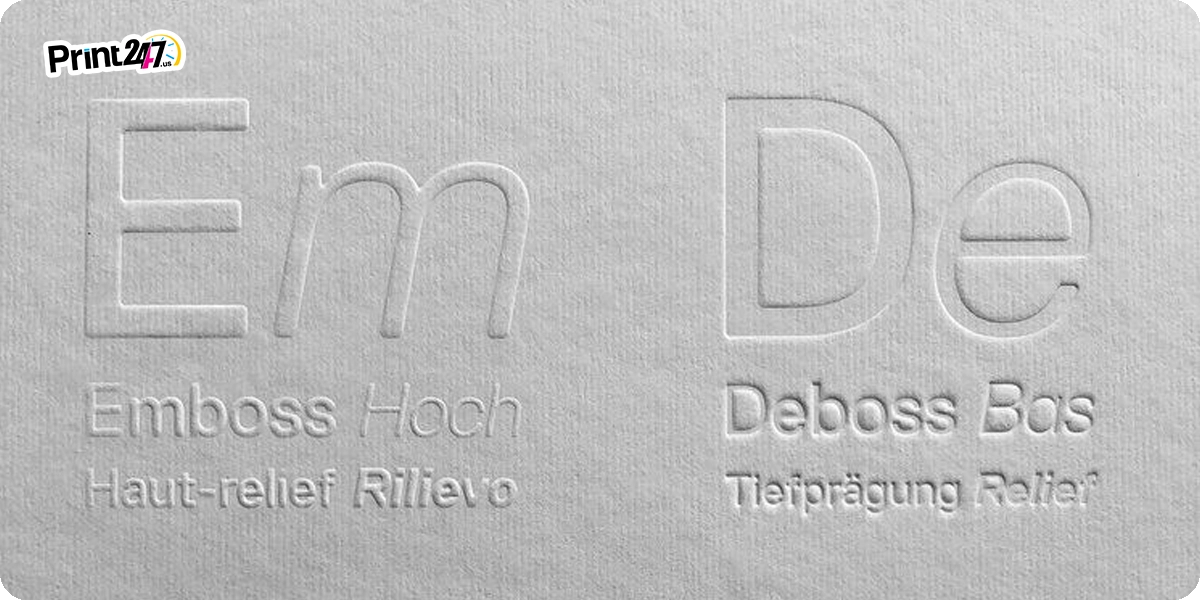
When strolling through the stores, you often see luxury boxes that have designs which you can definitely feel with your fingers upon touch. This raised or recessed-in feeling is normally known as embossing or debossing, respectively, on the packaging. The best thing about these finishing options is that they don’t change or alter the overall box shape or look. They just add depth, texture, and a more premium feel to the packaging.
For e‑commerce brands, these small details can make your product feel more expensive and more trustworthy the moment a customer receives, interacts, appreciates, and opens the parcel. The good news is that embossing and debossing are not as complex as they sound. And that is when you understand what they do and when to use each one.
In this blog, we will discuss what these two types of finishing options are, what are their differences (emboss vs deboss), benefits, and how to choose the one suitable for your packaging.
What Is Embossing in Packaging?
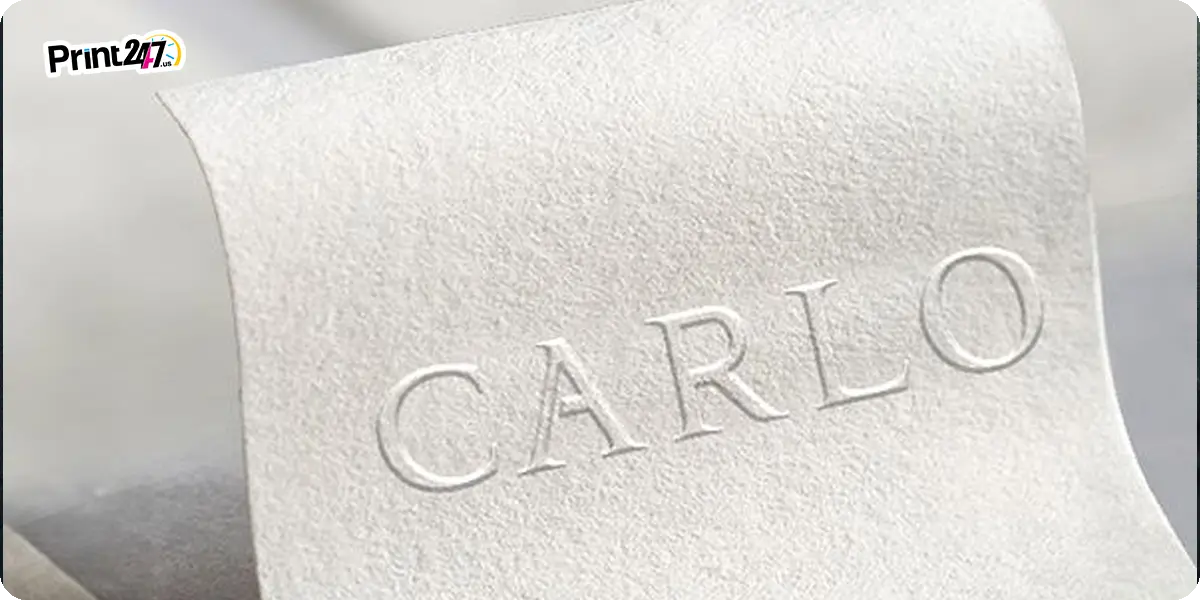
Embossing is a printing finish that raises part of the design above the surface of the box as compared to the elements that are not selected. This creates better prominence. Think of a logo or word that feels like it is popping out when you run your fingers over it. This raised effect makes that area stand out visually and by tactile feel.
To create embossing, printers use a metal tool called a die. The die and the box board go into a press. With pressure, and sometimes heat, the die pushes from the back of the board to lift the design on the front. No extra ink is required. You can emboss on plain board, printed artwork, or even on top of foil.
On custom boxes, brands mostly emboss:
Logos and brand names.
Short taglines or initials.
Simple icons and border shapes.
Repeating background patterns for a rich texture.
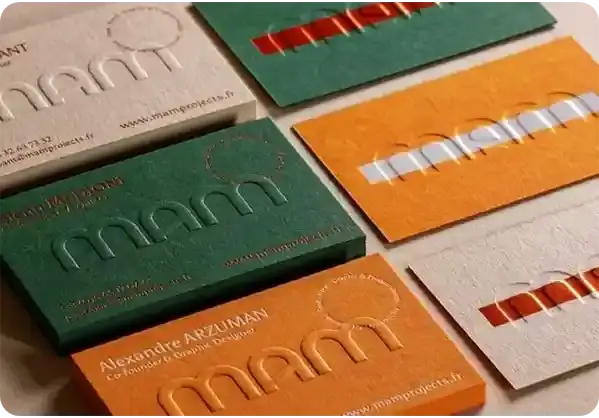
Embossing is very common on rigid set‑up boxes for cosmetics, perfumes, jewelry, and high‑end electronics.
What Is Debossing in Packaging?
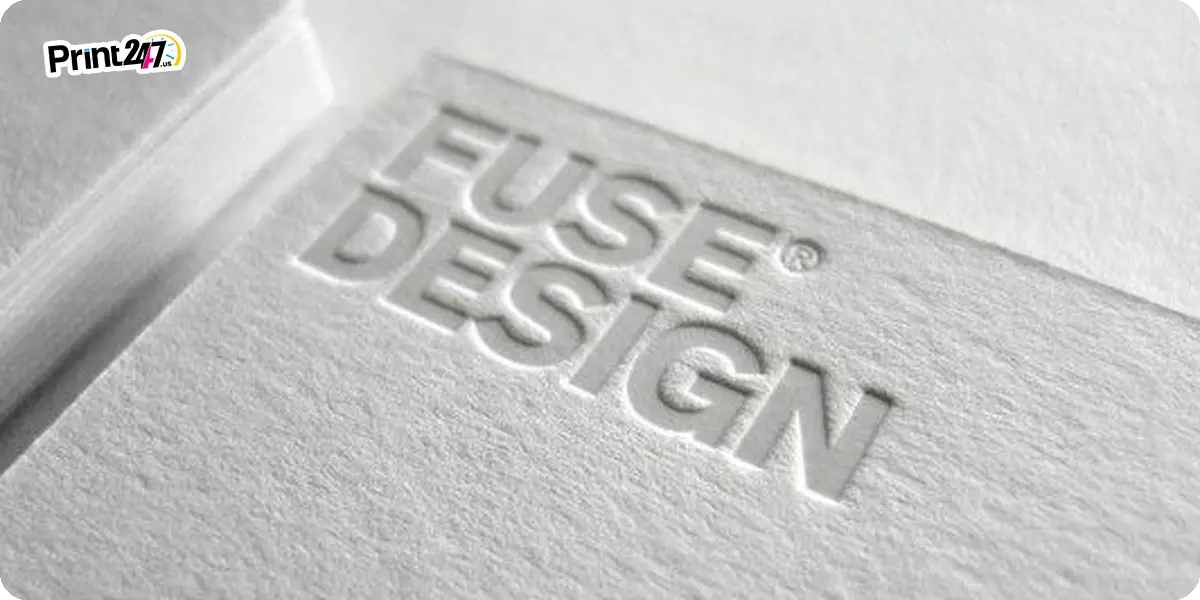
Debossing is the exact opposite of the embossing process. Instead of giving the design a raised feel, deboss presses it down into the surface of the board, creating a neat indentation. Unlike the raised text of embossing, when you touch a debossed area, your fingers drop slightly into the design.
The debossing process uses the same kind of metal dies as the one used in embossing. But the only difference is that the tool presses from the front and pushes the design into the material. As the design is sure to sink into the paperboard, it gives a neat look and smooth feel to the backside of thicker materials and makes them less affected than the embossing process.
Brands use debossing on:
Rigid boxes for luxury goods and welcome kits.
Premium mailer boxes for subscription brands.
Minimalist packaging where the logo is subtle but still tactile.
Debossing looks especially strong on thick boards, leather‑like wraps, and soft‑touch laminations where the shadow inside the recessed area is easy to see.
Embossing vs Debossing: What’s the Difference?
The core difference between the two finishing options, embossing and debossing, is the direction of the effect:
Embossing is opted to raise the design upwards from the surface.
Debossing is applied to press the design down into the surface.
Because of this, each finish creates a slightly different look and feel:
Feature | Embossing (Raised) | Debossing (Recessed) |
What it does | Pushes the design up from the surface so it feels raised. | Presses the design down into the surface so it feels indented. |
Look | More eye‑catching, catches light and shadows. | More subtle, modern, and understated. |
Touch | Design feels bumpy and prominent. | Design feels like a smooth groove. |
Back of the board | May show a depression on thin boards. | Often cleaner on the back, especially on thick boards. |
Best for | Bold logos, hero product names, decorative textures. | Minimal logos, thick rigid boxes, premium subtle branding. |
When you choose between them, you are mainly deciding whether your design should stand out from the surface or sit into it.
Benefits of Embossing on Custom Boxes
Embossing is popular because it instantly makes packaging look more detailed and more expensive. Some key benefits include:
Chic visual impact
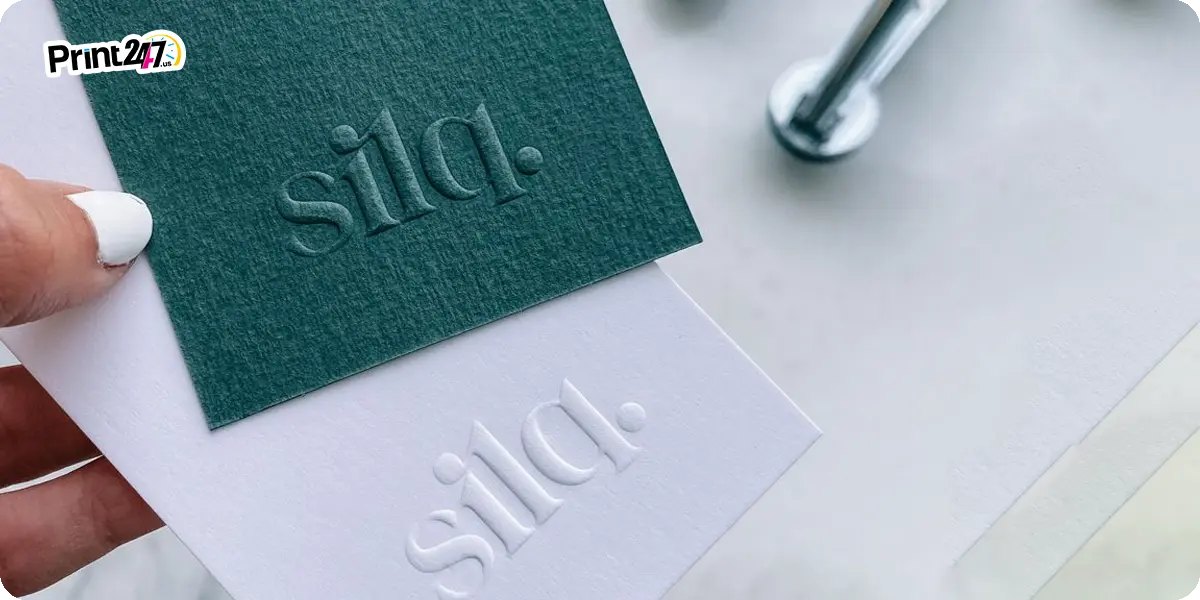
The raised areas catch light and shadow, helping your logo or name jump out from the box, even from a distance.
Unforgettable tactile feel
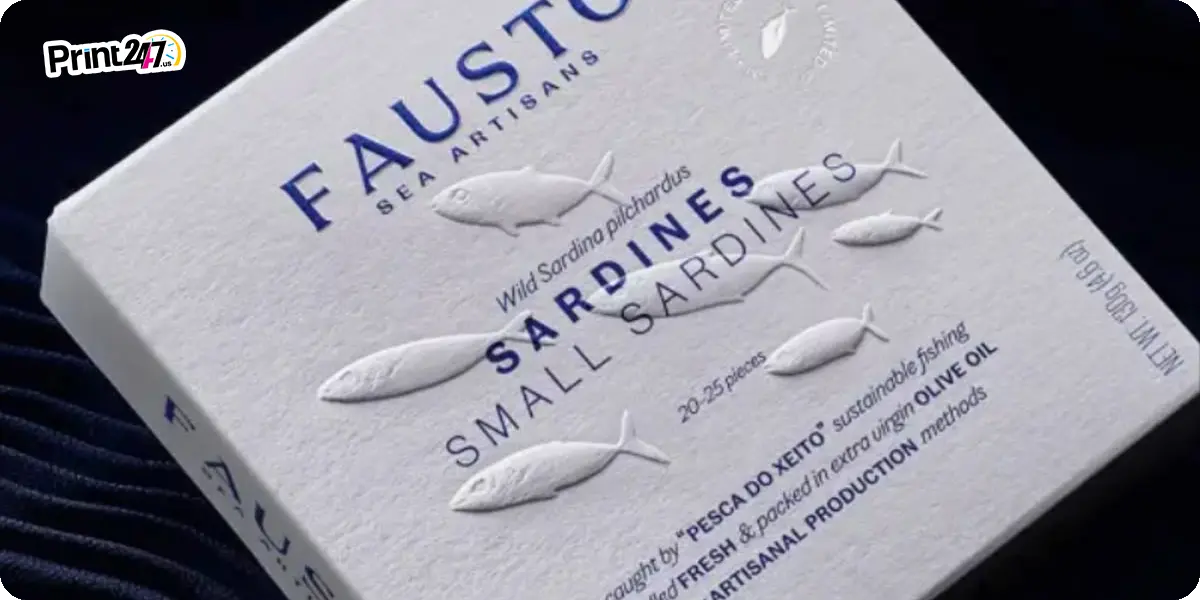
Customers notice the raised design as soon as they touch the box, which creates a memorable unboxing moment.
Highlighting key elements
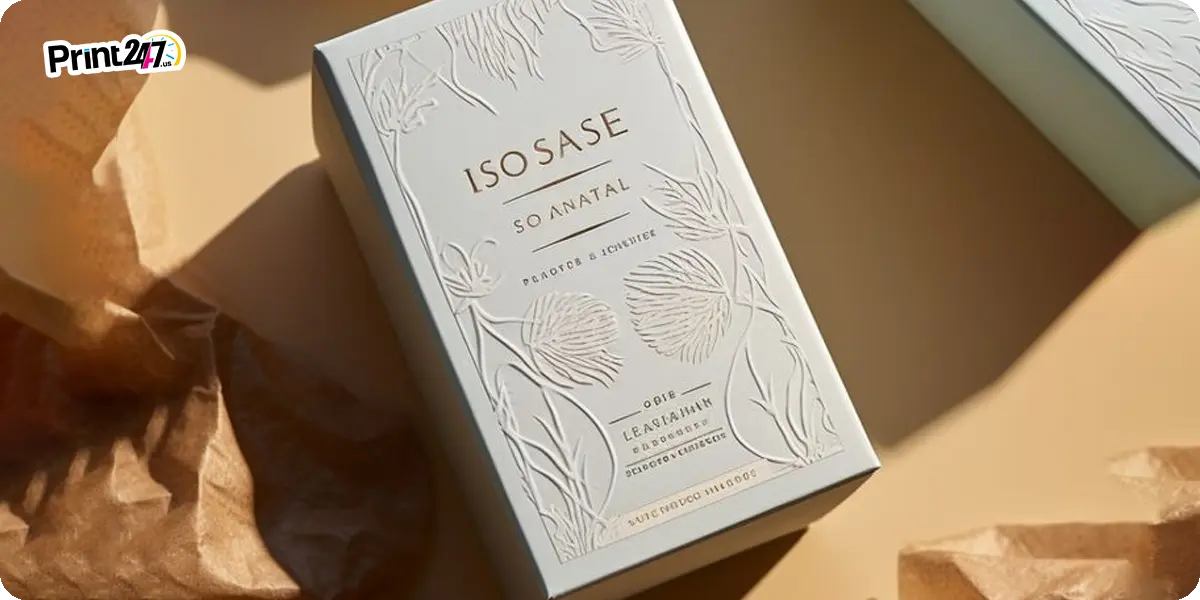
Embossing is perfect for hero elements such as your main logo, product name, or initials. It draws attention without needing extra ink or loud colors.
Works beautifully with other finishes
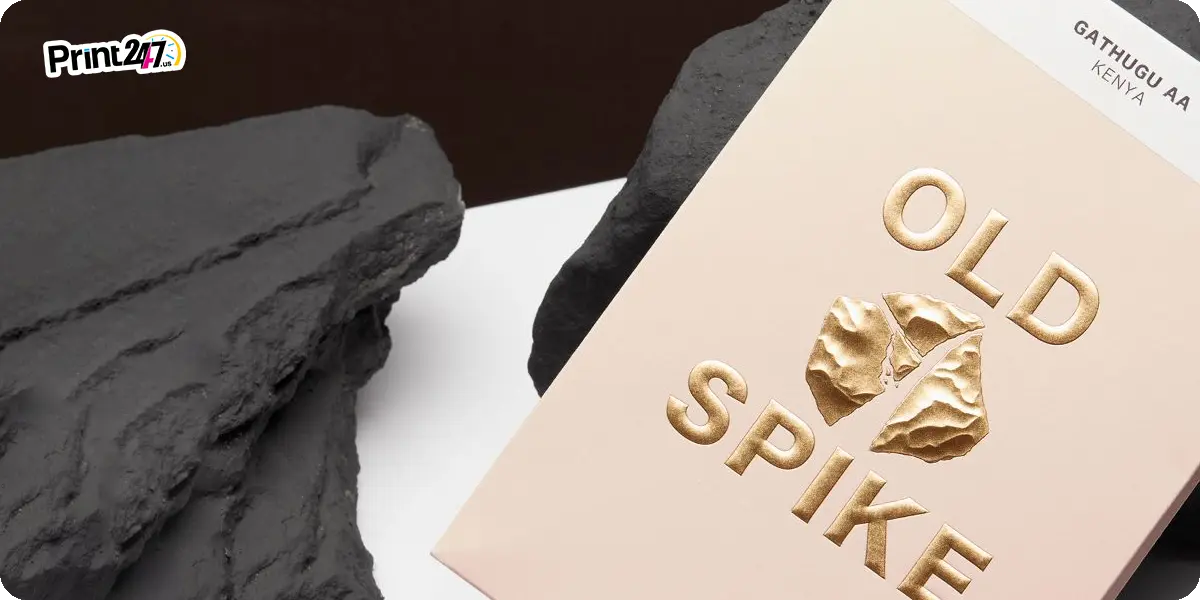
Embossed designs pair well with:
Foil stamping (for shiny raised logos).
Spot UV (glossy raised areas against a matte background).
Soft‑touch and matte coatings (for rich contrast in feel).
If you want your box to feel very premium and expressive, embossing is often the first finish to consider.
Benefits of Debossing on Custom Boxes
Debossing offers a different kind of luxury, calmer and more understated. Its main benefits are:
Subtle yet modern look
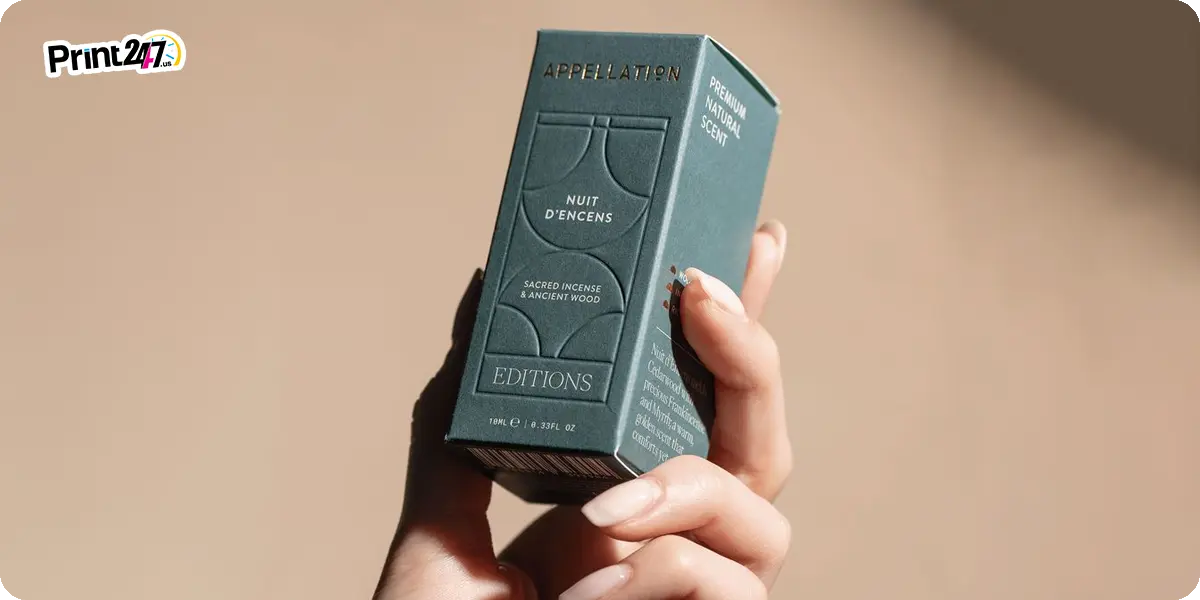
Debossed designs are recessed from the surface and rely on depth and shadows. This gives a refined as well as a minimalist look that suits modern brands.
Great for thick or rigid materials
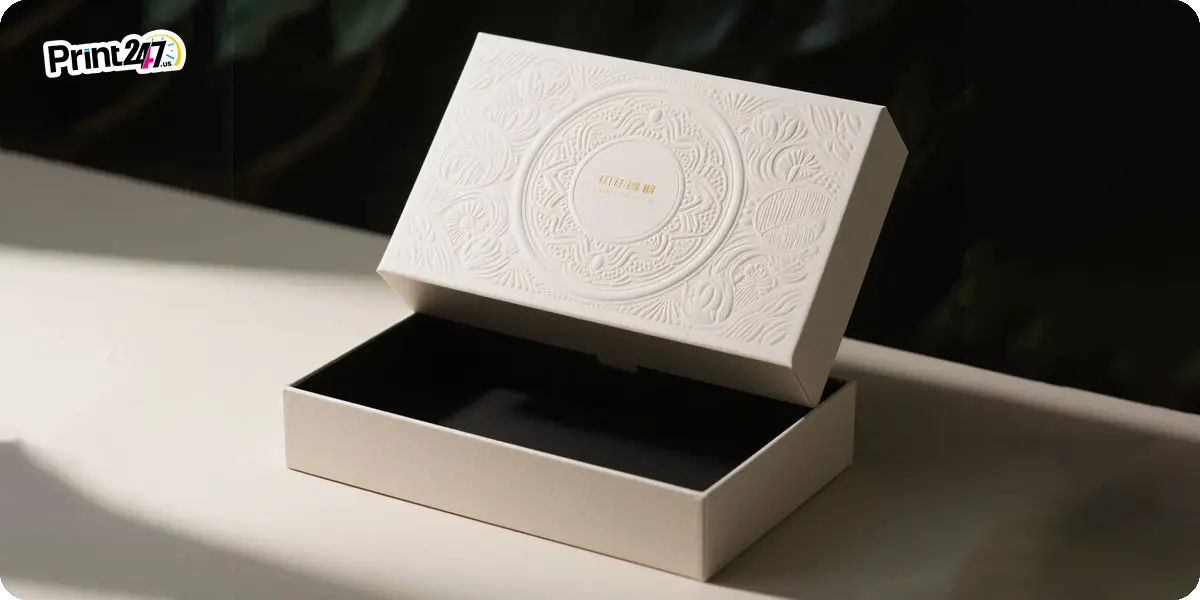
Debossing works very well on rigid boxes and thick boards because the recess holds its shape and the back side remains neat.
Often lower tooling costs
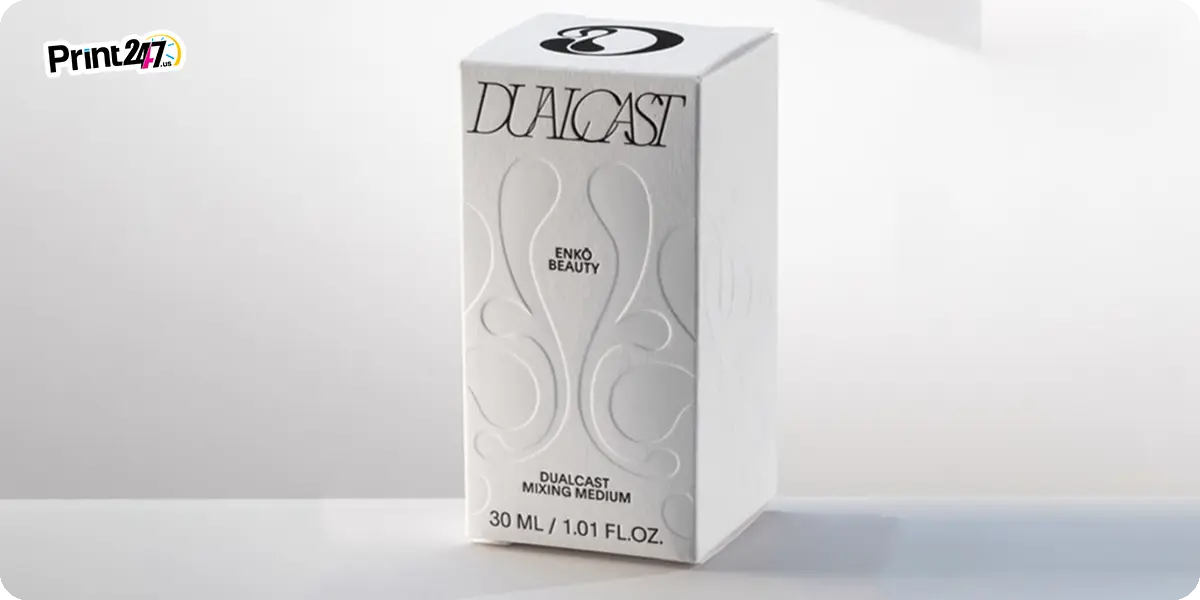
Many printers note that dies for debossing can be slightly cheaper and simpler than embossing dies. This can help when you want a premium effect on a tighter budget.
Perfect base for foil or ink
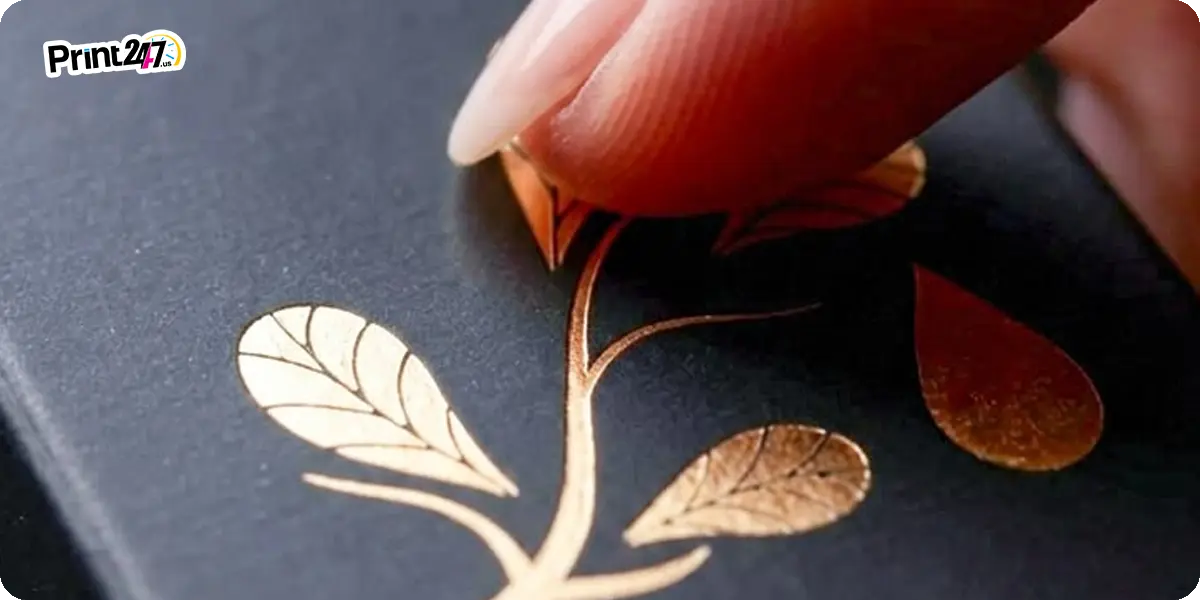
A debossed can hold foil or ink inside the recessed shape, making the logo look sharp and carefully framed.
Debossing works well for brands that prefer quiet confidence over loud, shiny effects.
When to Choose Embossing and Debossing
Both finishes are strong options, so the right choice depends on your product, brand style, and budget.
You might choose embossing when:
Your brand identity is bold, expressive, or artistic.
You want the logo or name to stand out on shelves.
Your packaging uses matte or soft‑touch coatings where raised details really show.
You are selling premium cosmetics, perfume, jewelry, or gift boxes where the “wow” factor is key.
You might choose debossing when:
Your brand is minimal, modern, or luxury with a quiet style.
You mostly use dark, rich colors where shadows in the recess look elegant.
You are working with thick rigid boxes or mailers and want clean inner surfaces.
You want a premium finish but need slightly lower tooling costs.
A simple way to decide:
For “look at me” packaging, start with embossing.
For “understated luxury” packaging, start with debossing.
Some brands even use both across their range: embossing for hero products and debossing for limited or minimalist editions.
5 Design Tips for Embossed and Debossed Packaging
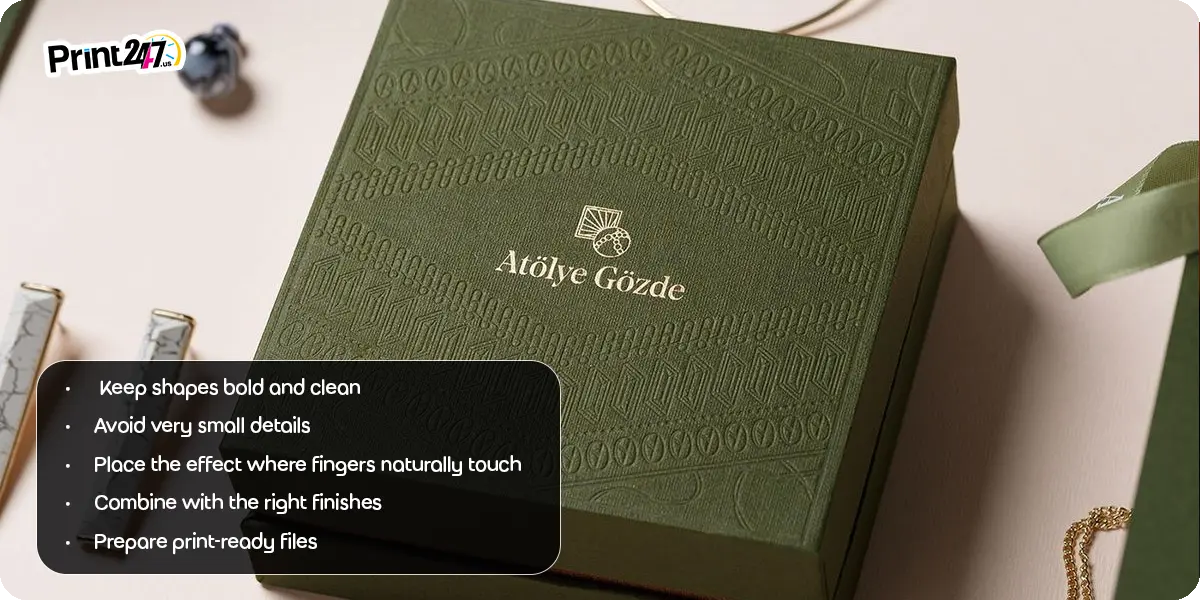
To get the best results from either effect, keep your design clear and simple. Professionals suggest a few key tips:
1. Keep shapes bold and clean
Tiny text and thin lines usually disappear once pressed onto the material surface. So, don’t forget to use thicker strokes, simple icons, and short words for embossing and debossing.
2. Avoid very small details
Fine textures, tiny serifs, or small script fonts may not hold up well under pressure.
3. Place the effect where fingers naturally touch
Put embossing or debossing where people hold the box or lift the lid, so they immediately feel the difference.
4. Combine with the right finishes
Emboss + foil for premium luxury.
Deboss + foil for sharp and framed logos.
Both work well on matte or soft‑touch coatings, where the contrast in texture is strongest.
5. Prepare print‑ready files
Your designer should supply a separate layer or file for emboss or deboss die line, clearly showing what needs to be raised or recessed. This helps your packaging supplier avoid mistakes when manufacturing your required packaging.
How Print247 Helps You Add Embossing or Debossing
Embossing and debossing need the right materials, tooling, and setup, so working with an experienced packaging partner matters. Print247 can guide you through each step.
Here is how we help:
Material and box style selection
We help you choose the best board and box style, rigid boxes, folding cartons, or mailer boxes, that can handle embossing or debossing cleanly.
Die and artwork review
Our team checks your artwork and emboss and deboss areas, then prepares custom dies so your logo and text stay sharp and readable.
Finish pairing
We suggest how to combine embossing or debossing with foil, spot UV, or coatings based on your brand personality and budget.
Samples and quality control
For larger orders, we can arrange proofing or samples so you can feel the effect before full production, making sure the depth and detail match your expectations.
Working with Print247 means you do not need to worry yourself with every little technical detail. You only need to know emboss vs deboss how you want your packaging to look and feel; we translate that into the right emboss or deboss setup.
Final Verdict
Knowing about embossing and debossing is all quite simple. The prior raises the design, while the latter presses it in the material. Both give an exclusive tactile feel to the custom box packaging by providing extra texture, depth, and premium feeling without altering the structure of the box. Embossing works the best when you want bold and highly tactile branding feel. On the other hand, debossing suits subtle, minimalist, or thick-board boxes where luxury and premiumness matters more.
If you want your custom boxes to feel like they belong on a luxury shelf, even when they ship in a plain outer mailer, embossing and debossing are two of the most powerful tools you can use. Share your finishing idea and logo with Print247, and we’ll help you decide whether embossing, debossing, or a mix of both is the best fit for your next custom packaging project. If you need more insights in knowing about the emboss vs deboss, contact our experts.
FAQs about Embossing and Debossing in Custom Box Packaging
What is embossing in box packaging?
Embossing is a finishing process that raises part of your design above the surface of the box using a metal die and pressure, making that area stand out visually and by touch.
What is debossing in boxes?
It is the exact opposite of embossing for easy understanding. It works by pressing the design down into the paperboard of a thick rigid board. So it stays below the normal surface, creating a neat, recessed effect.
Which is better, embossing or debossing?
Neither is “better” in all cases. Embossing is best when you want a bold, highly tactile logo, while debossing is better for subtle, modern, or very thick boxes.
Can I combine debossing or embossing with foil?
Yes. Both these finishing options work very well with foil stamping. Embossed foil gives a shiny raised logo, while debossed foil sits inside a recessed shape for a sharp, framed look.
Are embossing and debossing eco‑friendly?
Because these processes mostly reshape the board instead of adding new plastic layers, they can be an eco‑friendly way to add premium detail, especially when used on recyclable paperboards.
Get a Quick Quote

More Articles
 Bill ‘Hogg’ Ryan
What Are Custom Thumb Cut Boxes? Uses, Sizes & Printing Options
 Bill ‘Hogg’ Ryan
Brochure Sizes and Fold Types Guide (Bi Fold, Tri Fold, Gatefold with Dimensions)
 Bill ‘Hogg’ Ryan