


Carefully selected materials that deliver exceptional print quality, durability, and shelf presence.


 New




How Long Does Dehydrated Food Last in Mylar Bags
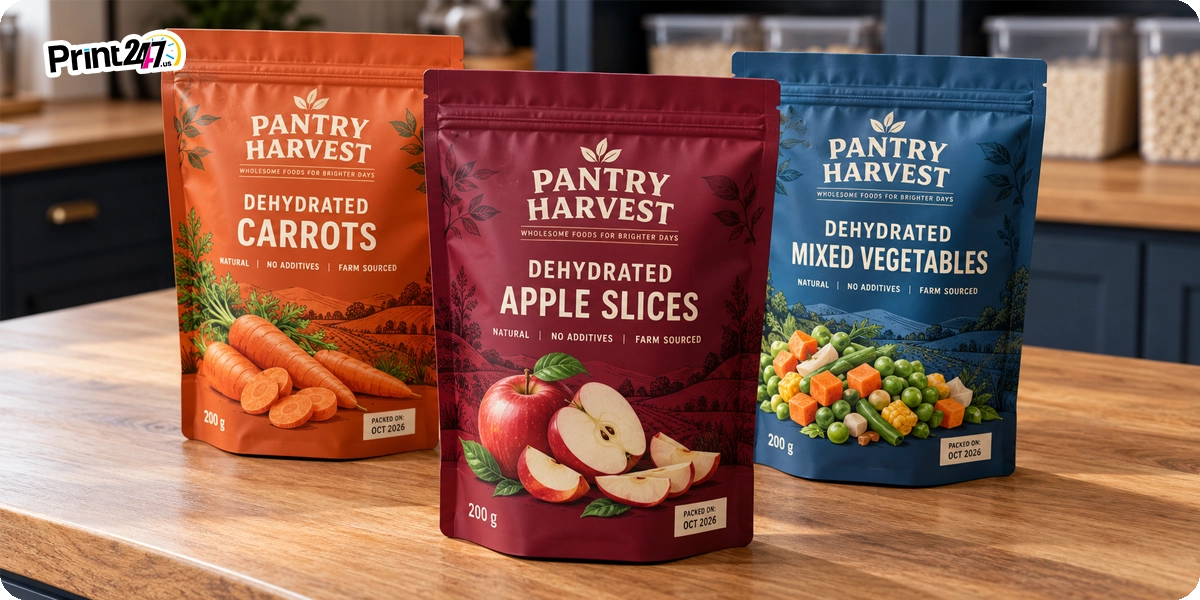
Dried a big batch of apples, jerky, or veggies and now wondering how long it will actually keep? Fair question. Nobody wants to open a bag next winter and find mold, mush, or that stale cardboard taste.
Here’s the short answer: In a jar or zip bag, home-dried food keeps for about 1 month to 2 years, depending on the food. Seal that same food in a mylar bag with an oxygen absorber, store it somewhere cool and dark, and dry foods like veggies, fruit, beans, and rice can last 5 to 20 years or more. Meat tops out the earliest. The best case scenario would be a year or more.
A good bag makes a big difference, but only if it is packed correctly. It only takes one thin bag, one batch that isn't fully dry, or a hot garage to turn those years into months. We've included the shelf life charts, what shortens shelf life, and our own packing steps below.
What is Dehydrated Food?
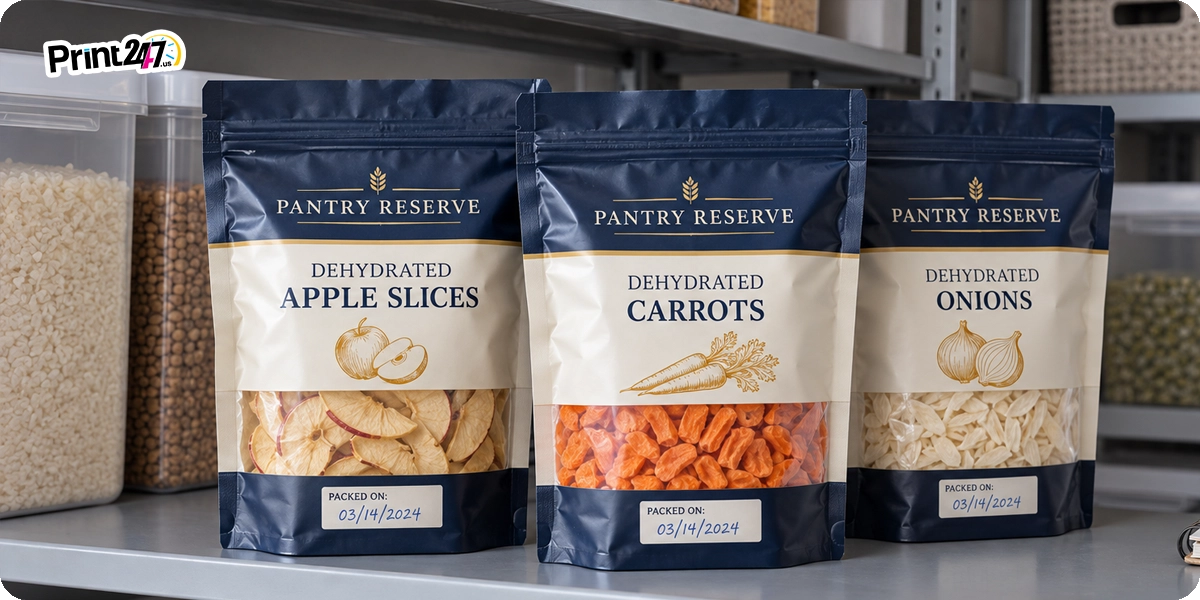
Dehydrated foods are meats, fruits, and vegetables that have had their water removed through a drying process. The process involves using an oven or a food dehydrator to dry out food. Dehydrating food helps preserve food and prolong their shelf life. How long dehydrated food lasts in Mylar bags depends on three things: how it is prepared, packaged, and stored. Get all three right, and your food lasts a lot longer.
What are Mylar Bags Made of?
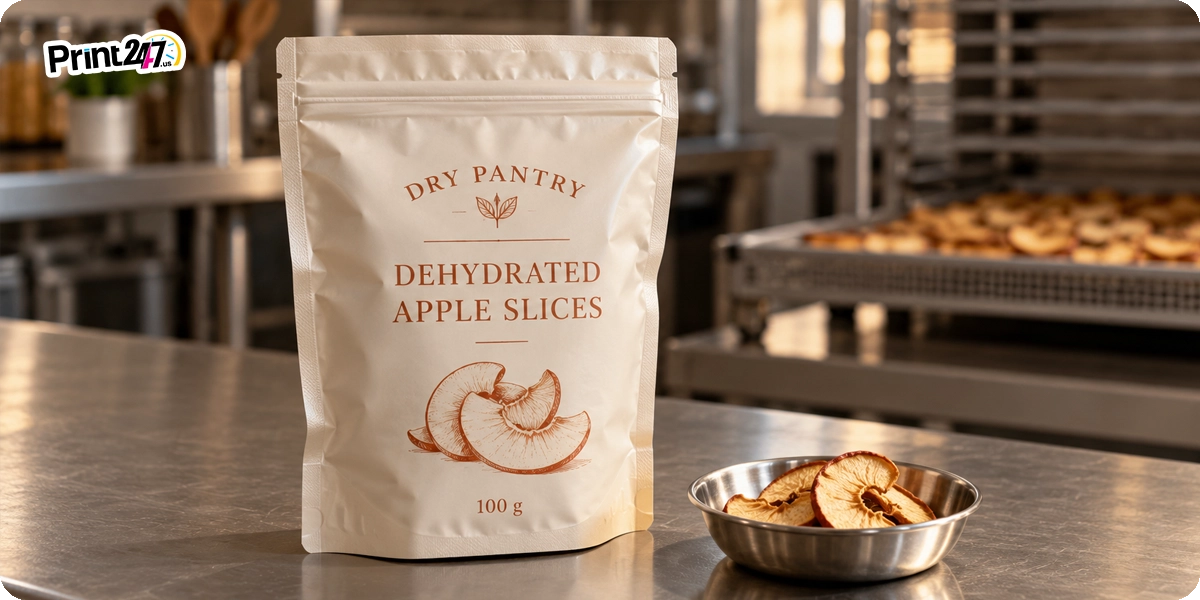
Mylar bags are made from polyester film (PET) with a thin layer of aluminium or metallized coating. In simple terms, Mylar is a flexible and thin material. Mylar Bags are known for their ability to be strong and flexible.
High Tensile Strength
Mylar bags are strong and tear-resistant. There is often a risk that plastic bags will tear because of the food weight. Therefore, storing food in Mylar bags is your best option. They are resistant to punctures.
Light and Flexible
Mylar bags are also light and flexible. This must be one of the amazing things you have come across. That means they can easily adjust to the shape of their content, making them easy to store.
Sealable
Now, last but not least. Mylar bags are highly effective for preventing air and water from passing through. This prolongs the shelf life of your food and keeps it fresh for years, not days. A bag like this cannot let outside material pass through. These bags help isolate the product from oxygen, moistness, and light exposure.
These unique properties are the key to storing food for long-term use. They’re also budget-friendly and are best known for their preservation of food, such as emergency supplies.
“According to research, the global Mylar market was valued at $10.7 billion in 2021 and is estimated to grow to $20.4 billion by 2031, with a CAGR of 6.9%. Bags and pouches made up the biggest share of that market.”
This shows that mylar bags' future is promising and it is an excellent choice for long term food storage solutions.
How Long Does Food Last in Mylar Bags
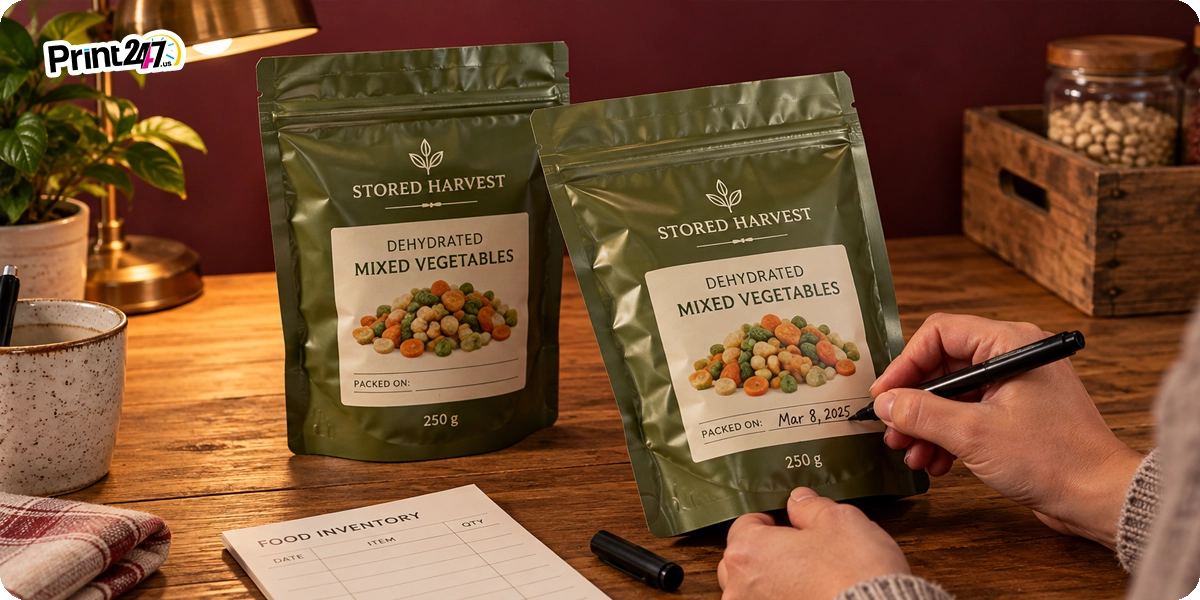
As we have already discussed, different foods have different shelf lives. To be precise shelf life varies depending on the food and how they are stored. Dry staples like white rice and wheat can last 20 to 30 years in a sealed Mylar bag. Dehydrated fruits and veggies usually top out sooner.
So what decides where your food lands in that range? Moisture, mostly. The less water left in the food, the longer it lasts. A Mylar bag blocks moisture from getting in, but it also traps any moisture you seal inside. So make sure your food is bone-dry before it goes in the bag.
There’s one more thing you need to know about Mylar bags. The bag handles heat just fine, but your food doesn’t. A sealed bag sitting in a 90°F garage still loses years of shelf life. Here’s where each type of dried food should live. For rice, flour, pasta, and other staples, check our full mylar bag food storage chart.
Food Item | Store in | Canister/Bag |
Dehydrated Vegetables | Cool, dark pantry or basement, below 70°F | Mylar bag with oxygen absorber |
Dehydrated Meat and Jerky | Fridge or freezer if you need it past 1 to 2 months | Small Mylar bag or vacuum bag |
Dehydrated Fruits | Cool, dark pantry, below 70°F | Mylar bag with oxygen absorber |
Powdered Milk and Cheese Powder | Cool, dark pantry, away from heat | Mylar bag with oxygen absorber, inside a bucket |
Now comes the important part of this blog, which is to find out how long dehydrated food lasts in Mylar bags. Before that, you must know how long dehydrated food stays good in mylar bags with oxygen absorbers. There’s a difference between storing different food types with and without oxygen absorbers.
Food Type | Shelf Life in Mylar Bags (Without Oxygen Absorbers) | Shelf Life in Mylar Bags (With Oxygen Absorbers) |
White Rice | 4-5 years | 20-30 years |
Dry Beans | 3-5 years | 10-30 years |
Pasta | 2-3 years | 10-20 years |
Oats | 1-2 years | 10-20 years |
Wheat Berries | 5-10 years | 20-30 years |
White Flour | 1-2 years | 10-20 years |
Dehydrated Vegetables | 2-5 years | 10-20 years |
Dehydrated Fruits | 1-3 years | 5-15 years |
Powdered Milk | 1-2 years | 2-10 years |
Freeze-Dried Foods | 5-10 years | 20-30 years |
Quick note: These ranges are for low-moisture food stored below 70°F. Home-dried batches typically contain more water than store-bought ones, so be prepared for a lower number and check one bag annually. Anything that turns soft, smells off, or shows spots should be thrown away.
How Long Does Dehydrated Meat Last?
Meat is the trickiest food to store long term, and fat is the reason. Even after drying, fat slowly goes rancid. The USDA says homemade jerky keeps 1 to 2 months in the pantry, while store-bought jerky lasts about 12 months thanks to commercial drying and packaging.
Want more time? Use lean cuts, trim off every bit of fat you can see, and seal the jerky in a Mylar bag with an oxygen absorber. Keep cool, that can stretch it to about a year, and the freezer buys you even more. Just don’t expect jerky to sit in the pantry for decades like rice.
Along with many queries, there is another question that is making people raise eyebrows: Are mylar bags recyclable? It’s a very important question to ask. Recycling Mylar bags is often a tricky process because of their complex structure. But they can still be recycled through specialized services.
Which Factors Affect Dehydrated Food Shelf Life
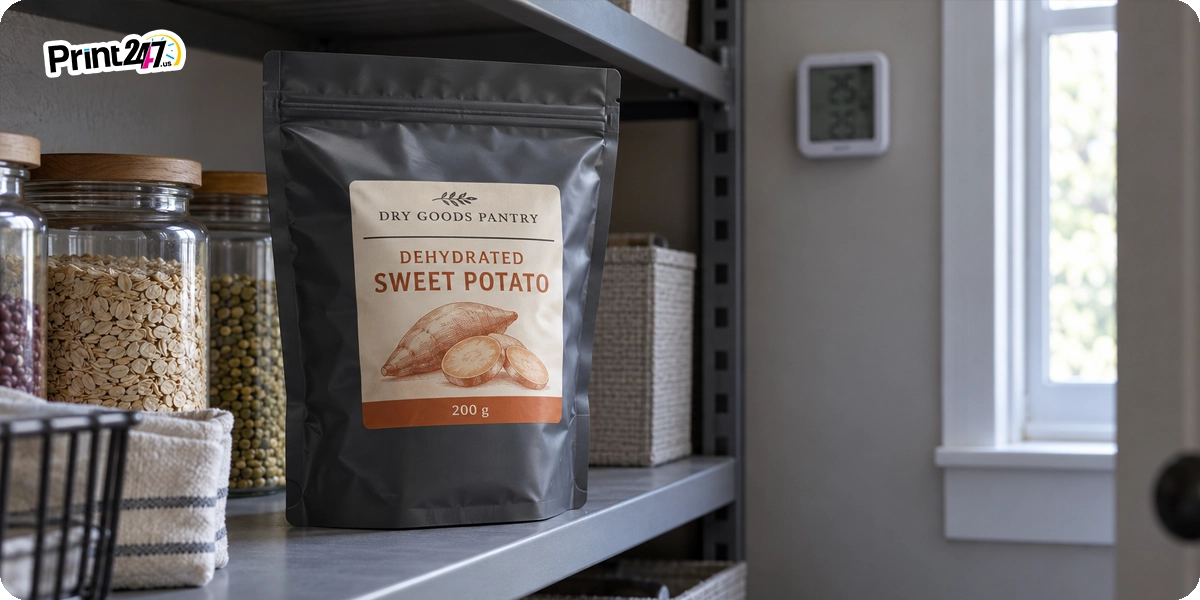
How you care for and manage food items affects how long you can store dehydrated food. Dehydrated food generally lasts for a long time, but this doesn’t mean they are imperishable. Proper storage helps prolong dehydrated food shelf life.
These are the few major risk factors that affect the shelf life of food stored in Mylar bags:
Oxygen
Moisture
High temperatures
Light
Oxygen
Exposure to oxygen can lead to product spoilage and contamination. Oxidation encourages mold growth and speeds up chemical reactions in food, which causes food to lose its flavor, color, and nutritional value.
Moisture
Too much moisture also degrades food’s quality and causes mold, and enables microbial growth. Consuming such food can cause major health issues. The drier the food is, the longer the shelf life will be.
Light
Natural or artificial light can also cause photodegradation. Photodegradation causes food to lose its color and flavor. Therefore, it is important to store food products in dark places.
High Temperatures
High temperatures are extremely bad for the food products stored in mylar bags. Heat speeds up nutrient degradation and product spoilage. Therefore, food must be stored in a cool environment, approximately below 70°F/21°C, for long term food storage. Temperature fluctuation can also cause spoilage.
Tips on How to Properly Store Dehydrated Foods in Mylar Bags
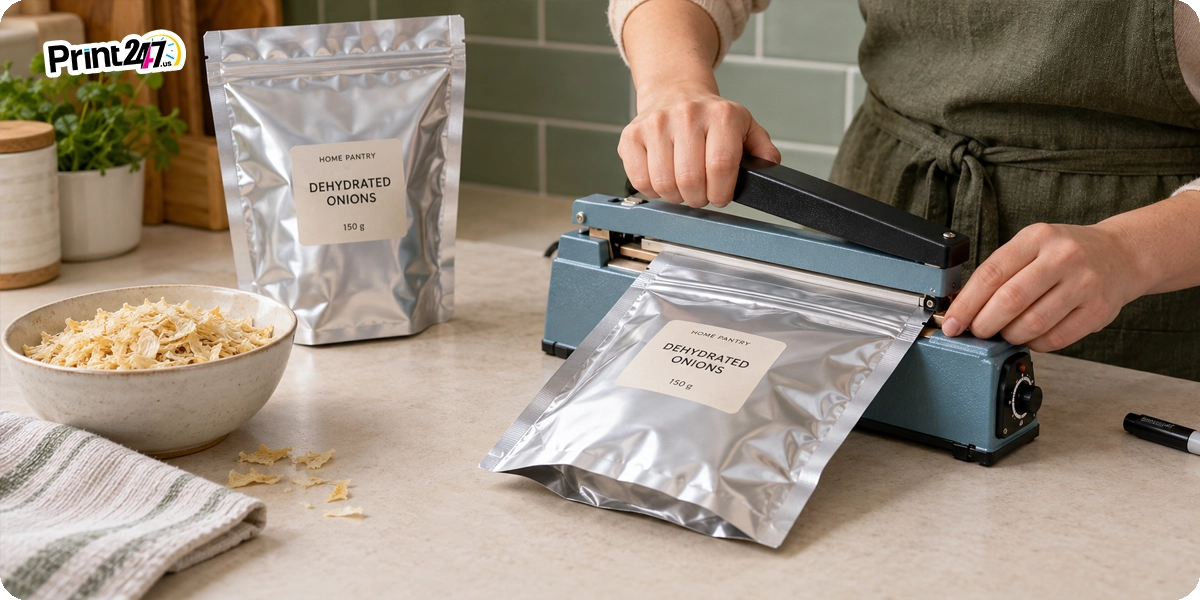
The right storage of dehydrated foods in Mylar bags is one of the most effective methods to extend their shelf life. But how you do it counts. Here’s how to store dehydrated foods in mylar bags so they stay fresh for a long time:
Verify Food Dryness: Veggies should snap, not bend. Fruit should feel leathery with no wet spots when you tear a piece. For fruit, add one extra step called conditioning: pack it loosely in a jar for 7 to 10 days and shake it daily. If beads of water show up on the glass, it goes back in the dehydrator.
Prepare and Fill the Bag: Choose strong, food grade mylar bags to prevent punctures. Go with 5 to 7 mil for long-term storage, since pasta, dried beans, and jerky edges can poke right through a thin bag.
Leave Headspace: Leave 2 to 3 inches of empty space at the top of the bag for a clean seal.
Insert Oxygen Absorber: Add the right size absorber (see the chart below) and seal the bag within about 15 minutes. Absorbers start working the second they hit air, so open only the pack you need.
Heat Seal: Push all the air out and then heat seal the top to create a strong barrier against external factors.
Label the Bag: Make sure to label the bag with the product information, date of packaging, and an expected expiry date.
Store It Smart: Put sealed bags inside a food-grade bucket with a lid. It keeps mice out and stops sharp edges from rubbing holes in the bags.
How to Maximize Dehydrated Food Shelf Life in Mylar Bags
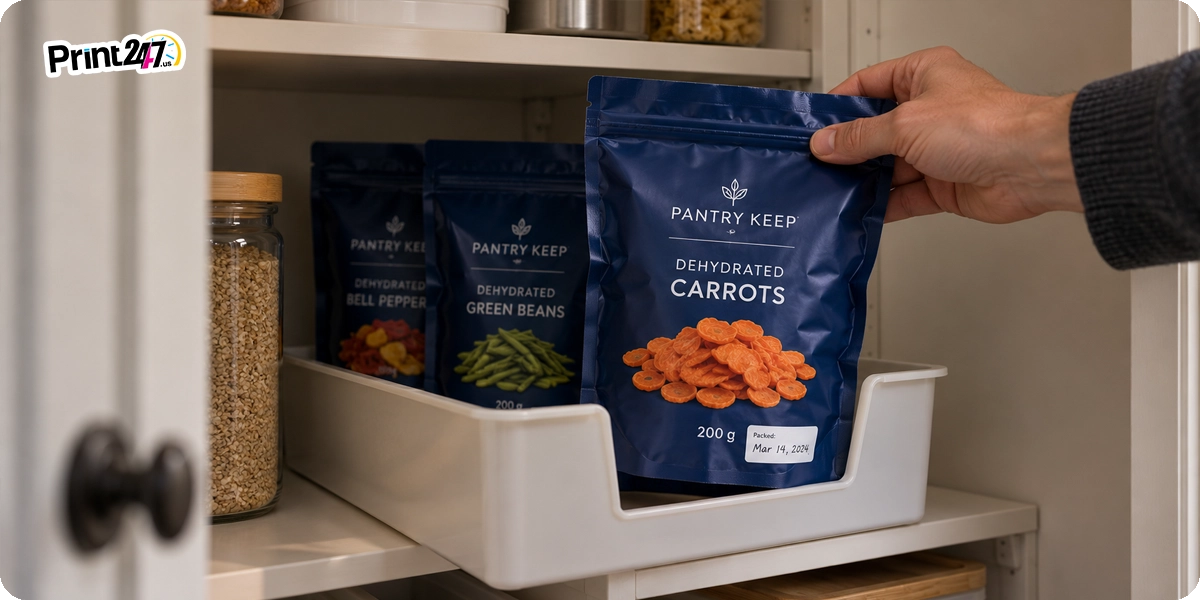
Follow these few simple tips to maximize the shelf life of dehydrated food stored in Mylar Bags:
Oxygen Absorbers: The proper use of an oxygen absorber is an important factor in maintaining the shelf life of food. It is also necessary to pick the best mylar bags for food storage.
Storage Environment: Cool, dark, and dry places are ideal for the storage of Mylar bags. Keep bags out of direct sunlight and away from heat sources.
Moisture Control: Different types of food tend to have different shelf lives. Dry food lasts longer than foods that have higher moisture content.
Heat Sealing: Finally, proper sealing of the mylar bag is also very important to prevent air and moisture from entering the bag. Heat sealing the bag is a good option since it creates an airtight seal that prevents product spoilage.
Selecting the Best Mylar Bags for Food Storage
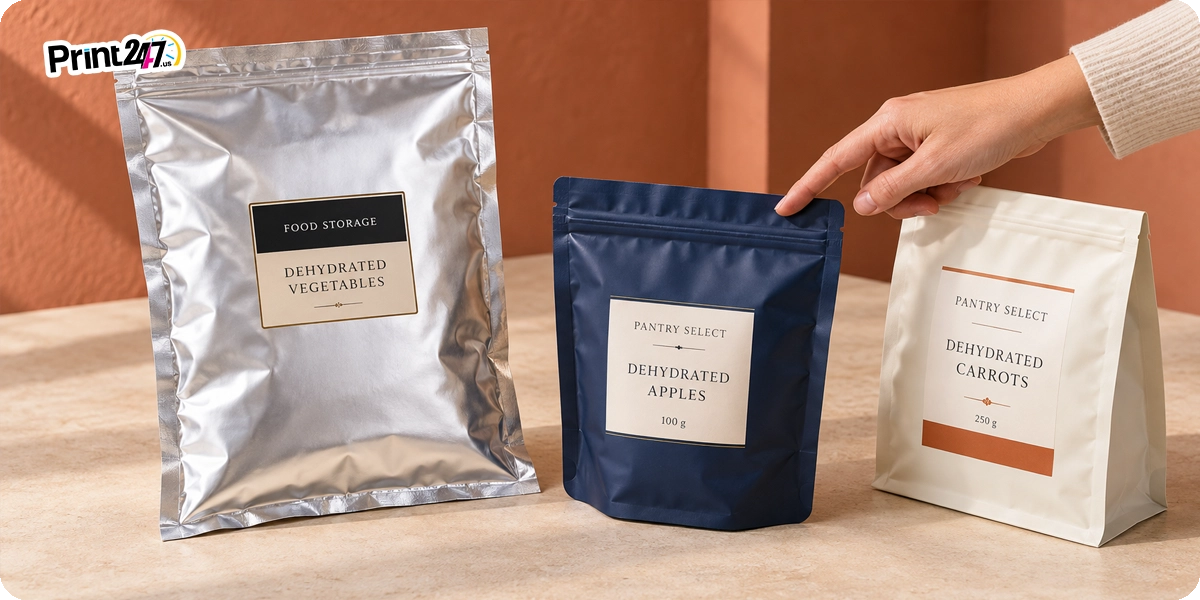
You have all the reasons to order Mylar bags. Who wouldn’t? I mean, after learning how much they help you preserve your food for a long time, you won’t be able to fight the urge to order Mylar bags for yourself. Let's explain how to choose the right mylar bags for food storage:
Choosing the Right Mylar Bag Thickness & Size
Ok then, suppose, after learning the amazing benefits of Mylar bags, you decide to buy them, the next step is to choose wisely. The decision you make significantly impacts your food storage. You need to discuss two important factors before buying Mylar bags:
Now you must be wondering what those two factors are that are so important. They are size and thickness. Now you might be thinking what size and thickness have to do with it. It has everything to do with it. These two factors should be taken seriously before making your final decision. If you are packing soft items for a short term, then 3.5 mil to 5 mil is perfect. Otherwise, 5 mil to 7 mil is considered perfect mylar bag thickness for long term food storage.
If you want to pack or store smaller food items like spices, salt, baking powder, fruits, and dehydrated meat, then small mylar bags are your ideal choice. Otherwise, if you want to store grains, rice, and beans, then you should opt for large mylar bags.
Choosing the Correct Oxygen Absorber
This guide answers one of the most common questions: how long does dried food last? When properly stored in mylar bags with the correct oxygen absorber, dehydrated food survives for many years. Oxygen absorbers play a big role in stretching a product’s shelf life by removing excessive oxygen from the bag. This allows dry food items to stay fresh for years.
You can also take help from the Mylar bag oxygen absorber chart to determine the correct amount of oxygen absorber for different bag sizes. Let’s have a look at the mylar bag oxygen absorber chart:
Bag Size | Oxygen Absorber Size (CC) |
1 pint | 100 cc |
1 quart bag | 100-150 cc |
1 gallon bag | 300-500 cc |
2 gallons bag | 500-1000 cc |
5 gallons | 1000-2000 cc |
6 gallons | 2000-2500 cc |
Pro tip: Airy foods like pasta, dried veggies, and fruit chips leave more air in the bag, so go with the higher number. Dense foods like rice, wheat, and flour need less. When in doubt, size up. An extra 100 cc costs pennies. A spoiled bag costs a lot more.
Choosing the Right Bag Style
Choosing the right mylar bag style is very important to keep your products fresh for a long time. There are three main types of mylar bags:
Stand-up pouches: These mylar bags feature a bottom gusset, which allows them to stand upright on the retail shelves. Stand up pouches help maximize product visibility and are convenient for product dispensing.
Flat Pouches: These pouches have no gusset and are sealed on three sides. They are designed to lay flat. They are considered highly efficient for long term storage.
Zipper or Resealable Bags: They are ideal for products that need to open and close multiple times. These bags also block out oxygen to keep products fresh for multiple uses.
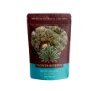
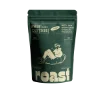
Pack your emergency supplies or dehydrated food and keep them fresh for a long time in high quality printed mylar bags.
The Ideal Place to Buy Mylar Bags for Food Storage
Sure, you can grab a pack of plain Mylar bags from almost any store. But if you sell jerky, dried fruit, trail meals, or emergency food kits, your bag has two jobs. It has to protect the food for months or years, and it has to sell it on the shelf.
That’s where Custom mylar bags from Print247 come in. We print them at our Texas facility in the thickness, size, and style your food needs, with zipper closures, tear notches, and matte or gloss finishes. Orders start at 1,000 units and ship in 12 to 15 working days.
Not sure which mil thickness or bag style fits your product?
Our packaging team will help you pick before you order.
FAQs
What foods should not be stored in Mylar bags?
Skip anything moist or oily. That includes fresh food, brown sugar, nuts, granola, brown rice, and jerky with visible fat. Moist, low-acid food sealed without air can even grow botulism. A simple rule: if it doesn’t snap or pour, keep it out of the bag.
What dehydrated food lasts the longest?
White rice, wheat berries, dry beans, and freeze-dried foods win this race. Sealed in Mylar with oxygen absorbers and kept cool, they can last 20 to 30 years. Among home-dried foods, fruit usually outlasts vegetables, and meat comes last.
How long does dehydrated food last after opening a Mylar bag?
Once you open the bag, the oxygen absorber is done and the clock resets to normal pantry time. Reseal it with a zipper or clip, or move the food to a jar, and use it within the jar or zip bag times from the first chart above.
Do I need oxygen absorbers for dehydrated food?
For anything you plan to keep longer than a year, yes. Leftover air slowly breaks down flavor, color, and fats. As the chart shows, absorbers can turn 2 to 5 years into 10 to 20. The only foods to skip them for are sugar and salt, since sugar turns rock hard and salt doesn’t need the help.
Is Mylar better than vacuum sealing for dehydrated food?
For long-term storage, yes. Using vacuum sealer bags for food you'll eat within a year works very well, but the plastic lets small amounts of air and light through over time. Mylar’s foil layer blocks both. Many people vacuum seal first, then drop that bag into Mylar for extra protection.
Get a Quick Quote

More Articles
 Bill ‘Hogg’ Ryan
Mylar Bags vs Mason Jars: Which Is Better for Long-Term Food Storage?
 Bill ‘Hogg’ Ryan
How Packaging Tariffs Change the Real Cost of Imported vs. US-Made Packaging
 Bill ‘Hogg’ Ryan