


Carefully selected materials that deliver exceptional print quality, durability, and shelf presence.


 New
New

















What is the Difference Between a Stand-up Pouch And A Flat Bottom Pouch?
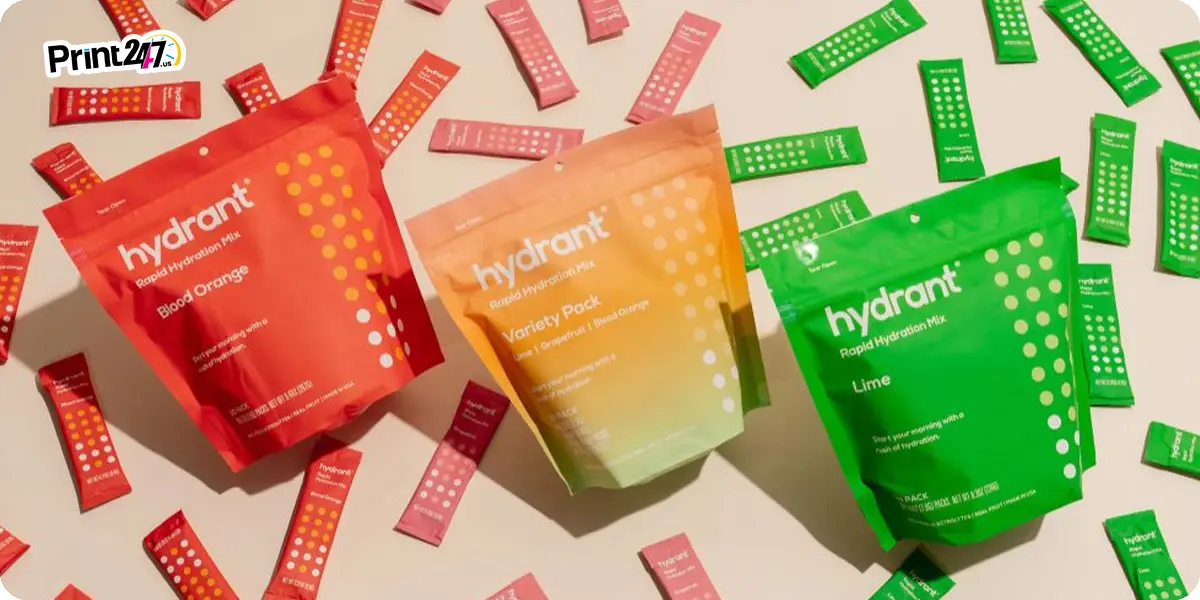
Stand-up pouches and flat bottom pouches are different in structure, stability and branding space. Stand-up pouches use a round or oval gusset at the bottom and they are best suited for lightweight products. Flat bottom pouches have a box-style base with a side gusset. They are more rigid and give extra space for graphics.
If you are a packaging buyer or operations manager, choosing between a stand-up pouch and flat bottom pouch can feel confusing. Both look modern, both reduce shipping weight, and both support bold printing. Yet they behave very differently once they behave very differently once they are filled and placed on a retail shelf.
With this blog, you'll learn about pouch structure, shelf presence, filling efficiency, and cost to choose the right pouch for your product line. We will look at real packaging needs such as storage capacity, stability in display, and branding space. By the end, you will know exactly when a stand-up pouch is enough and when a flat bottom pouch gives your brand a clear edge in the store aisle.
Key Takeaways
Stand-up pouches use a bottom gusset that opens out into a rounded base.
Flat bottom pouches use a box-style base plus side gussets for higher fill volume.
Flat bottom styles give more front, back, and side panels for graphics and claims.
Stand-up pouches are generally more economically priced for light, fast-moving items.
Flat bottom pouches are better for premium, heavy, or high-volume products.
Your choice should balance product weight, shelf impact, and packaging budget.
What is a Stand Up Pouch?
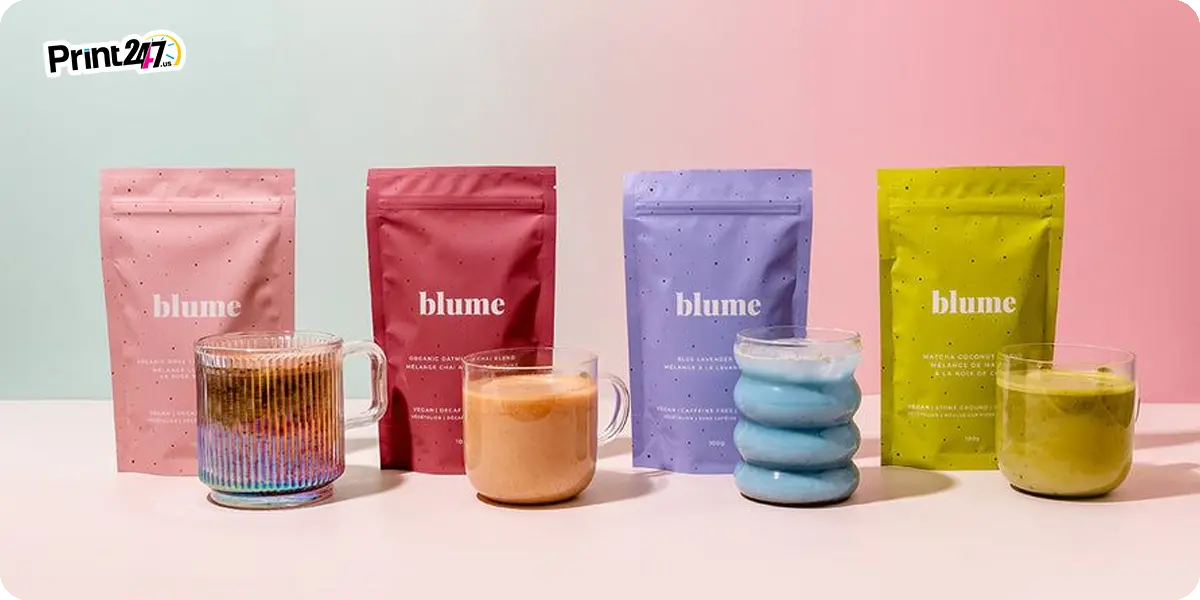
A stand-up pouch is a flexible pouch that forms a stable base when the bottom gusset opens under product weight. Brands use them to pack snacks, coffee, pet treats, powders, and some other dry items. Stand up pouch packaging helps brands cut rigid plastic or glass, lower shipping costs, and use high-impact full-color printing on a flexible surface.
Structure of a Stand Up Pouch
A typical stand-up pouch has three main parts. These parts include the front panel, back panel, and a bottom gusset. When empty, the pouch lies flat. As you fill it, the gusset opens and forms a rounded or oval base, so the pouch can stand on its own.
If you want, you can add zippers, tear notches, hang holes, or degassing valves for coffee. The majority of mylar pouches are made from laminated films, such as PET/PE or foil/PE. It provides barrier defense against moisture, oxygen, and light. It is a good structure for lighter products whose bases do not have to carry extreme loads.
Common Uses of Stand Up Pouches
Stand-up pouches are widely used in food, pet, and household products. You will see them in nuts, trail mix, candies, jerky, powdered drink mixes, spices, and even detergents or bath salts. For many brands, the flat bottom bag vs stand up pouch decision starts here, since stand-up styles are already so common and affordable.
Additionally, they are ideal for promotional sizes and seasonal flavors since minimums are lower. Buyers often perform A/B comparison tests with stand-up pouches before upgrading to a more premium pouch.
What is a Flat Bottom Pouch?
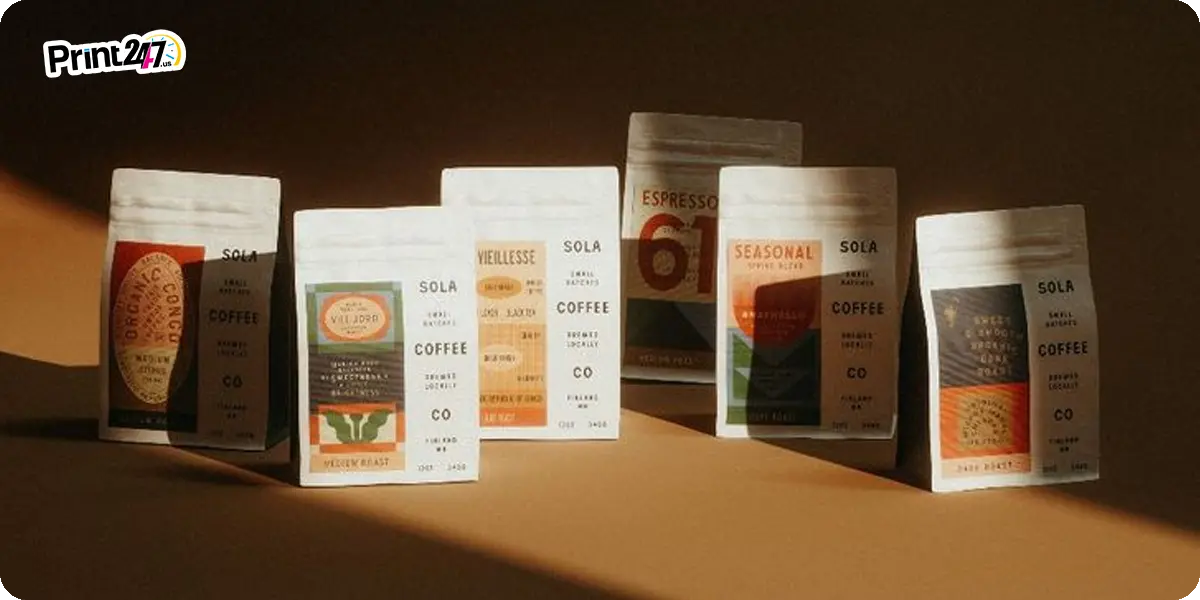
A flat bottom pouch is often called a box pouch. Upon filling, the container looks and operates like a mini box. With a flat, square or rectangular base and neatly folded side gussets, it can be folded in any direction. Most brands use this structure for premium or heavier items, as it creates a more rigid and "carton-like" feel.
Structure of a Flat Bottom Pouch
The flat bottom pouch has five panels. They include front, back, two side gussets, and a flat base. This is why many people compare box pouch vs doypack when they start upgrading their packaging. The base is fully flat and squared, which spreads the load across a larger footprint.
This style often uses high-barrier films, sometimes with paper laminates for a natural look. Zippers, pocket zippers, tear notches, and top handles are easy to add. Because of the side gussets and base, you get a much more printable area without going to a rigid box.
Common Uses of Flat Bottom Pouches
Flat bottom pouches are popular for coffee, premium pet food, powdered supplements, dry foods sold in larger sizes, and high-end snacks. They are a smart option when you need more capacity than a standard doypack, but still need flexible packaging.
The key differences between gusseted pouches and flat bottom pouches are: flat bottom pouches can handle higher fill weights, display higher density information on shelf, and support multiple panels.
What is the Key Difference Between Stand Up Pouch vs Flat Bottom Pouch?
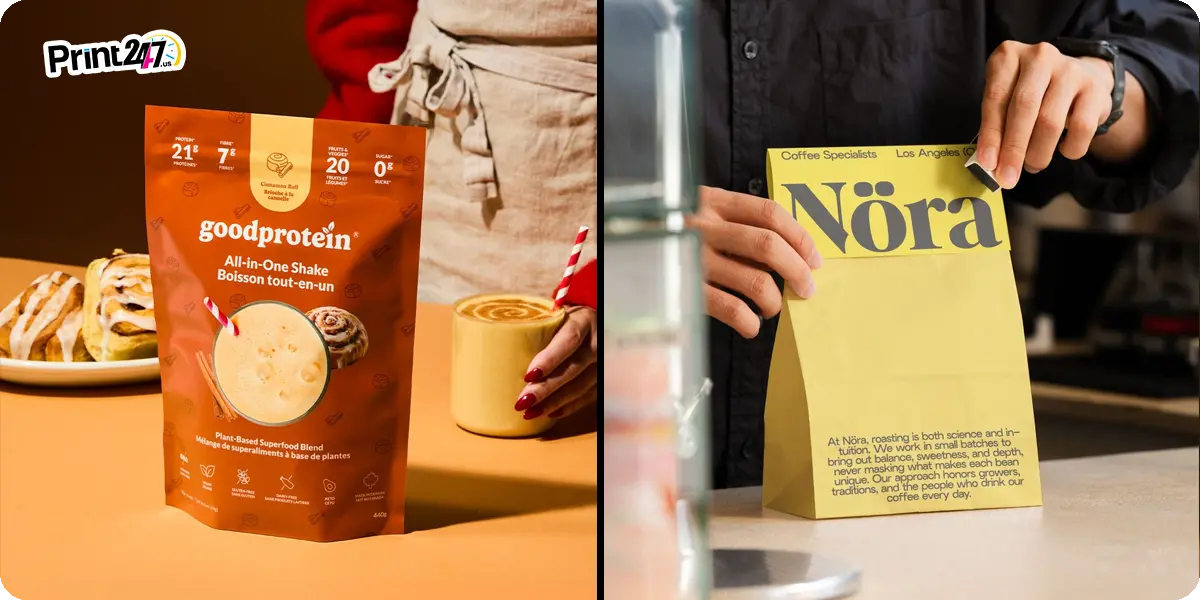
Whether its stand up pouch or flat bottom pouch, both pouch types belong to the same family of flexible packaging. They perform very differently in real operations. You should consider the bottom design of flat bottom pouches vs. stand-up pouches, filling efficiency, storage, branding, and cost.
You should consider these points more than looks alone when making your decision.
Comparison Table: Stand-Up Pouch vs Flat Bottom Pouch
Feature | Stand-Up Pouch | Flat Bottom Pouch |
Bottom style | Rounded or “doypack” gusset | Flat, box-style base with side gussets |
Shelf stability | Good for light to medium weights | Very stable, ideal for heavier products |
Storage capacity | Moderate, less volume per footprint | Higher volume in same shelf width |
Branding / print area | Front and back panels mainly | Front, back, and two full side panels |
Material usage | Lower film usage | Slightly higher film usage |
Typical cost per unit | Lower | Higher than stand-up pouch |
Ideal for | Snacks, samples, smaller sizes | Premium lines, bulk sizes, heavy items |
Bottom Structure
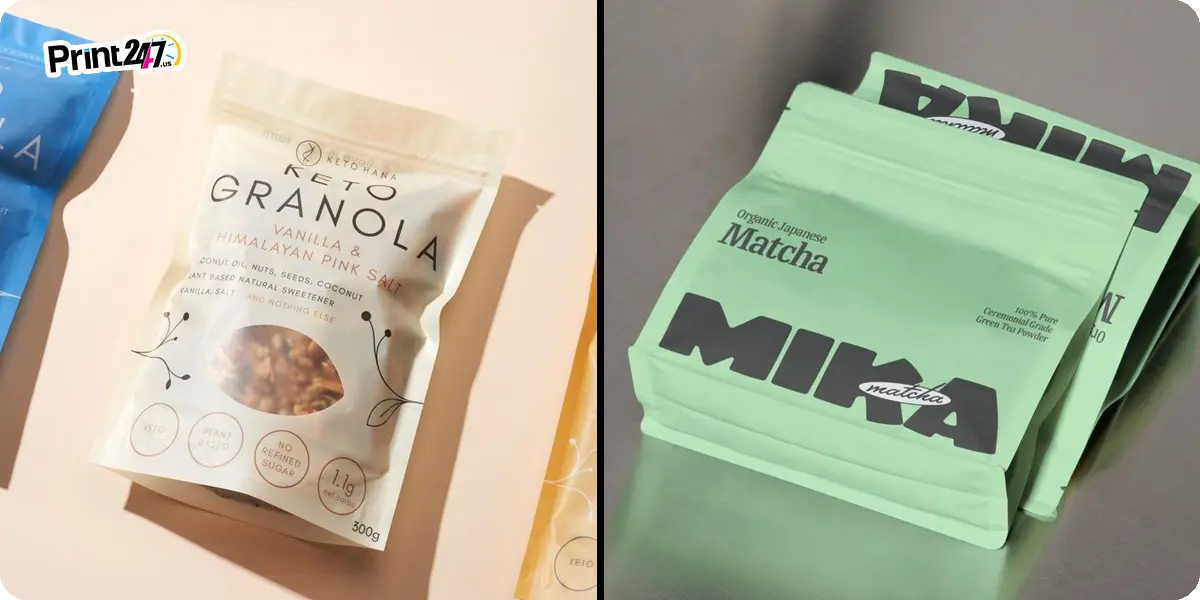
Stand-up pouches have a different bottom structure than flat bottom pouches. Stand-up pouches use a “doypack” style gusset that opens into a curved base. Suitable for lighter products that don't push the pouch out of shape, this design is simple, cost-effective, and works well for lighter products.
There are four corners on the flat bottom pouch, similar to the corners on a carton. This structure spreads weight more evenly and lets the pouch stand very straight. It looks neat in rows, which is why many retailers prefer it for crowded shelves.
Shelf Stability
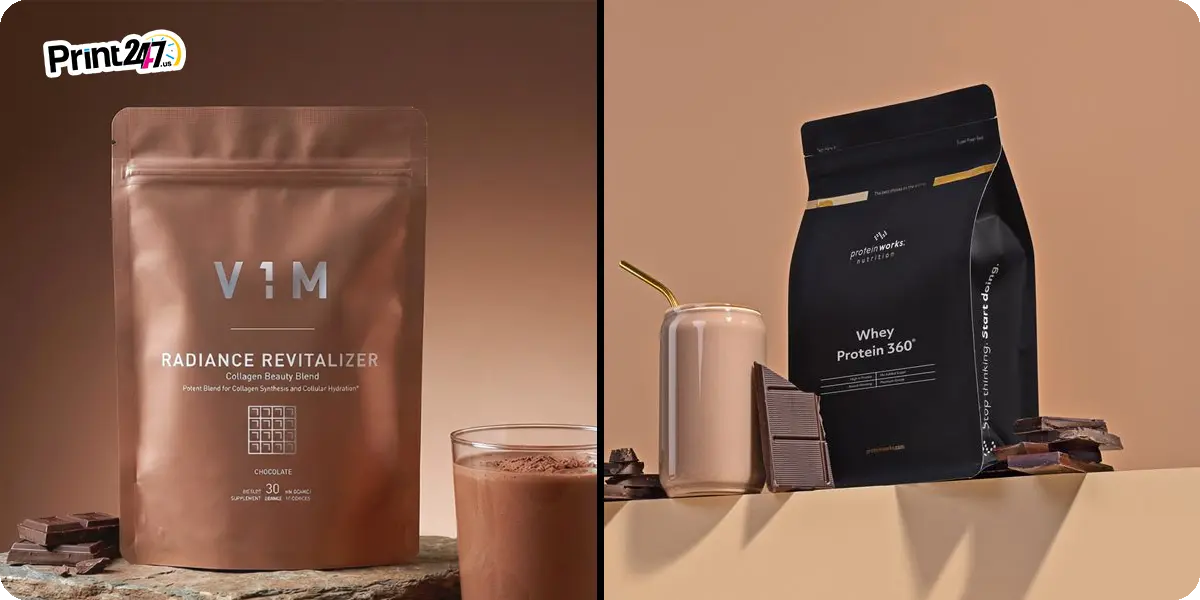
Any pouch packaging comparison must take shelf stability into account. Generally, stand-up pouches are stable when handled by a shopper, but particularly tall or heavy pouches may lean or wobble. It might result in messy shelves and more staff time spent facing.
Flat bottom pouches behave more like mini boxes. The wide base and side gussets give them extra support, so even heavy coffee beans or pet food stay upright. When positioned at eye level or in busy aisles, this stable stance can improve the overall shelf display of your brand block.
Storage Capacity
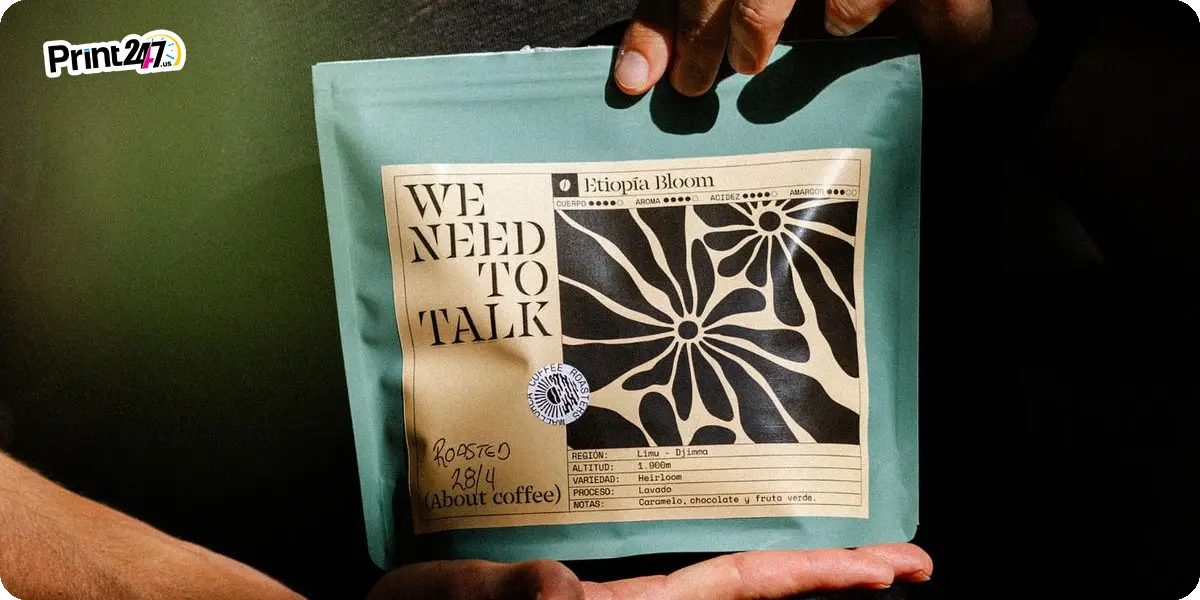
In comparisons between flat bottom bags and stand-up pouches, capacity often becomes the deciding factor. Flat bottom pouches usually hold more product in the same shelf width because of their squared shape and use of side gussets. This helps reduce the number of units on the line, which can help with case packing and pallet layout.
The stand-up pouch is the best option for fills that are smaller or lighter. In most cases, trial sizes, snack packs, and single-serve blends have enough capacity, and your cost per unit is kept low by the lower film usage.
Branding and Printing Space
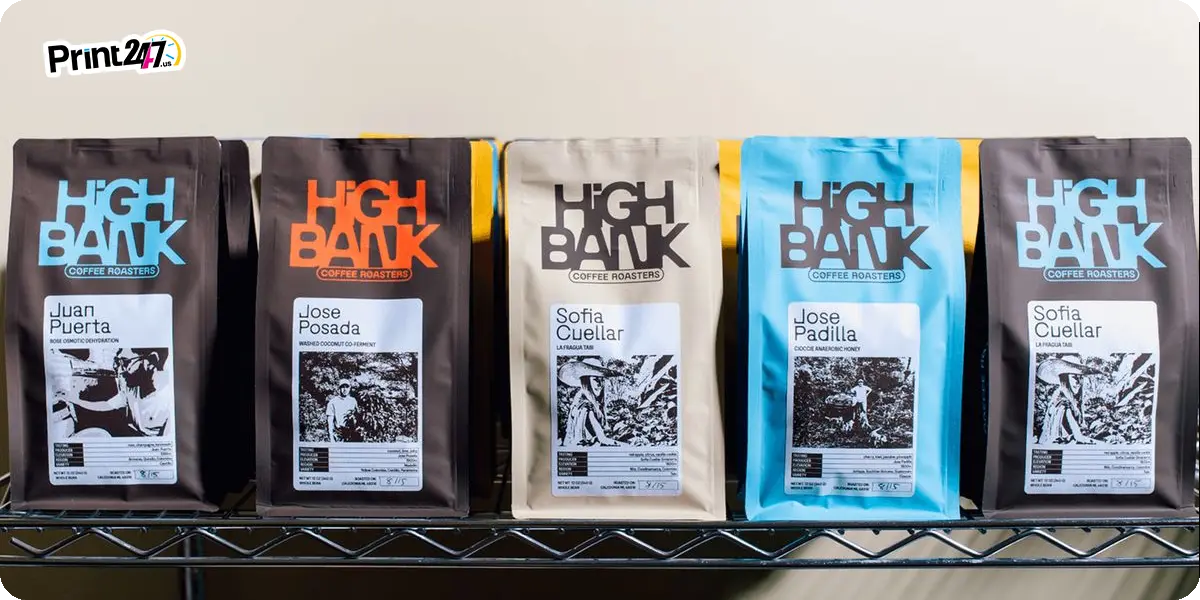
With a flat bottom pouch, you get more branding space. The pouch has a front, back, four large side panels, plus the top. Using this method, you can display origin, process story, icons, certifications, and usage directions without crowding the screen.
Stand-up pouches focus most messaging on the front and back. For many brands this is enough, especially with bold color and a clear product name. If your marketing team wants side stories, flavor families, QR codes, and cross-sell messages, a flat bottom pouch layout will feel more flexible.
Cost Difference
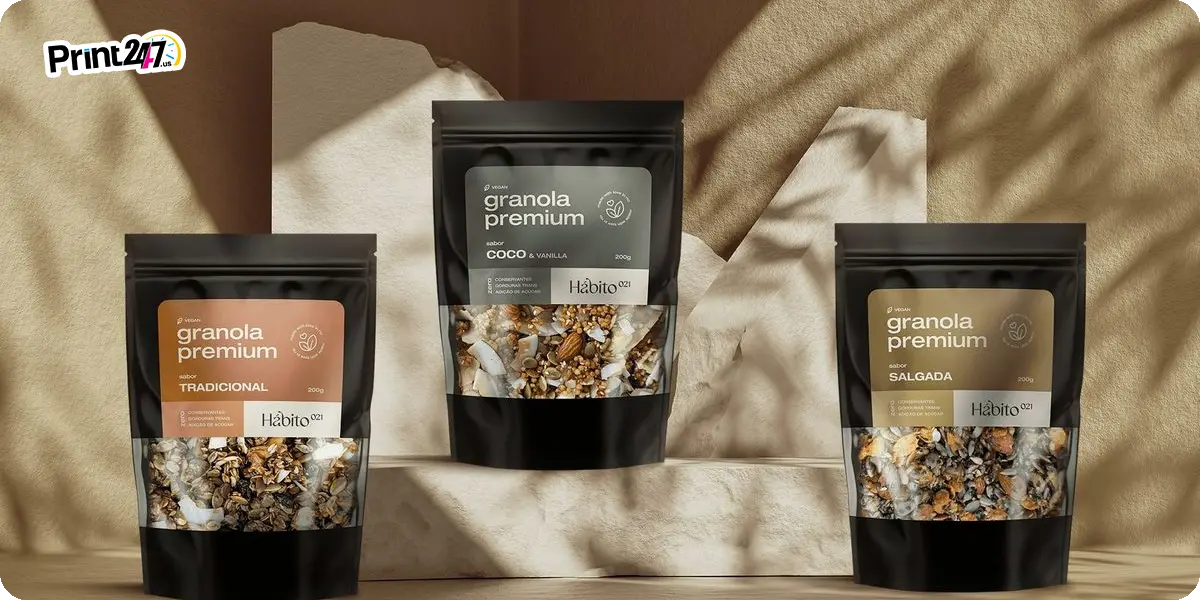
The cost of a product or service is often the end point of B2B discussions. There is usually less material waste with stand-up pouches, which results in a lower cost per unit of base material. These pouches have simple tooling, and many co-packers already use them, which could reduce changeover costs.
Flat bottom pouches do cost more in material and sometimes in forming and filling equipment. However, they can reduce the need for outer cartons and can support higher price points for premium lines. In some cases, the extra margin from a premium look more than covers the packaging cost gap.
What Are Advantages of Stand Up Pouches?
Stand-up pouches bring a strong mix of cost control and visual impact, which is why many brands start with this format.
Lower material usage compared to many box-style options
Often lower price per unit at medium to high volumes
Works on many existing form-fill-seal or premade pouch lines
Great for snacks, treats, and lighter dry goods
Space-saving in storage and during transport
Easy to add zippers, notches, spouts, and hang holes
Advantages of Flat Bottom Pouches
Flat bottom pouches are a strong choice when you want a box-like look without moving to rigid packaging.
Very stable on shelf, even with heavier fills
Higher capacity in similar shelf space
Extra side panels for branding and regulatory info
Reduces the need to fold cartons separately
Strong fit for warehouse club packs and larger formats
When Should You Choose a Stand Up Pouch?
Choose a stand-up pouch when you need a modern look at a sharp cost. If your products are light to medium weight, such as snacks, nuts, powdered blends, small pet treats, or refills, this format will likely meet your needs. It is ideal when you plan frequent flavor changes or seasonal runs because artwork and plate changes are easier to manage.
Considering how stand-up pouches fit into small shipping boxes and can stand in stores, they are perfect for brands that sell online and offline. In general, stand-up pouches are the best choice if you want to balance shelf presence and budget.
Conclusion
The decision between a stand-up pouch and a flat bottom pouch might not be based on trend, but rather on the product weight, shelf space, and brand story. A stand-up pouch is an ideal option for snacks and lighter items because it is flexible and cost-effective. Flat bottom pouches step in when you need higher capacity, stronger shelf presence, and more room for messaging.
Whether you need quality print, strong materials, or business-friendly service, Print247 is the right partner for you. Our packages include free design assistance, quick production, eco-friendly materials, fast nationwide delivery, and even physical samples so you can review packaging before full rollout.
Get a Quick Quote

More Articles
 Bill ‘Hogg’ Ryan
5 Mushroom Supplement Packaging Ideas That Stand Out in a Crowded Market
 Bill ‘Hogg’ Ryan
Are Electrolyte Stick Packs Better Than Tubs for Your Brand?
 Bill ‘Hogg’ Ryan