


Carefully selected materials that deliver exceptional print quality, durability, and shelf presence.


 New




12 Types of Packaging Materials With Examples and Best Uses
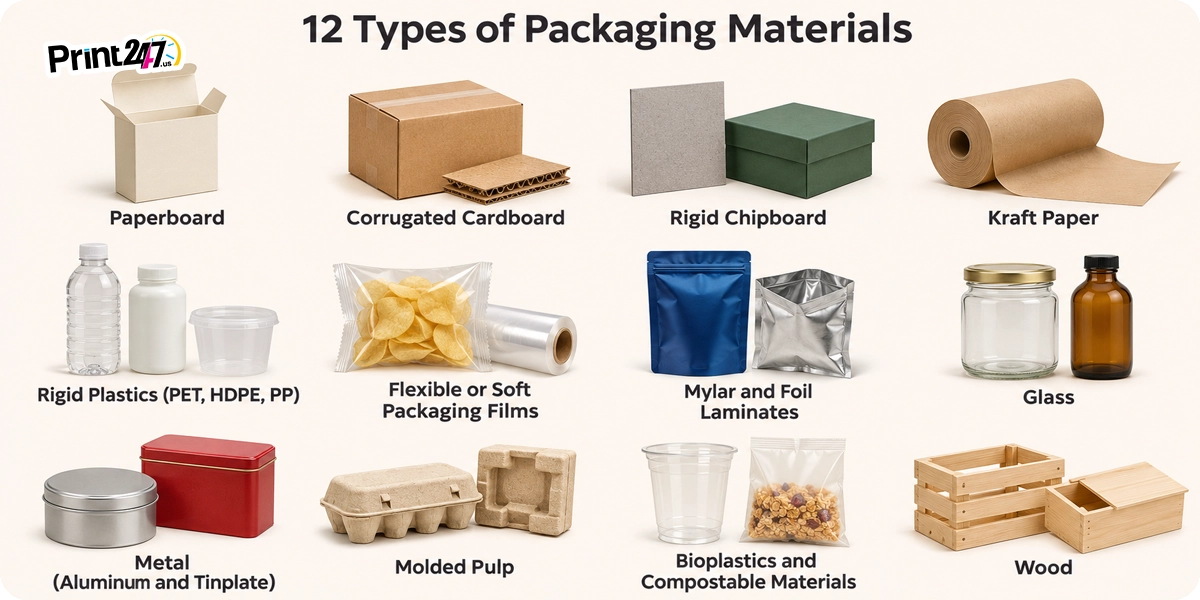
The right packaging material choice depends heavily on what you are going to pack. It’s one of the critical decisions a business owner makes in his life. These are the materials that are going to affect everything from costs to customers' perception.
Choosing the wrong material for your product packaging is one of the most costly mistakes you will ever make. Generally a business owner doesn’t notice it until the bill hits the desk. The material choice dictates whether the customer perceives your product as premium or cheap in three seconds.
The best practice to protect your product and ship it safely to end customers is matching the material with your product type. If you’re new in this field then it would be better to consult with packaging experts at Print247 for better guidance. Tell us the weight, the fragility and where it ships, and our team will recommend the material.
What Are Packaging Materials?
Packaging materials are the physical substances used to make the boxes and inserts. These items hold, protect and present a product.
Each packaging material has four basic jobs:
Contain: keep the product together.
Protect: guard against drops, crushing and abrasion.
Preserve: keep oxygen, light and humidity out so shelf life holds.
Communicate: carry your brand, product details and required labels.
Among all the types of packaging materials out there, none is best at all four. Choosing the right product depends on its contents, its routing, and where it lands. A gummy stored in a humid Houston warehouse needs a packaging made of different material than a candle shipped to dry Arizona.
12 Common Types of Packaging Materials and Their Best Uses
In the vast array of packaging materials, finding the best one can feel challenging. We have compiled a list of 12 top materials used for manufacturing packaging. These materials range from traditional paper and cardstocks to rigid plastics, glass, metals, and modern sustainable alternatives.
Here are the main material characteristics, its applications, and an honest assessment of its principal advantages and drawbacks.
1. Paperboard
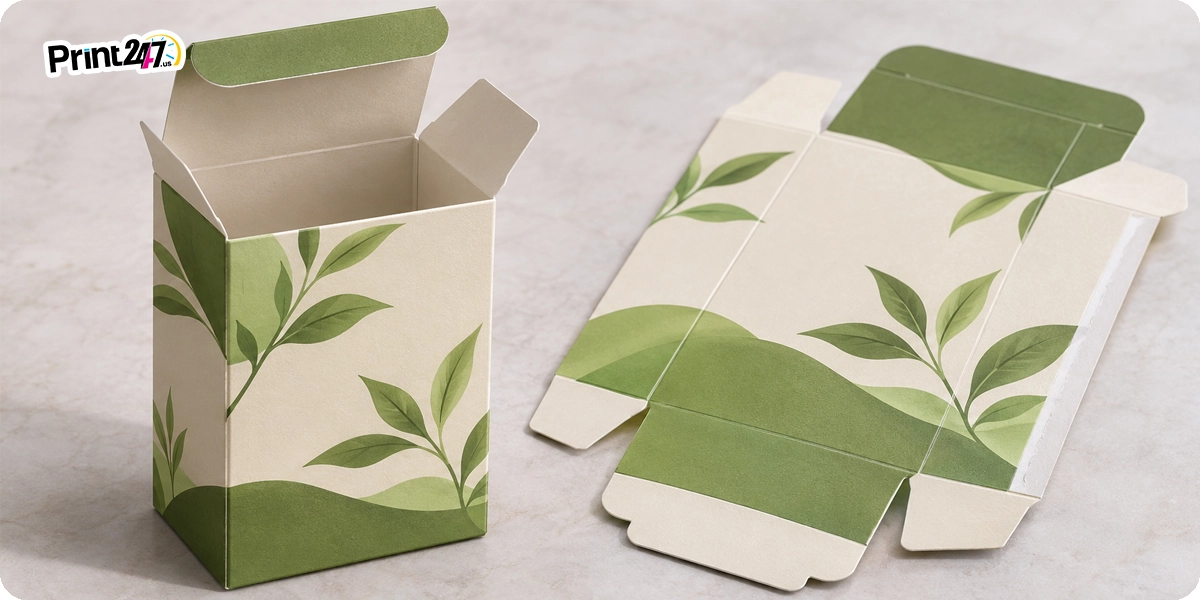
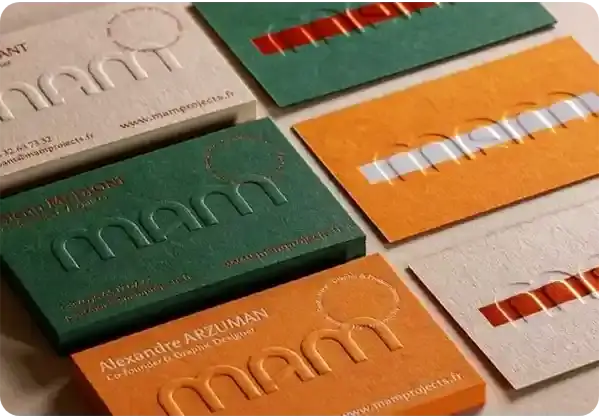
Paperboard is thick and stiff paper that folds cleanly and prints sharply. Its three main grades are solid bleached sulfate (SBS) for bright white graphics, coated unbleached kraft (CUK) for extra strength and recycled paperboard (CRB) for budget runs. Most folding cartons use 14pt to 24pt material.
Best for: product boxes, folding cartons, retail packaging
Pro: sharp printing at a light weight
Con: weak against moisture without a coating
2. Corrugated Cardboard
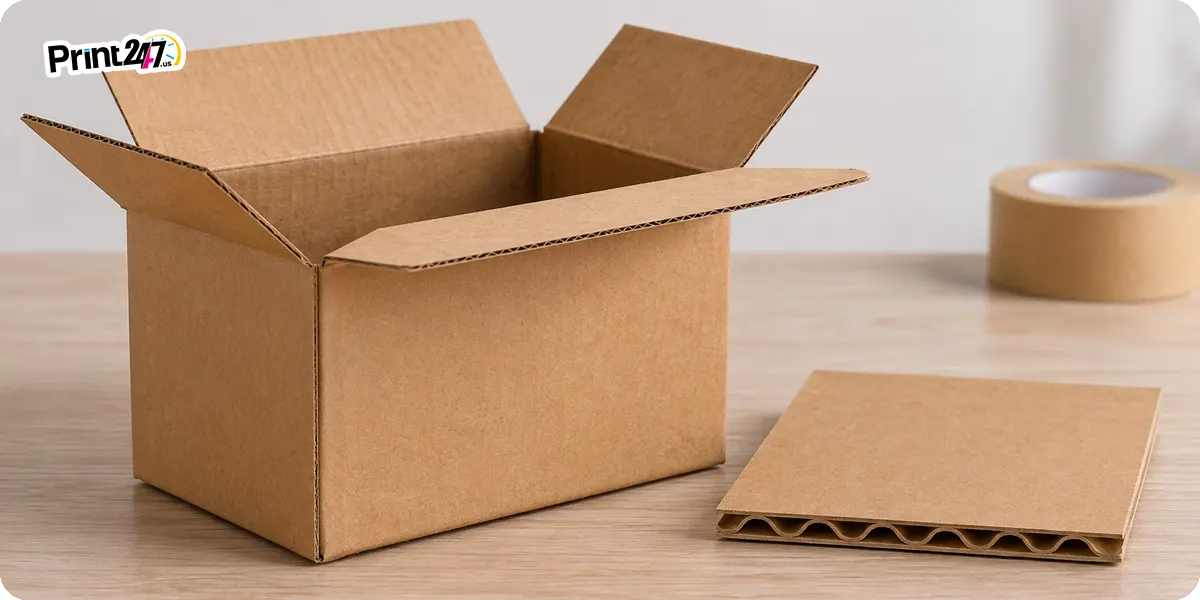
There is a wavy fluted layer between two flat liners in corrugated cardboard. This wave is primarily responsible for this material’s strength. Different flutes are used for different purposes. For example, B and C flutes handle heavy shipping. On the other hand, thinner E and F flutes are more suitable for printing in retail.
Best for: shipping boxes, mailer boxes, retail displays
Pro: excellent crush strength
Con: bulky for small, light products
3. Rigid Chipboard
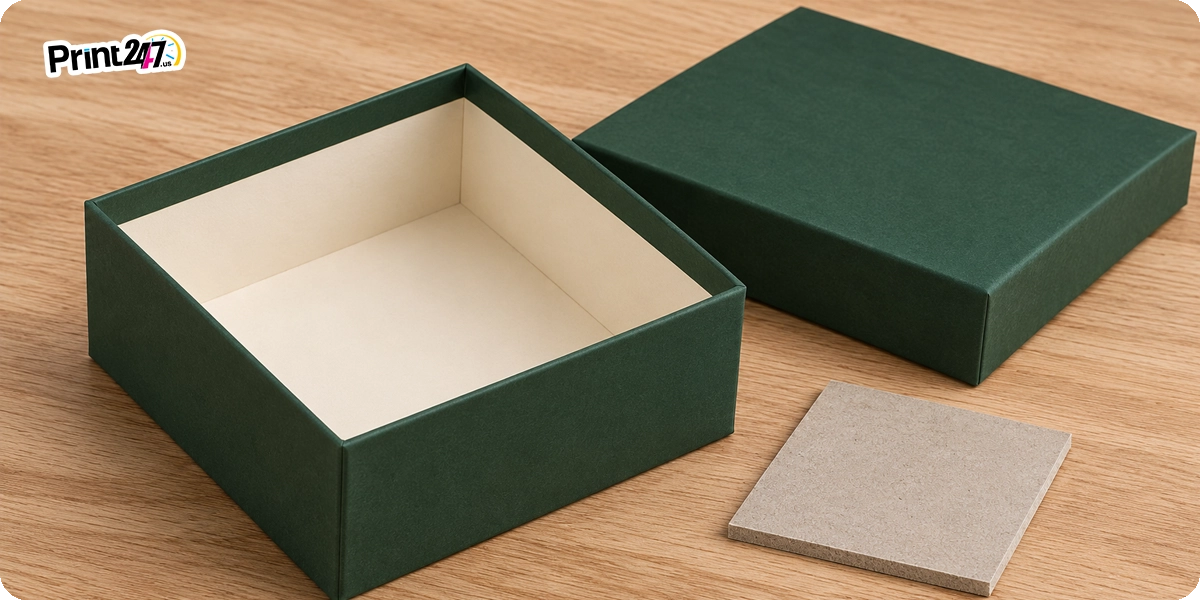
A rigid chipboard is a thick material that doesn't easily fold. It gets wrapped in printed paper to make setup boxes. It's often three to five times thicker than standard paperboard. It is precisely because of that extra weight that rigid boxes feel expensive in the hand.
Best for: luxury goods, gift sets, electronics
Pro: premium unboxing experience
Con: higher cost, and boxes ship and store fully built
4. Kraft Paper
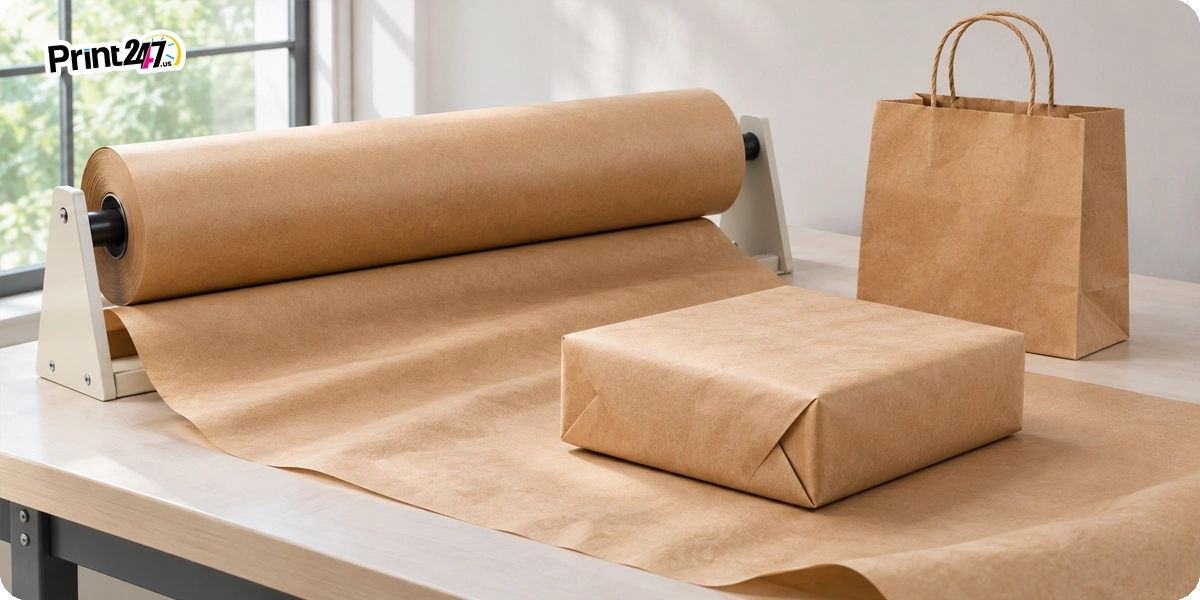
Kraft paper is unbleached paper with that distinctive natural look. Organic food brands and handmade goods lean on this type of packaging material. The reason is that the material itself tells shoppers the brand cares about the environment.
Best for: bags, wraps, natural-look boxes and recyclable pouches
Pro: recyclable with a clear eco look
Con: bright colors print duller on brown stock
5. Rigid Plastics (PET, HDPE, PP)
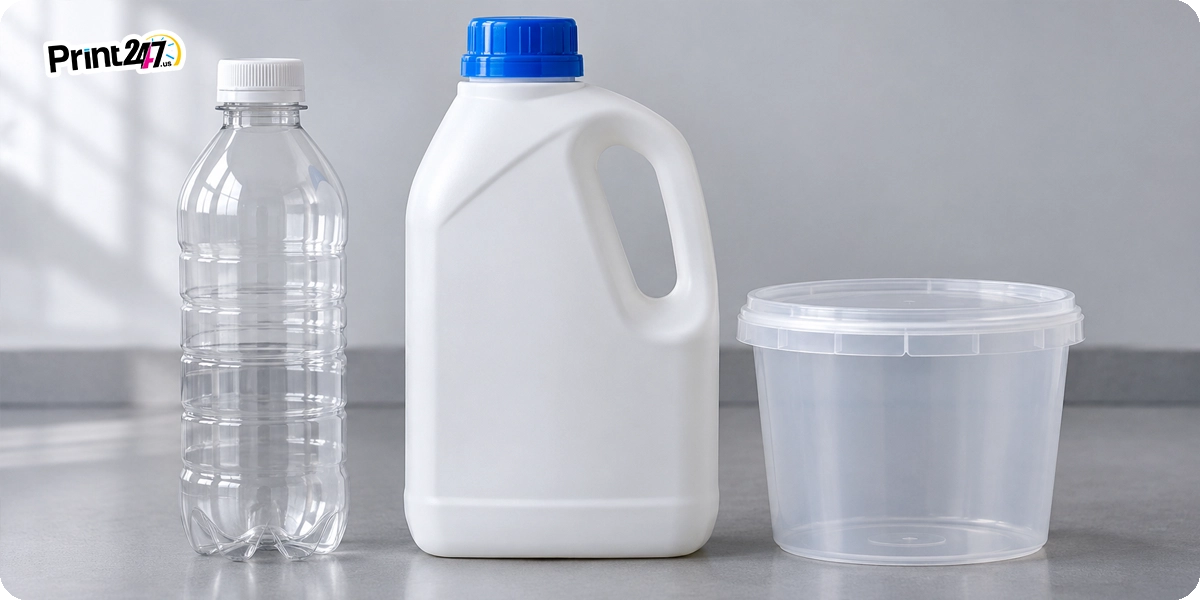
Three resins do most of the heavy lifting. The first one is PET. It is a crystal clear material used for bottles and jars. The second one is HDPE. This is one tough and opaque type of material used for supplement bottles. Polypropylene or PP handles heat. You'll find it in caps and food tubs.
Best for: bottles, jars, clamshells, blister packs
Pro: clear, light and shatter-resistant
Con: recycling access varies by resin and city
6. Flexible or Soft Packaging Films
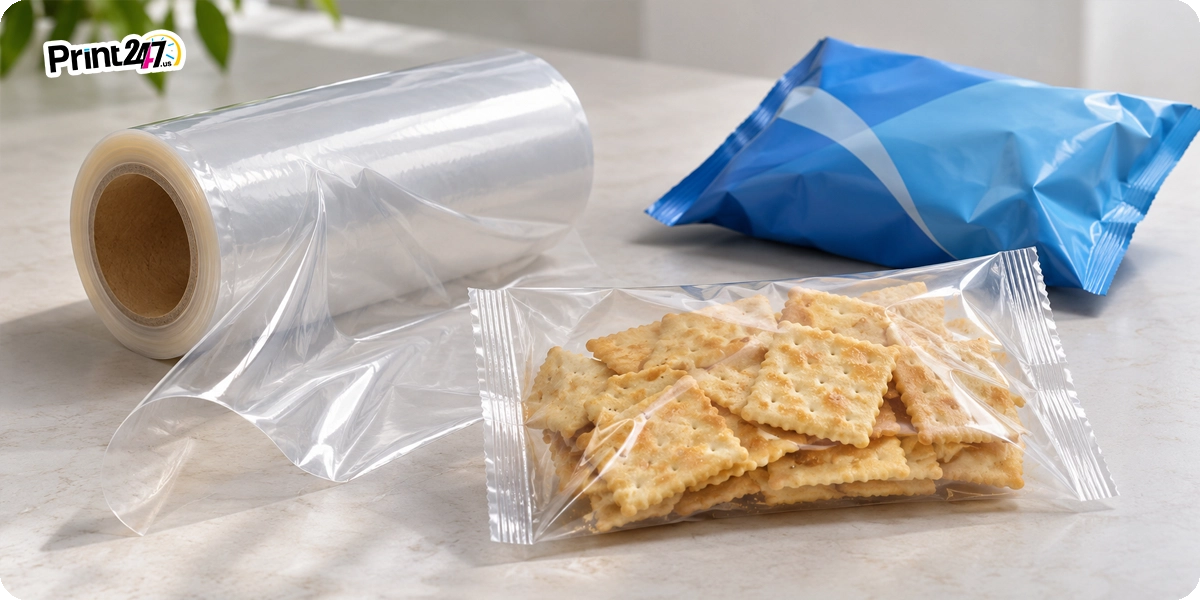
Flexible or soft packaging materials are thin plastic films like LDPE and BOPP that bend around the product. A stand up pouch holds the same amount as a rigid jar at a fraction of the weight, which trims freight on every single shipment.
Best for: pouches, wraps, shrink film, stretch film
Pro: low weight and low shipping cost
Con: little crush protection on its own
7. Mylar and Foil Laminates
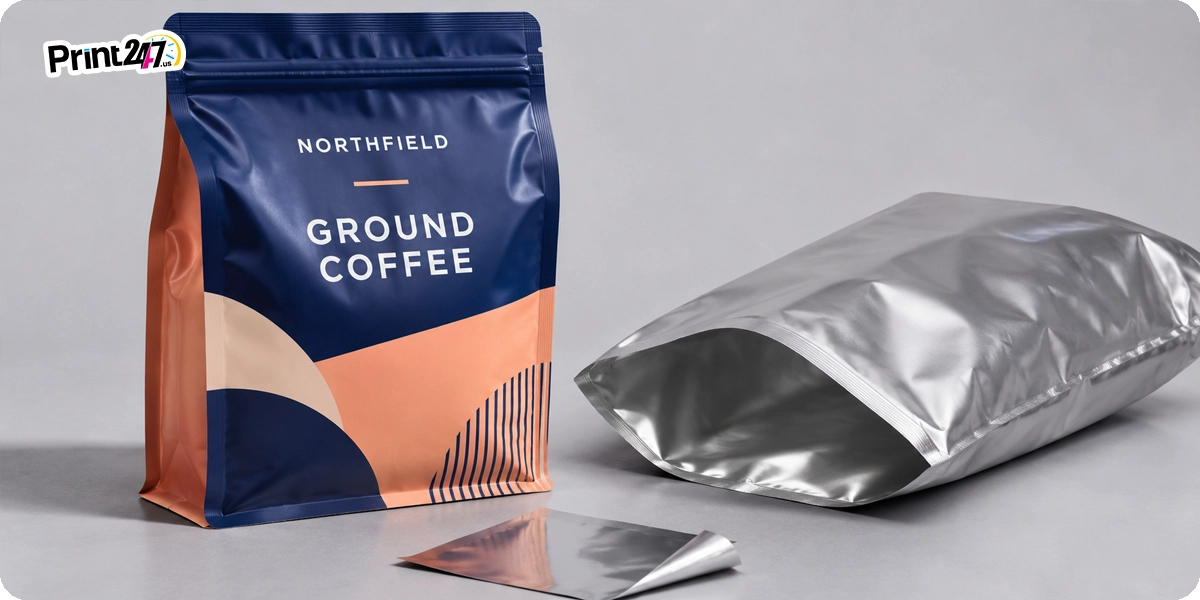
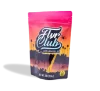
Mylar is a BoPET film. For barrier packaging it’s laminated to a metallized layer, or to aluminum foil where you need the highest barrier. Together, those layers block environmental factors like moisture and light better than almost anything else in flexible packaging. Most mylar bags run between 3.5 and 5.5 mil thick.
Best for: coffee, snacks, supplements, CBD
Pro: strong barrier properties for longer shelf life
Con: hard to recycle curbside
8. Glass
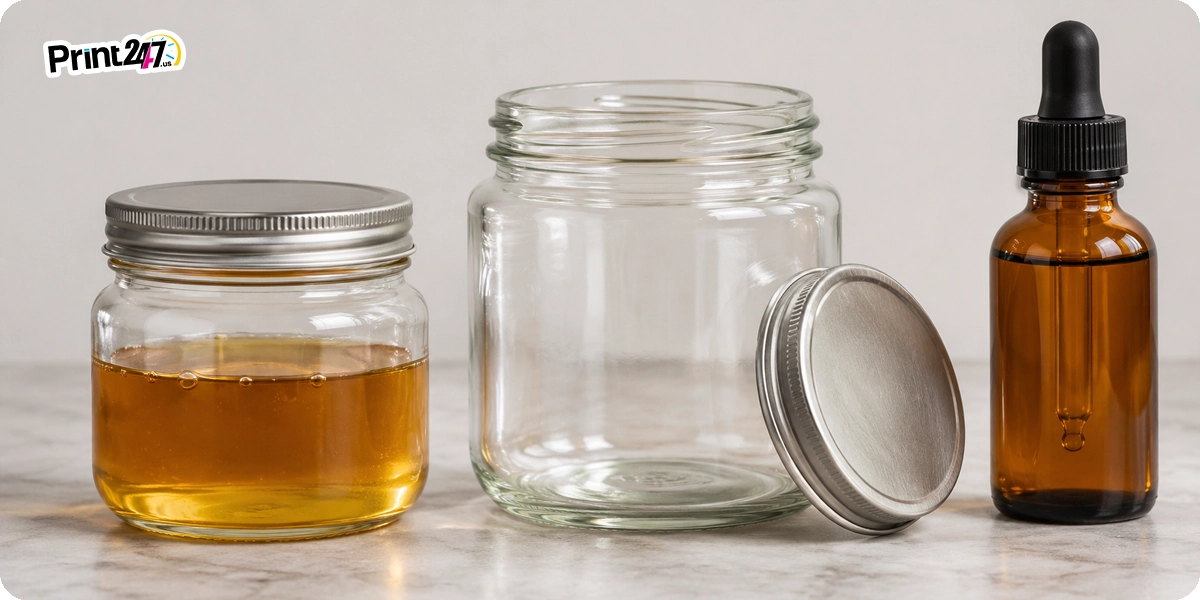
Because glass is inert and nonporous, it never alters the taste or smell of what's inside. This kind of packaging material can also be recycled endlessly without sacrificing quality. Weight plays a role in the cost of shipping a case of glass jars versus a case of plastic jars.
Best for: jars, bottles, cosmetics, beverages
Pro: protects flavor and feels premium
Con: heavy and fragile in transit
9. Metal (Aluminum and Tinplate)
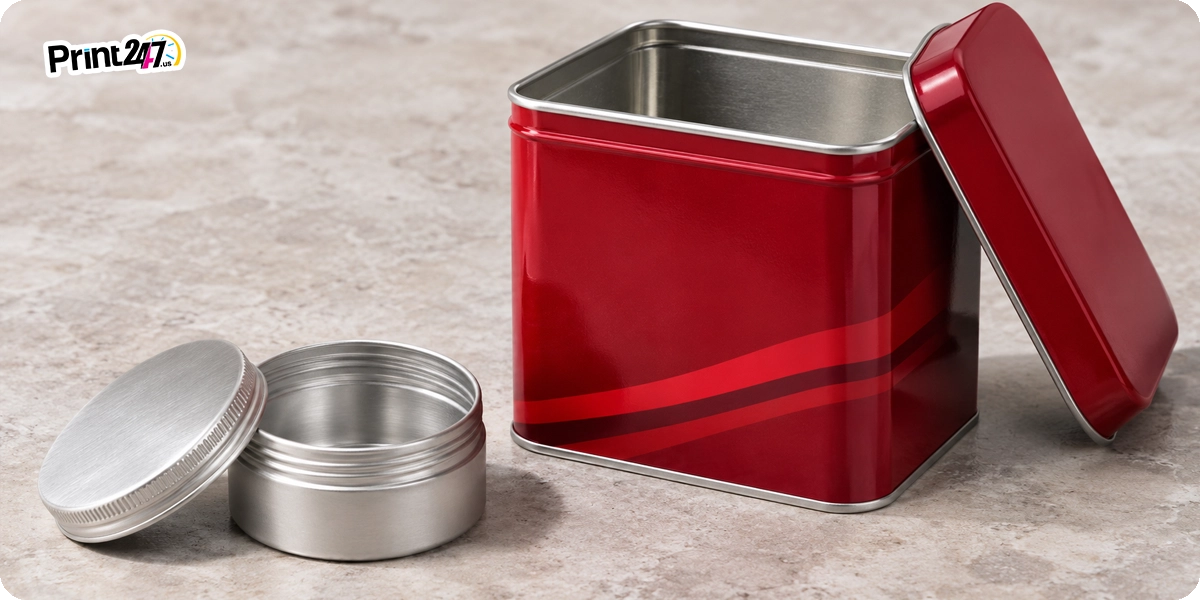
Metal packaging consists of aluminum cans, foil, tinplate tins, and aerosol containers. Aluminum blocks light and oxygen completely. It is one of the most recycled types of materials in the US.
Best for: beverages, canned food, tea, candles, gift tins
Pro: total light and oxygen barrier
Con: higher unit cost on small runs
10. Molded Pulp
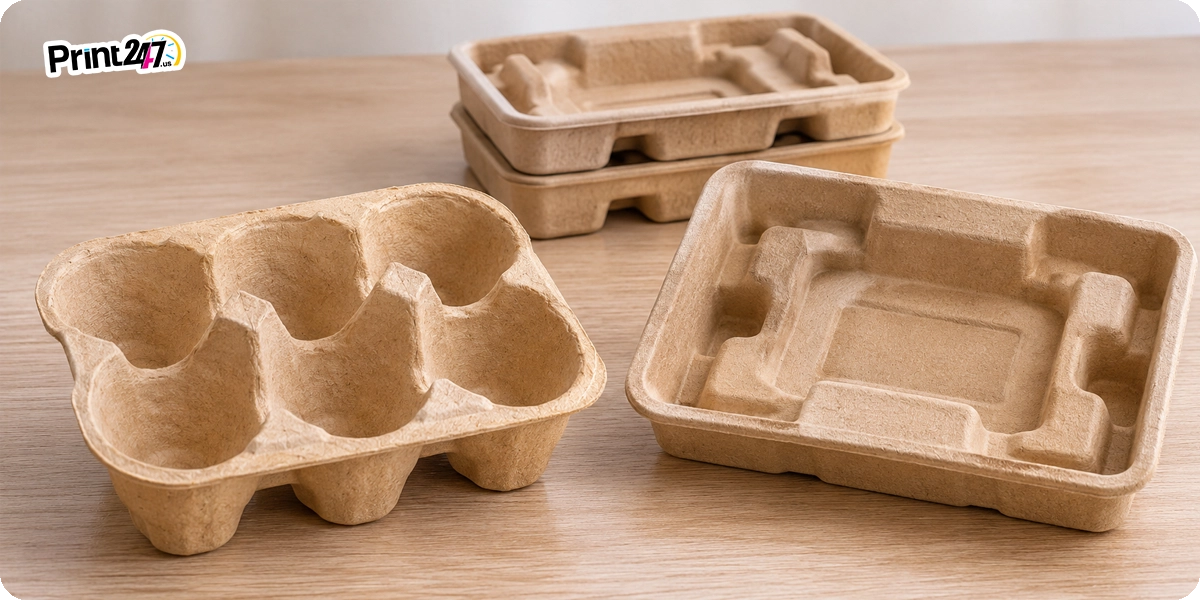
Molded pulp is recycled paper fiber pressed into custom shapes. Think egg cartons and the trays that cradle a phone in its box. Brands swap it in for foam where the drop heights allow. It’s commercially compostable and recyclable with paper, though food residue often disqualifies it curbside.
Best for: egg cartons, trays, protective inserts
Pro: compostable and recyclable
Con: rough surface with limited print options
11. Bioplastics and Compostable Materials
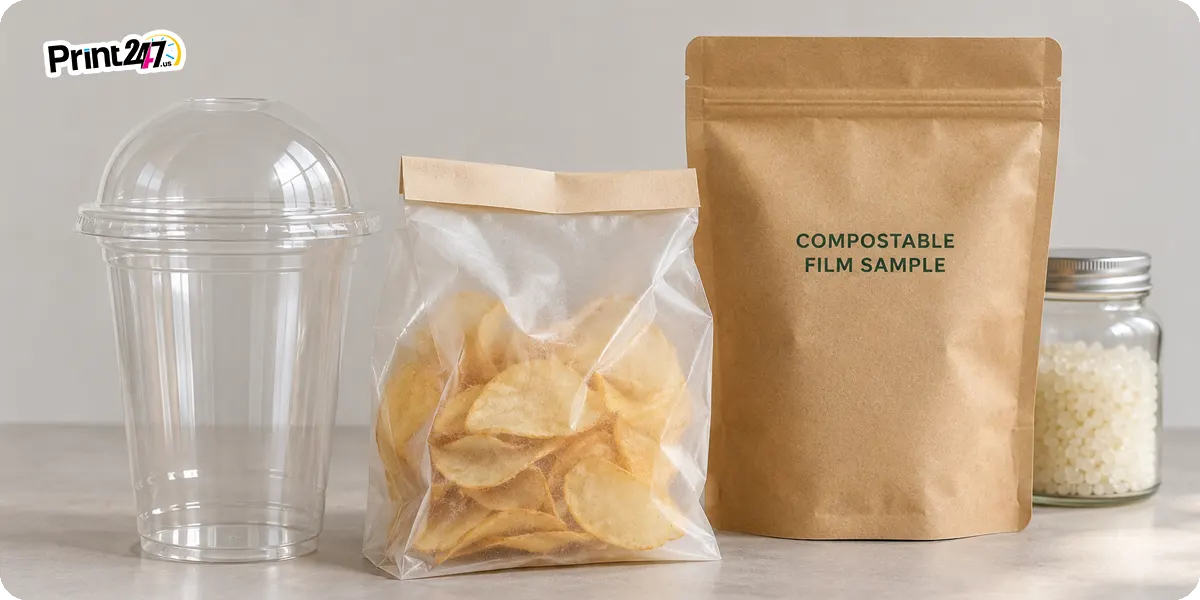
Bioplastics such as PLA, cellulose film and mushroom-based packaging come from plants instead of oil. One distinction matters here: compostable means it breaks down into soil within a set time under the right conditions, while biodegradable has no time limit at all.
Best for: food service, sustainable retail, inserts
Pro: plant based and renewable
Con: often needs an industrial compost facility
12. Wood
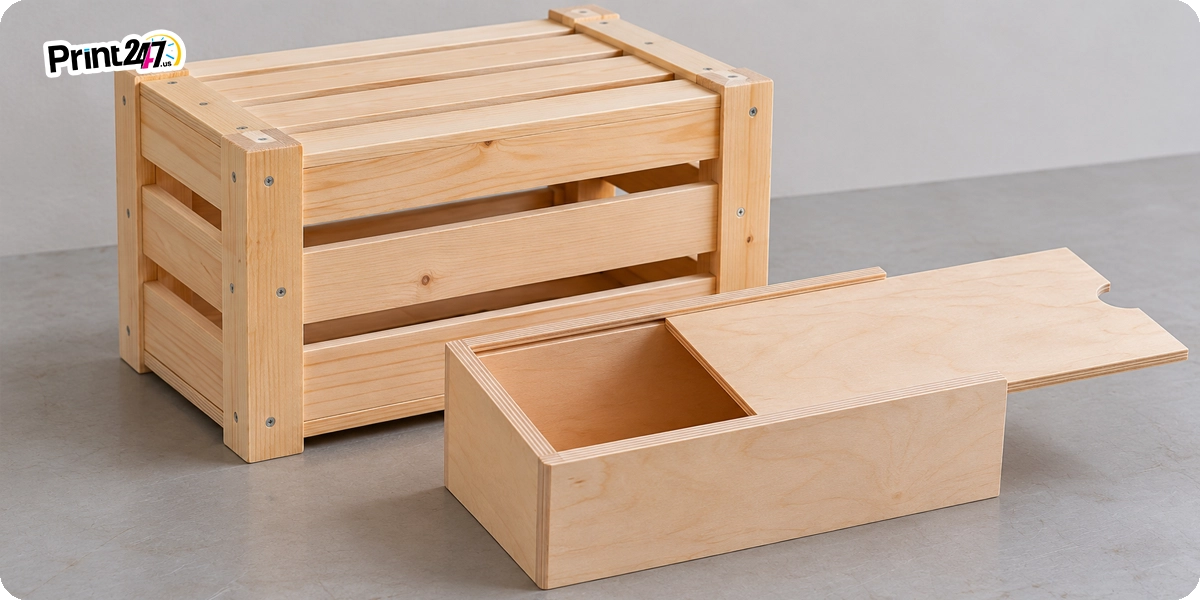
Wood is used for manufacturing premium packaging boxes for wine and spirits. It's one of the most common types of industrial packaging because it carries heavy loads and lasts for years.
Best for: heavy freight, wine and spirits, luxury gifts
Pro: very strong and reusable
Con: heavy, with export treatment rules
How to Choose the Right Packaging Material for Your Product
Run through these five questions before you request a quote. The answers narrow down the packaging material types fast.
What does my product need protection from? If moisture or light are the enemy, you need a barrier: mylar, glass or metal.
How rough is the trip? Products that are shipped through carriers need corrugated strength, not just a pretty carton.
How will it look on the shelf? When shoppers judge you in seconds, choose a material that prints sharply, such as an SBS paperboard.
What fits my budget and order size? If you want to maximize profits, match the material to the number of units you can actually sell.
What story do I want to tell? If sustainability is part of your brand, choose kinds of packaging materials that back up the claim.
Knowing the Right Types of Packaging Materials for Your Brand
Every material on this list earns its place somewhere. You should choose the one that best fits your product. Don't take any chances with what's inside, stay within your budget, and look like the brand you're building. Do that, and packaging stops being a cost line and starts doing real work for you. The best material isn't the most expensive one. It's the one built for your product and the road it travels.
FAQs
What are the 4 main types of packaging materials?
The 4 main types of packaging materials are paperboard, plastic, glass and metal. A store shelf almost always contains one of these four materials.
What are the 7 types of packaging materials?
Seven common types are paperboard, corrugated cardboard, rigid plastic, flexible film, glass, metal and molded pulp. Together they cover most retail, food and shipping needs for US businesses of any size.
What is the most eco friendly packaging material?
Recycled paper based materials such as kraft, recycled paperboard and molded pulp are the most eco friendly choice for most brands.
What is the cheapest packaging material for small businesses?
Flexible films and stock corrugated mailers usually cost the least per unit. A poly pouch uses very little material, and standard corrugated boxes are produced in large quantities, keeping prices low for small businesses.
Is mylar a food safe packaging material?
Yes, when it's food grade. A laminate with an FDA-compliant inner layer is used in food-safe mylar bags. Before packing anything edible, confirm the grade with your supplier.
What is the difference between packaging materials and packing materials?
Packaging materials form the container that holds and sells your product, like a box, pouch or jar. Packing materials protect it during shipping, like bubble wrap, void fill and tape, and usually get tossed after unboxing.
Get a Quick Quote

More Articles
 Bill ‘Hogg’ Ryan
Understanding the Purpose of Colored Dots on Packaging
Bill ‘Hogg’ Ryan12 Types of Packaging Materials With Examples and Best Uses
 Bill ‘Hogg’ Ryan