

Carefully selected materials that deliver exceptional print quality, durability, and shelf presence.


 New
New


Types of Business Cards by Material, Shape, and Functionality
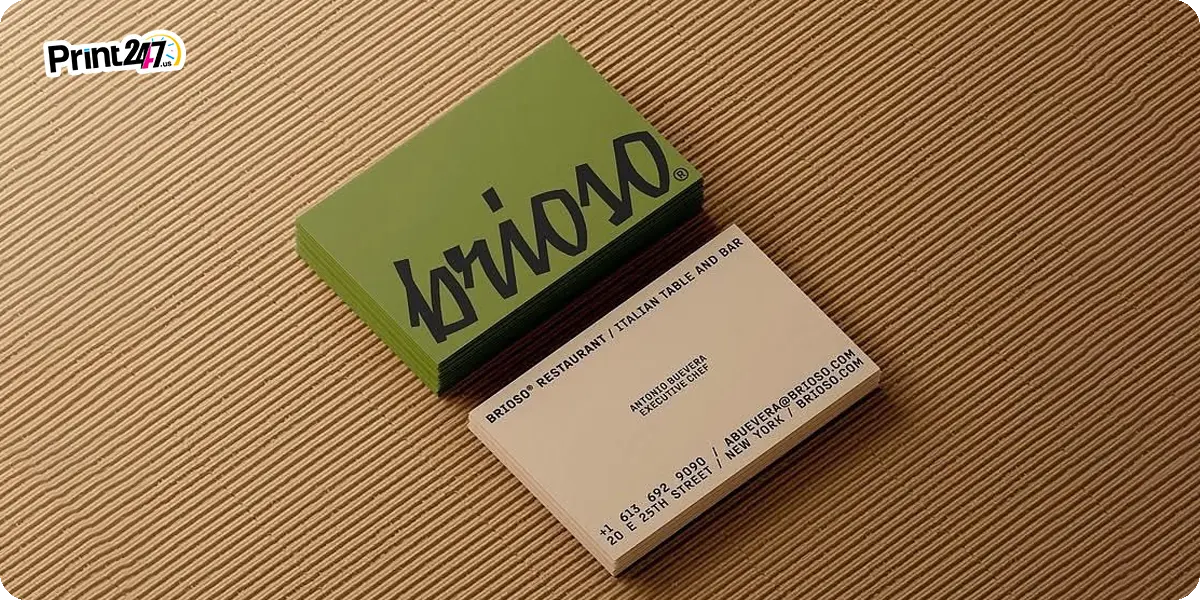
Before we look at types of business cards, we need a clear, simple answer to what is business card. For starters, you need to understand that every small or large business is unique and business cards should definitely be too.
A business card is a small printed card that carries your key contact details and brand identity. It usually shows your name, job title, company name, logo, and ways to contact you like phone, email, website, or QR code.
Even in 2026, business cards are still one of the fastest ways to share your information in a meeting or event. They work with everything from classic paper cards to modern NFC and QR‑linked digital cards.
In fact, the most effective types of business cards are expertly designed to spark a specific action or outcome. While a caterer’s card might have a QR code that leads to an online menu and prompts a new customer to place a digital order, whereas a hair stylist’s business card might instead feature loyalty rewards or next appointment scheduling.
The global market size of business cards was valued at 0.2 Billion US dollars in 2026 and is expected to reach 0.45 Billion dollars by 2035, at a CAGR of 8.81%.
There are plenty of business card types and examples that suit different kinds of industries and businesses. Let’s start to know what they are and how are they categorized and what are their uses.
Main Business Card Categories You Should Know
When people ask about business card types, they are usually talking about three main things:
Material – what the card is made from (paper, plastic, metal, wood).
Shape and format – standard rectangle, square, folded, mini, or custom shapes.
Functionality – what the card does besides showing your contact info, such as acting like a magnet, mini brochure, or loyalty card.
Once you understand these three categories, it becomes quite easy to understand different types of business cards and choose what fits your brand the best.
Types of Business Cards by Material
The material is usually the first thing that comes to mind when people search for different kinds of visiting cards for their respective businesses.
Paper and cardstock (basic business cards)
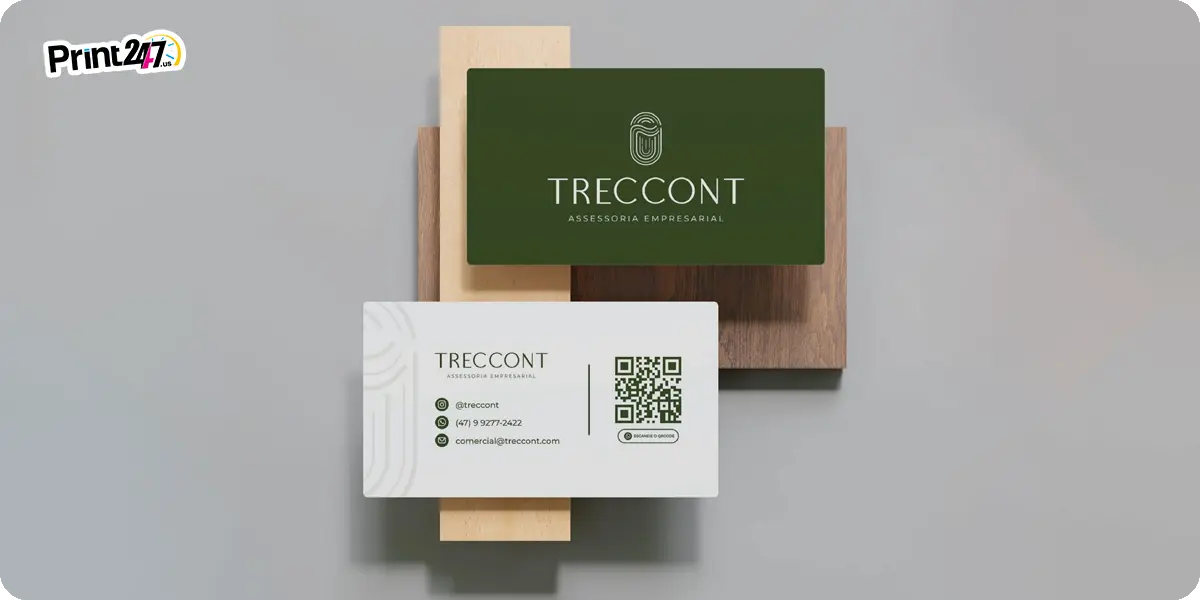
The most common and affordable option is paper or cardstock. These are what most people mean when they say basic business cards.
Popular paper‑based business card options include:
Standard coated art business card – smooth, good for photos and bright colors.
Matte or silk coated business cards – softer, premium look.
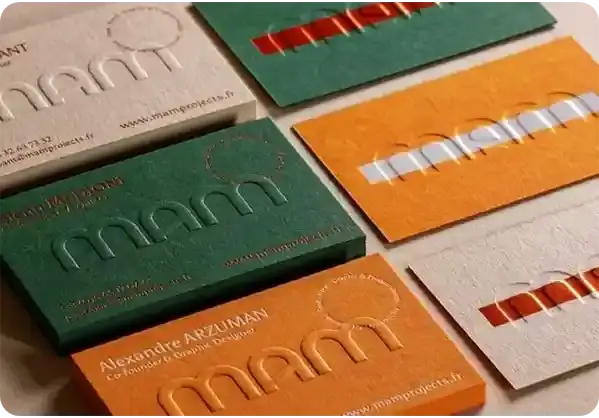
Textured paper visiting cards – linen, laid, or other textures for a tactile feel.
Recycled and Kraft business cards – eco‑friendly look with natural fibers and brown tones.
These different kinds of business cards made from paper cover most day‑to‑day needs and are ideal for large runs and budget‑friendly business cards printing.
Plastic business cards
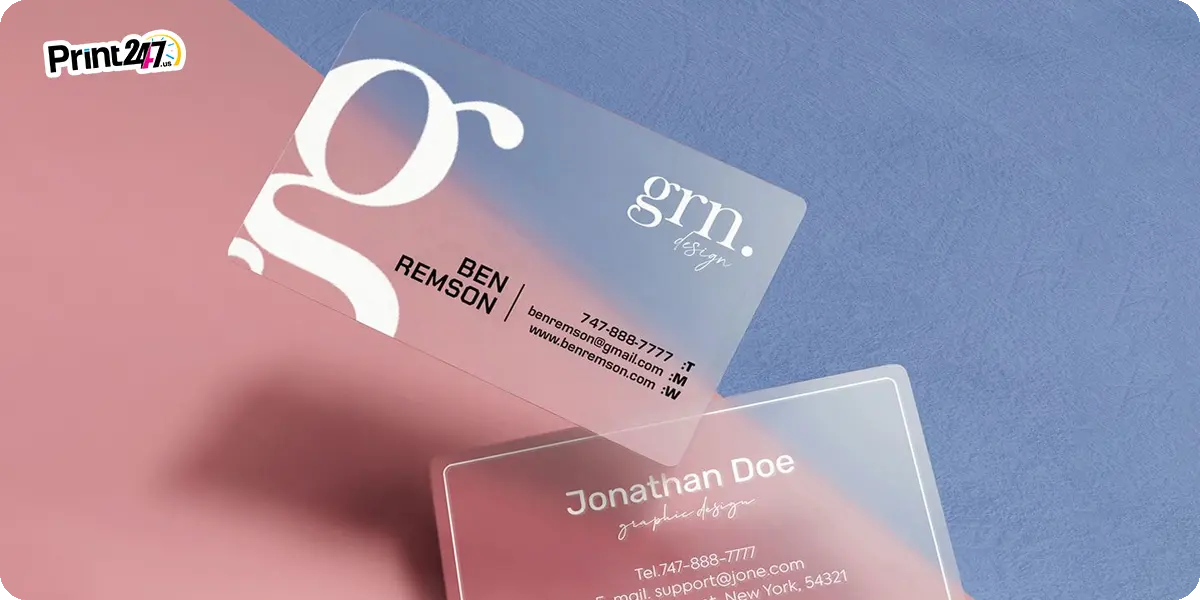
Plastic business card are more durable, water‑resistant, and often semi‑transparent or frosted. They work well in places where cards may get wet or handled often, such as gyms, pool‑related services, or outdoor jobs.
Plastic cards can also feel modern and tech‑driven, which suits design studios, tech firms, and lifestyle brands.
Metal business cards
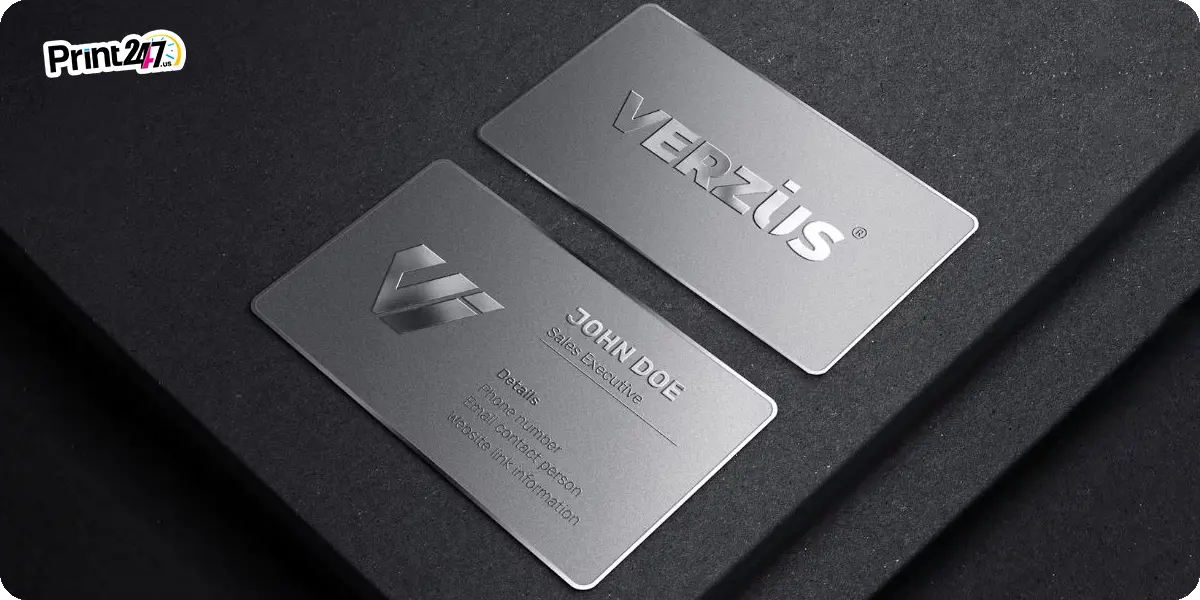
Metal business cards are a bold yet unchangeable choice. They are heavy, strong, and stand out immediately in a sea of business cards made from paper materials. These metal cards acts as a high-end visiting cards for luxury brands and top-notch professionals that want a premium and long‑lasting impression among receivers.
Because metal cards cost more per piece than standard or even embossed business cards, they are usually printed in smaller quantities and used for VIP contacts instead of everyday handouts.
Wood and other specialty materials
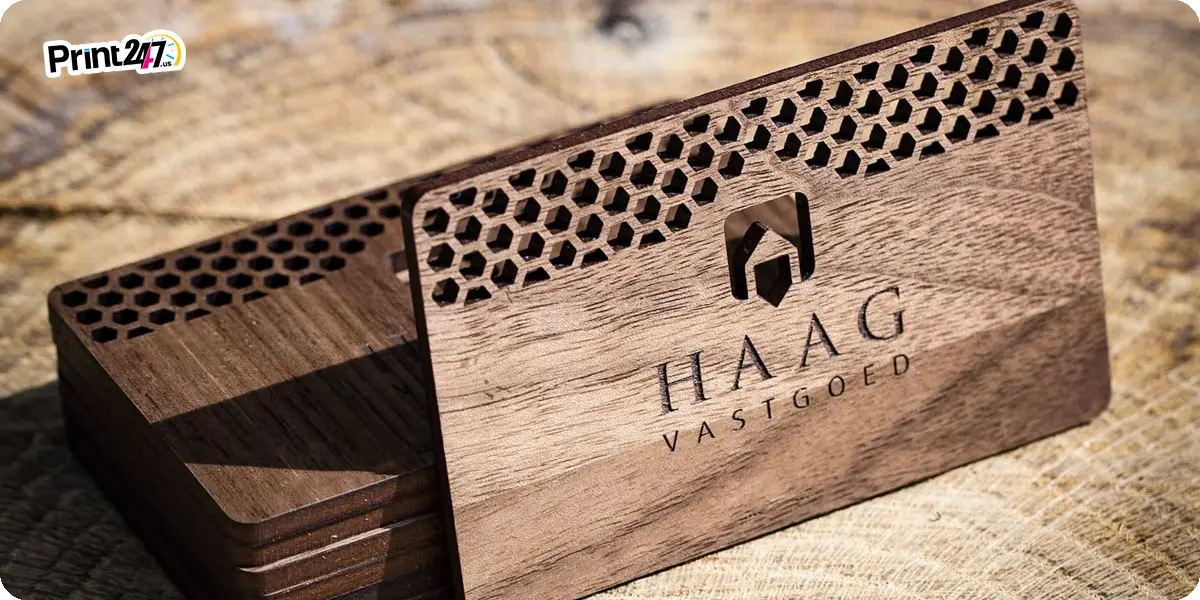
Some different types of business cards are made from thin wood, bamboo, cork, or composite materials. These can tell a strong story for eco‑friendly, craft, or nature‑focused brands.
These eco-friendly cards often use laser engraving or special printing methods, and they are great when you want a “show piece” card as part of your identity.
Types of Business Cards by Shape and Format
The next group of business card categories we will discuss in this blog is by shape and format. These are the actual visual styles of business cards people notice at first sight.
Standard rectangle
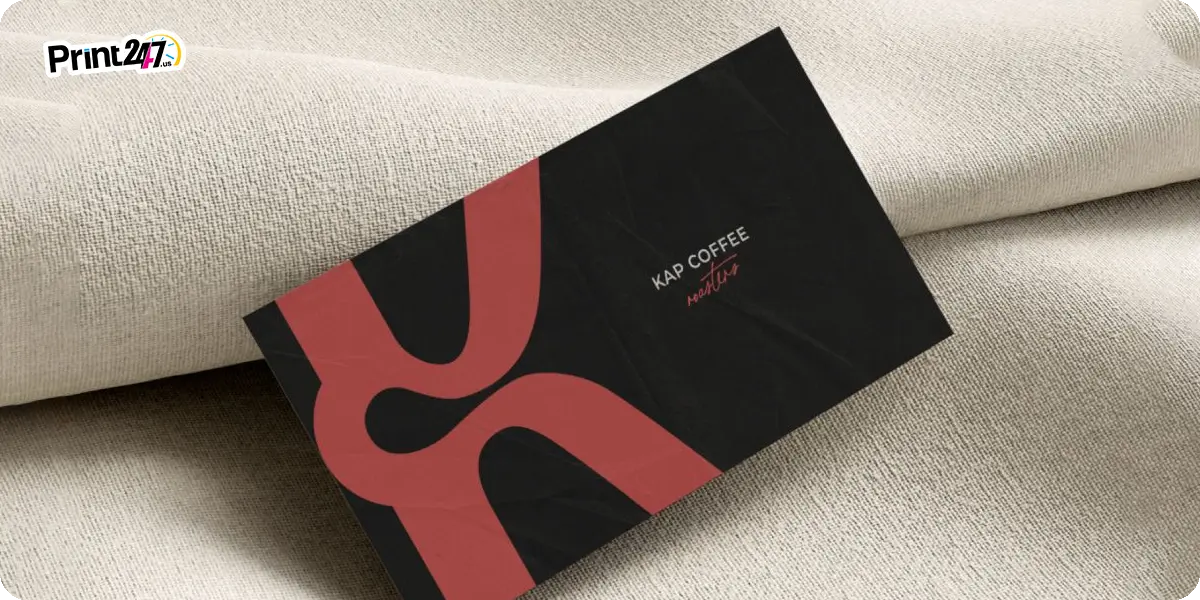
The standard rectangle is the most widely used of all business card types. And the size of standard business card is 3.5" × 2" (US) or 85 × 55 mm (UK/EU), and it fits most card holders and wallets.
Most basic business cards are in this shape because it is safe, familiar, and easy for a business card maker to produce in large quantities.
Rounded corner business cards
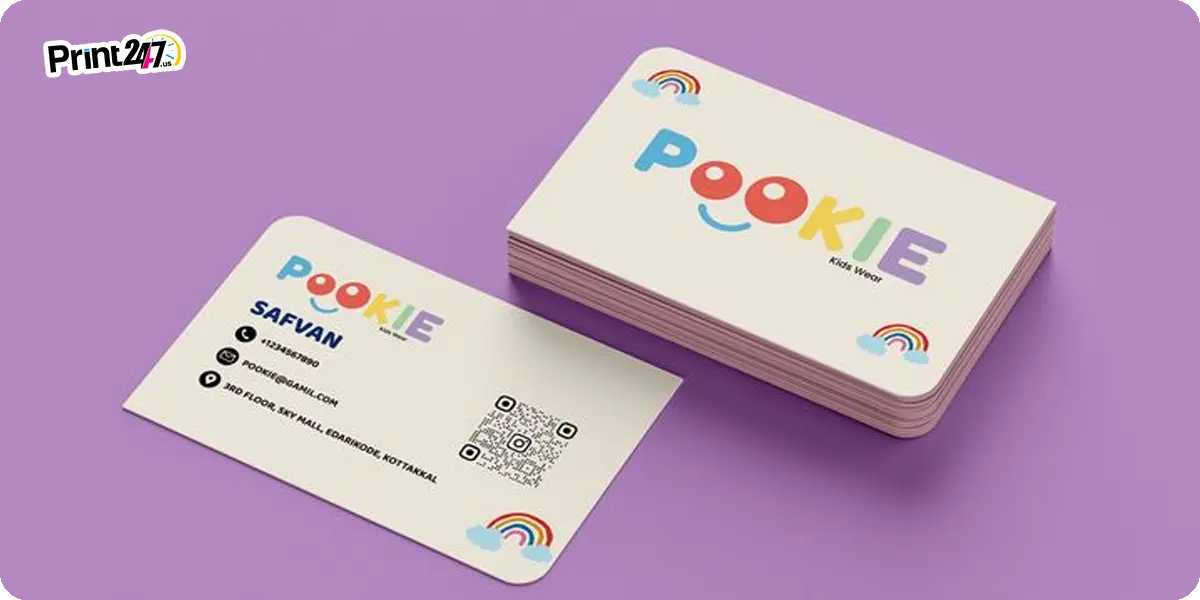
Round corner cards are still rectangular but have smooth corners instead of traditional edgy ones. This tiny change gives softer edges and a more modern look to the visiting cards.
They are ideal when you want a subtle twist on normal business card without changing holders or wallets.
Square business cards
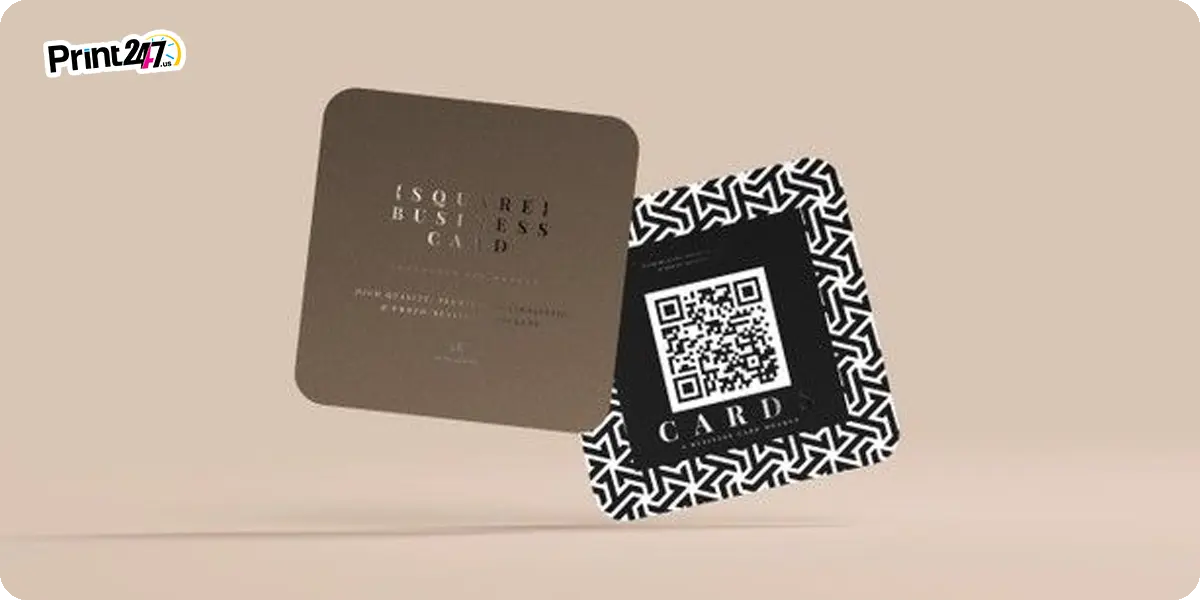
Square cards are smaller, eye‑catching style of business cards that are earning wide recognition. Common sizes are around 2.5" × 2.5" in inches or 65 × 65 mm. They work well for logo‑focused or minimal designs where you don’t need too much text.
Mini / slim business cards
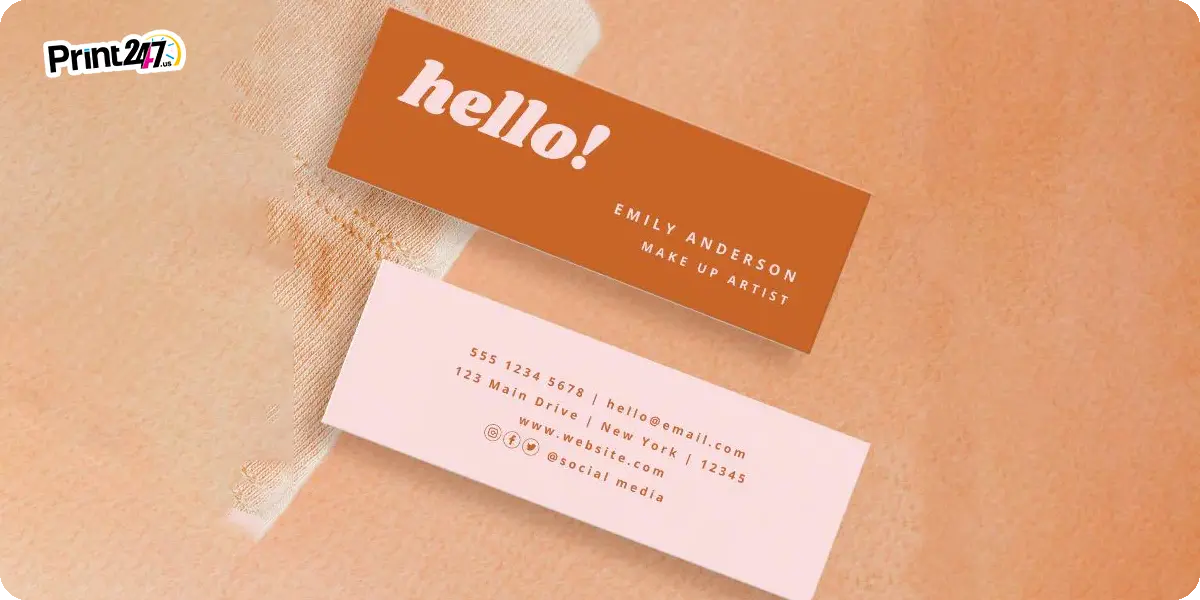
Slim cards keep the usual width but are less tall. They look stylish and can suit creative industries or fashion brands. Because they are narrow, they need very simple layouts.
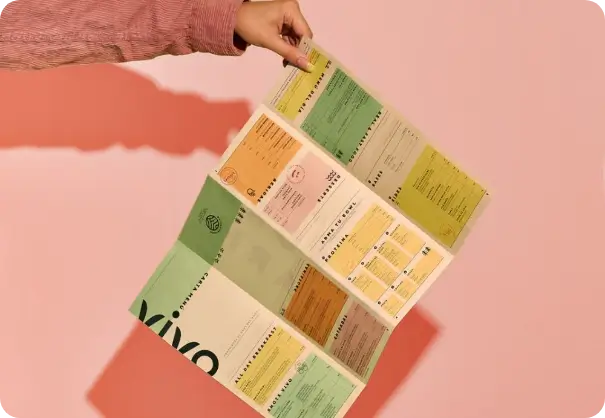
Folded business cards
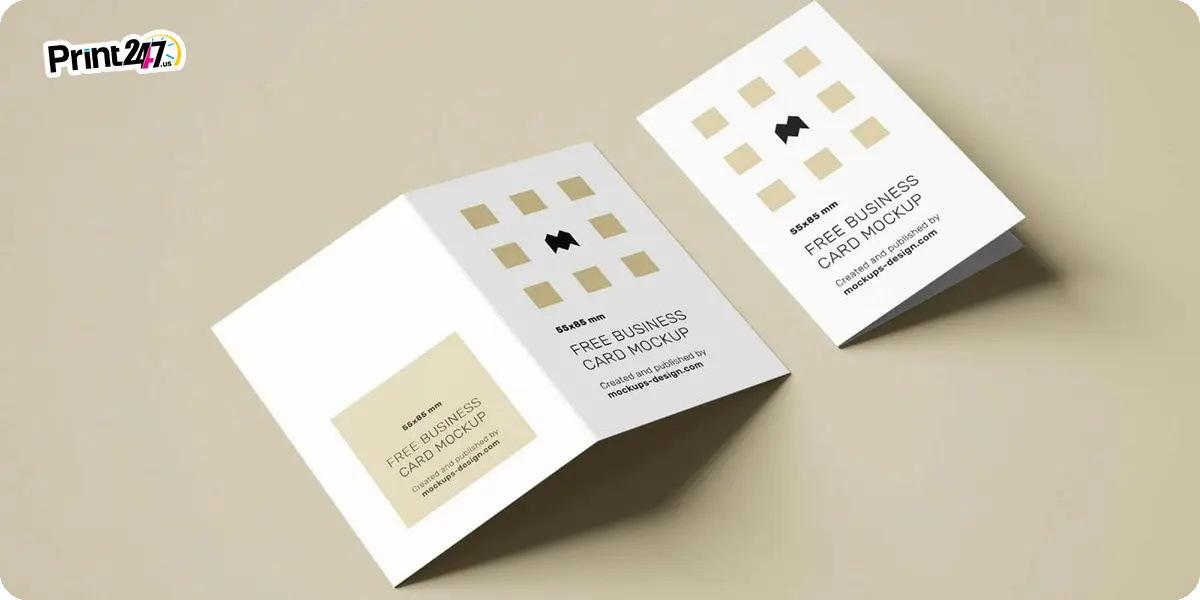
Folded cards work like mini booklets. You print on four small panels (front and back, inside and outside).
This kind of business card is more useful when you want to share more information including your services, business location, or multiple branches without the need of moving to a larger format for a business card.
Custom die‑cut shapes
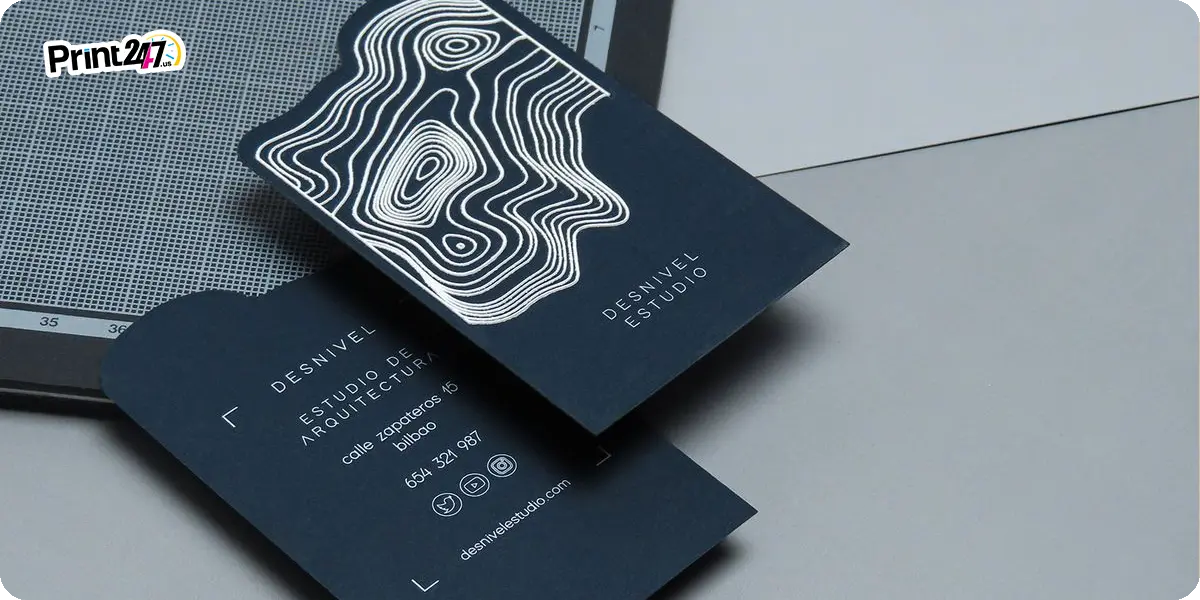
Some styles of business cards use custom shapes like circles, ovals, leaf shapes, or outlines that match your logo. This is powerful for creative brands and events because the card itself becomes a small piece of design that enthralls.
Custom shapes are more expensive and sometimes don’t fit standard holders, so they are best used when you want a special, limited‑run card.
Variety of Visiting Cards by Functionality
Now let’s have a look at some of the types of business cards based on what they perform more than just sharing your basic business contact details. These are the most interesting variations of business cards.
Basic contact cards
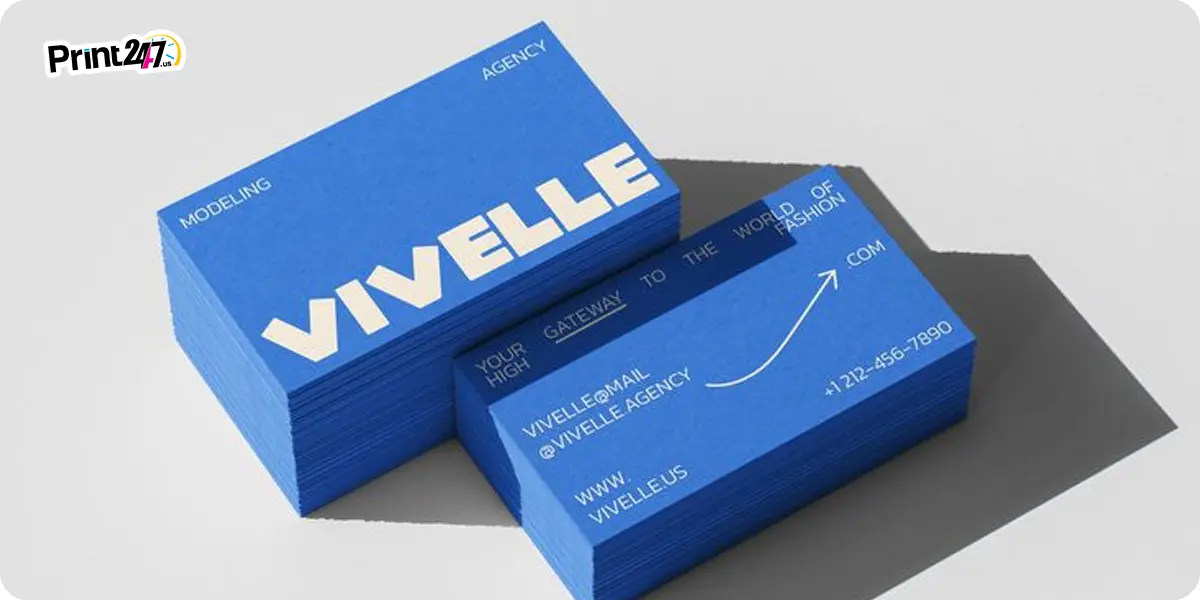
These are classic basic business cards: name, title, company, contact details, maybe a logo or tagline. They are a great option whenever you want something simple, clear, and cost‑efficient.
Double‑sided informational cards
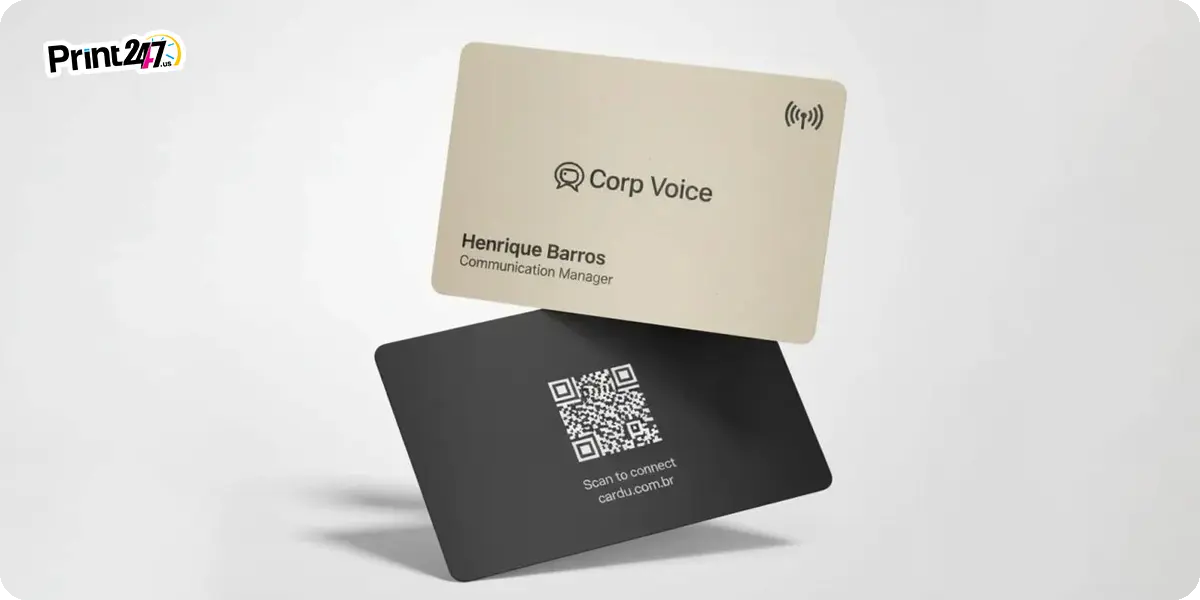
Double‑sided cards use the front for your main identity and the back for extra information: services, a short list of products, or a QR code leading to your website or menu.
This is a smart way to keep business card size standard while still fitting more value into the card.
Magnetic business cards
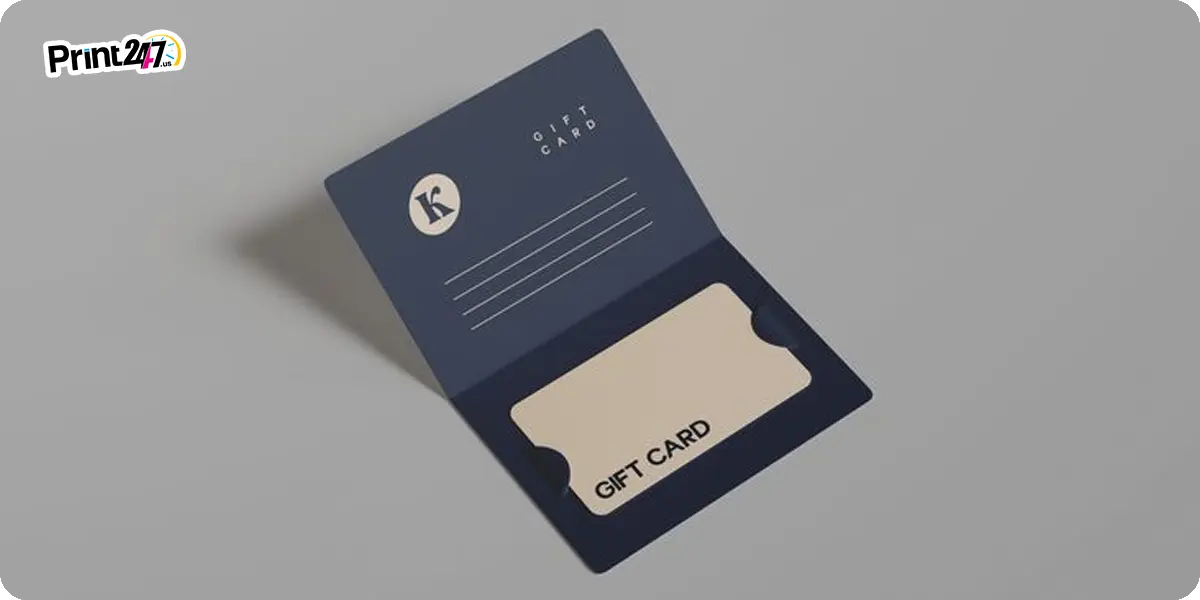
Magnetic cards stick to fridges, file cabinets, and other metal surfaces. They are very popular for:
Local service businesses (plumbers, electricians, cleaners).
Food delivery.
Real estate and insurance – anything where you want your number visible every day.
These different types of business cards have a paper or printed layer on top of a thin magnet. They last longer than paper cards because people tend to keep them on display.
Appointment, loyalty, and stamp cards
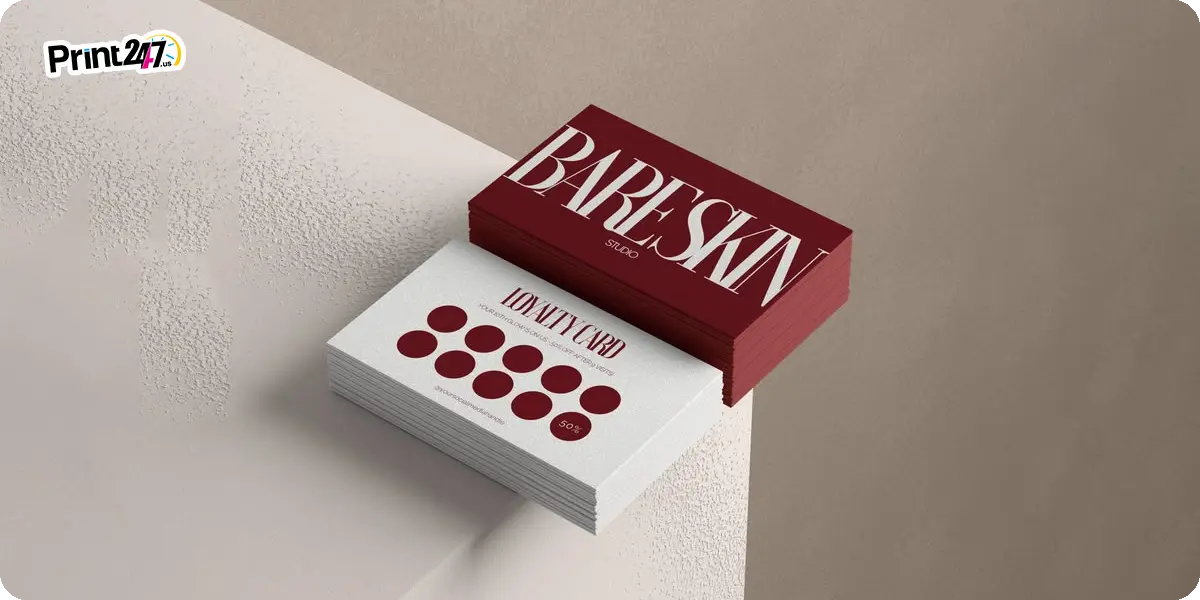
Some business cards include options that track visits or appointments:
Hairdressers and beauty salons.
Clinics, dentists, and therapists.
Cafes (buy 9 coffees, get the 10th free).
Here, the card becomes a small functional tool, not just a plain contact info.
NFC, QR code, and digital business cards
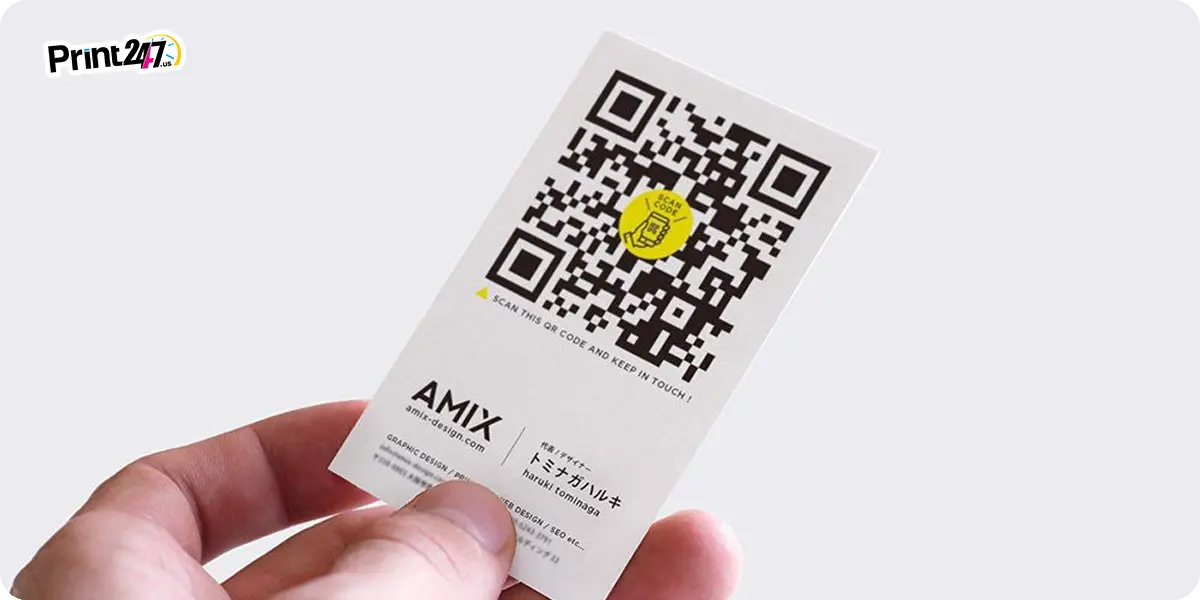
With more digital networking, many business card types now include QR codes, NFC chips, or links to digital profiles.
QR code cards send people to your website, digital business card, or landing page.
NFC cards let people tap with their phone to save your contact details.
These cards show that printed and digital ones can work together instead of competing.
Along with all these options, if you need Gloss business cards, Matte business cards, Linen business cards, or even Ultra thick business cards, Print247 is the ideal place for you to customize and place your order.
Which Type of Business Card Is The Right Choice for You?
With so many different types of business cards and different kinds of business cards, it helps to think about a few simple points:
1. Your industry and brand style
If you are from corporate, legal, or finance, classic paper basic business cards, standard rectangles, maybe with rounded corners and a clean finish are great for you.
Own a creative, fashion, design related business, square cards, mini cards, or custom shapes and materials will better complement your theme.
If you promote eco-friendliness: Kraft, recycled, or wood cards are best for your eco goal.
2. How you hand out the cards
If you give out many at events, keep business card types simple and cost‑effective.
For VIP or high‑value contacts, add a premium metal, plastic, or special‑finish card to your mix.
3. What you want the card to do
Simple contact only: basic, single‑ or double‑sided paper cards work best.
Want to share more info to recipients: folded or double‑sided cards are great.
Looking to stay in sight at all times: magnetic business cards on fridges and cabinets are the best choice.
4. Budget and quantity
Large runs: standard paper cards are most economical.
Small runs or special uses: plastic, metal, or shaped cards are fine.
Print247 can help you compare different kinds of business cards so you can easily which one to buy for your unique business needs.
How a Business Card Maker like Print247 Helps
Choosing between all these types of business cards can feel complex, but a professional business card manufacturer like us, Print247, can simplify this process.
We help you by:
Recommending the right material
Based on your brand, budget, and how your cards will be used, we suggest whether you need basic business cards, textured paper, plastic, or something more unique.Advising on shape and design
We show you sample styles of business cards, like standard, square, rounded, folded, and custom shapes, so you can see what fits your brand and industry.Helping with functionality choices
We can turn your card into a folded micro‑brochure, a magnetic card, or a QR‑powered digital gateway depending on your goals.Handling print setup and finishing
From bleed and trim to foiling, embossing, spot UV, and lamination, we handle the technical side so your chosen business card types look clean, sharp, and consistent.
Final Thoughts
There are many different types of business cards, by material, shape, and functionality, but you don’t need all of them at once. Start with basic business cards in a standard shape that clearly answer who you are and how to contact you. As your brand grows, you can add new business card categories like square cards, folded cards, magnetic cards, or metal cards to match special campaigns and VIP contacts.
If you want to explore different types of visiting cards and styles of business cards without getting lost in the options, let Print247 be your business card maker and guide. Share your brand, budget, and goals with us, and we’ll help you pick the right materials, shapes, and functional features so every card you hand out feels like a small, powerful extension of your brand.
Frequently Asked Questions About Business Card Types
What is a business card and why do I still need one?
Think of a business card as a small card printed with your company name and contact details, used for networking and quick sharing of information. Even in the digital age, it gives a personal, professional touch that is faster than typing details into a phone.
How many kinds of business cards are there?
There is not a fixed number. The main types of business cards fall into material (paper, plastic, metal, wood), shape (standard, square, folded, custom), and functionality (basic, folded, magnetic, loyalty, digital‑linked).
What are basic business cards?
Basic business cards are standard rectangular cards printed on paper or cardstock with your key contact info. They are the most common, cost‑effective option for everyday use.
Are different types of visiting cards different from business cards?
“Visiting card” is often just another phrase for business card, especially in South Asian markets. The different types of visiting cards are the same as different kinds of business cards, standard, folded, plastic, and so on.
How do I choose which business card types are right for my brand?
Look at your industry, brand personality, how you hand out cards, and your budget. Start with basic business cards on good paper, then add special styles of business cards (square, folded, magnetic, or metal) for key clients and events. A business card maker like Print247 can walk you through the options and recommend what makes the most sense for you.
Get a Quick Quote

More Articles
 Bill ‘Hogg’ Ryan
What to Include on an Ashwagandha Supplement Label?
 Bill ‘Hogg’ Ryan
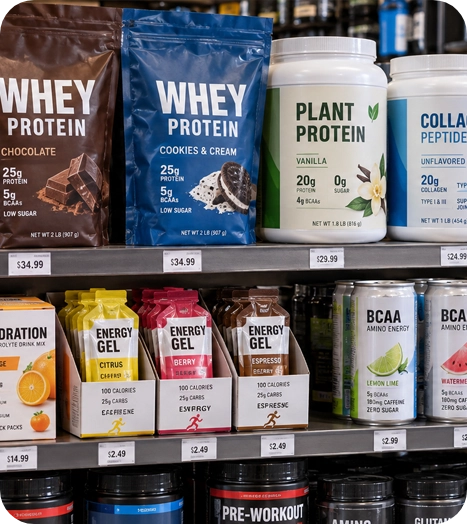
5 Sports Supplement Packaging Ideas That Win on Retail Shelves
 Bill ‘Hogg’ Ryan