

Carefully selected materials that deliver exceptional print quality, durability, and shelf presence.


 New
New







Materials Used in Medicine Boxes and Why They Matter
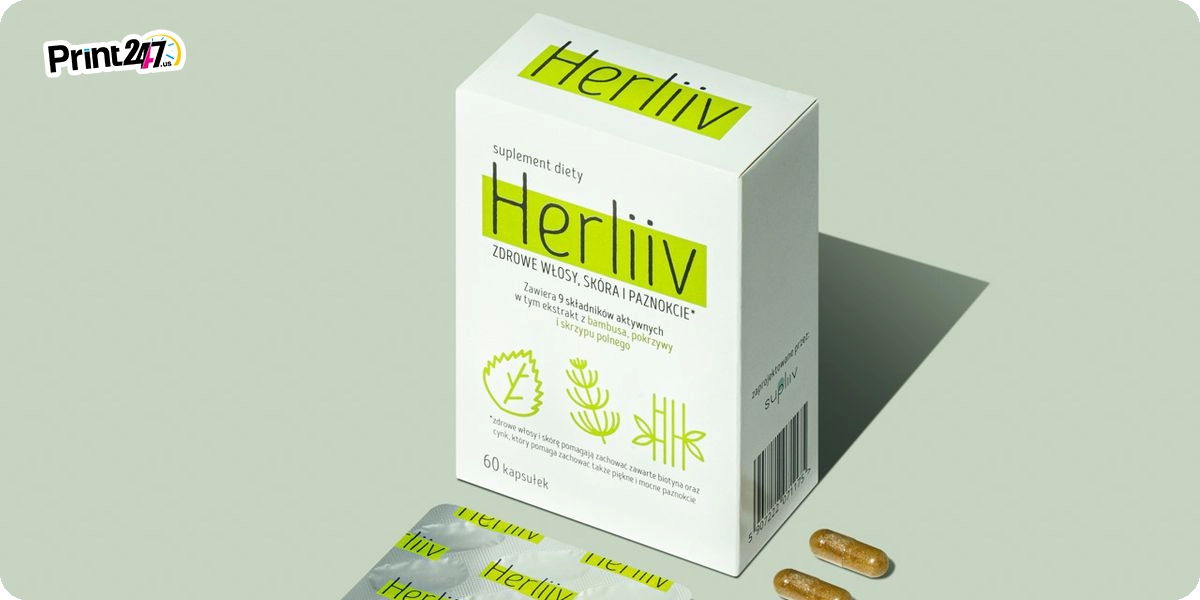
Material choice impacts product safety, compliance, line performance, and shelf trust. Medicine boxes are not just simple containers; they play a life saving role across the modern healthcare industry. The pharmaceutical industry relies on quality medicine packaging to ensure its products remain safe from contamination and any kind of deterioration.
Medicine packaging is made to safeguard products against moisture, dust, temperature fluctuations, and transit damage, while serving as the primary visual touchpoint on retail shelves. The chosen material determines how well the packaging survives transit and performs on your cartoning line.
It creates a durable protective barrier, safeguarding sensitive medical supplies from the manufacturing floor to the end user.
In this comprehensive guide, we will explore the various structural packaging materials utilized across the modern pharmaceutical industry. Before examining specific options, consider why these material choices are critical.
The Role of Medicine Boxes in the Pharma Industry
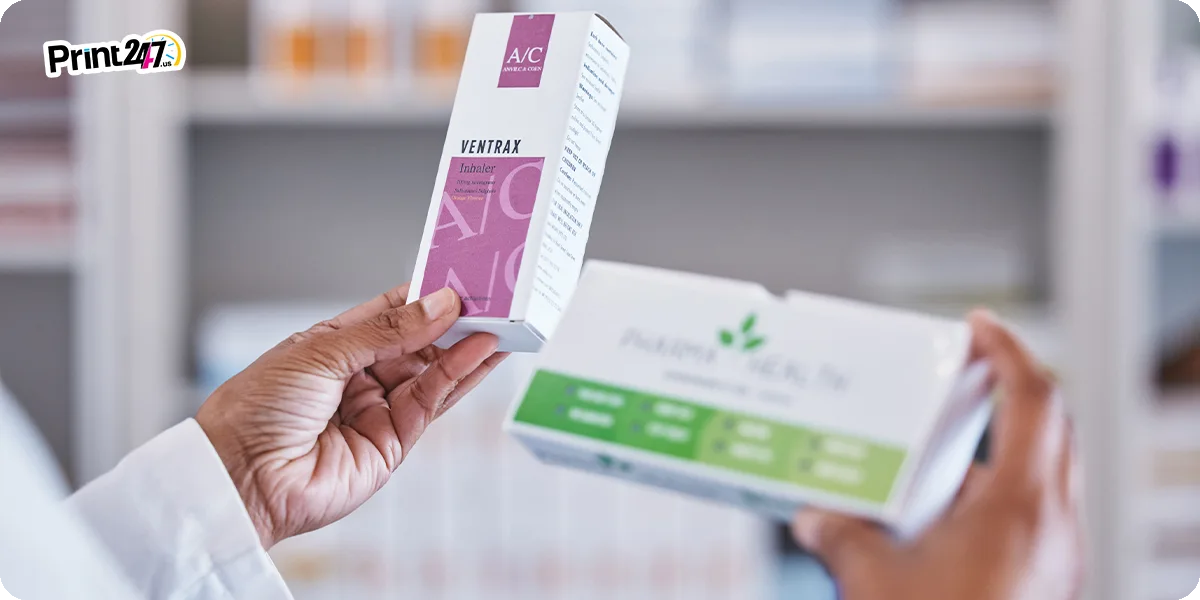
Medicine boxes work as the secondary packaging that encloses the primary packaging, such as blister packs, vials, and bottles. They do not have direct contact with the medicine itself but make sure that all medical supplies remain safe from damage.
These boxes are engineered to keep primary containers safe from light and physical damage during shipping and storage. They also offer valuable branding opportunities and help brands make their products stand out while building a strong identity among their target consumers.
They provide a smooth, printable surface area where brands can provide necessary information about the products. The printable surface displays dosage instructions, expiry dates, warning labels, and batch numbers.
It may look simple, but pharmaceutical packaging must maintain structural integrity during transit and mechanical handling because a compromised outer box can damage brand reputation, erode consumer trust, and degrade sensitive product efficacy.
Why Material Choice Matters
Different box materials have the ability to perform differently. These materials are engineered to solve different problems. It is important to choose the right box material to ensure product safety, chemical stability, and patient health.
The following core reasons explain why material choice matters in the pharmaceutical industry:
Compliance: The US health authority mandates strict testing and container closure integrity to prove that the box materials ensure safety and quality. Packaging must also feature tamper evidence and child resistant features.
Patient Safety & Product Information: The secondary packaging must include all the necessary information and warning labels related to the medical products. This helps prevent tragic medication errors.
Product Protection: Quality box materials shield contents from environmental factors, such as light, heat, oxygen, and moisture.
Exploring the Top Medical Packaging Materials
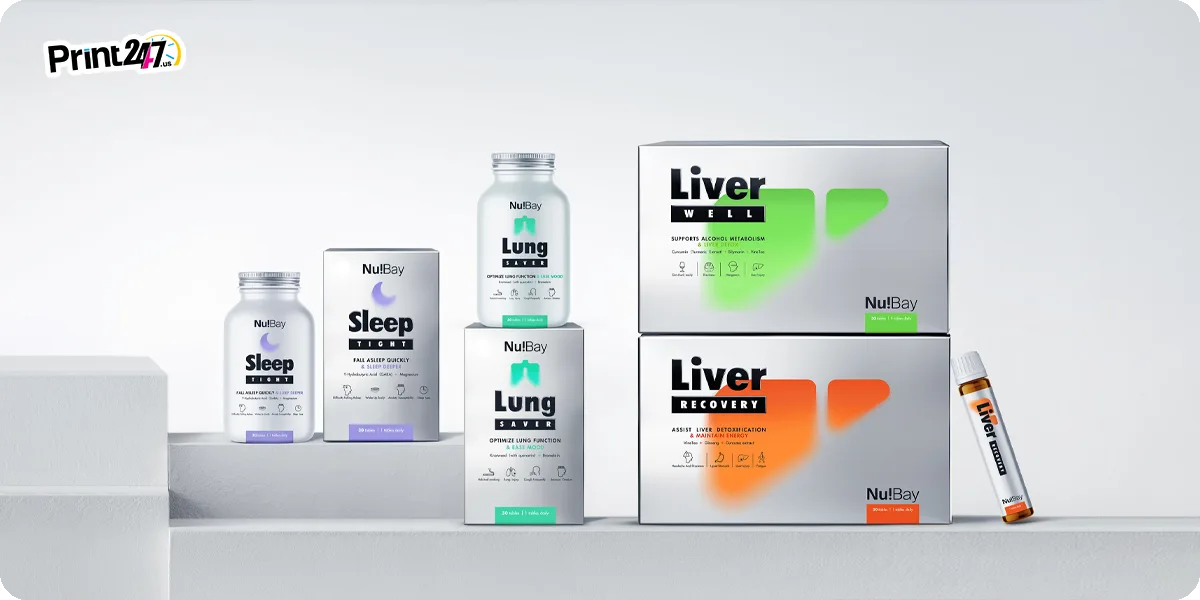
Medical box materials are engineered to maintain sterility, provide information, and keep sensitive devices safe during transport or storage.
The following are the top box materials that are widely used in the pharmaceutical industry to package a wide range of medical supplies:
SBS (Solid Bleached Sulfate)
.webp?alt=media&token=f941d4a2-53f9-447e-94f3-4b9980f338b8 "Medical box materials")
It's a durable packaging material. SBS paperboard is widely used as secondary pharmaceutical packaging. This material is commonly used for outer cartons housing over-the-counter (OTC) drugs, vials, syringes, and prescription medications.
It offers a smooth white surface that allows high quality printing of dosage instructions, branding, and barcodes. SBS is also used to form internal dividers that protect fragile glass vials or ampoules during transit.
SBS paperboard features a specialized coating of polyethylene (PE) resin. This impermeable barrier repels moisture and protects against spills. It maintains structural strength and ensures a clean, sterile finish.
Folding Box Board (FBB)
.webp?alt=media&token=eb3fdd0d-70c1-4eb0-85e5-0f801cc4184b "Folding Box Board (FBB)")
Another multi-layer paperboard, folding boxboard also serves widely in secondary pharmaceutical packaging. Featuring bleached chemical pulp on its outer layers, its structural design delivers optimal rigidity while remaining lightweight.
This material provides a high bulk to weight ratio and holds primary containers securely in place.
The coated top surface supports high precision, vibrant printing for impactful brand graphics. As a result, it remains a premier, cost effective choice for budget conscious buyers.
Coated Unbleached Kraft
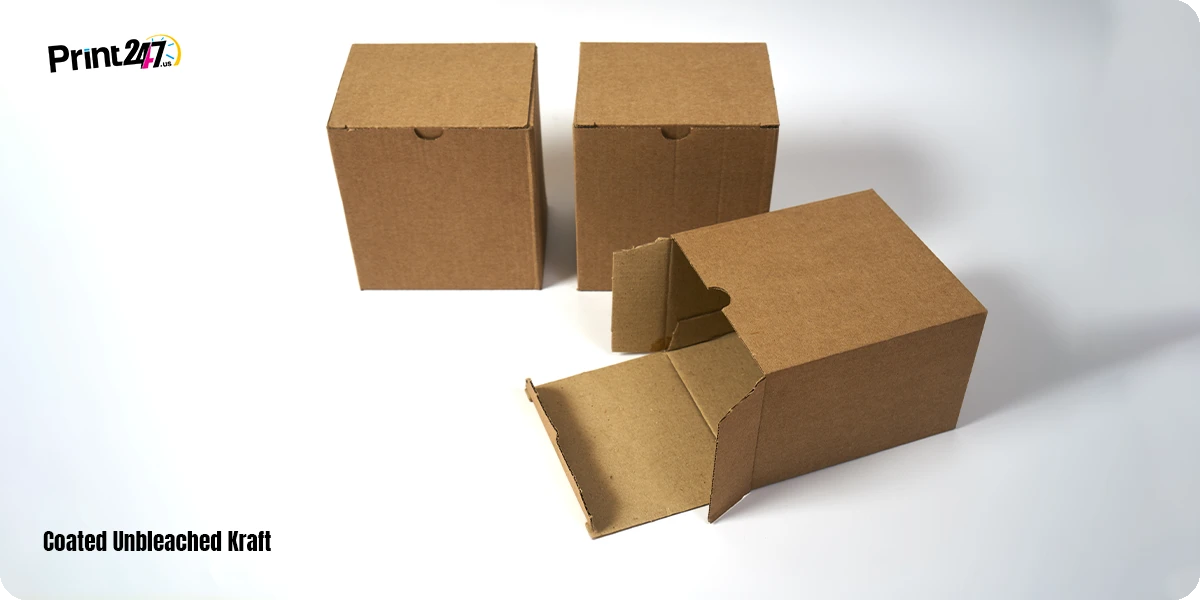
Coated unbleached Kraft is a top choice that works perfectly well as a pharmaceutical packaging solution. It encloses pharmaceutical primary packaging securely. This material is famous for providing sturdiness and tear resistance properties. It ensures products remain safe from damage.
These natural wood pulp boxes are built tough to survive rough handling without losing their shape. The clay-coated top ply provides a smooth surface for high-resolution printing while retaining the natural brown aesthetic on the uncoated sides. It helps attract eco conscious consumers and build a positive brand image.
Recycled Paperboard
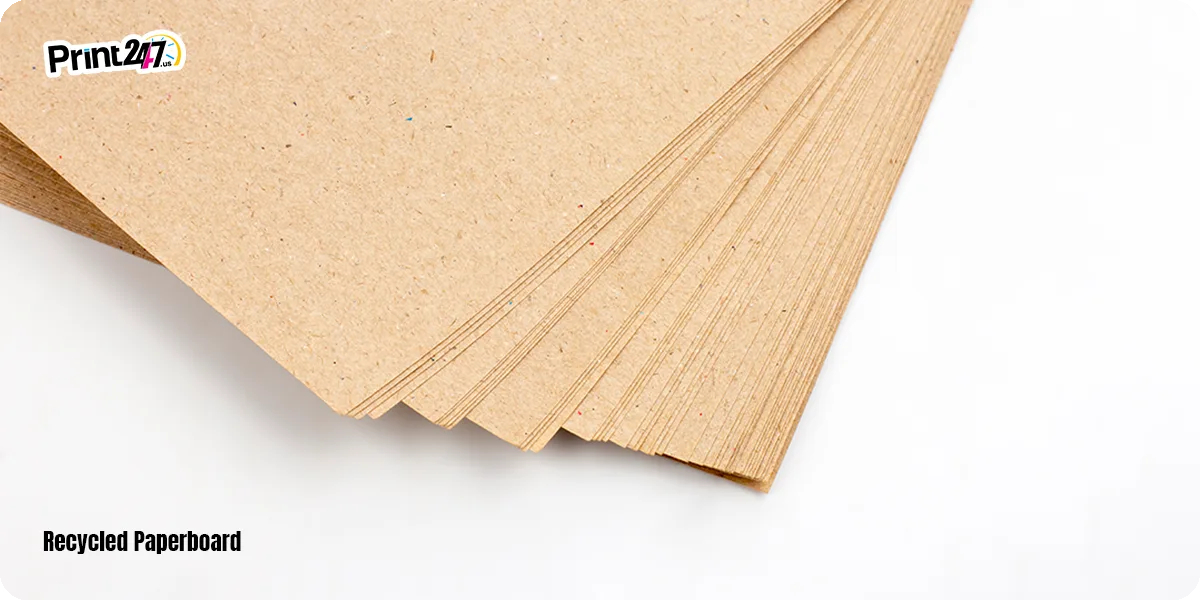
Many brands also use recycled paperboard as their secondary and tertiary medicine packaging. It can be used as folding cartons for medicine bottles, blister card outer sleeves, and shipping boxes.
Many companies use recycled paperboard for their outer pill boxes. This medication packaging is safe during shipping and is 100% recyclable.
Corrugated (E flute or B flute)
.webp?alt=media&token=f43d6aed-a861-4180-b4ae-b9ea1b9860e4 "Corrugated board packaging")
Corrugated board works as secondary and tertiary packaging. Brands use it to manufacture shipping containers, retail ready displays, and protective internal inserts.
Corrugated board is the best choice for medical packaging, shipping mailers, and standard boxes. It provides a smooth surface for crisp printing. They are tough to crush or puncture, which makes it a perfect material for protecting heavy shipments.
Rigid Chipboard
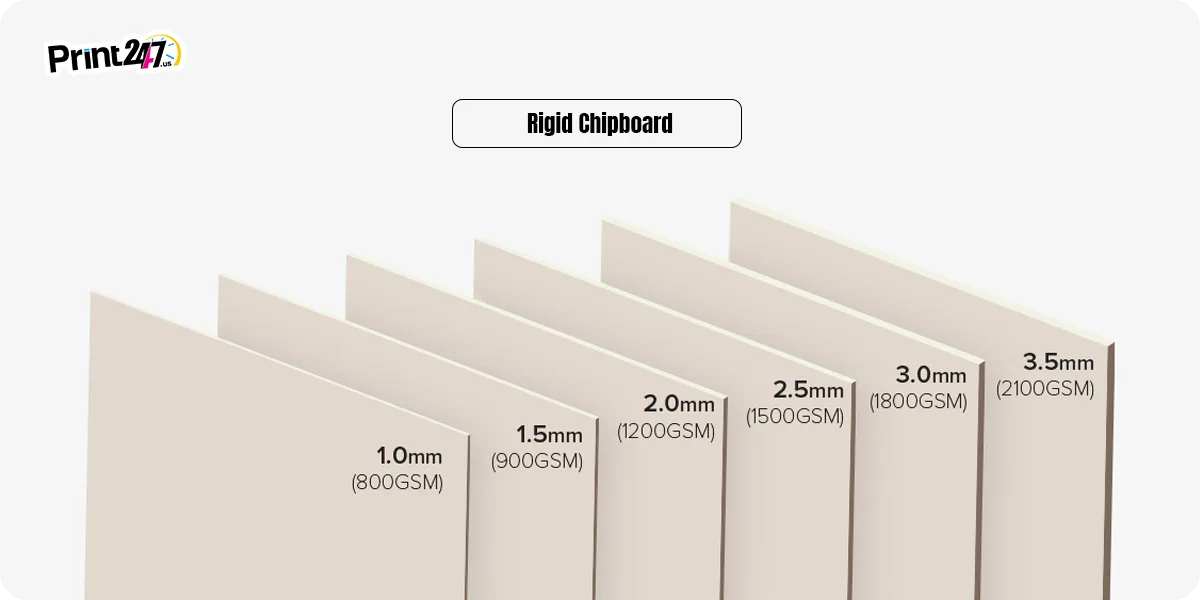
Rigid chipboard serves as a heavy duty and highly durable outer carton that delivers maximum structural integrity during transport and display.
Rigid chipboard medicine packaging provides a sleek and high end presentation on retail shelves. It helps improve your product’s aesthetic appeal and boost its market value.
Medicine boxes crafted from these high-density and impact resistant materials provide a solid, tamper resistant enclosure specifically engineered to shield fragile glass supplement bottles from shock, compression, and handling damage.
We have added a table below to help you decide which medicine box material works for your brand and what to watch out for before making a final decision. Let’s take a look:
Material | Best for | Key Strengths | Limitations |
SBS (solid bleached sulfate) | Rx and OTC cartons, premium print | Clean white surface, strong print | Higher cost |
FBB (folding boxboard) | Cost-conscious cartons | Good stiffness-to-weight | Print surface varies by grade |
Coated unbleached kraft | Nutraceuticals, eco positioning | Strength, natural look | Color matching is harder |
Recycled paperboard (CRB) | Secondary packaging, budget runs | Recyclable | Not always acceptable for direct-contact use |
Corrugated (E flute or B flute) | Multi-unit and shipper cases | Compression protection | Lower print quality |
Rigid chipboard | Premium, high-value kits | Structure and presence | Cost and storage space |
How to Select the Best Material for Pharmaceutical Packaging?
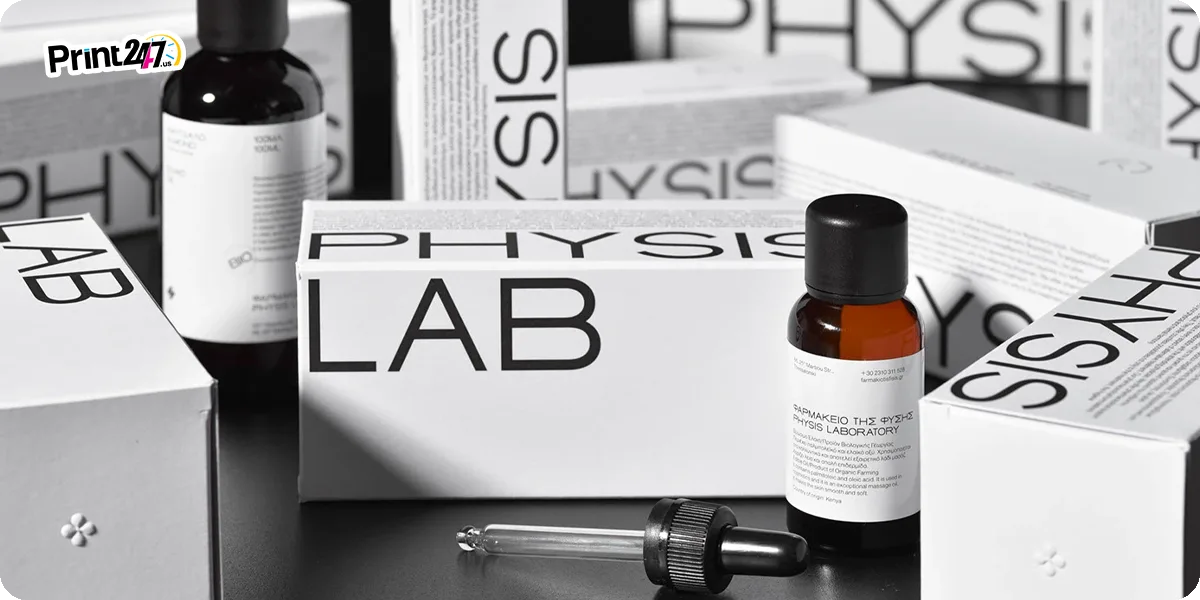
Material selection depends on product protection and logistical requirements. Packaging must withstand transit while maintaining professional shelf appeal. Key factors for pharmaceutical packaging include:
Product type: Determine whether you are selling solid oral doses, OTC, nutraceutical, or temperature sensitive medical products. Make sure the materials you choose prevent physical crushing while looking professional.
Distribution channel: The next critical factor is determining where your packaging will be distributed. If the carton is headed to a pharmacy, make sure it survives packing and store handling. If you are shipping directly to consumers, the box must arrive looking good.
Security level: Decide if you want your box to have tamper evident features for OTC drugs. Child resistant closures are also important for some OTC products.
Sustainability goals: Define your sustainability goals to choose the ideal material for your medicine boxes. The ideal material must meet your brand’s sustainability goals and regulatory requirements.
It is important to make sure your brand stays compliant with the mandatory regulatory packaging requirements that control how medications are contained and which materials are used. Print247 uses high quality and compliant box materials to keep drugs safe.
Final Thoughts
The right material choice for your medicine boxes isn’t limited to aesthetics. The best material choice depends on product safety, compliance requirements, and your budget constraints. Get all parameters right, and your products stay protected.
Align your custom branding goals with your budget while incorporating essential tamper evident and child resistant security features required by law. This balanced approach allows you to create functional packaging that protects product integrity while building brand recognition. Selecting medical grade materials helps pharmaceutical companies maintain product efficacy, build consumer trust, and prevent damage during distribution.
Print247 uses materials that are built to meet your specific business goals. Request a custom quote to get started right away.
FAQs
Are medicine cartons primary or secondary packaging?
Medicine cartons are secondary packaging. They are engineered to hold the primary packaging, such as bottles or blister packs. They do not come in direct contact with the medication itself.
Can pharmaceutical packaging be made using sustainable box materials?
Yes, the pharmaceutical industry is adopting eco friendly packaging solutions. Materials such as kraft paper, paperboard, and corrugated cardboard are excellent sustainable choices. They are highly recyclable and biodegradable. This helps brands reduce environmental waste without sacrificing the safety required for medicine boxes.
What makes medicine box packaging tamper evident?
Medicine boxes that feature glued or perforated flaps, tear strips, and tamper evident seals are known as tamper evident packaging solutions. It shows visible proof of damage.
Why does tertiary packaging matter in pharma?
It’s the heavy duty outer layer that keeps large shipments of medicine safe while they're in transit. It is the outer layer that shields medications, including their primary and secondary packaging layers, from physical shock.
Get a Quick Quote

More Articles
 Bill ‘Hogg’ Ryan
Types of Toy Boxes: 11 Custom Packaging Styles for Brands
 Bill ‘Hogg’ Ryan
How Packaging Tariffs Change the Real Cost of Imported vs. US-Made Packaging
 Bill ‘Hogg’ Ryan