












Should Your Business Cards Be Matte or Glossy? A Guide to Picking the Right Finish
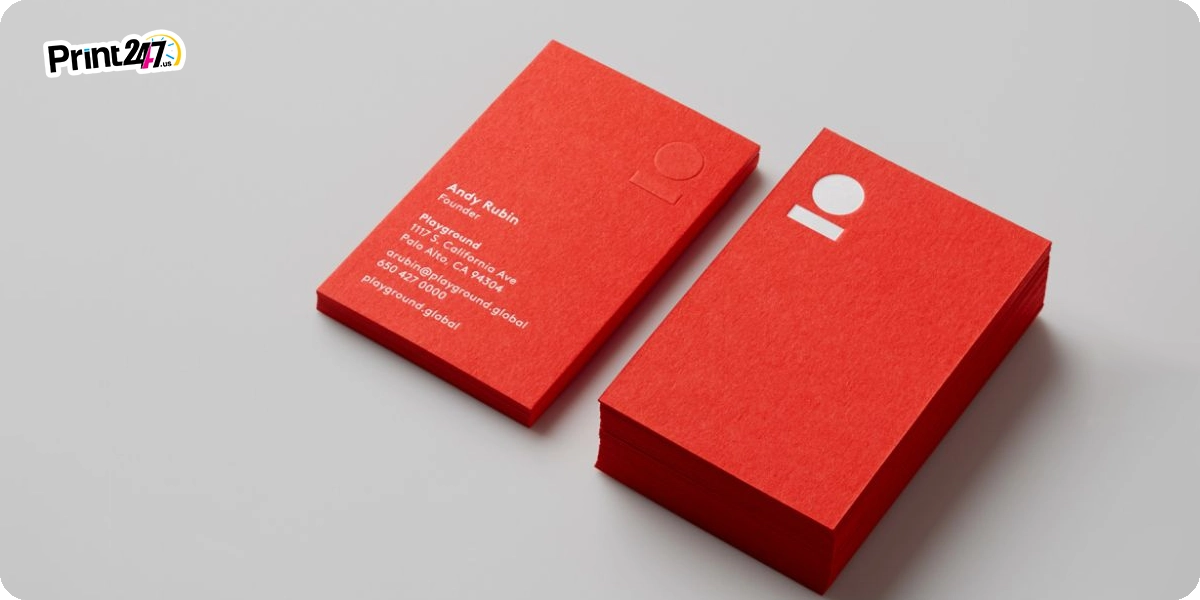
When we consider choosing matte or glossy, we should also keep in mind that it is more than just about printing. This decision can alter how people see, read, feel, and remember your brand through your business cards. Keep in mind that the right finish should match your design, industry, and the way you actually use your cards, disregarding the trends.
Why Finish Matters More Than You Think
A business card is a small piece of printed paperboard, but it is also the first physical thing of your brand that comes in contact with your prospects. It stays in someone’s hand, wallet, or on their desk long after a meeting. It denotes your attention to detail, professionalism, and style. You can have a great logo and layout, but if the finish fights the design. Like it is too shiny to read the text or too flat for your bold colors, then the visiting card cannot perform to its fullest.
That is why the matte vs glossy business cards question comes up so often. Both of these finishes can work in your favor, but their use cases differ as per business nature and target audience. If you choose the right one, your card can feel more professional, more readable, more personalized, and more memorable.
The trick is to understand how certain finishes function and if it will match your brand or not. This is the reason for presenting this post to you. At Print247, we aim to help our customers not only get exclusive printing materials but also understand the complexity behind designing the perfect one.
The Basics of Matte and Glossy Finish
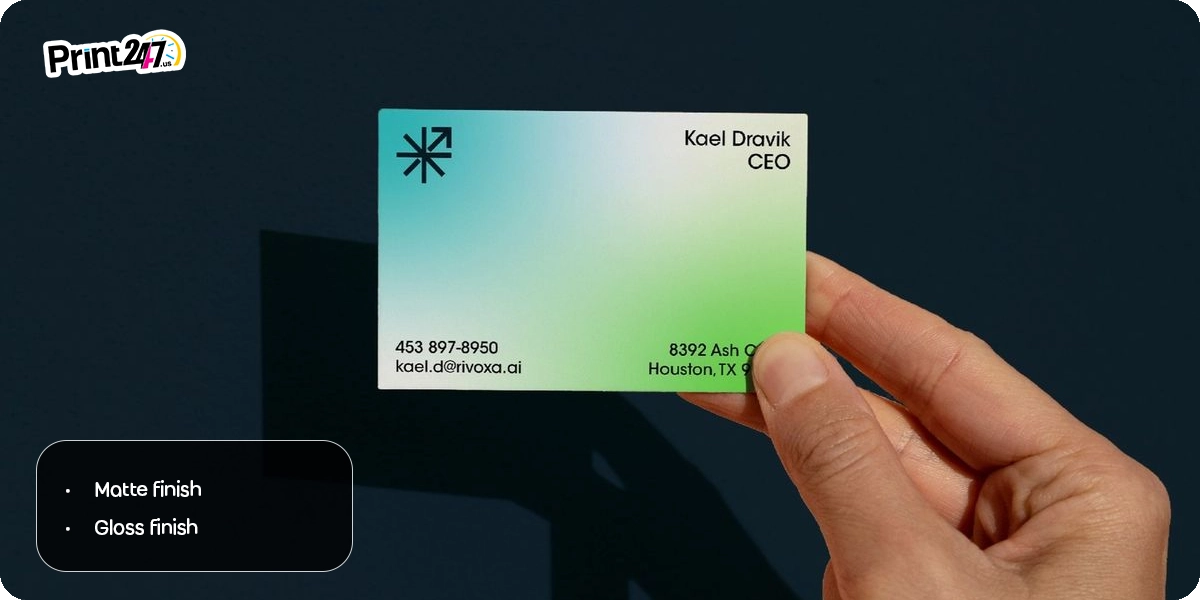
Before getting into the comparison of pros and cons of both the finishes, it is best to understand what “matte” and “glossy” really mean.
Matte finish: It gives a smooth and non‑reflective layer on the surface of business cards that looks soft and understated. The colors under this laminations appear to be less vivid as compared to gloss. However, the overall visual impact is minimalist yet modern. This finishing is famous to reduce the glare and fingerprints that are usually left behind on gloss coated cards. This feature makes it easy to read text and see details under different lighting conditions.
Gloss finish: Complete opposite of matte, it gives a shiny and reflective appeal. It makes the colors, images, & graphics look more vivid. Gloss also draws the eye quickly and can make a design feel bold and charismatic. The only drawback of gloss is that it makes it harder to read printed details on the card under direct light.
The difference between the two finishes is not just about the visuals. The finish has overall impact that how the visiting card interacts under different light conditions, how easy it is to write on them, and how the design is perceived. That is why the choice should always be based on the card’s actual use, not just personal taste.
When Matte Finish Works Best on Business Cards

Matte business cards are mostly used when the goal is to give off clear, subtle, and professional looks. They are used when your design features less writing and a minimalist color tone.
Visual and tactile feel
Matte cards:
Look soft and refined, with a low‑sheen or completely flat surface.
Let the texture of the paper stock come through more, especially on specialty or linen cards.
Feel smoother and less “plastic” than heavy gloss, which many people perceive as more premium.
Designers describe matte as “professional and mature,” particularly for cleaner yet modern looks. If your brand values trust, calm, and attention to detail, think law firms, consultants, architects, therapists, or high‑end services, matte tends to support them.
Readability and usability
Matte finishes are usually better for:
Readability in bright environments because they do not bounce back light.
Cards with smaller type, fine lines, or high‑contrast black text on light backgrounds.
Situations where people might write on the card like notes, discount codes, and appointment times, because matte and uncoated surfaces accept ink more easily.
Where matte fits best
Matte business cards are a strong fit when:
Your layout is mostly text with simple logo use.
You work in a more formal or conservative industry.
You want a luxury feel without flashy shine.
You expect to write custom notes on cards during meetings.
At Print247, you can get standard, eco, and linen business cards produced with matte finishes, giving you room to combine modern visuals with premium stocks.
How Glossy Business Cards Work Best
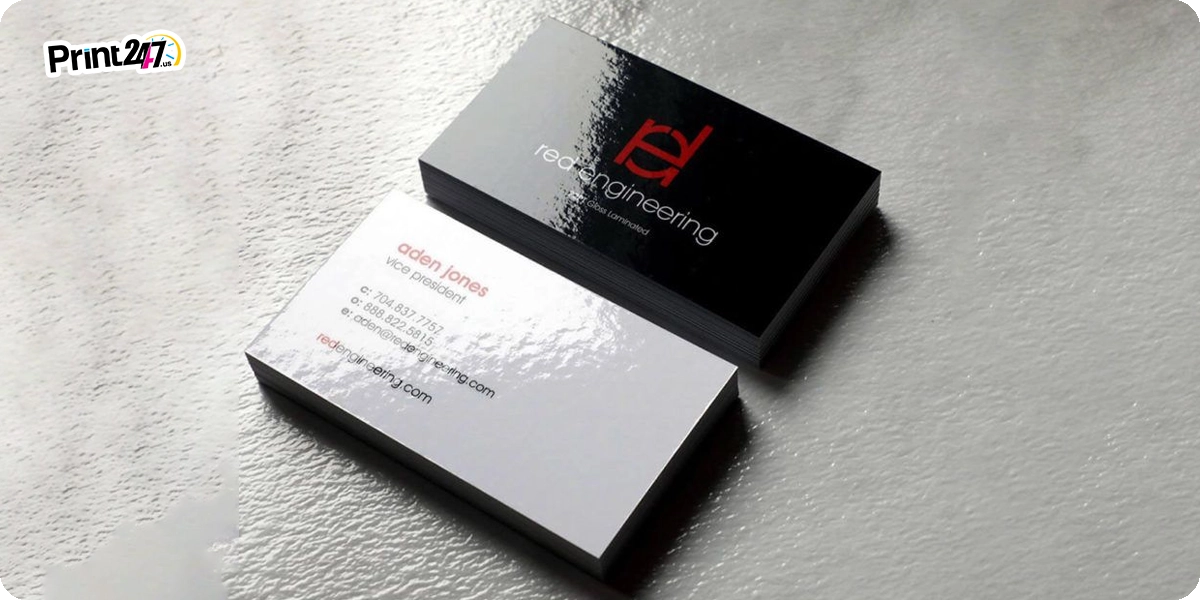
Glossy business cards naturally pull the eye. The reflective surface amplifies color and contrast, which makes them a great choice for bold brands and image‑driven designs.
Visual and tactile feel
Glossy business cards:
Have a shiny, reflective surface that enhances colors and dark tones.
Make photos, gradients, and graphic elements look more vivid and saturated.
Feel chic and sometimes give a polished yet modern impression.
For brands that want to be creative or trendy, like photographers, real estate agents, entertainment brands, product companies, or tech startups, gloss matches their business nature the best.
Durability and cleaning
As we know glossy finish includes an additional layer of coating on the printed cards, they:
Provide better resistance to moisture and surface dirt than matte finish.
Resist scratches and folding slightly better to help cards look crisp longer in wallets or pockets.
Dark or solid colored business cards with gloss finishing can clearly show fingerprints and reflections. This is something you should consider beforehand before choosing glossy laminate.
Where gloss fits best
Glossy business cards are a strong fit when:
Your design uses photos, illustrations, or color‑heavy backgrounds.
You want maximum impact in a crowded, visually competitive setting (trade shows, events, retail).
You want a “polished” feel that leans more toward energetic and bold than subtle.
Print247 can apply glossy finishes to standard and specialty cards so your colors and product visuals look as strong in print as they do on screen.
Side‑by‑Side: Matte vs Glossy at a Glance
Aspect | Matte business cards | Glossy business cards |
Surface look | Non‑reflective, soft, understated | Shiny, reflective, eye‑catching |
Color appearance | Slightly muted, subtle, elegant | More vivid and saturated |
Readability | Excellent in bright light, no glare | Can suffer from glare in strong light |
Writability | Easy to write on with most pens | Often difficult to write on cleanly |
Durability | Good, but less coated protection | Often more resistant to moisture and wear |
Fingerprints/smudges | Hides fingerprints better | Can show fingerprints on dark areas |
Brand personality signal | Professional, calm, refined | Bold, energetic, promotional |
Best for | Text‑heavy, formal, luxury, note‑friendly cards | Image‑heavy, colorful, marketing‑driven cards |
Neither column is “right” or “wrong.” The goal for businesses is to pick the column that lines up with their brand story and real‑world usage.
Match Finish to Your Business Card Design
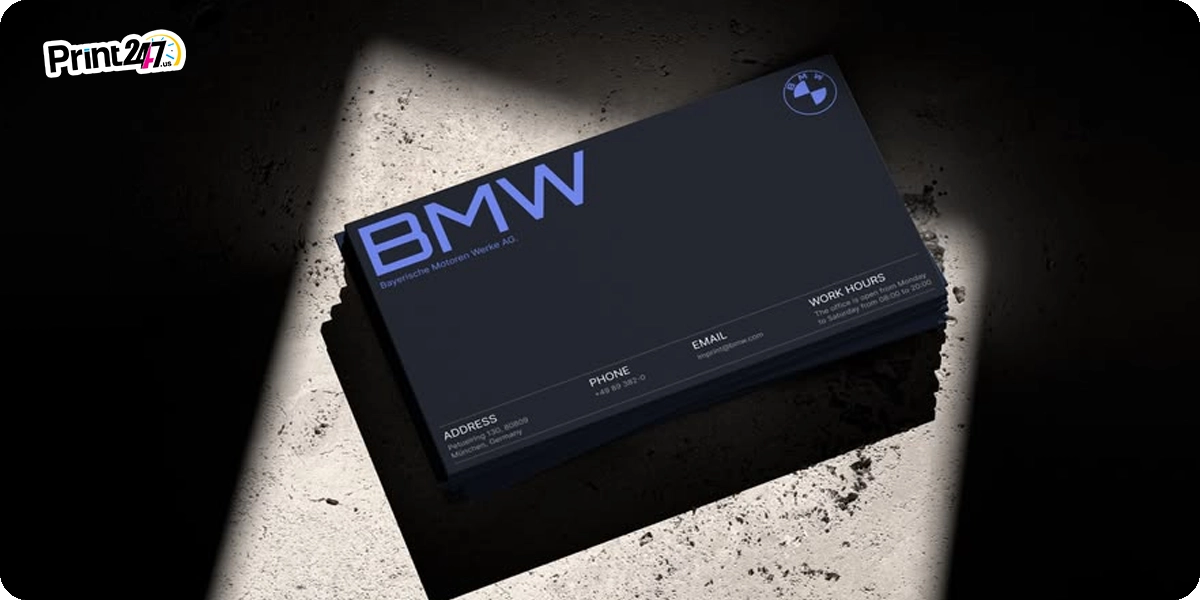
The easiest way to move from theory to a decision is to look at your actual artwork and ask specific questions, similar to what pro printers and designers recommend.
1. Is your card text‑heavy or image‑heavy?
For Text, logo, and clean lines. Matte is the better option because it keeps everything readable and avoids glare.
Photos, product images, gradients, or bold patterns. Gloss wins against matte because it makes visuals more vibrant and impactful.
2. Do you need to write on your cards?
If you regularly jot down custom notes, promo codes, or appointment times:
Choose matte or an uncoated option. These surfaces accept ink more reliably and avoid smearing.
Avoid heavy gloss if writing is a core part of how you use cards.
At Print247, we can also help you combine needs. For example, a card with a matte or uncoated back side for writing and a more visual front, depending on your design choices. For more inspirations, check out our blog for business card designs.
3. Where and how will you hand them out?
Consider the environment:
Bright offices, conferences, outdoors. Matte keeps text readable with less reflection.
Lively trade shows, events, or retail. Glossy finish can help your visiting card to stand out from other cards, especially if you are more focused on visuals.
View finishing as a significant part of your visual strategy. A matte finished business card can make a brand feel more elegant, while a glossy business card can make a brand feel more vivid and memorable.
Role of Finishing for Durability, Smudges, and Lifespan of Business Cards
Finishes can influence how your business cards function.
Durability: Gloss business cards have an extra layer of coating that resists scratches, moisture damages, and bending. This can matter a lot because cards stay in pockets, wallets, or handled multiple times.
Fingerprints: High‑gloss cards with dark color backgrounds easily show smudges. Matte coating hide these marks quite well as compared to gloss lamination.
Life Expectancy: Glossy finishes keep the print looking crisp for longer, while matte favors a more natural, paper forward look that may soften with time.
If your main concern is long‑term durability in rough environments, gloss holds the winning cup. But, if your priority is a refined yet tactile impression at the exact moment you hand over the card, matte is the ideal choice.
How to Choose the Right Finish for Your Business Cards
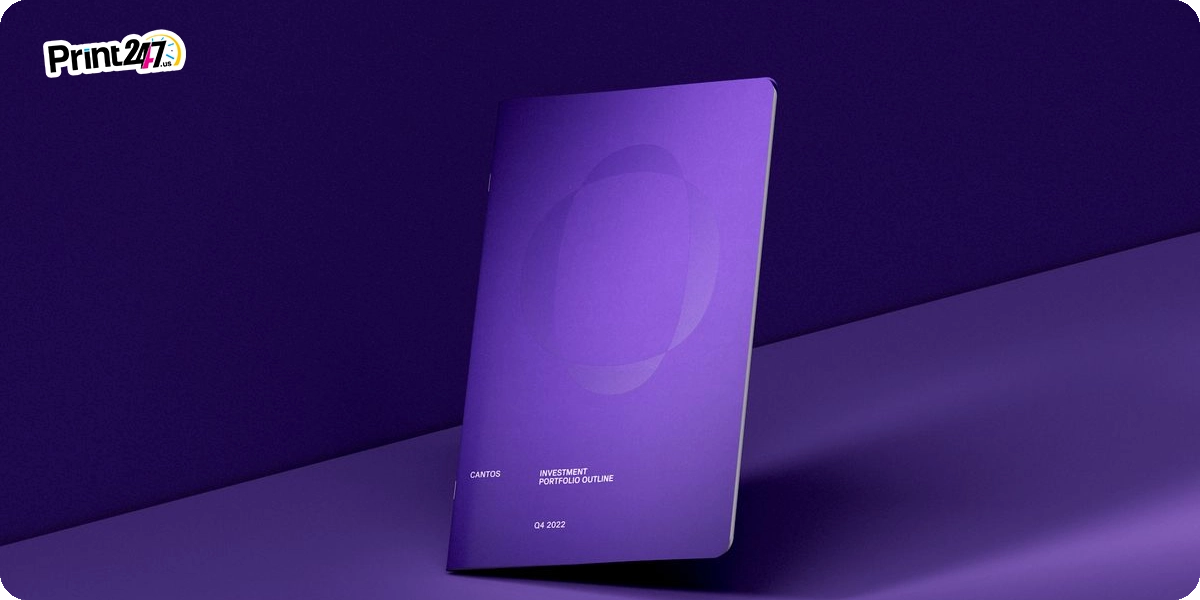
If you are stuck in deciding which one to choose, glossy business cards or matte business cards, then keep this simple rule in mind:
Choose matte if your card design has more text, needs to be writing friendly, or look deluxe and premium.
Select glossy if your card uses strong visuals, needs vibrant color, or should feel bold and high-impact.
Pick the one that complements your brand personality. Don’t go for trends or what others are doing.
This approach works fine than following in the footsteps of others. Some brands test both the finishes on their business cards before committing to one that works perfectly. A small sample run can make the decision much easier.
Explore Plenty of Business Card Options with Print247
At Print247, we specialize in offering custom business card finishing solutions that are designed to match your versatile branding needs and marketing goals. Whether you are looking for a standard business card, a linen business card, an NFC business card, an eco-friendly card, or a QR code business card, we cater to your every business card requirement with utmost diligence and sophistication.
We aim to make your business cards complement your brand and not force you to get stuck with a basic template design. We give businesses options that support both classic and modern presentation styles, including premium and eco-conscious formats. If your design is ready but you are unsure about finish, the team can help guide you toward the right result.
Conclusion
Matte vs glossy business cards is not about choosing a single option that outshines the other. Both have their own uses that can’t overshadow the benefits of another. They are both best in their respective applications. Matte finish offers clear visuals to the printed text and give a premium feel. On the other hand, gloss gives an elegant color, shine, and extra durability to the business cards. The right choice depends on your design, your industry, and the impression you want to leave in those few seconds when someone first holds your card.
With Print247, you do not have to guess. We give you options to choose from matte, glossy, textured, and ecofriendly options, and get our expert help to match the finish with your brand and artwork so your cards feel like a spokesperson of your overall brand identity. When you are ready, share your design with our experts and turn a simple matte or glossy question into a business card that ideally works for you and your business.
Apart from business cards, if you're looking to understand the effects of gloss and matte finishes on packaging, explore our guide on Gloss vs. Matte Finishes for Packaging.
Frequently Asked Questions
Do matte business cards give more professional appeal than glossy ones?
The use case is totally different for both cases. Matte business cards are non-reflective and easy to read under light. This makes them perfect for premium branding and subtle looks. On the other hand, gloss business cards can still look function professionally for crafty business that make more use of colors and graphics.
Can I write on glossy business cards?
Yes, you can but not every time. Many pens and markers can skip ink when writing on glossy surfaces, while matte cards are much more easy to write on.
What is the best finish for business cards if I want a luxury feel?
Matte is the best option for you to fulfil this purpose. If you opt for a thick paperboard for your business cards, the matte coating can give an even better tactile feel. You can further enhance the looks with embossing, gold foiling, or spot UV.
Can I mix finishes or test both?
Yes. You can freely test both matte and glossy finishes in different campaigns, and we can support your requirement with open arms. You can also combine finish types across your broader print materials so everything still feels unified.
Get a Quick Quote

More Articles
 Bill ‘Hogg’ Ryan
What Is Roll Stock? Explore Flexible Packaging Solutions
 Bill ‘Hogg’ Ryan
Christmas Packaging Timeline: When Should You Order?
 Bill ‘Hogg’ Ryan