

Carefully selected materials that deliver exceptional print quality, durability, and shelf presence.


 New
New
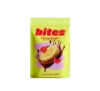
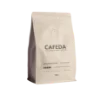
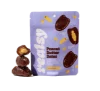

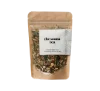
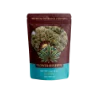
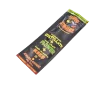

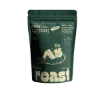
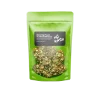



Are Mylar Bags Smell Proof? The Truth About Odor Control in 2026
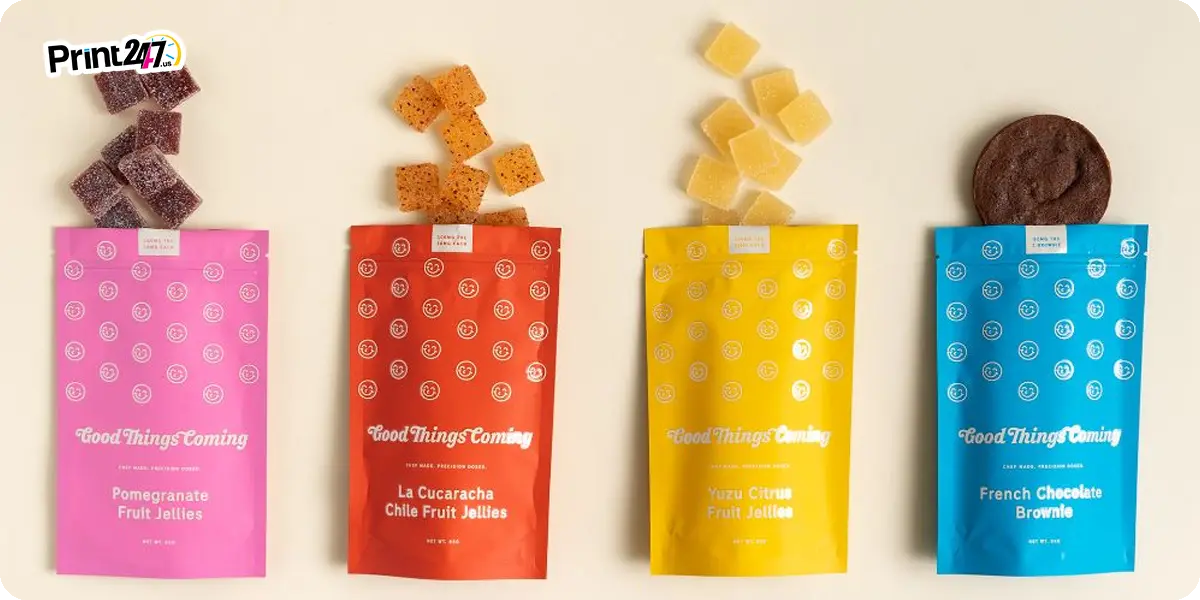
Yes. Mylar bags are smell proof if properly sealed and manufactured with industry standards. BoPET also known as Biaxially-oriented polyethylene terephthalate is a material that is used in mylar bag construction that creates an impermeable barrier that prevents gas and odor molecules from escaping. In general, the effectiveness of a zipper depends on the thickness of the material that is typically 3.5-7 mil.
If you own or run a cannabis brand, smoke shop, edibles line, or food company, you already know this. The smell of something can make or break you. The smell of marijuana in a warehouse, dispensary, or retail store isn't just irritating. It can raise legal, safety, and brand risk.
That is why so many brands moved to mylar bags with smell proof packaging in recent years. But are they really smell proof, or is it just marketing talk? In 2026, odor control standards are higher, regulations are tighter, and buyers are far more picky.
We will look at how odor proof mylar bags work, what controls their performance, how to test your own bags, and where brands go wrong in this blog. You'll learn what questions to ask your packaging supplier before signing your next purchase order.
Key Takeaways:
Mylar is an excellent odor barrier when film and seal quality are right
Most “mylar bags odor proof” failures come from weak seals or thin film
Bag thickness and material structure matter more than just the word “mylar”
Lab tests plus simple in-house checks keep your brand safe
Good cannabis smell proof packaging also needs child resistance and compliance
Partner choice in 2026 matters more than ever for odor control
What Makes Mylar Bags Smell-Proof?
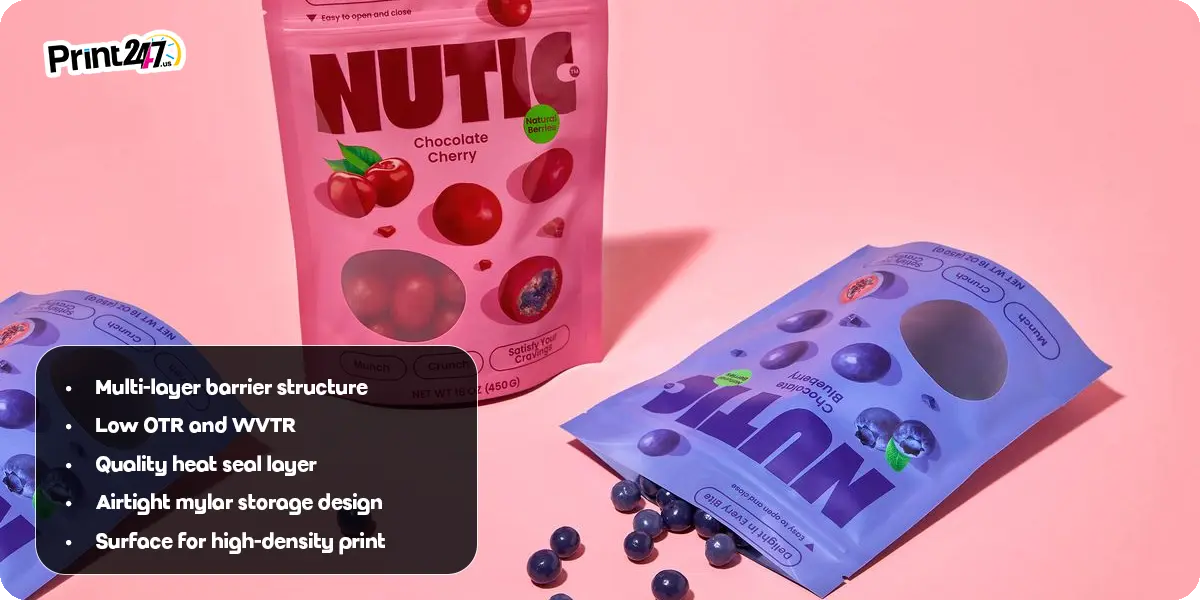
To find out what makes mylar bags smell-proof, we have to look at the material itself. Mylar is a PET film, often metalized with aluminum that acts as a strong barrier against oxygen and aroma. The right use of smell proof mylar packaging can provide strong scents with long-lasting stability for a long period.
Here is what gives smell proof mylar bags their power:
Multi-layer barrier structure: Most bags use laminated layers. A metalized core blocks odor, light, and oxygen, while outer layers add print, gloss or matte finish, and puncture resistance.
Low OTR and WVTR: High quality metallized mylar bags have very low oxygen transmission rate and water vapor transmission rate. Lower numbers mean less odor migration through the film over time.
Quality heat seal layer: The inner sealant layer melts and bonds to itself in heat seal mylar bags. A proper seal line, with the right dwell time and temperature, closes off aroma pathways.
Airtight mylar storage design: Press-to-close zippers, child resistant zippers, or tear-notch plus heat seal all affect how “airtight” the system is. The film is one part, the closure system is the other.
Surface for high-density print: High coverage inks and coatings on odor barrier packaging add one more tiny layer for odor control, although their main role is branding.
When it comes down to it, the film, the structure, and the sealing system work together. If one part of an odor barrier fails, the entire barrier is compromised. The Mylar bags become odor-resistant when all parts are optimized, so they can pass consumer and store nose tests.
What Determines How Smell Proof a Mylar Bag Is?
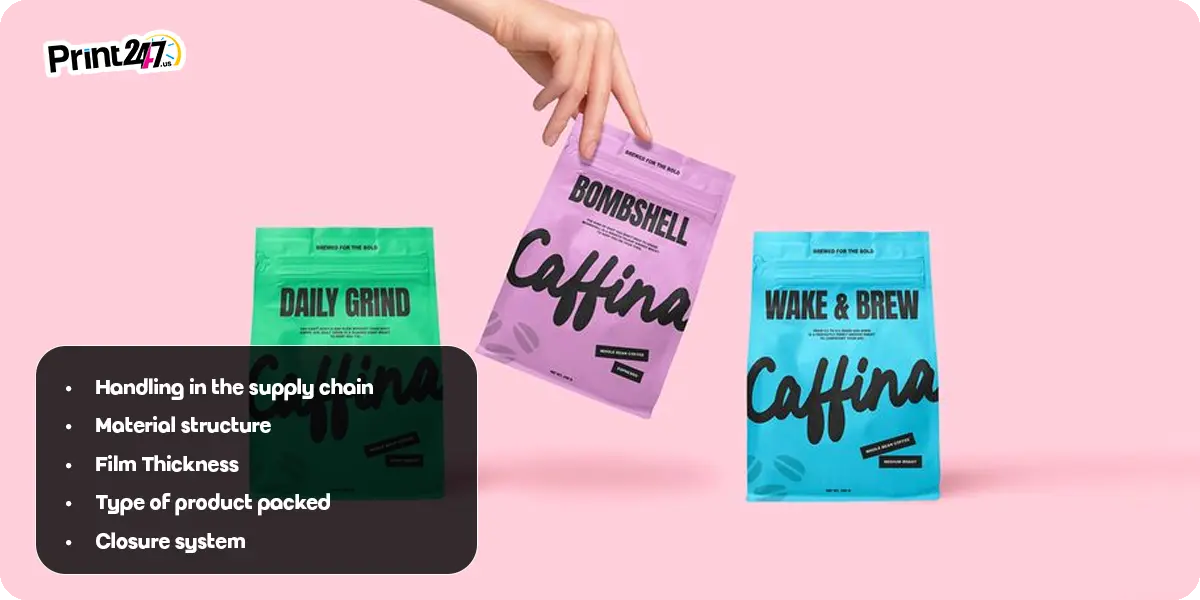
There are multiple factors that determine how smell proof a mylar bag is. Not all custom mylar pouches perform the same. If there are two bags on the shelf, the bags may appear identical, yet behave differently in a warehouse full of cannabis flowers, edibles, or coffee.
You need to consider these factors to determine how "smell tight" your packaging really is.
Handling in the supply chain: Overfilling or poor carton packaging can stress seals and cause microleaks over time.
Material structure: A 3-layer laminate might be PET / ALU / PE or MET-PET / PE. The exact stand controls odor and moisture barrier, tear strength, and seal reliability.
Film Thickness: When a mylar bag is higher in thickness, it usually means a stronger barrier and better puncture resistance. Single-layer films are more likely to leak odor.
Type of product packed: high terpene flower needs stronger terpene retention bags than mild snacks. More active aroma compounds will find weak spots faster.
Closure system: Zipper style, child resistant feature, and seal width all impact odor control. Many child resistant mylar bags rely on a tight press-to-close plus heat seal at first fill.
The best way to test the smell proofing of a bag is to remove the excess air from the bag, seal the zipper, and apply a heat seal.
How to Test if Your Mylar Bag is Truly Smell Proof?
While brand teams may have lab data, they still want to see how it works in the real world. Eco friendly Mylar bags that are smell-proof do not require a high-tech lab to be validated. Testing your team's samples is a simple way to flag bad lots before they reach fillers or co-packers.
Here’s how you can test a mylar bag whether it is truly smell proof or not.
Step 1: The Strong Aroma Test
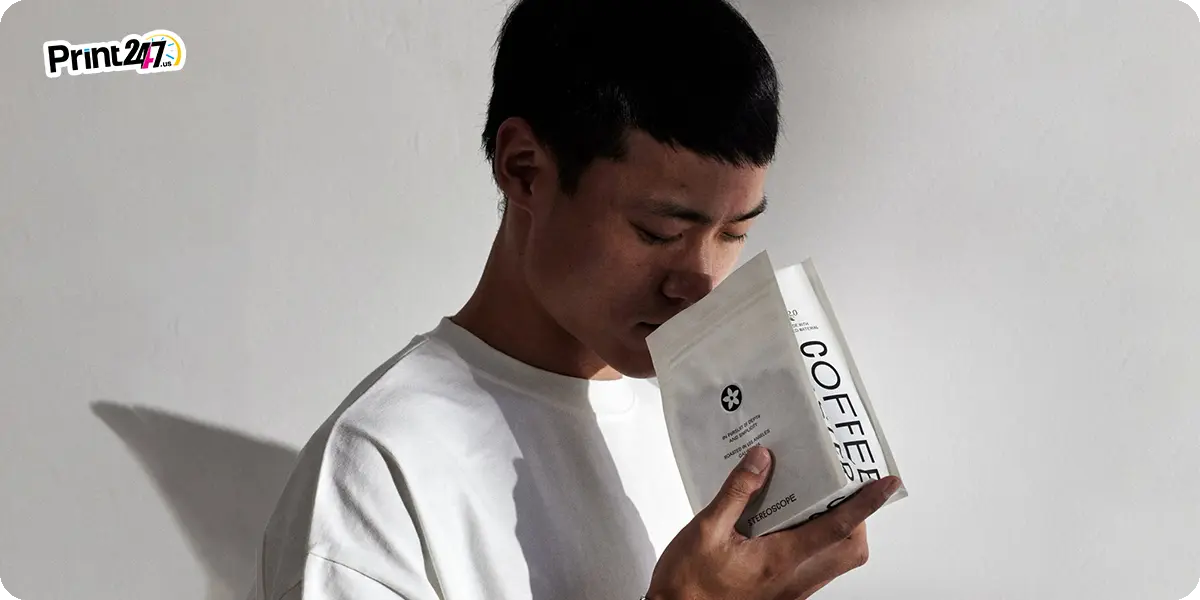
Fill sample mylar bags with a high odor product such as ground coffee, garlic, or legal cannabis flower in a controlled room. After that, seal the Mylar bag using the same equipment and settings you use in production. After storing the pouches for 24 to 72 hours in a closed container or room with a neutral odor, place them in a neutral smelling area. When your team smells the product outside, there is probably a problem with the barrier or seal.
Step 2: Squeeze and Flex Test
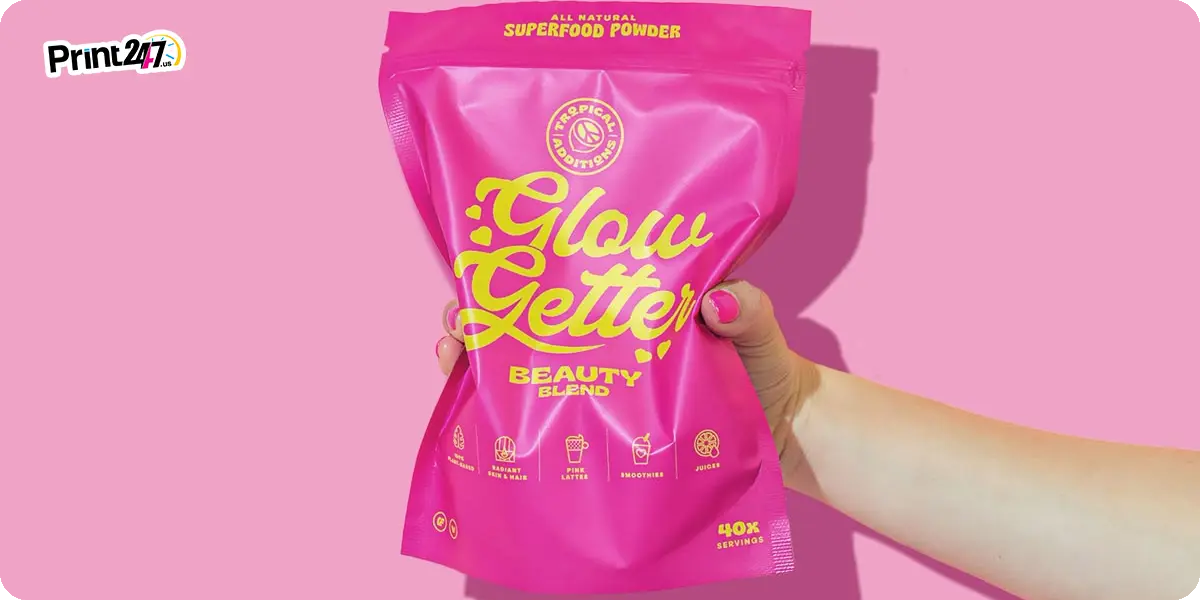
After the rest period, ask your quality assurance team to firmly squeeze and flex each custom mylar pouch by hand. Focus on seal areas, zipper lines, and corners. There may be weak seals, poor mylar storage, or too thin film for your product density if odor only appears when the bag is stressed.
Step 3: Water Bath Seal Check
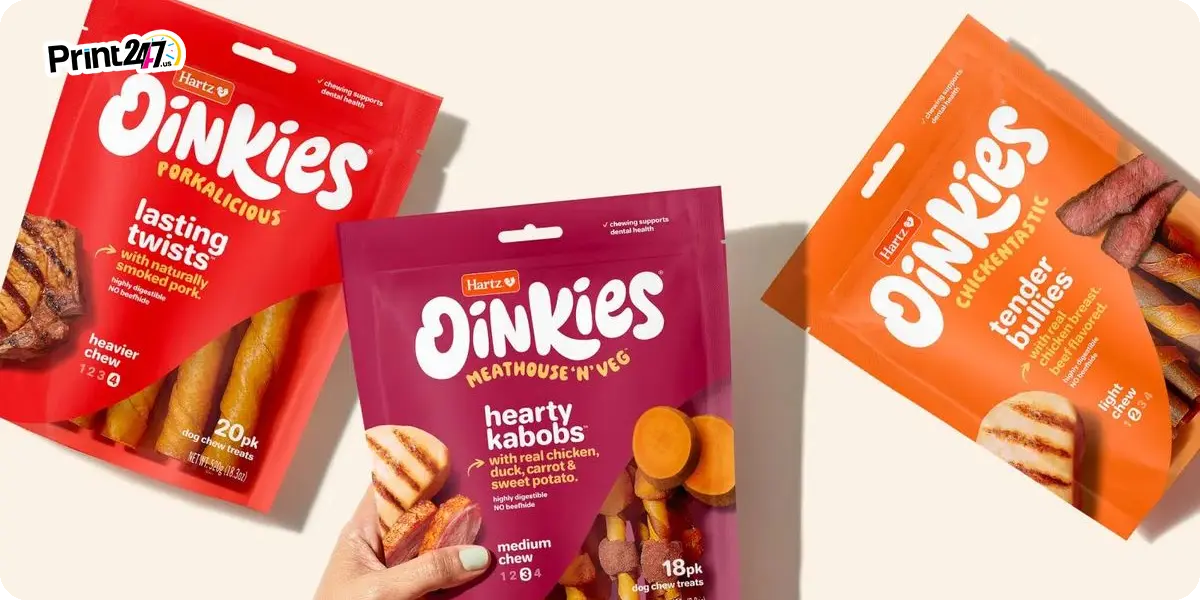
Seal quality plays a significant role in mylar bags' odor proof performance. You should fill sealed bags with air, close them, then submerge them in clean water. Apply gentle pressure to the bag. The air and aroma can also escape if bubbles appear along the seal or zipper. You should adjust the temperature, pressure, and dwell time before scaling up.
Step 4: Partner Lab Testing For B2B Proof
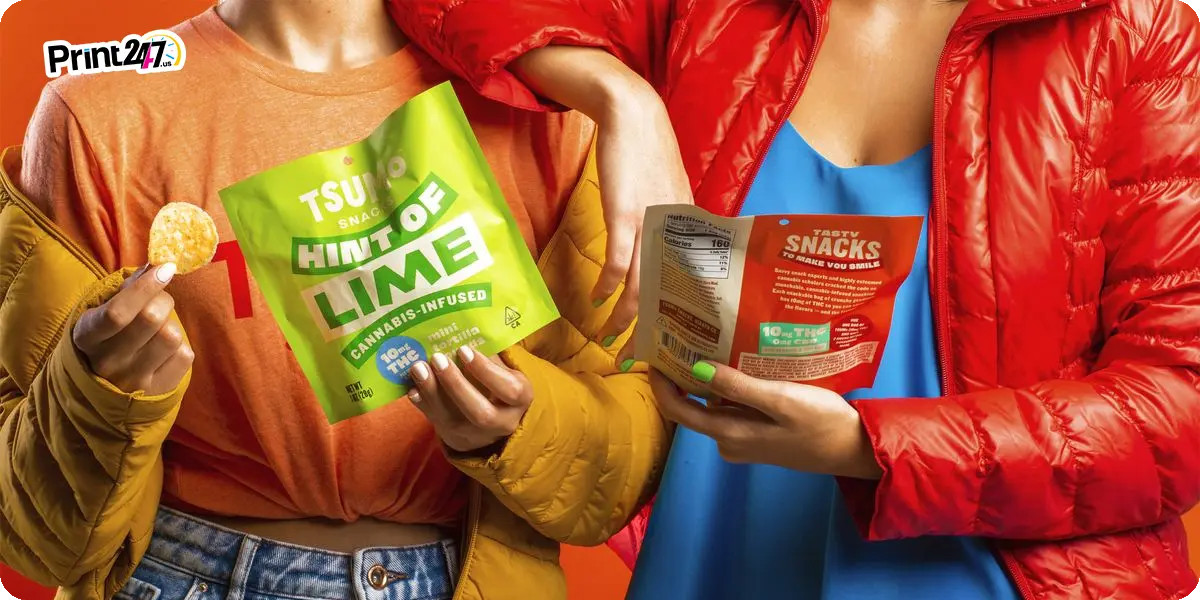
For serious contracts, ask your packaging supplier or a third-party lab to run formal tests such as OTR, WVTR, and compression tests on your odor proof mylar bags. This gives you data to present to buyers, regulators, or investors who care about shelf life and odor control claims.
Final Answer: Are Mylar Bags Smell Proof?
Yes. High grade smell proof mylar bags built with proper barrier film, correct mylar bag thickness, and clean, wide heat seals can block almost all odor in normal use. They work very well for cannabis, edibles, and strong food items.
However, they do not work like magic. A thin bag, one that is not well sealed, or one that has been used over and over again will let the smell out. You also need good product handling, filling rules, and QC tests. So yes, mylar can be “smell proof enough” for strict brands, but only when specifications and process are set with care.
You should work with a supplier that understands barrier science as well as branding when you need new cannabis smell-proof packaging or food products. With Print247, US brands can benefit from free structural and artwork assistance, eco-friendly options, and fast production. We also offer physical samples so you can test fit, print, and odor control before launch.
Get a Quick Quote

More Articles
 Bill ‘Hogg’ Ryan
Is a Protein Powder Pouch Cheaper Than a Tub? Cost and Shelf Life Compared
 Bill ‘Hogg’ Ryan
Why Triangle Mailing Tubes Are a Cost-Effective Alternative to Custom Boxes
 Bill ‘Hogg’ Ryan