

Carefully selected materials that deliver exceptional print quality, durability, and shelf presence.


 New
New





What Are the Types of Food Packaging? A Complete B2B Guide
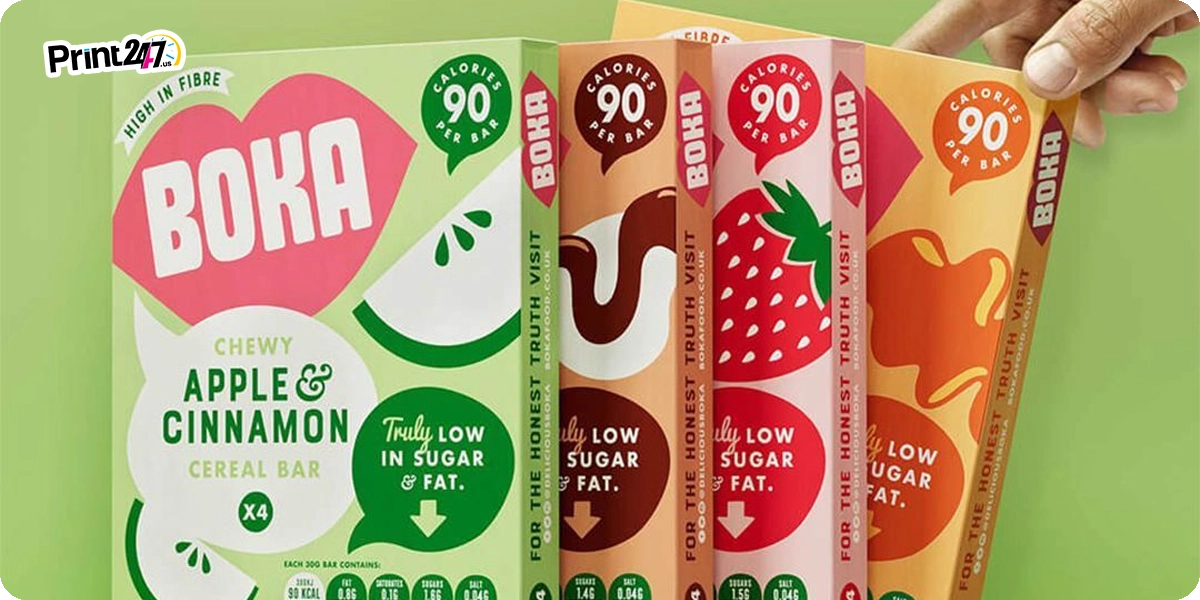
Packaging shapes the product experience. It is especially important when you’re running a food business. Your food packaging choice can have a great impact on your food items. Food grade packaging is a basic necessity if you’re selling edible items.
Are you wondering what makes food packaging so special? Well, such packaging solutions use special materials and expressive design techniques to safeguard, preserve, transport, and present vulnerable food items.
Pick the right food contact packaging to stand out on shelves. Getting it wrong could lead to failure in the face of ruthless competition, or worse.
Packaging is the only thing that boosts your product’s shelf appeal and influences customers' purchasing decisions. Food packaging falls into three different functional levels:
Primary packaging
Secondary packaging
Tertiary packaging
We prepared this guide to cover the different types of food packaging and how they function. We’ll also discuss different food safe materials and how to choose the one that meets your business and product needs.
What is Food Packaging?
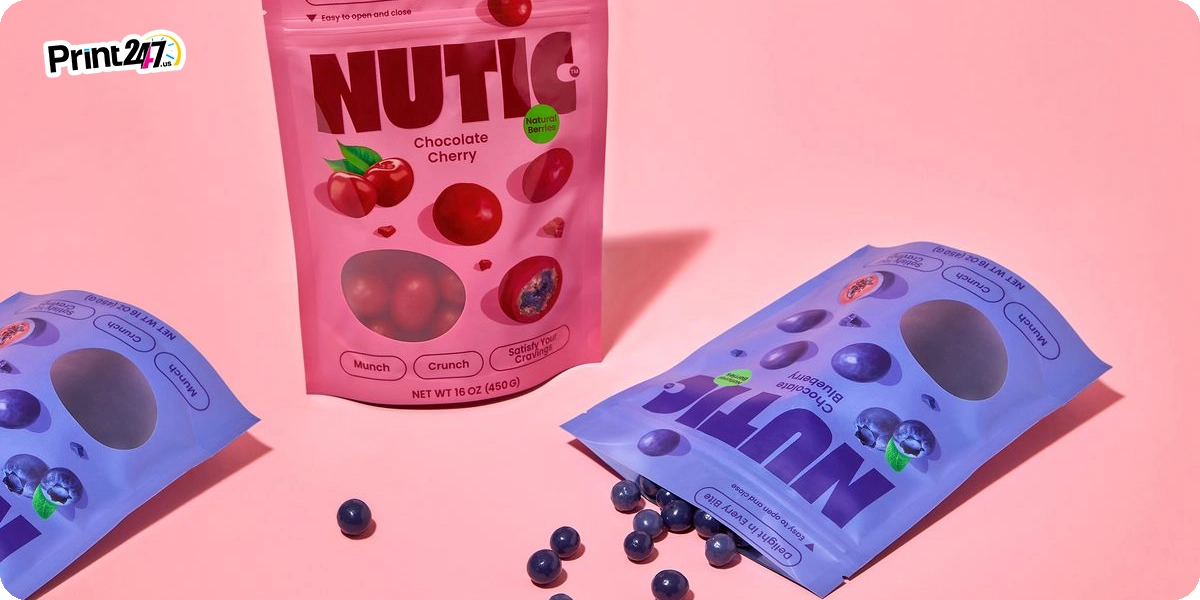
Food packaging is the regulated structure of materials used to contain, protect, preserve, transport, and present food products to consumers in a professional manner.
Food packaging core functions include:
Containment
Protection
Branding
Preservation
Convenience
Compliance
It matters more for B2B buyers as they look for packaging that improves their product’s shelf life, durability, regulatory liability, and brand consistency. The global food packaging market has seen tremendous growth, starting from USD 533.22 billion in 2025 and is predicted to grow to USD 930.89 billion, with a CAGR of 6.46%.
Brands can add nutritional facts and ingredient lists to help guide health conscious shoppers. Freshness guarantees and urgent allergen warnings keep families safe from unexpected harm.
The food and beverage packaging industry in the USA actively looks for packaging that strictly complies with rules set by the US Food and Drug Administration (FDA). This helps guarantee that packaging does not leach toxic chemicals into food and is secure for direct food contact.
The Levels of Food Packaging
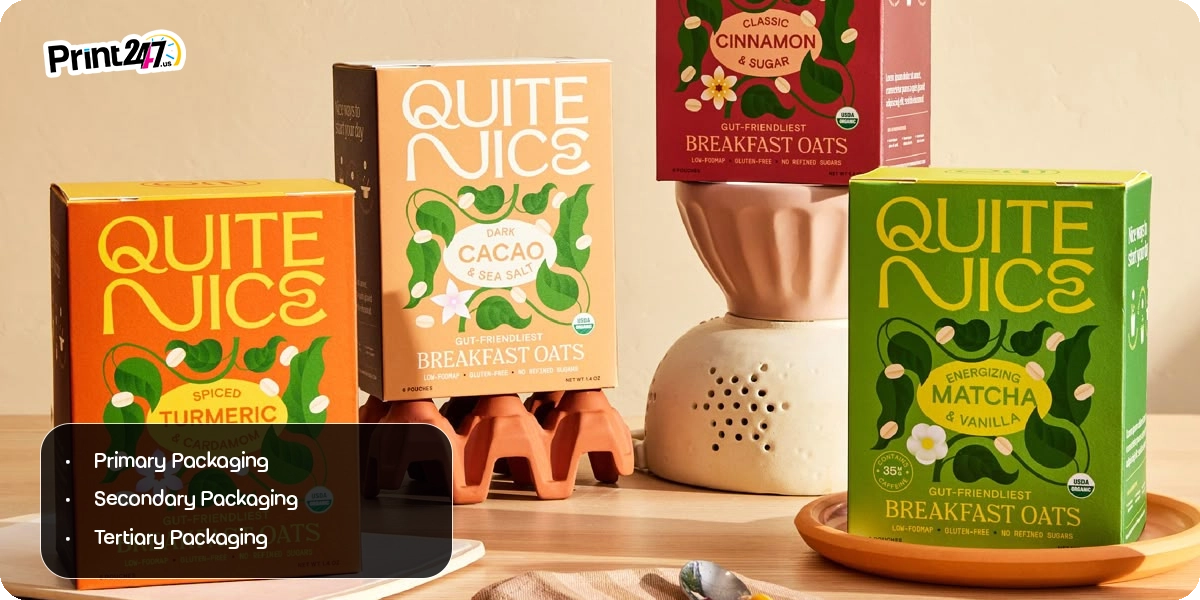
Food packaging is divided into three important structural levels. Let’s discuss them in detail:
Primary Packaging
Primary packaging is the vital inner shield in direct contact with your food. It keeps treats irresistibly fresh, perfectly safe, and ready to enjoy.
Secondary Packaging
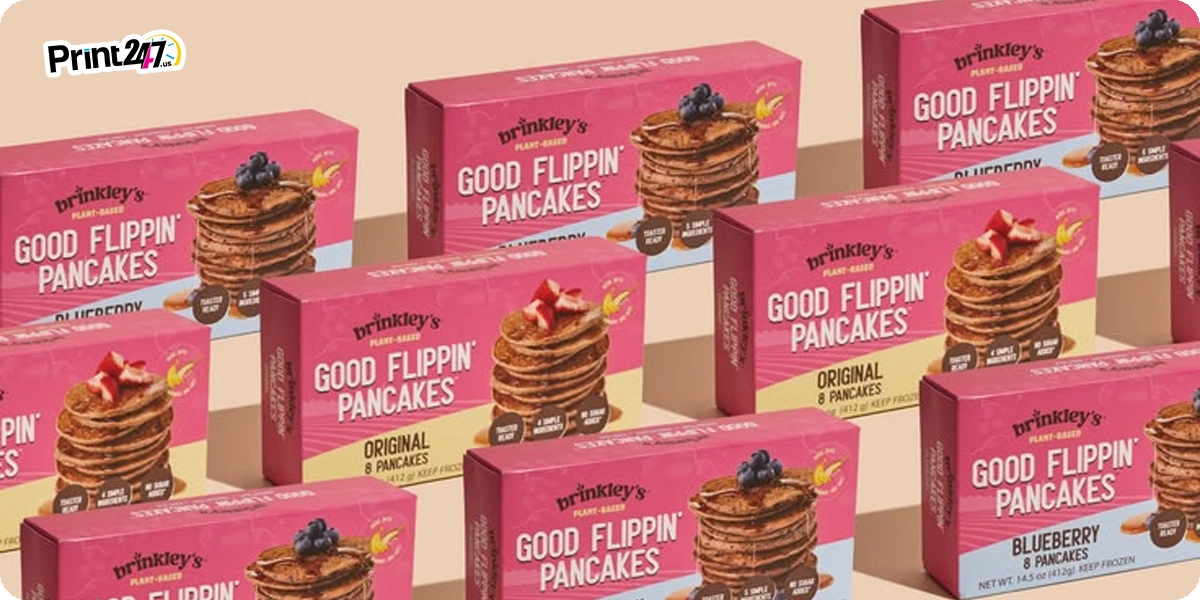
Secondary packaging is the outermost layer of the packaging that groups primary units together. It is basically used for branding, retail display, and extra shelf protection. The examples of secondary packaging include cardboard boxes, cartons, multipacks, retail packaging boxes, and display packaging boxes.
Tertiary Packaging
Essential tertiary packaging shields massive product shipments during brutal long distance transit. Robust wooden pallets, heavy-duty crates, and sturdy corrugated boxes make handling these huge inventories easy and safe.
What Are the Essential Types of Food Packaging?
Food packaging comes in distinct types based on your business and food requirements. Each packaging type is created for a precise goal. Let’s discuss the various types of food packaging:
Plastic Packaging
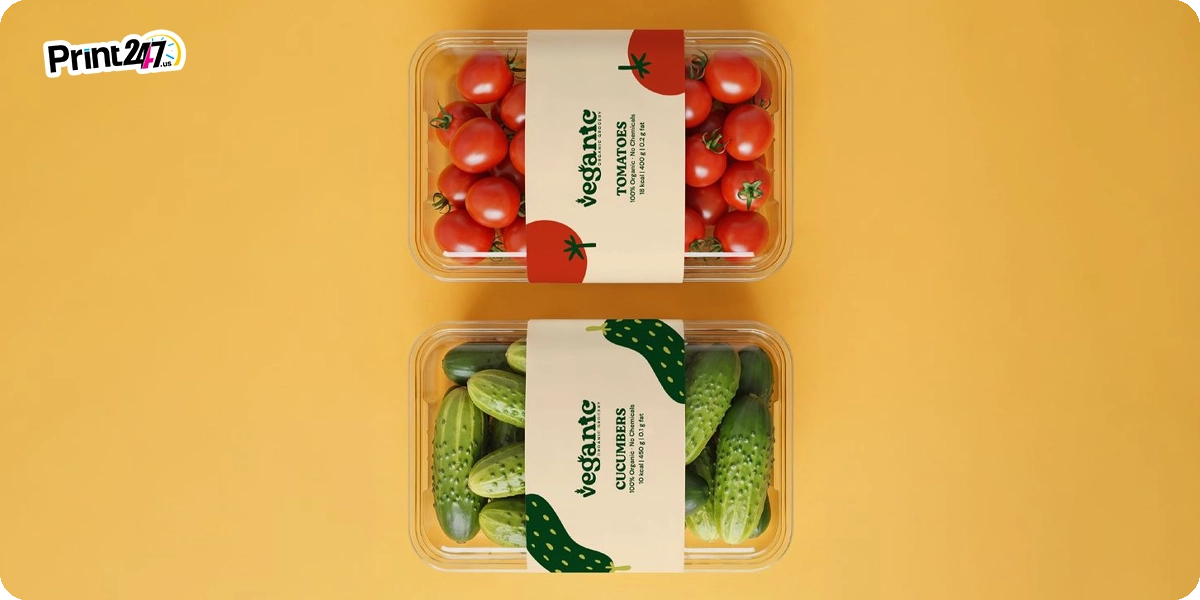
Plastic is used the most in the food industry. It's a famous option as it is versatile and lightweight. Brands use this packaging format as it is more cost effective than the others.
There are many types of plastics that are employed in food packaging, such as:
Polyethylene (PE)
Polypropylene (PP)
Polyethylene Terephthalate (PET)
PE is utilized for food storage bags, while PP is used for deli trays and yogurt containers. PET is a transparent plastic film that helps improve product visibility. It is utilized for beverage bottles and food containers.
Flexible Packaging
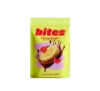
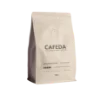
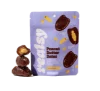
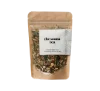
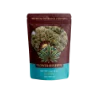
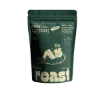
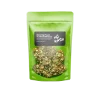
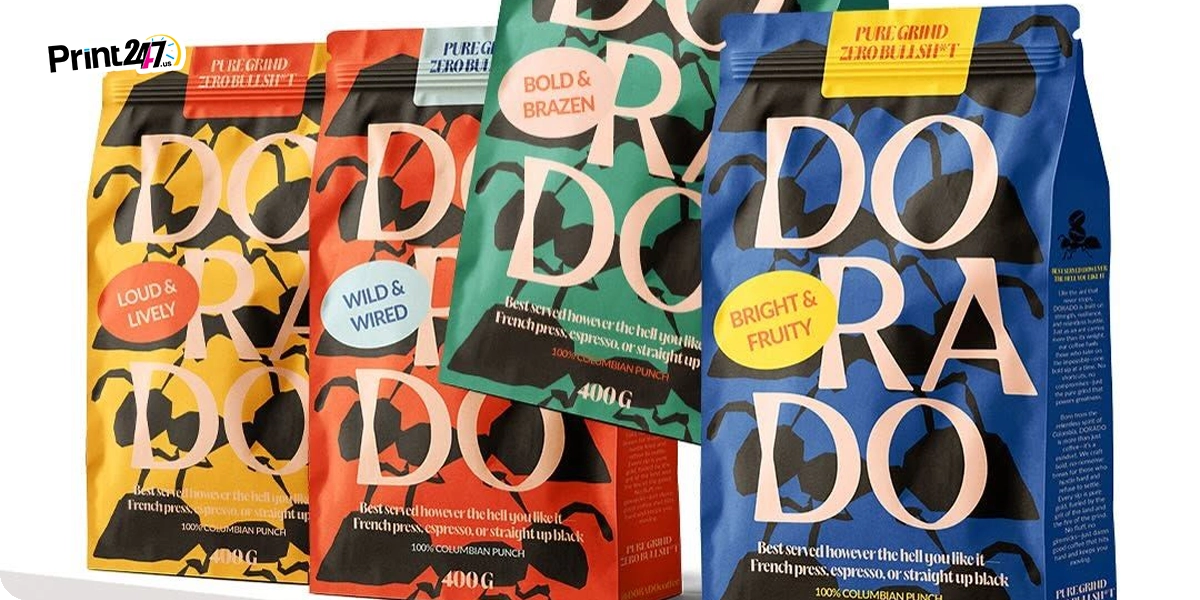 Flexible pouches are widely used to Flexible pouches are widely used to pack and store food items. They are considered an efficient food packaging solution that helps keep food products safe for a long time. Brands use them to store different types of food items. They work exceptionally well for dehydrated food storage, snacks, and coffee.
These striking materials offer brilliant branding choices. They effortlessly maximize your product's standout power on busy shelves.
Pillow pouches
These pouches feature food linings, which make them super safe for direct food contact. They are lightweight and cost efficient packaging solutions for food products. They are also used as resealable coffee bags.
Box Packaging
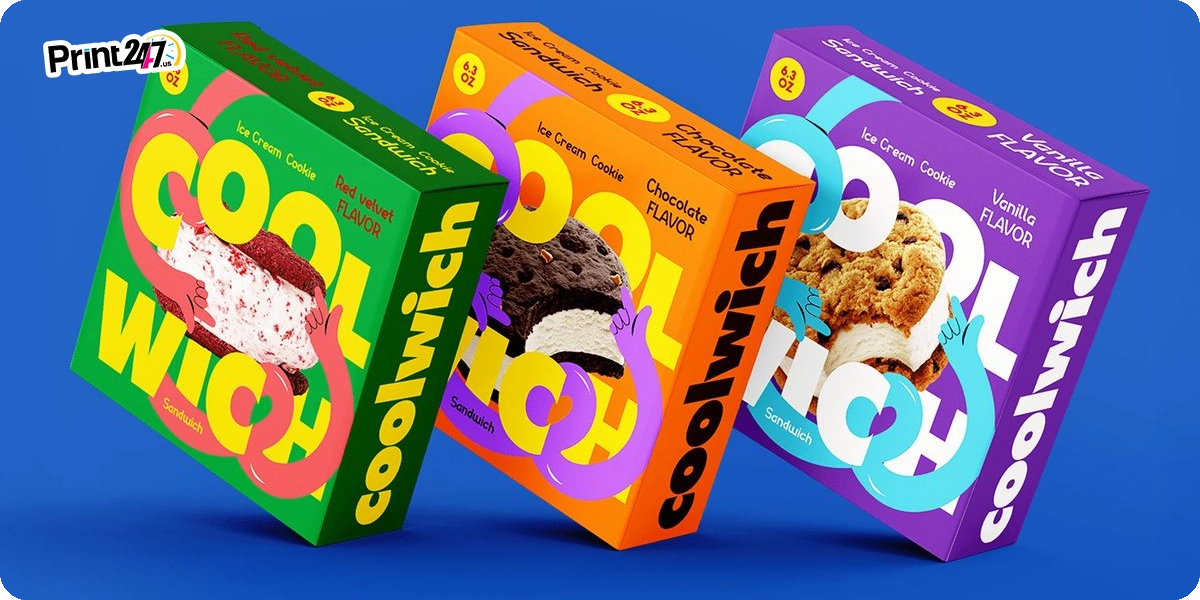
Food boxes are versatile packaging solutions that also come in different formats. They are used to serve different food packaging purposes. These boxes are made using the following packaging materials:
Cardboard
Paperboard
Kraft
These materials are coated with food safe coatings, including PE and wax coating, to prevent contamination and oils from soaking through the box. These food safe coatings ensure the box maintains its structural integrity and does not look soggy.
The box’s materials are FDA compliant and FSC compliant which confirms that they are sourced from responsibly managed forests. They are recyclable and offer enough for branding. They are a perfect food packaging solution for eco conscious brands.
Print247 offers exceptional custom made food boxes that are designed to retain heat and simplify delivery. Let’s take a look at the most common examples of boxes used in food packaging:
Pizza boxes
These boxes can be easily customized in different shapes and sizes.
Eco Friendly & Biodegradable Packaging
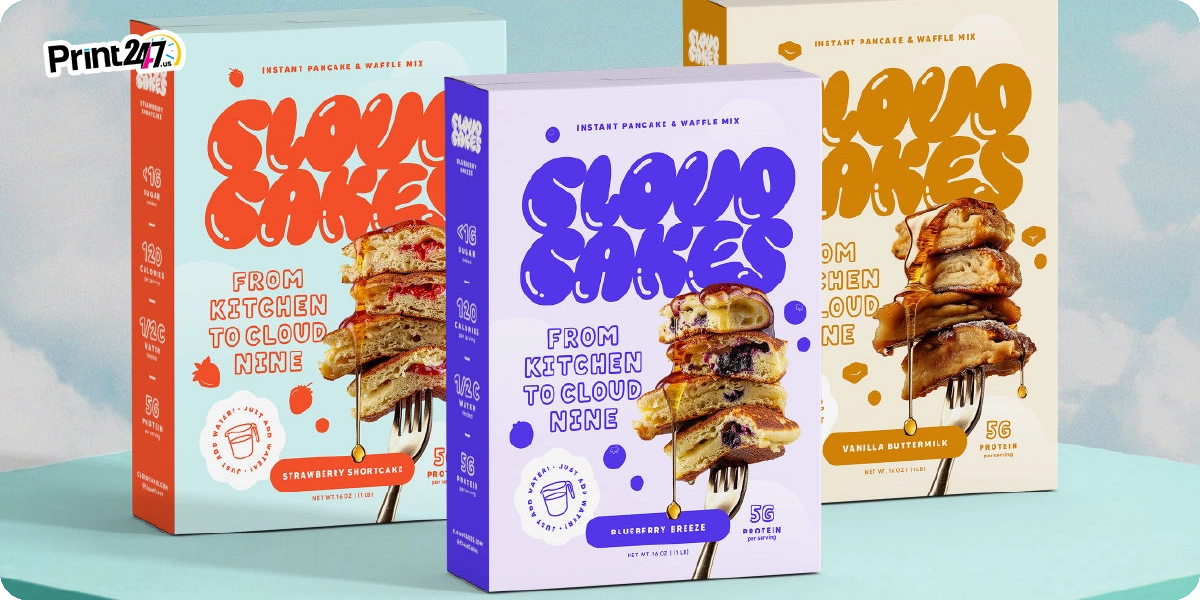
Using eco-friendly or biodegradable food packaging is also a smart choice. It involves using plant based packaging solutions and molded fiber trays and containers. They are secure for direct food contact and help brands lower environmental waste.
Glass Food Packaging
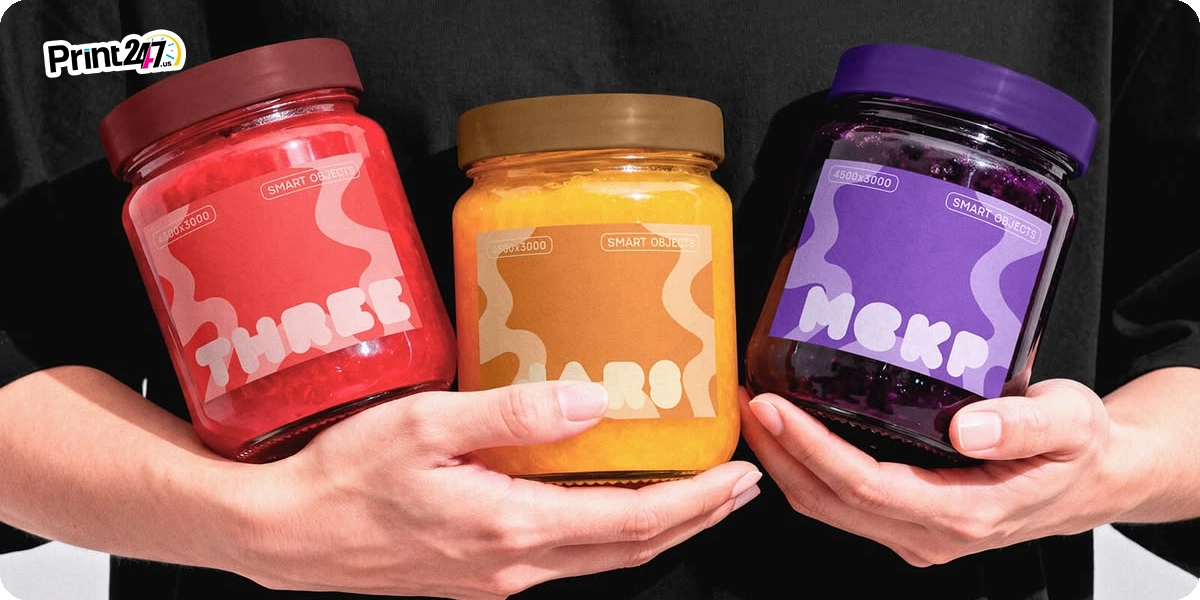
Using eco-friendly or biodegradable food packaging is also a smart choice. It involves using plant based packaging solutions and molded fiber trays and containers. They are secure for direct food contact and help brands lower environmental waste.
Food Packaging Materials, Safety, and Compliance
Safety isn’t optional in the food packaging industry. In the US packaging industry, every food brand needs to follow strict safety guidelines.
Whether you are going to use them as bakery packaging, restaurant packaging, food trucks, or more, it is important to make sure the packaging is safe for direct food contact. The FDA sets strict rules for any material that touches the food, also known as food grade packaging.
Print247 uses tested and approved packaging to ensure no harmful chemicals can contaminate the product’s quality, making it unsafe to eat.
Safe packaging for food is especially important for B2B buyers. Food grade packaging not only protects their food items, but it also protects them from lawsuits and lost customer trust.
Therefore, choosing the ideal, strictly compliant materials for your perishable food items is absolutely essential to protect the final product and your entire business.
How to Pick the Right Food Packaging for Your Business
Matching your distinct product needs to your practical budget and unique brand goals guarantees you select the ideal food packaging solution. Considering key decision factors leads directly to the smartest choice.
Are you sealing crunchy, dry snacks and wholesome grains? Or are you pouring rich oils and vibrant juices?
Define what your brand’s sustainability goals are to guarantee your packaging meets the growing consumer demands.
Consider your branding goals to ensure your packaging helps maximize your product’s shelf appeal.
Final Thoughts
Your final packaging choice can significantly affect overall safety, extended shelf life, operational cost, and consumer brand perceptions. The dynamic food packaging industry is evolving at incredible lightning speed.
This is why you need to be highly strategic and smarter about what you choose. Choose from innovative, eco friendly alternatives and advanced, smart packaging solutions to reduce harmful environmental waste while ensuring your valuable food products remain perfectly fresh.
Print247 is here to help you find the perfect innovative foodstuff packaging. We offer:
Sustainable packaging option
Customizable food grade packaging
Different types of packaging for every product type
Attract new customers with reliable, ultra-safe packaging solutions and build a powerful, professional brand image. If you have any detailed questions about your specialized product packaging, you can request a comprehensive custom quote. Our expert team will reach out to you soon and assist you during your entire packaging journey.
We’ll provide you with packaging supplies that meet containment needs and make your food unforgettable.
FAQs
Which packaging type is ideal for long term food storage?
Mylar bags with integrated oxygen absorbers are regarded as the most suitable option. They are the best choice for long term food storage.
This premium packaging solution is incredibly reliable. It keeps delicate food items secure. It stops damaging light, unwanted moisture, and stale oxygen.
Are custom boxes secure for direct food contact?
Custom boxes are manufactured from food grade materials and non toxic inks, which makes them safe for food items. They are also coated with food safe linings that prevent oil and water leakage. These specialized coatings allow the box to maintain its structural integrity.
Which food safe inks do you use for secure printing?
We use food grade and eco friendly printing inks for your packaging. The following are the printing inks we use:
Water based inks
Low migration inks
UV curable formulations
Get a Quick Quote

More Articles
 Bill ‘Hogg’ Ryan
Guidelines for Picking the Best Collagen Drink Packaging for Your Brand
 Bill ‘Hogg’ Ryan
Roll Labels vs Sheet Labels and When Each One Makes Sense
 Bill ‘Hogg’ Ryan