


Carefully selected materials that deliver exceptional print quality, durability, and shelf presence.


 New
New

















How to Choose Box Thickness for Durable Puzzle Packaging
Brands face an overwhelming number of options when it comes to choosing the most suitable thickness for durable puzzle packaging. Paying attention to it is extremely important, as the wrong box thickness can cause some problems such as:
Crushed corners on arrival.
A box lid that won’t close securely.
A box that feels cheap.
Pretty printing alone won’t work here. It cannot fix a customer's first impression of your products. The box thickness determines how the box looks and feels.
So how thick should the cardboard box be to keep each puzzle piece safe and presentable? The right thickness depends on puzzle weight, piece count, box size, and material density. In this detailed blog, we will discuss how to choose the best thickness for sturdy puzzle packaging.
What Does “Box Thickness” Actually Mean?
Box thickness in packaging means measuring the physical depth or caliper of the material in contrast to its weight. Board specs use four units: PT and mm measure thickness, while GSM and lb measure weight.
PT
GSM
lb
mm (caliper)
Mixing these units up is how brands order the wrong board. Take a look at the table below to understand them better:
Unit | What it actually measures | What to know |
PT (points) | Real, physical thickness | 1pt = 0.001 inch = 1 mil. A 20pt box is measurably thicker than a 12pt one. |
GSM (grams/m²) | Weight per square meter of material | A higher GSM indicates greater material density, which typically correlates with increased board thickness. |
lb (basis weight) | Weight in pounds per 1,000 sq ft of board | It measures weight per 1,000 sq ft of board. A higher basis weight means the board will be sturdier and denser. |
mm (caliper) | Physical thickness in millimeters | The standard for corrugated flutes and rigid chipboard/greyboard. |
Matching The Board Type To Different Puzzle Box Styles
Durability is central to good puzzle packaging. Brands should make sure board types match the structural box style with the right material caliper. A box that aligns well with the packaging format and industry-standard material specs can easily withstand retail handling and transit.
The following are the main puzzle box styles that require a specific structural board:
Folding Cartons
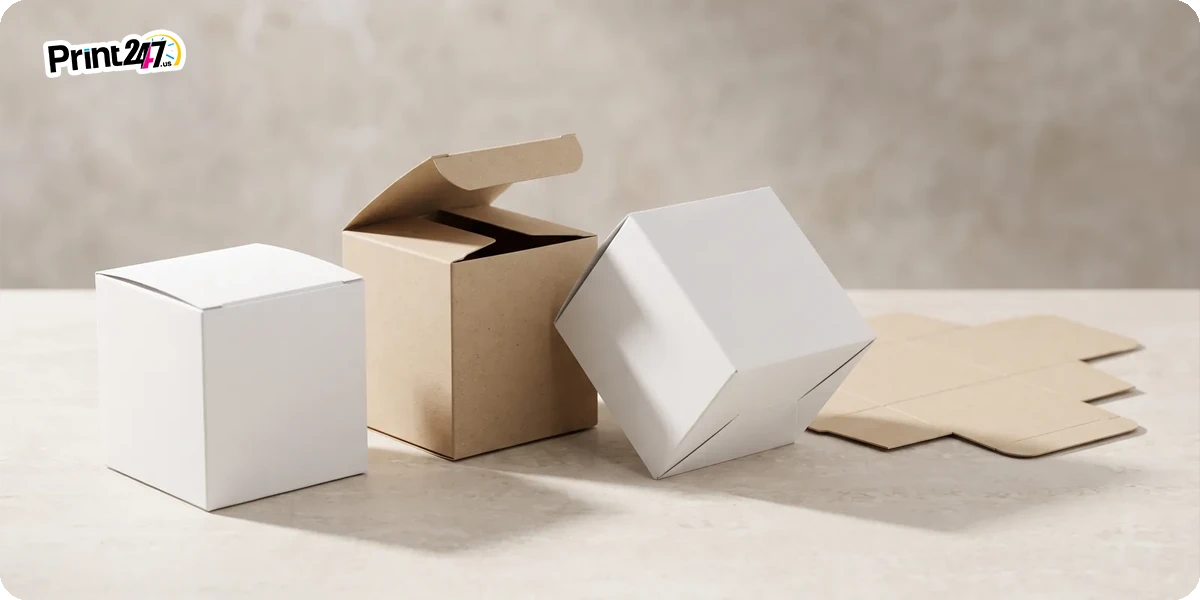
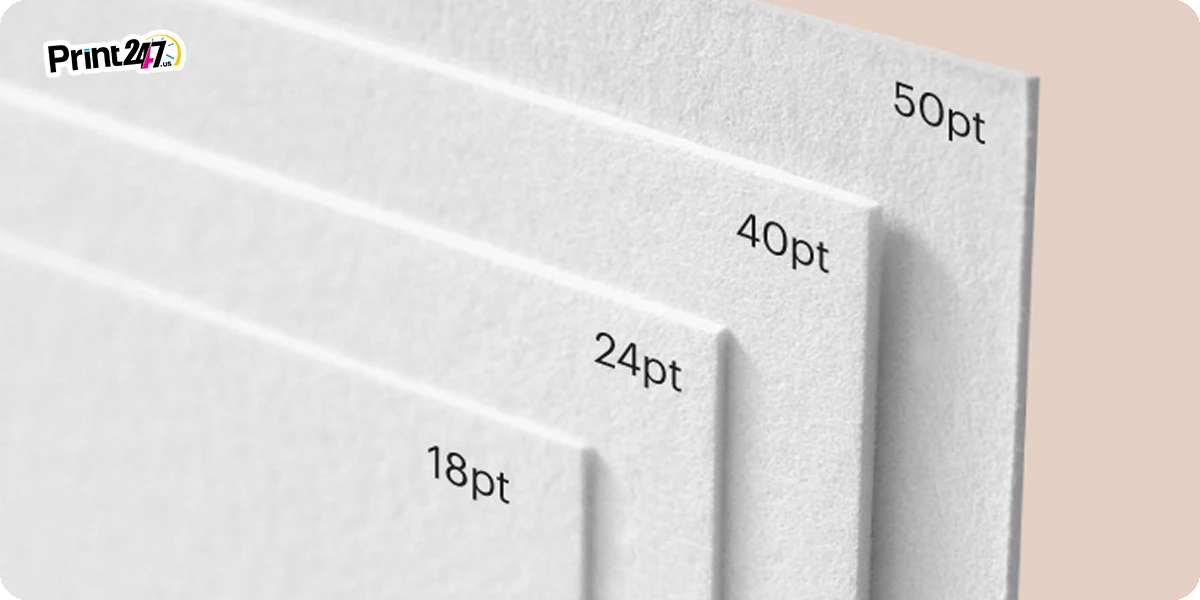
Folding cartons, commonly referred to as tuck boxes, are custom engineered for lightweight travel sets and low-piece-count puzzles.. The right board grade ensures high structural integrity and crisp edge retention. The material caliper for this style ranges between a sturdy 10pt and 18pt solid bleached sulfate (SBS) paperboard substrate.
They are flat packed for distribution. This helps improve warehouse storage efficiency while significantly minimizing freight and shipping overhead.
Rigid Two Piece Boxes
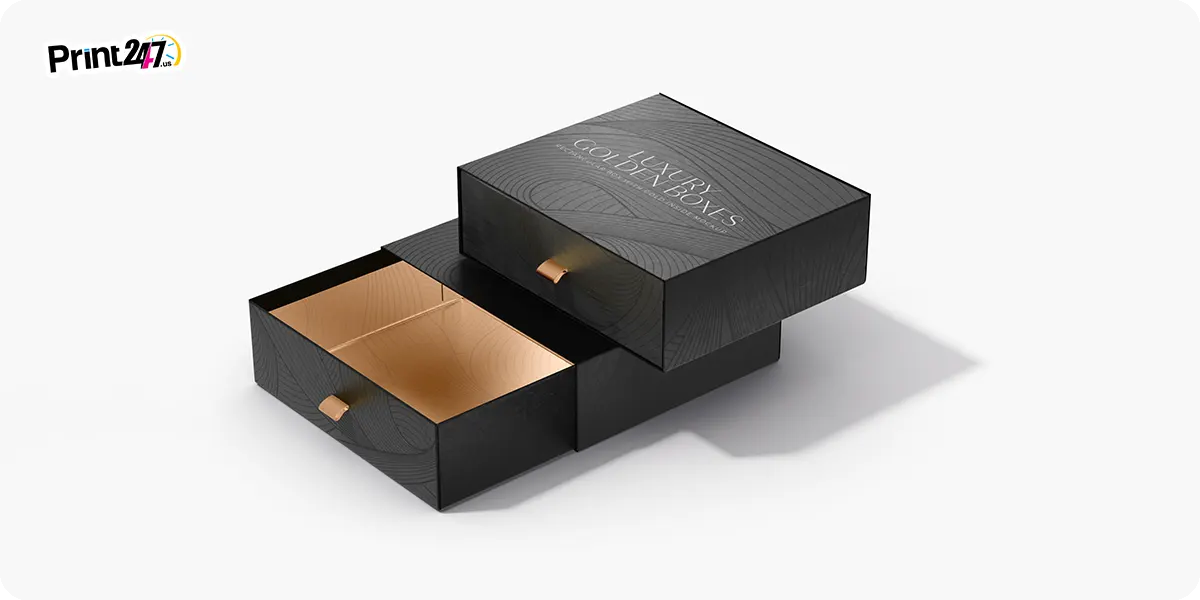
They are lid and base boxes that are used for premium retail puzzles. They are delivered fully pre-assembled and constructed around a durable, structural greyboard or chipboard core.
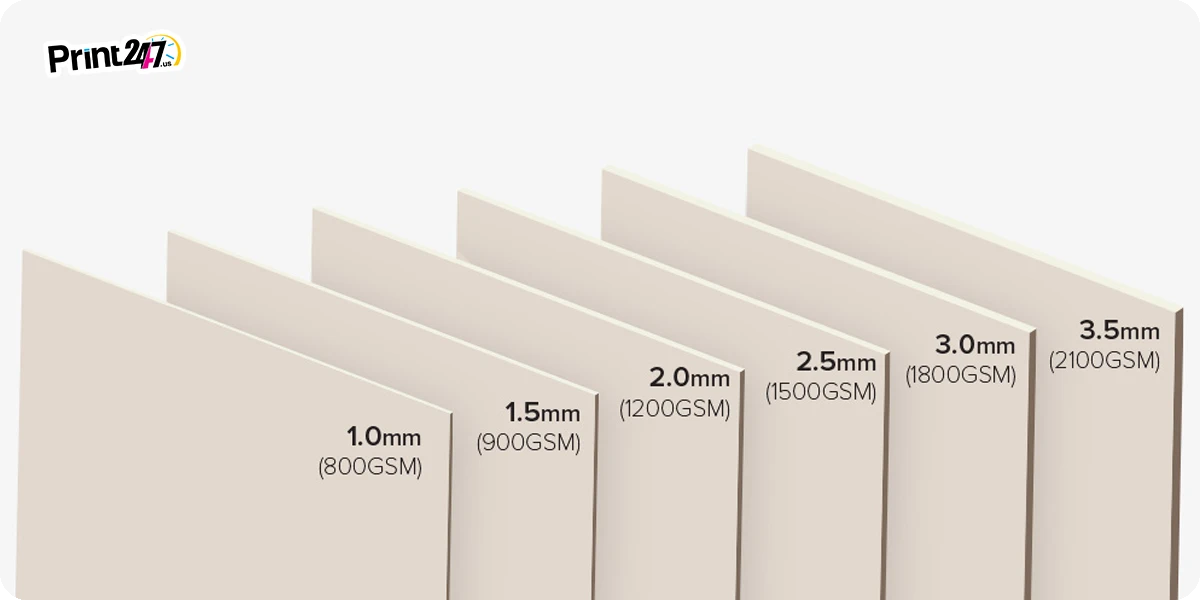
They are engineered with a robust 1.5mm to 2mm caliper thickness. This solid and multi-layered architecture gives the package an intentionally heavy, high-end weight that improves durability and delivers a memorable unboxing experience for the customer.
Corrugated Mailers
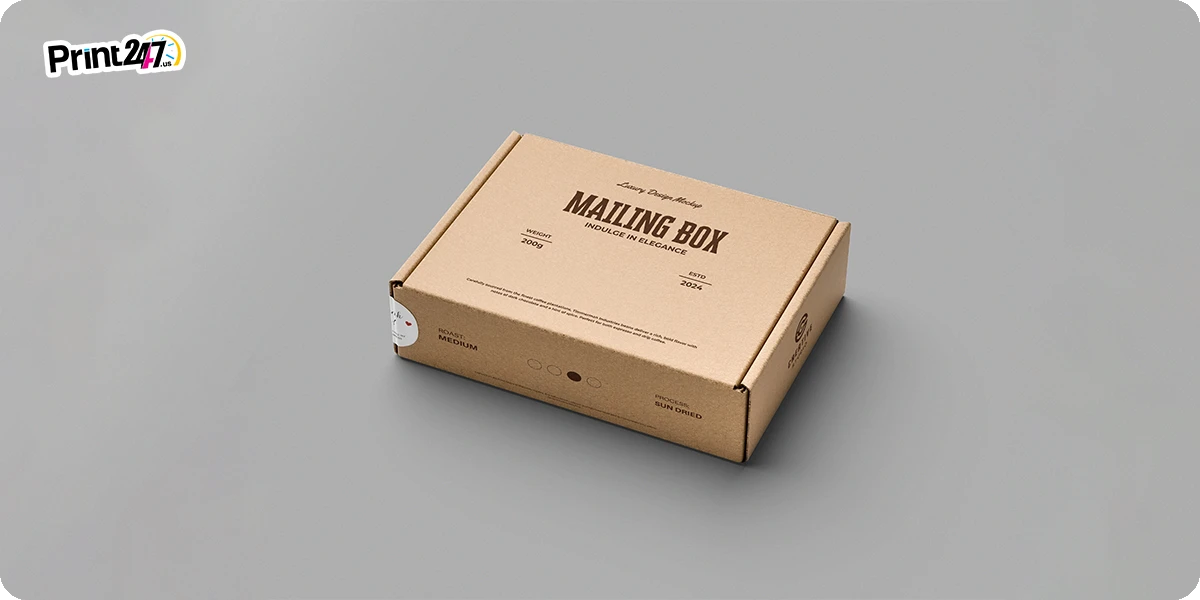
These shipping mailers are manufactured for direct-to-consumer (DTC) brands. They are mainly used as subscription boxes and shipping containers. An E-flute board substrate (approximately 1.5mm) works well for retail-facing presentation. It offers a good print surface with light protection.
Brands can also choose heavier options such as B-flute or C-flute substrates (approximately 3mm to 4mm) that are built for transit protection.
We have also added a comparison table that explains what these box styles are used for and their industry standard thickness:
Box Style | Best For (Use Case) | Industry Standard Thickness Spec |
Folding Carton or Tuck Box | Small puzzles, promo runs, travel sizes | 10pt to 18pt Cardstock (SBS or Kraft) |
Rigid Two Piece or Lid & Base | Premium retail, pack 500- 2,000 piece | 1.5mm to 2.0mm Chipboard or Greyboard |
Corrugated Mailer (Retail) | DTC, subscription boxes, e-commerce | E-flute (approx. 1.5mm) |
Corrugated Shipper (Transit) | Bulk wholesale, master shipping cartons | B-flute or C-flute (approx. 3mm to 4mm) |
Choosing the Box Thickness By Puzzle Piece Count
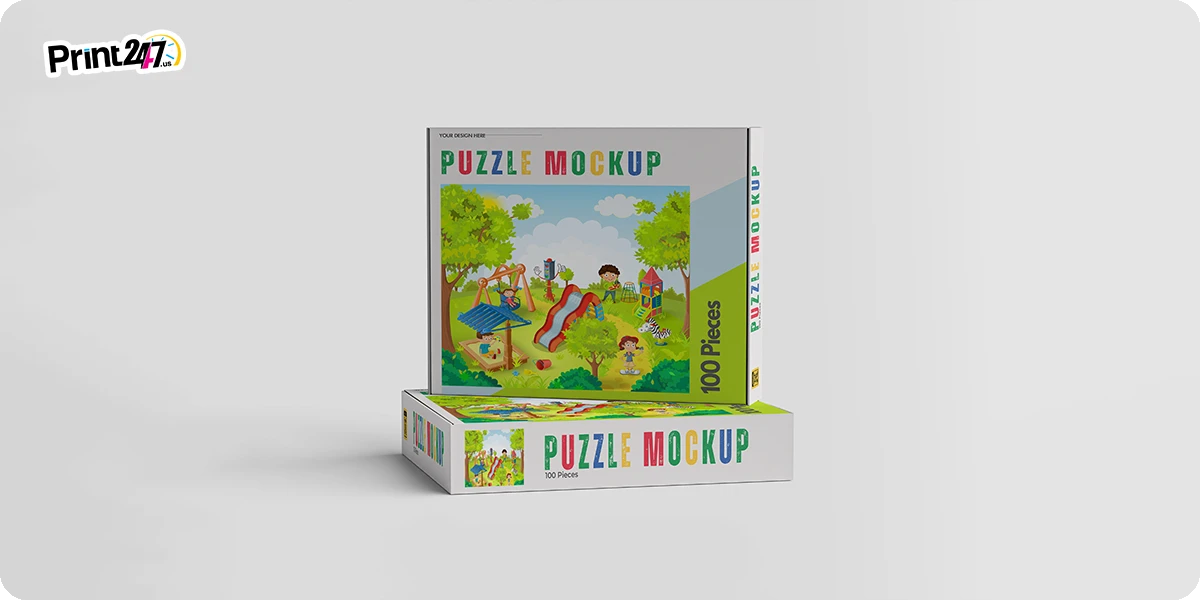
The most important step is selecting the optimal board thickness, which depends heavily on the exact number of puzzle pieces you intend to pack inside the carton. Your structural puzzle packaging must be highly durable to withstand rough shipping, ensuring that every piece remains perfectly safe and intact upon delivery. A thin box caliper can cause the toy packaging to lose its shape. This can ruin retail shelf appeal and customer experience.
This makes it extremely important for brands to match their box thickness directly to their puzzle piece count. This saves brands from overpaying for unnecessary materials or risking crushed inventory.
Under 300 Puzzle Pieces: They need lightweight stock. A 10pt to 12pt folding carton stock works perfectly well for this piece count.
300 to 500 Puzzle Pieces: This volume needs a denser stock. Brands must choose 14pt to 16pt folding boards. They can also choose a 1.5mm rigid setup box to maximize their product’s safety.
500 to 1,000 Puzzle Pieces: This is the most common puzzle size and needs a sturdier stock. Brands should choose an 18pt folding board or a 1.5mm rigid setup box to keep each piece secure.
1000 to 2000+ Pieces: Using standard folding cartons for this volume can cause the box to lose its shape. Brands should choose a 2mm rigid setup box to keep each piece secure. This level of box thickness can easily absorb shock during transit while maintaining pristine presentation on retail displays.
Aspects to Consider When Choosing the Right Thickness
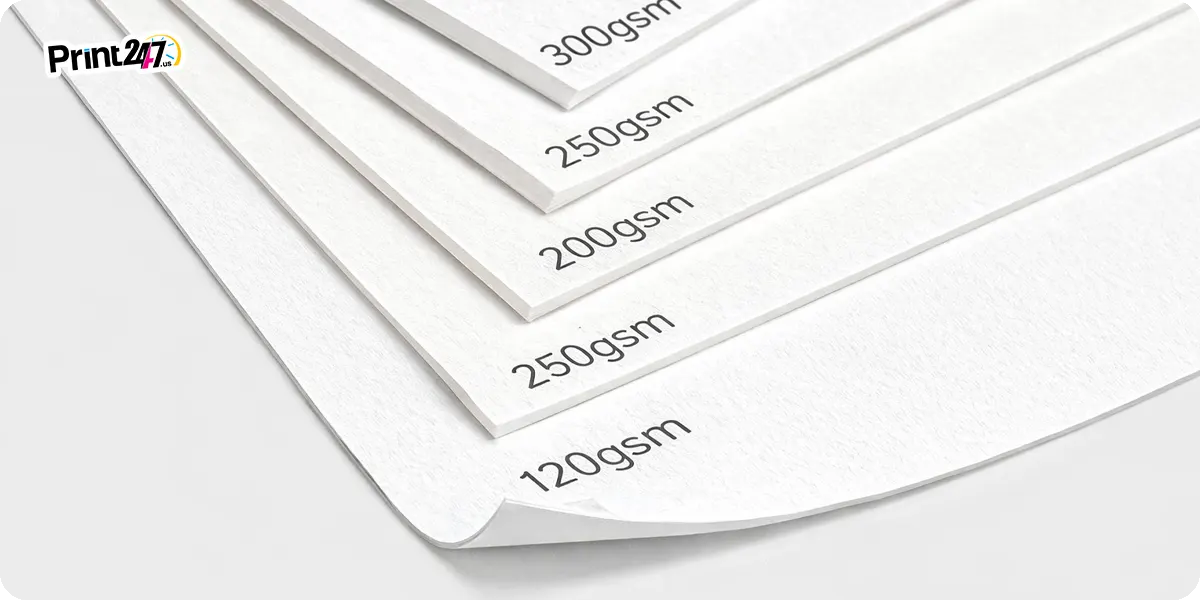
Picking the right board thickness is a balancing act for any business. You have to carefully weigh the box's load-bearing structural strength against your product weight, box size, and shipping method.
Before making that final call, brands always need to nail down their vertical pallet stacking limits to ensure nothing gets crushed in the warehouse.
Here are a few factors to consider before making the final call:
Consider your transit method and shipping distance. Long-haul freight subjects packaging to dynamic impacts and compressive pressure. To prevent damage, choose a structural board thickness engineered to maintain its rigid shape under heavy stacking loads.
Stacking and warehouse storage is another important factor to consider. Thicker board improves stacking strength; confirm your pallet stack height.
Choose a board that scores and folds cleanly at your thickness; thick stock may need special creasing.
Consider your budget, as a thicker board can cost more per unit compared to thin boards.
Complete Material Thickness for Puzzle Packaging
Board thickness controls how well your box keeps your products safe during shipping and handling. It also shapes how it feels in the customer's hand. This matters, as a premium-looking puzzle packaging box helps boost your product’s perceived value and drive fast purchasing decisions.
Below is the table with every thickness measurement you’ll encounter during production. Choose the exact thickness that matches your box type and shipping method:
Board Grade | PT | GSM | MM | LB | Best For |
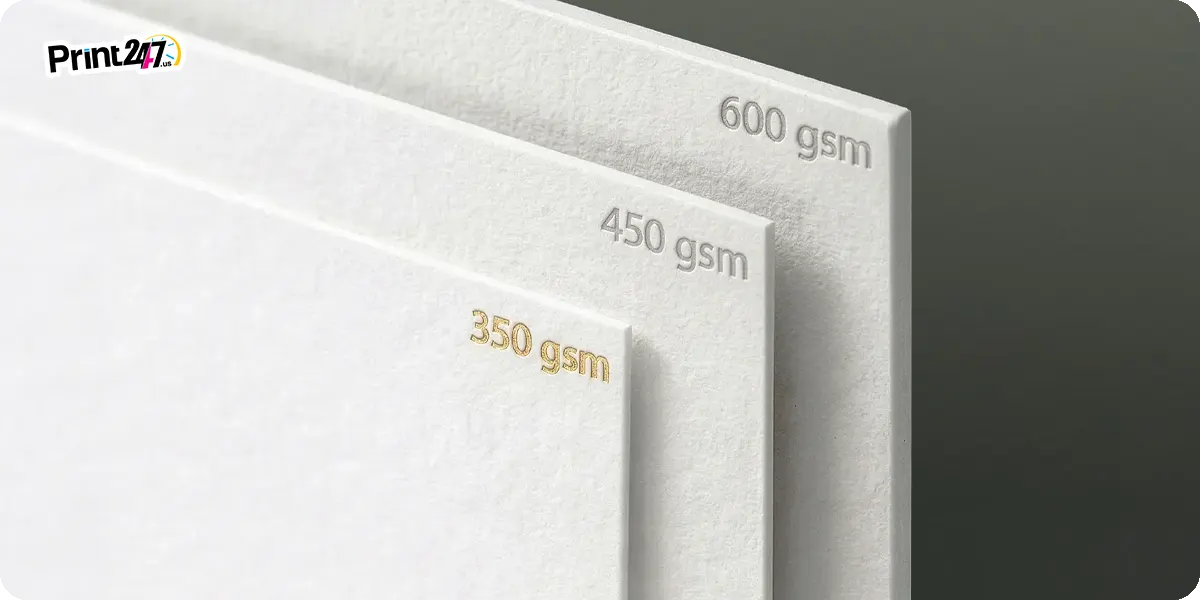
Lightweight | 10 to 12pt | 180 to 220 | 0.25 to 0.30mm | 37 to 45lb | Small promo puzzles, budget runs |
Standard | 14 to 16pt | 250 to 300 | 0.35 to 0.40mm | 51 to 61lb | 300 to 500 piece puzzles, retail |
Premium | 18 to 20pt | 320 to 350 | 0.45 to 0.50mm | 66 to 72lb | 500 to 1,000 piece puzzles, collectibles |
Heavy Duty | 22 to 24pt | 360 to 400 | 0.55 to 0.60mm | 74 to 82lb | Premium gift sets (1,000+ piece puzzles need a 2mm rigid box) |
E-Flute | N/A | 250 to 350 | 1.5mm | N/A | Retail packaging, small mailers |
B-Flute | N/A | 350 to 450 | 3.0mm | N/A | Standard shipping boxes, custom mailers |
C-Flute | N/A | 400 to 500 | 4.0mm | N/A | Heavy duty shipping, stacking strength |
A-Flute | N/A | 450 to 550 | 5.0mm | N/A | Maximum cushioning, fragile items |
Note: GSM for the flute rows is combined board weight.
Final Thoughts
Your thickness choice depends on protection, cost, and brand perception. Match the thickness to your puzzle’s piece count, shipping method, and customer expectations to design puzzle packaging that leaves a memorable impression.
Print247 uses high-quality materials to craft durable puzzle packaging for your brand. Compare GSM, PT, millimeter caliper, and lb with how you plan to handle your product. Share your packaging needs with our team, and they will help you choose the thickness that prevents deformation and improves your product's visual quality.
FAQs
What does higher GSM mean in packaging?
Higher GSM means heavier, usually thicker board that's more durable. The thicker the material, the more premium the packaging feels.
Do thicker puzzle boxes increase shipping costs?
Slightly, because a thicker board adds weight. Box dimensions often affect cost more. Thickness increases material weight and cost.
What are the types of corrugated box flutes?
The following are the different types of corrugated box flutes:
A-flute
B-flute
C-flute
E-flute
F-flute
How does board thickness impact custom packaging finishes?
A thicker, denser substrate delivers the rigid stability needed to apply premium finishes like foil stamping cleanly without creasing the material.
Get a Quick Quote

More Articles
 Bill ‘Hogg’ Ryan
Custom Vial Boxes Guide: Sizes, Materials, and Ordering Tips for 2026
 Bill ‘Hogg’ Ryan
Rigid vs Corrugated vs Kraft: How to Choose Materials for Hair Dryer Boxes
 Bill ‘Hogg’ Ryan