

Carefully selected materials that deliver exceptional print quality, durability, and shelf presence.


 New
New


















Why is Lightweight Toy Packaging the Key to Scaling Your Toy Business?
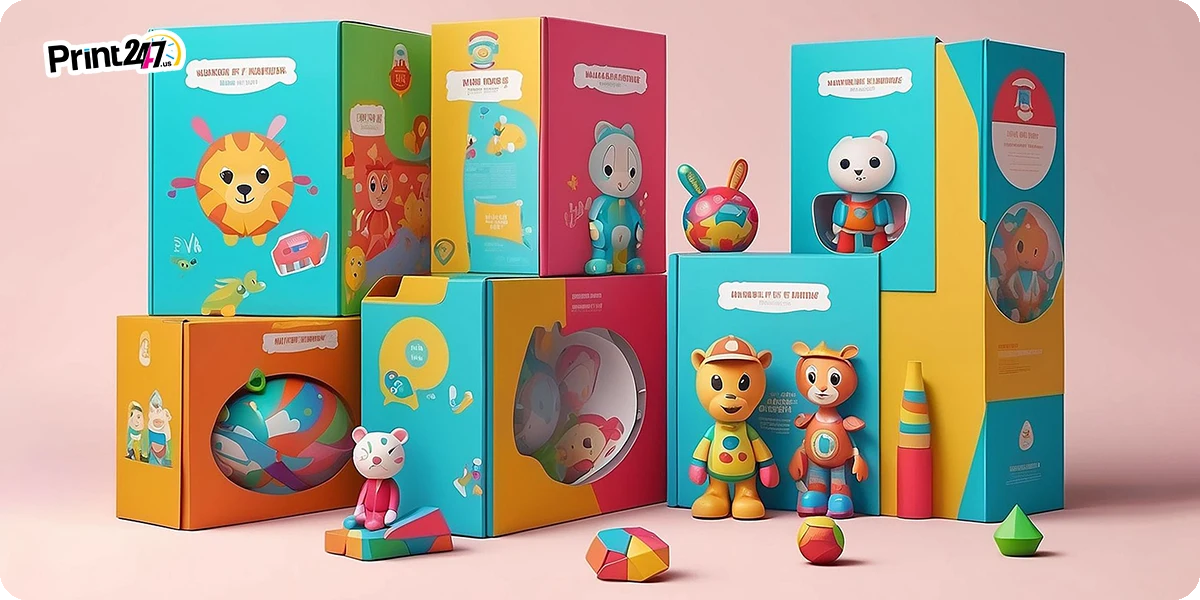
Lightweight toy packaging has become a key to scale a toy business. The reason is that it directly affects logistics efficiency and shipping costs. It also aligns with customers’ growing demands. By redesigning custom toy packaging with lighter materials, brands can improve margins and ship more units.
If you’re in a toy business, you understand the true importance of packaging. It is the packaging that directly affects cost per unit, freight bill, storage space, and how fast your team can pack the order. Toy packages can silently eat into profit on every single unit for growing brands.
This is where the need for lightweight toy packaging emerges. Brands can lower the costs without risking safety or shelf appeal by using smart structure and lighter materials. This becomes extremely important for you if you need thousands of toy boxes each month or run multiple units.
In this blog, we will guide you about what lightweight toy packaging really means, how it helps you save costs in the long run, and how it can support your sustainability goals. Thus, read until the end to get the most useful information about this topic.
Key Takeaways
Lighter toy Packaging reduces both material and freight cost per unit.
Strong design protects toys even when board weight goes down.
Smart toy box packaging shapes fit more units per pallet and carton.
Eco friendly custom toy packaging supports retailer and ESG goals.
Better unboxing improves brand trust and repeat orders.
Lightweight systems make it easier to scale SKUs and enter new regions.
What is Lightweight Toy Packaging?

Packaging lightweighting is the process of reducing raw material consumption for packaging. Product protection should be maintained without sacrificing weight or volume.
When it comes to toy packaging, lightweight boxes, cards, and bags use less material while still protecting the toys and exceeding safety standards. It is not just a thin box. It is a smart package that balances strength, size, and weight.
For example, custom toy packaging boxes might switch from heavy corrugated to a lighter but strong folding carton board with better structural design. You can also cut void fill, reduce empty air inside, and tighten the fit.
A lightweight design can be applied to blister packaging for toys, and mailer-style box packaging shipped directly from warehouses or retailers. The goal is simple: keep toys safe, keep branding clear, and remove extra grams that you do not need.
Info Box

Lightweight does not mean “cheap” or “weak.” It means every part of the toy package earns its place and supports protection, branding, or logistics.
Benefits of Lightweight Toy Packaging For Toy Business
Lightweight toy boxes are proved significantly advantageous for toy businesses. When you lower packaging weight in a smart way, the benefit shows up in more than one place. You cut raw material use, improve freight efficiency, and make life easier for your warehouse and your retail partners.
Here are some benefits of lightweight toy packaging for your toy business.
Cost Savings on Materials and Production

Material is one of the biggest inputs in toy packaging. The use of paperboard, plastic, and film per unit immediately decreases when you switch to lighter cardboard, leaner inserts, or smaller packaging. Over tens of thousands of units, this adds up to real money.
When designing custom toys packaging boxes, even a slight reduction in weight or a slight reduction in carton height can reduce the number of sheets required per run.
That means:
Fewer sheets needed per order
Lower waste at the die cutter
Less ink coverage for the same design
Additionally, you can combine SKUs on the same sheet layout for custom toy packaging, reducing waste. As your packaging for toys becomes lighter and easier to print and cut, your per-unit packaging costs can decrease while quality remains high.
Material type | Typical board weight range | Common use in Toy box packaging |
Folding carton (SBS/FBB) | 250 to 400 GSM | Small toys, figures, carded playsets |
Micro-flute corrugated (E/F) | 1.5 to 2.5 mm caliper | Heavier playsets, e-commerce shipper |
PET/PVC blister film | 200 to 400 microns | toy blister packaging with hang tabs |
Enhanced Environmental Sustainability

Sustainability is an issue that retailers and large marketplaces are constantly addressing. The easiest way to decrease your footprint is to use lightweight toys packaging without affecting the core product.
When you reduce board weight in custom toy packaging boxes manufacturing and move to slim packaging, you:
Use less raw material per unit
Reduce energy use across the supply chain
Cut transport emissions due to lower total shipment weight
The eco-minded buyer and the big box retailer pay close attention to this. If you use FSC-certified cardboard, soy based inks, and recyclable toy packaging formats for your product packages, you can give your brand an edge when buyers compare vendors for a category reset.
Improved Customer Handling and Unboxing Experience

In B2B, you do not only serve the end consumer. You serve warehouse teams, store staff, and online fulfillment centers. Lightweight toy packaging makes their work smoother and lowers handling risk.
Having cartons that are easier to lift and open allows store personnel to shelf more toy boxes per shift. The outer cartons that contain lighter packaging inside are easier to break down, which reduces fatigue and injuries.
For the end shopper, smart toy packaging design means:
Easy-open structures without tools or sharp blades
Less over-packing around the toy
Clear view windows in toy blister packaging so parents can inspect the toy quickly
You will be more likely to reorder, stock more SKUs, and get better placement when buyers and store teams have a positive experience with your toy package.
Reduced Shipping and Logistics Expenses

Freight companies love to charge for weight and space. Lighter toy packaging means each carton and pallet weighs less and can sometimes hold more units, which cuts your cost per unit shipped.
For example, if your toy box packaging is 10% lighter, and you ship full pallets, you may move more units before hitting weight limits. Your inbound and outbound freight both start working harder for you.
For high-volume SKUs in custom toy packaging boxes, reducing each toy packaging by just a few grams can mean:
Lower parcel shipping cost for e-commerce orders
More units per master carton or pallet
Easier manual handling in your DC and 3PL
This also helps your retail partners. Lighter packaging is easier to stock, shift, and reorder. It makes your brand easier to work with at the store and warehouse level.
Increased Scalability for Business Expansion

Scaling a toy brand means more SKUs, more orders, and more routes. Heavy, bulky packaging slows that growth. Lightweight systems, on the other hand, support expansion.
When your toy boxes are efficient and consistent in size, it is easier to:
Add new SKUs on the same line
Forecast material and freight needs
Onboard new warehouses and 3PL partners
Streamlined custom toy packaging with shared impact lets you standardize master cartons and pallets across many products. That reduces complexity and errors while you grow into new regions.
Future Trends in Lightweight Toy Packaging
The majority of customers (almost 68%) prefer packaging that closely fits the toy. It is easier for toy brands that plan ahead when retailers change rules or shipping costs rise to deal with changes in packaging as a result of these changes. The packaging of toys, especially those sold at retail and online, will undergo several changes over the next few years..
Here are some key trends that are shaping toy packaging.
Mono-material designs for easier recycling: More toy boxes use a single material, like carton board only, instead of mixing plastics and board. This helps meet store recycling programs without extra sorting.
Smaller, shelf-efficient footprints: Buyers want less air in each toy package and better shelf density, so brands are shrinking box depth and height while keeping strong branding on the front panel.
Refined toy blister packaging formats: Brands are developing thinner, clearer films and lighter blister cards that still meet drop tests, giving parents a "see-through" look while reducing weight.
Right-sized e-commerce toy packaging: Mailer-style toy boxes fit snugly and pass parcel drop tests, saving the need to ship two outer boxes in some cases.
Digital print and short-run flexibility: The use of digital print allows for fast changes in graphics, seasonal runs, and localized versions without altering the lightweight structure.
In the coming years, brands that have already invested in lighter packaging may have an easier time meeting retailers' scorecards and shipping requirements. You'll be better able to roll out updates across your entire catalog when customers request slimmer toy packages when you begin testing them early.
Conclusion
Brands that are serious about their business model need to invest in packaging. As toy packaging becomes lighter, smarter, and easier to manufacture at scale, you can move funds into product development, marketing, and new channel launches.
Lightweight toy packaging is very helpful in lowering costs, supporting green targets, and making handling easier for your partners. When you multiply small changes in board weight, size, and structure across hundreds of thousands of units, they can produce big gains.
If you’re ready to update custom toy packaging, Print247 is here for your help. As a leading US packaging manufacturer and supplier, we offer free design support, fast shipping, eco-friendly materials, and physical samples. This makes it easier to test lighter toy packaging ideas before you roll them out across your full package.
Get a Quick Quote

More Articles
 Bill ‘Hogg’ Ryan
Types of Toy Boxes: 11 Custom Packaging Styles for Brands
 Bill ‘Hogg’ Ryan
5 Sports Supplement Packaging Ideas That Win on Retail Shelves
 Bill ‘Hogg’ Ryan